What Plants Cannot Tolerate Coffee Grounds? Discover the Best Practices for Your Garden
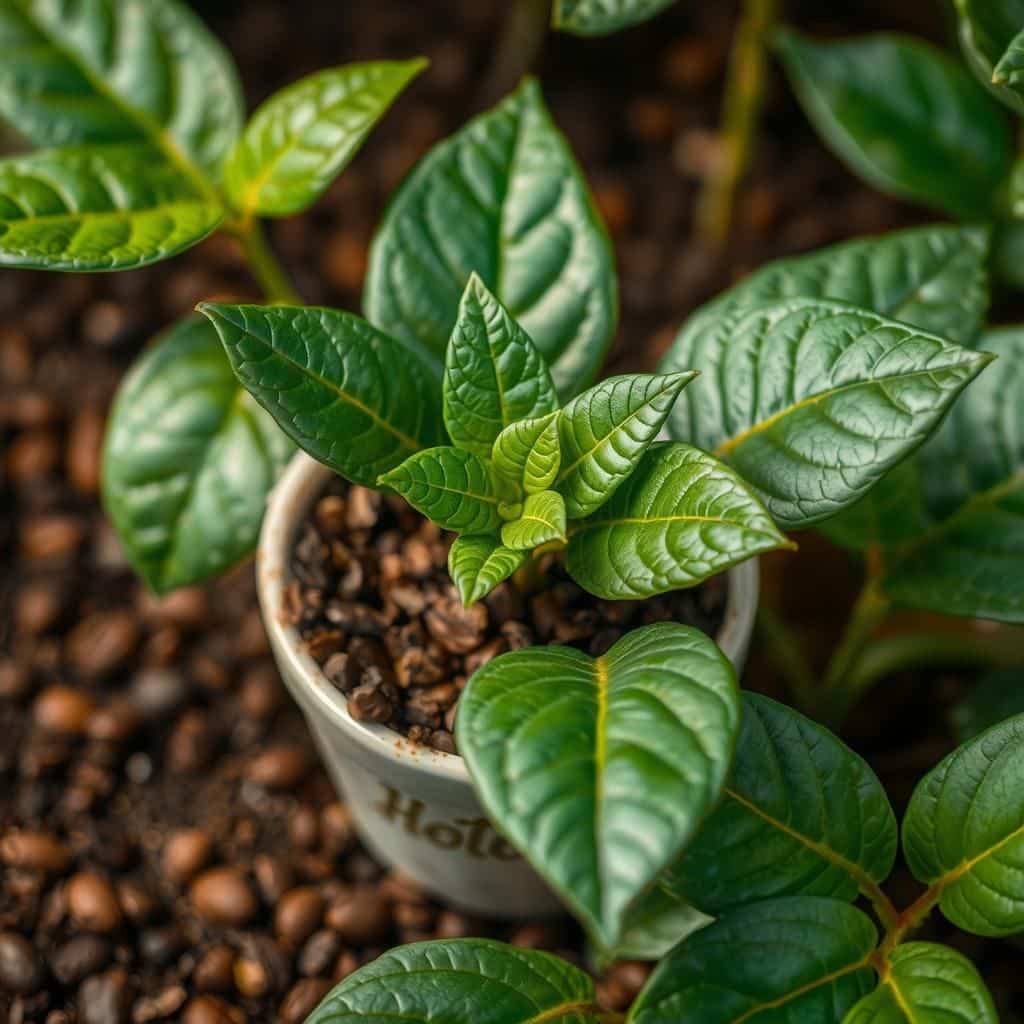
Coffee grounds are often touted as a gardener's best friend due to their rich nutrient content and ability to improve soil structure. However, not all plants thrive when exposed to this coffee byproduct. Understanding which plants cannot tolerate coffee grounds is essential for maintaining a healthy garden. In this article, we will explore the best practices for incorporating coffee grounds into your gardening routine, while also highlighting the specific plants that may suffer from their presence. By following these guidelines, gardeners can ensure a flourishing landscape that benefits from organic materials without harming sensitive flora.
Which Plants Cannot Tolerate Coffee Grounds?
Coffee grounds are often praised for their benefits in the garden, but not all plants thrive in their presence. Some plants are acid-sensitive and may react negatively to the increased acidity that coffee grounds introduce into the soil. It's essential to be mindful of the specific requirements of your garden plants, as coffee grounds can alter the pH levels of the soil. Notably, plants like azaleas or blueberries may benefit from coffee grounds owing to their preference for acidic soil, while others like lilies and root vegetables can suffer due to their susceptibility to acidity. Therefore, understanding which plants to avoid when using coffee grounds is crucial for maintaining a healthy garden.
Plants Sensitive to Acidity
Certain plants are known to be particularly sensitive to changes in soil acidity. For instance, plants such as lilies, ferns, and some herbs like basil may struggle to grow in soil enriched with coffee grounds due to their preference for neutral to slightly alkaline conditions. Introducing coffee grounds can lead to nutrient deficiencies and hinder their overall growth and health.
Vegetables That Dislike Coffee Grounds
Some vegetables, especially root crops like carrots and potatoes, may not thrive when exposed to coffee grounds. The increased acidity from coffee can impede their growth and may even affect their flavor profile, making them less desirable for consumption. Maintaining a balanced pH is necessary for these crops to flourish in the garden.
Plants With Low pH Tolerance
Many plants have a lower tolerance for acidic soils, including moss and some ferns. These plants generally prefer a more neutral pH and can be adversely affected when coffee grounds are added to their soil. Consequently, it is vital to evaluate a plant’s acid tolerance before incorporating coffee grounds into their care routine.
See also:
Herbs Sensitive to Soil Changes
While many herbs are hardy and can tolerate a range of conditions, some, such as rosemary and sage, prefer alkaline soils and may suffer when coffee grounds are added. The acidity introduced might disrupt their growth cycle and produce undesirable effects on their flavor and aroma, which are essential for culinary uses.
Assessing the Overall Soil Health
Understanding the impact of coffee grounds on soil health is crucial, given that they can change the nutrient composition and pH levels. Regularly testing the soil can ensure that the addition of coffee grounds doesn’t disproportionately affect sensitive plants. By monitoring the health of your garden, you can make informed decisions about when and how to incorporate coffee grounds effectively.
| Plant Type | Tolerance to Coffee Grounds |
|---|---|
| Lilies | Low |
| Carrots | Low |
| Rosemary | Low |
| Pineapple Sage | Low |
| Ferns | Low |
Understanding Plant Responses to Coffee Grounds
Coffee grounds are often used as a natural fertilizer due to their high nitrogen content and beneficial properties. However, not all plants can tolerate the acidity and compounds present in coffee grounds. Plants such as blueberries, azaleas, and certain herbs may show negative reactions, which can hinder their growth or lead to nutrient imbalances. It's essential to understand the specific needs of your plants and employ best practices for integrating coffee grounds into your garden while considering how the acidity might affect different species.
Plants That Thrive with Coffee Grounds
While many plants are sensitive to coffee grounds, some species, such as roses and tomatoes, actually thrive when coffee grounds are applied. These plants appreciate the nitrogen boost that coffee provides, which can promote more lush foliage and improve overall health. Additionally, the addition of coffee grounds can enhance soil structure, benefiting root development and moisture retention in these beneficial plant types.
Acid-Loving Plants and Their Limits
Acid-loving plants like rhododendrons and gardenias can tolerate coffee grounds, but excessive application may still lead to over-acidification of the soil. These plants rely on a specific pH range for optimal growth, and while coffee grounds can provide some benefits, they should be used in moderation. It's important to monitor soil acidity levels to ensure these plants remain healthy and vibrant.
See also:
Herbs That May Struggle with Coffee Grounds
Certain herbs, including basil and sage, can struggle when exposed to coffee grounds due to their sensitivity to changes in soil pH. These herbs prefer more neutral soil conditions, and the application of coffee grounds can introduce too much acidity, potentially stunting their growth. Gardeners should consider alternative nutrients for these specific herbs to promote optimal growth conditions.
The Impact of Coffee Grounds on Root Vegetables
Root vegetables, such as carrots and beets, may experience delayed germination or stubby roots when coffee grounds are mixed into their planting soil. The high acidity and moisture retention qualities of coffee grounds can negatively affect the developing roots. To optimize growth for root vegetables, it’s best to avoid using coffee grounds in the planting mix and opt for compost or well-rotted manure instead.
Vegetables That Are Best Kept Away from Coffee Grounds
Certain common vegetables, like potatoes and peppers, are best kept away from coffee grounds, as the high nitrogen levels can lead to excessive foliage growth at the expense of fruit development. When these nutrients are imbalanced, it can result in more leaf production and fewer flowers or fruits, ultimately reducing the yield. Hence, using balanced fertilizers tailored for these vegetables is a more effective approach for garden success.
Questions from Our Readers
What plants should you avoid using coffee grounds on?
Using coffee grounds can be beneficial for many plants, but you should avoid using them on plants that prefer alkaline soil, such as lavender, rosemary, or cacti. These plants thrive in less acidic conditions, and the acidity of coffee grounds can hinder their growth.
Can coffee grounds harm succulents?
Yes, coffee grounds can potentially harm succulents if used excessively, as most succulents prefer a drier environment and a neutral to slightly alkaline soil. The acidity in coffee grounds may lead to root rot and other issues in these plants.
See also:
Are there any vegetables that shouldn't be fertilized with coffee grounds?
Certain vegetables, particularly those that thrive in alkaline soil like asparagus and beets, may not respond well to coffee grounds. The acidic nature of the grounds can disrupt their nutrient absorption and overall health.
What flower species are sensitive to coffee grounds?
Some flower species, including geraniums and hydrangeas, can be sensitive to coffee grounds due to their preference for neutral or alkaline pH levels. Using coffee grounds on these plants may lead to nutrient imbalances and poor blooming.

If you want to read more articles like What Plants Cannot Tolerate Coffee Grounds? Discover the Best Practices for Your Garden, we recommend you check out our Plants category.
Leave a Reply
Related Articles