Can You Directly Plant Cuttings? A Complete Guide to Successful Plant Propagation

Cutting propagation is a popular and effective way to reproduce plants, allowing gardeners to expand their collections with minimal effort. However, one common question arises: can you directly plant cuttings into the soil? This complete guide will explore the intricacies of this propagation method, providing essential tips and techniques for success. From selecting the right cuttings to understanding optimal growing conditions, we’ll cover everything you need to know to ensure your cuttings thrive. Whether you're a novice or an experienced gardener, mastering the art of direct planting can unlock new possibilities for your green thumb.
Can You Directly Plant Cuttings?
Yes, you can directly plant cuttings, and this method is a popular technique for propagating various types of plants. When you take a cutting from a healthy parent plant, it can develop roots and grow into a new plant if the right conditions are provided. It is important to select the proper type of cutting, whether it be a stem, leaf, or root cutting, and use a suitable growing medium that retains moisture yet allows for drainage. Additionally, providing adequate light, humidity, and temperature during the rooting process will significantly enhance the chances of successful propagation.
Types of Cuttings
There are several types of cuttings that can be planted directly, including stem cuttings, leaf cuttings, and root cuttings. Stem cuttings involve taking a segment of the stem that contains nodes, which can sprout roots and new growth. Leaf cuttings, on the other hand, can produce new plants from a single leaf, especially in plants like succulents and certain houseplants. Root cuttings are taken from the roots of the plant and can be used to propagate species that do not readily produce stems or leaves.
Timing for Planting Cuttings
The timing for planting cuttings is crucial for success. Most cuttings should be taken during the growing season, which typically occurs in spring or early summer. This period provides the ideal conditions for rooting, as the mother plant is actively growing and can provide necessary nutrients. Additionally, taking cuttings in the early morning or late afternoon when the temperatures are cooler can help reduce stress on the cutting and improve its chances of survival.
Preparing the Cuttings
Before planting cuttings, proper preparation is essential for maximizing rooting success. It involves cutting a healthy section of the plant at a 45-degree angle just below a node and removing any excess leaves that could hinder the rooting process. It's also beneficial to dip the cut end into rooting hormone, which can stimulate root growth. Finally, allowing the cuttings to callus for a few hours or overnight can further enhance their ability to root when planted.
Choosing the Right Medium
Selecting the right growing medium for planting cuttings is vital. A suitable medium typically consists of a well-draining mix such as perlite, vermiculite, or a sterile potting mix that retains moisture without becoming waterlogged. This provides a supportive environment for the cuttings while allowing adequate oxygen flow to the developing roots. It is also important to keep the medium consistently moist but not soggy, as too much moisture can lead to rot.
Care After Planting
After planting the cuttings, proper care is essential to ensure they root successfully. This includes providing the right amount of light, preferably bright but indirect light, to minimize stress on the young cuttings. Maintaining a humid environment, such as covering the cuttings with a plastic bag or placing them in a humidity dome, can help retain moisture and encourage root development. Regularly monitoring the moisture level and avoiding direct sunlight will give the cuttings the best chance to thrive.
| Cutting Type | Best For | Time of Year |
|---|---|---|
| Stem Cuttings | Most plants, especially woody shrubs | Spring to early summer |
| Leaf Cuttings | Succulents, certain houseplants | Spring to early summer |
| Root Cuttings | Plants that don't produce cuttings easily | Fall to winter, depending on plant |
Can I plant cuttings without roots?

Yes, you can plant cuttings without roots, although the success rate may vary depending on the type of plant and the method you use. Cuttings are segments of a plant that can develop into new plants if given the right conditions. Planting cuttings without roots can be a bit tricky, but with the right techniques, you can encourage rooting and ensure a healthy start for your new plants.
Understanding Cuttings
Cuttings are fragments of a plant that can be used to grow new plants. They typically involve a piece of stem, leaf, or root taken from a parent plant. There are two main types:
- Stem Cuttings: These are taken from the stems of plants and can include a node that encourages new root growth.
- Leaf Cuttings: These consist of a leaf and a portion of the stem, and they rely on stored nutrients to develop roots.
Planting without roots makes it essential to understand these types as different plants respond uniquely to cutting techniques.
Preparing the Cuttings
Proper preparation is crucial for successful rooting, especially when planting cuttings without roots. Here’s how to prepare:
- Choose Healthy Cuttings: Select healthy stems that are free of disease and pests for better rooting chances.
- Cut at the Right Angle: Make a clean cut at a 45-degree angle below a node to maximize surface area for potential root growth.
- Remove Excess Leaves: Trim any extra leaves to reduce water loss and help the plant focus energy on root development.
This preparation stage ensures the cutting has the best possibility of establishing roots.
Choosing the Right Medium
The choice of planting medium can significantly affect the success of cuttings without roots. Here are the best options:
See also:
- Soil Mix: Use a well-draining soil mix that retains moisture but allows excess water to drain away.
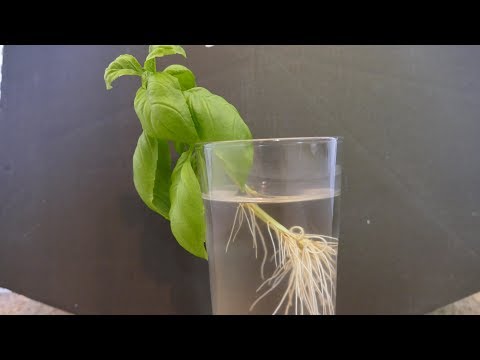
- Water: Some gardeners prefer to place cuttings in water until roots develop; however, transferring to soil can be done later.
- Perlite or Vermiculite: These materials are excellent for cuttings, providing good aeration and drainage.
Selecting the right medium helps maintain the right moisture balance important for rooting.
Providing the Right Environment
Creating a proper environment is essential for cuttings without roots. Important factors include:
- Humidity: Maintaining high humidity can encourage root growth; consider using a plastic bag or a humidity dome.
- Temperature: Keep the cuttings in a warm area, ideally around 70°F (21°C) for optimal growth.
- Light: Provide indirect light; too much direct sunlight may stress the cuttings and hinder rooting.
An optimal environment promotes the best conditions for roots to grow.
Monitoring and Care
Once planted, monitoring and care play critical roles in the success of rooting cuttings. Key aspects include:
- Watering: Keep the medium consistently moist but not soggy; overly wet conditions can lead to rot.
- Patience: Root development can take time; don’t rush the process and check for progress every few weeks.
- Transplanting: Once roots form, carefully transplant your cutting to a larger pot or garden bed to encourage healthy growth.
Regular attention ensures that the cuttings receive the support they need for successful rooting.
Do I need to leave cuttings dry before planting?

When dealing with plant cuttings, the question of whether to leave them dry before planting is important for successful propagation. The answer to this question largely depends on the type of cutting and the plant species involved. Generally, however, it is advisable to allow certain cuttings to dry for a short period before planting them.
Benefits of Letting Cuttings Dry
Allowing cuttings to dry can offer several benefits that can enhance the chances of successful rooting.
- Callus Formation: When cuttings are left to dry for a few hours to a few days, they begin to form a protective layer known as a callus. This layer helps prevent rot once the cutting is planted.
- Reduced Water Loss: By letting the cuttings dry, you help minimize excess moisture that can lead to fungal infections and rot while the cutting is still trying to root.
- Improved Root Development: A drier cutting may focus more energy on establishing strong roots rather than sustaining leaf growth, which can increase the chances of survival.
Types of Cuttings
Different types of cuttings may require different approaches regarding drying before planting.
- Herbaceous Cuttings: These cuttings, taken from soft, green stems, typically do not need to dry before planting. Instead, they root best when planted immediately.
- Woody Cuttings: More mature or semi-woody cuttings can benefit from a drying period, as they are more susceptible to rot.
- Leaf Cuttings: Leaf cuttings may also benefit from a brief drying period to encourage callus formation and minimize the risk of fungal issues.
Environmental Factors
The environmental conditions also play a crucial role in determining whether to let cuttings dry.
- Humidity Levels: In high humidity, cuttings may retain moisture longer, reducing the need to dry them. However, in low humidity, allowing them to dry helps prevent rot.
- Temperature: Warmer temperatures can lead to quicker drying, making it essential to monitor them to avoid excessive dehydration.
- Type of Soil: Sandy soils may require cuttings to be drier than those planted in more fertile, moisture-retaining soils.
Signs That Cuttings Should Dry
Understanding the signs that indicate the need for drying can improve the propagation process.
- Softness at the Cut End: If the end of the cutting looks soft or mushy, it's a good idea to let it dry before planting.
- Excess Moisture Presence: Visible moisture on the cutting should be addressed by allowing it a drying period.
- Fungal Growth: If any signs of fungal growth are observed, drying the cutting is essential before planting.
How Long to Leave Cuttings Dry
The duration for which cuttings should be left to dry can vary based on various factors.
- Timeframe: Generally, allowing cuttings to dry for 24-48 hours works well for most woody cuttings.
- Environmental Conditions: In dry and warm environments, even a few hours may be sufficient, while cool, humid conditions may require longer.
- Type of Plant: Researching specific plant needs can guide you on proper timings, as some species have unique requirements.
Why is it illegal to propagate plants?

The legality of propagating plants is a complex issue that intertwines with intellectual property rights, environmental conservation, and agricultural regulations. In many countries, it is illegal to propagate certain plants without appropriate licenses or permissions due to the following reasons:
See also:
- Intellectual Property Rights: Many plant species are protected under plant variety protection laws or patents. These laws grant the original breeders exclusive rights to propagate and sell their creations. If individuals propagate these plants without consent, they may infringe upon the owner's rights and face legal consequences.
- Conservation: Some plants are classified as threatened or endangered species. Propagating these plants illegally could exacerbate their decline in the wild, making it essential to follow legal channels to ensure their protection.
- Agricultural Regulations: The propagation of certain plants may be regulated to prevent the spread of pests and diseases. Unregulated propagation can lead to biological invasions, threatening local ecosystems and agricultural crops.
- Quality Control: Regulations often exist to maintain the genetic integrity and quality of plant varieties. Unauthorized propagation can lead to the introduction of substandard plants, which can harm consumer trust and market dynamics.
- Taxation and Commercial Gain: Some jurisdictions require licenses for propagating plants to ensure that any commercial activity is properly taxed. Propagating without a license for profit can be viewed as tax evasion, leading to legal repercussions.
Intellectual Property Rights
The concept of intellectual property rights plays a crucial role in the legality of plant propagation. Breeders invest significant time and resources in developing new plant varieties, which they seek to protect through legal means.
- Patents and plant variety protection laws grant exclusive rights to breeders.
- Unauthorized propagation can lead to lawsuits and penalties.
- Respecting intellectual property encourages innovation in horticulture.
Conservation Efforts
Conservation is vital for maintaining biodiversity, especially for endangered plant species. Illegal propagation may threaten efforts to preserve these plants in their natural habitats.
- Propagation can lead to overharvesting in natural habitats.
- Illegal practices can undermine conservation programs.
- Regulations ensure sustainable practices that protect ecosystems.
Agricultural Regulations
The agricultural sector is highly regulated to prevent the spread of pests and plant diseases that can affect crops. Unregulated propagation is a risk factor for agricultural health.
- Regulations help control and monitor the introduction of new plants.
- Preventing the spread of disease avoids economic losses for farmers.
- Monitor and protect local flora from invasive species.
Maintaining Quality Control
Quality control measures are essential in the horticultural industry. Unauthorized propagation might lead to a decrease in genetic quality and reliability of plant products.
- Regulations ensure genetic integrity of commercial varieties.
- Consumers rely on the consistency and quality of propagated plants.
- Breeders can establish standards that benefit the industry as a whole.
Taxation and Commercial Gain
Governments implement regulations on plant propagation to regulate and tax commercial activities effectively. This ensures fairness in the market and compliance with tax laws.
- Licensing systems help monitor commercial activities efficiently.
- Unauthorized propagation for profit can lead to legal penalties.
- Revenue generated from licenses supports agricultural programs.
Questions from Our Readers
Can you directly plant cuttings?
Yes, you can directly plant cuttings in the soil. This method works well for many plants, as long as the cuttings are taken from a healthy parent plant and at the right time. Ensure the cuttings have proper nodes, as this is where roots will develop.
What type of cuttings can be planted directly?
Softwood, semi-hardwood, and hardwood cuttings can all be planted directly, depending on the type of plant. Softwood cuttings are taken from new growth, while hardwood cuttings are taken from mature stems. Each type has its ideal planting time and method.
What should be done before planting cuttings?
Before planting cuttings, it is important to prepare them by trimming the bottom ends at an angle and removing any excess leaves. This helps the cutting to focus its energy on root development rather than maintaining foliage, which can lead to better results.
How long does it take for cuttings to root?
The time it takes for cuttings to root can vary, but typically it can take anywhere from a few weeks to several months. Factors like plant type, humidity, and temperature can significantly influence the rooting process, so it’s important to provide optimal conditions.
See also:
If you want to read more articles like Can You Directly Plant Cuttings? A Complete Guide to Successful Plant Propagation, we recommend you check out our Plants category.
Leave a Reply
Related Articles