How Do You Multiply Coral Bells? A Complete Guide to Propagation Techniques

Coral bells, known for their vibrant foliage and delicate flowers, are a popular choice among gardeners and landscapers alike. Propagating these beautiful perennials can be a rewarding endeavor, allowing you to expand your garden and share them with friends. In this complete guide, we'll explore various propagation techniques for coral bells, including division, seed collection, and cuttings. Whether you're a novice gardener or an experienced horticulturist, understanding these methods will enable you to successfully multiply your coral bells and enhance the beauty of your outdoor space. Join us as we delve into the essential steps and tips for thriving coral bells propagation.
How to Multiply Coral Bells
To multiply coral bells (Heuchera), one effective method is through division. This process involves carefully removing the plant from its original pot or garden bed during the spring or fall when the plant is not in full bloom. Gently shake off the excess soil to expose the root system, and using a sharp, clean spade, divide the plant into several smaller sections, ensuring that each division has a healthy portion of roots and leaves. Replant these divisions in well-draining soil, water them thoroughly, and place them in a location with partial shade to allow them to establish before returning to full sun exposure.
Understanding Coral Bells
Coral bells are popular perennial plants known for their stunning foliage and delicate flower stalks. They thrive in various conditions but prefer shaded areas with well-draining soil. In addition to their ornamental value, they are a favorite among gardeners for their ability to attract pollinators like bees and hummingbirds.
When to Divide Coral Bells
The best time to divide coral bells is either in the spring or fall. During these seasons, the plant is not in full bloom, which helps minimize stress during the division process. Spring division allows the plant to establish roots before the heat of summer, while fall division gives the plant a head start before winter dormancy.
How to Properly Divide Coral Bells
To properly divide coral bells, first ensure you have a clean, sharp spade or garden fork that can effectively cut through the roots. Carefully lift the plant from the ground, avoiding damage to the root system. Once lifted, gently shake off excess soil, and identify natural divisions within the root ball. Each section should have multiple roots and foliage; use your spade to cut these sections apart cleanly.
Replanting Divided Coral Bells
After dividing the coral bells, prepare a new planting area by ensuring it has rich, well-draining soil. Dig holes that are deep and wide enough to accommodate the roots of each division, placing them at the same depth they were previously grown. Water the divisions thoroughly after replanting to help establish their new roots, and apply a layer of mulch to retain moisture and suppress weeds.
Care for Newly Divided Coral Bells
Post-division, care for the newly planted coral bells involves maintaining consistent moisture without overwatering, particularly during their establishment phase. Providing partial shade can help them adjust to their new environment, and regular monitoring for pests or diseases is crucial. Fertilize them lightly with a balanced fertilizer in early spring to encourage healthy growth.
| Aspect | Details |
|---|---|
| Optimal Division Time | Spring or Fall |
| Ideal Soil Type | Well-draining, rich soil |
| Mulching | Yes, to retain moisture |
| Watering | Keep soil moderately moist |
| Fertilization | Light, balanced fertilizer in Spring |
When's the best time to divide coral bells?
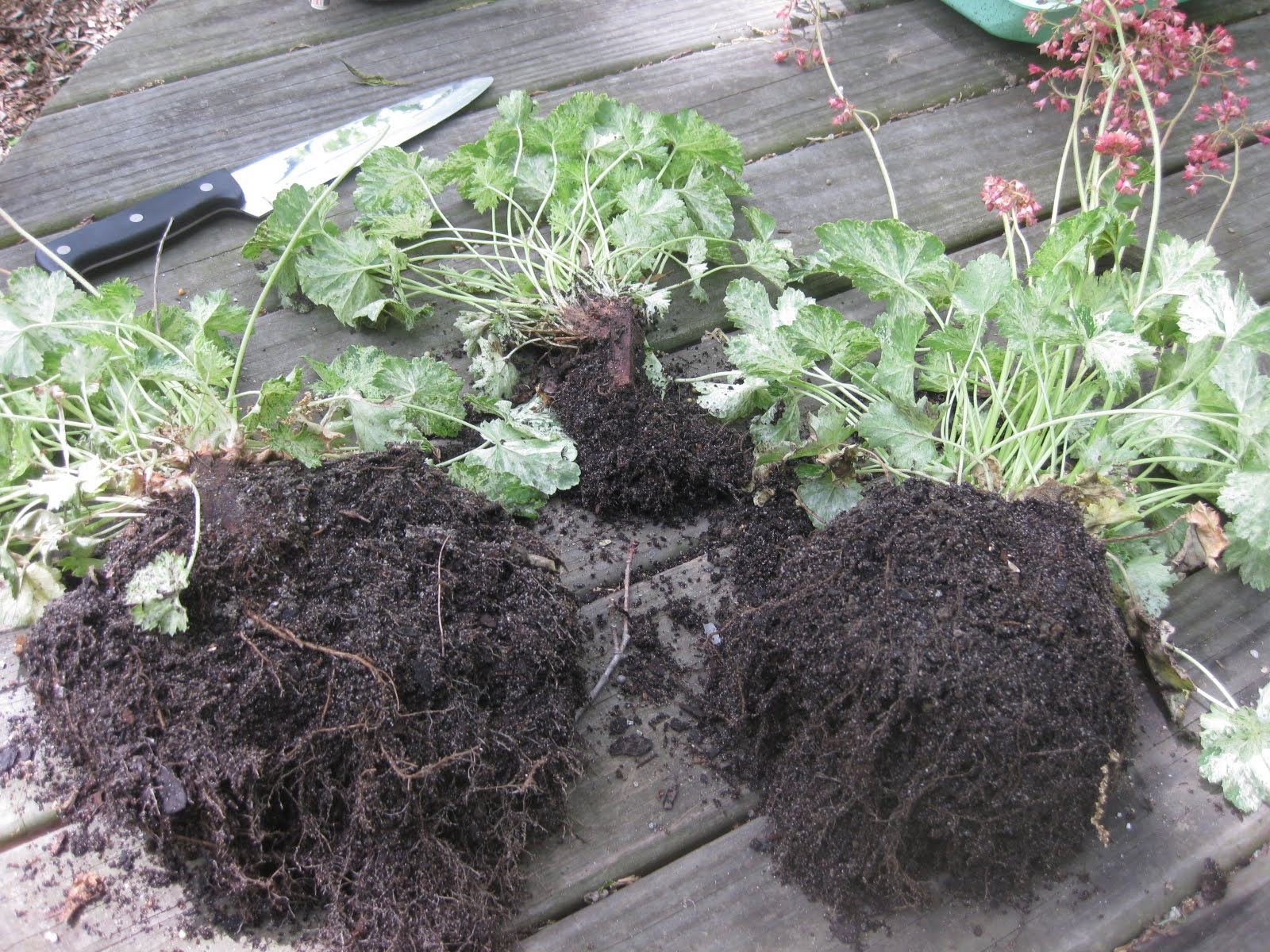
When it comes to dividing coral bells (Heuchera), timing is crucial for the health and success of the plants. The best time to divide coral bells is in the early spring or fall. During these times, the plants are either actively growing or preparing to go dormant, which can help minimize stress and maximize the chances of survival for both the parent plant and the divided sections.
Why Divide Coral Bells?
Dividing coral bells serves several important purposes that contribute to the health and aesthetics of your garden.
- Promotes Growth: Division allows the plant to regenerate and promotes the growth of new roots, which can result in more vigorous foliage.
- Prevents Overcrowding: Regular division prevents overcrowding, which can lead to reduced flowering and overall health of the plant.
- Rejuvenation: Older plants can become less attractive over time; division rejuvenates them, restoring their vibrant colors and shape.
Signs That It’s Time to Divide
Knowing when to divide coral bells is pivotal for their long-term health. Here are some indicators that your plants may need dividing:
- Overcrowding: If the plants are growing too close together and competing for resources.
- Decreased Flowering: A noticeable decline in blooms suggests that the plant is struggling and may need rejuvenation through division.
- Poor Health: If you observe signs of disease or general poor health, division can help by isolating healthy sections.
Steps to Divide Coral Bells
Dividing coral bells effectively requires following specific steps to ensure plant health.
- Preparation: Ensure you have the right tools (shovel, garden fork, pruning shears) and prepare the new planting locations.
- Digging Up: Carefully remove the plant from the ground, taking care not to damage the roots.
- Dividing: Use a sharp spade or knife to cut the root ball into sections, ensuring each section has roots and healthy foliage.
After Division Care
After dividing your coral bells, providing proper care is essential to encourage successful growth.
- Watering: Thoroughly water the freshly divided plants to help establish roots in their new locations.
- Mulching: Applying a layer of mulch can help retain moisture and suppress weeds during the establishment period.
- Avoiding Direct Sunlight: Initially, place the divided plants in a shaded area until they adjust and show signs of new growth.
Effects of Seasonal Conditions
The particular season of division can greatly affect the outcome for coral bells.
See also:
- Spring Division: Early spring division often leads to quicker recovery as plants enter their active growing period.
- Fall Division: This allows plants to establish roots before going dormant, making them ready for growth in the spring.
- Temperature Considerations: Avoid dividing during extreme heat or cold, as this can lead to stress and poor establishment.
Do coral bells spread quickly?
:strip_icc()/purple-palace-coralbells-heuchera-2af3c0c3-775561fbb7d440628cfd2aa9e14ab616.jpg)
Coral bells, scientifically known as Heuchera, are perennial plants prized for their colorful foliage and striking flowers. When considering whether coral bells spread quickly, it’s important to note several key factors that influence their growth and spread.
Coral bells typically spread through rhizomes—horizontal underground stems that produce new plants. Over time, these rhizomes can lead to the establishment of new plants in the vicinity of the parent plant. However, the rate of spread can vary based on environmental conditions, soil type, and plant care practices.
Growth Rate of Coral Bells
The growth rate of coral bells can vary significantly depending on several factors. Generally, under ideal conditions, these plants can spread moderately fast.
- The climate significantly impacts their growth rate; they thrive in well-drained soil and require partial shade to full sun.
- Young plants may take a few seasons to establish before noticeable spreading occurs.
- Favorable soil conditions that are rich in organic matter can enhance their growth and spreading ability.
Propagation Methods
Coral bells can be propagated through several methods, each affecting how quickly they spread.
- Division is a common method, where established plants are carefully divided into smaller sections to be replanted.
- They can also be grown from seeds, although this method is slower and less reliable for uniformity in color and traits.
- Using cuttings from healthy plants allows for quicker establishment in new locations, contributing to faster spread.
Environmental Conditions
The environment plays a crucial role in how quickly coral bells spread.
- They prefer temperate zones, which provide the right balance of moisture and sunlight needed for optimal growth.
- Excessive moisture can lead to root rot, hindering their spread effectively, while too little can stunt growth.
- Mulching can help retain moisture and suppress weeds, creating a better habitat for coral bells to thrive and spread.
Maintenance Practices
Proper maintenance can significantly influence the spread of coral bells in a garden setting.
- Regular watering helps maintain soil moisture, which is crucial for their growth.
- Applying a balanced fertilizer can promote healthy foliage and root development, increasing spread potential.
- Ensuring good air circulation and avoiding overcrowding help prevent diseases that could limit their spread.
Potential Challenges
While coral bells can spread, certain challenges can impede their growth.
- They are susceptible to pests such as aphids and slugs, which can damage plants and reduce their spread.
- Diseases, such as fungal infections, can occur in overly wet conditions, slowing down their growth and spread.
- Competition from more aggressive plants can inhibit their ability to spread effectively in garden beds.
Can you split off coral bells?
Yes, you can split off coral bells (Heuchera). This plant is known for its vibrant foliage and adaptability in various garden conditions. Dividing coral bells can help rejuvenate the plant, promote healthier growth, and create more plants for your garden. It is typically recommended to divide coral bells every 3 to 4 years to maintain their vigor.
When is the best time to split off coral bells?
The ideal time to split off coral bells is during the early spring or fall. During these seasons, the plant is not under stress from high temperatures or drought, allowing for a smoother transition after division.
- Spring Division: Early spring, just before new growth begins, is optimal.
- Fall Division: Late summer to early fall gives the plants time to establish roots before winter.
- Avoiding Stress: Dividing during extreme temperatures can stress the plant.
How to properly split coral bells?
To split coral bells effectively, certain steps need to be followed to ensure both the parent and newly formed plants thrive. Proper techniques minimize damage and promote recovery.
- Water the Plant: Ensure the coral bells are well-watered a day before division.
- Digging Up the Plant: Carefully dig around the base to uproot the plant.
- Dividing the Clumps: Use a sharp spade or knife to separate the clumps, ensuring each division has roots.
What are the benefits of dividing coral bells?
Dividing coral bells not only provides additional plants but also has benefits that enhance the health and aesthetic of your garden.
- Improving Plant Health: Dividing prevents overcrowding, which can lead to disease and poor growth.
- Encouraging New Growth: Fresh divisions often exhibit stronger growth and vigor.
- Creating New Plants: You can propagate new plants for your garden or share them with friends.
What to do after splitting coral bells?
After splitting, there are crucial steps to take for the care of both the parent plant and the new divisions. Proper post-dividing care ensures successful establishment.
See also:
- Replant Immediately: Place the divisions in prepared holes with the same soil level as before.
- Water Thoroughly: Water each division well to help settle the soil and reduce transplant shock.
- Mulch Around Plants: Applying a layer of mulch helps retain moisture and suppress weeds.
Common issues to watch for after splitting coral bells
Post-division, you might encounter various challenges that can affect the health of the coral bells. Being aware of these issues enables timely intervention.
- Transplant Shock: Newly divided plants may initially wilt; monitor their moisture needs closely.
- Pests and Diseases: Watch for signs of aphids or mold that can affect stressed plants.
- Improper Watering: Both under and over-watering can lead to root problems; maintain consistent moisture.
How do coral bells reproduce?
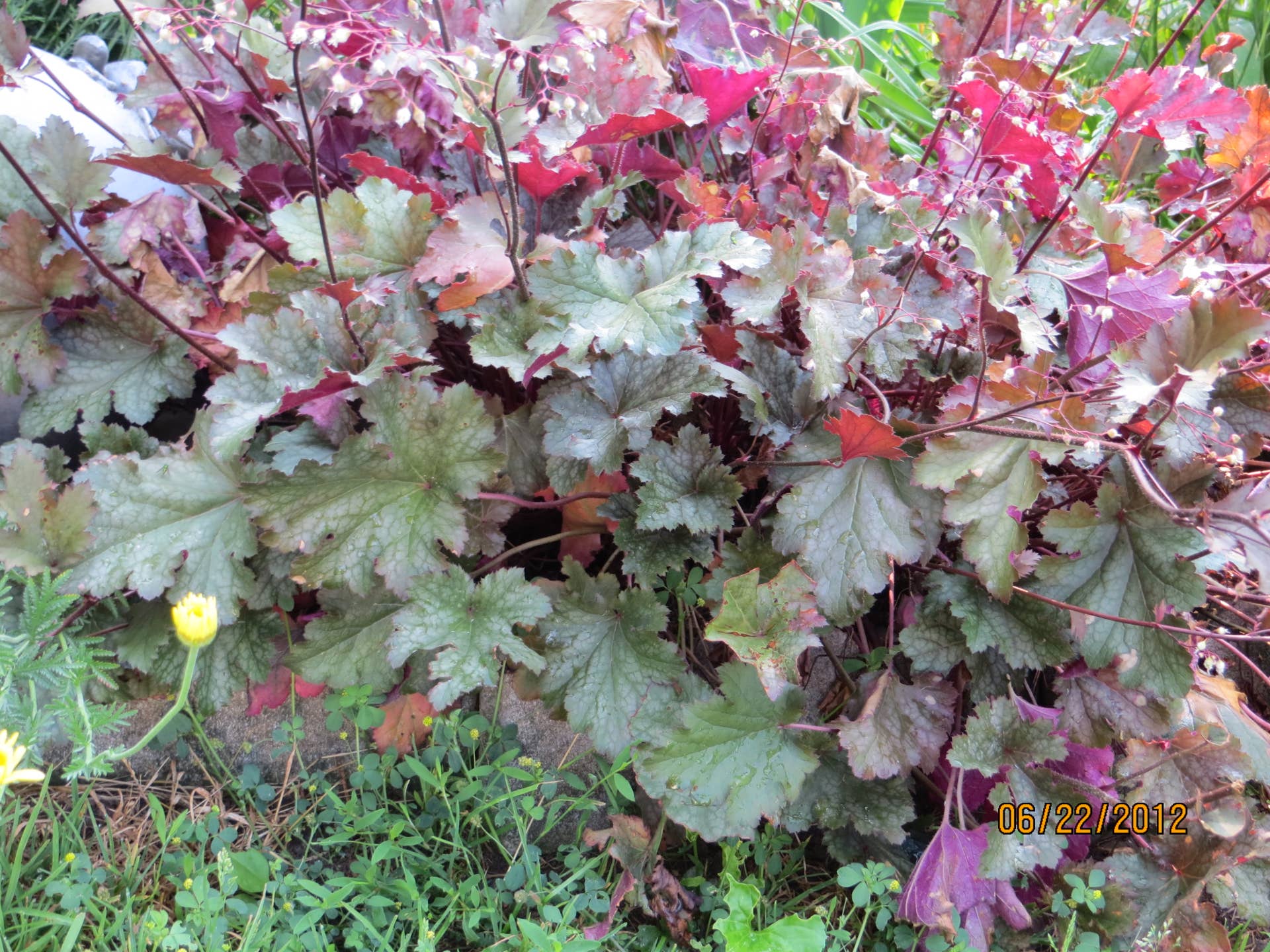
Coral bells, scientifically known as Heuchera, primarily reproduce through two main methods: sexual reproduction and asexual reproduction.
Sexual reproduction occurs when the plant produces flowers that contain both male and female reproductive organs. These flowers are pollinated, often by insects, resulting in the formation of seeds. The seeds can then germinate to grow new plants.
Asexual reproduction, on the other hand, is a more common method for these plants. This occurs through rhizomes, which are underground stems that allow the plant to spread horizontally. New shoots can emerge from these rhizomes, creating genetically identical offspring.
Let's delve deeper into the specific methods of reproduction in coral bells.
Sexual Reproduction in Coral Bells
Coral bells engage in sexual reproduction through the flowering process, which involves complex mechanisms:
- Pollination: Flowers of coral bells typically bloom in spring and summer, attracting pollinators such as bees and butterflies. The transfer of pollen from male to female parts is crucial.
- Seed Formation: Once pollination occurs, fertilization takes place, leading to the development of seeds within the flower's ovary. These seeds are then dispersed either by wind or animals.
- Seed Germination: When conditions are favorable, including moisture and soil nutrients, the seeds will germinate to produce new plants, continuing the life cycle.
Asexual Reproduction through Rhizomes
Asexual reproduction allows coral bells to colonize areas quickly without the need for flowers or seeds:
- Development of Rhizomes: The plant develops horizontal underground stems (rhizomes) that grow outwards from the main plant.
- New Shoots: At various intervals along the rhizome, new shoots can emerge. These shoots develop into new plants that are genetically identical to the parent plant.
- Root System Expansion: As these new shoots establish their own root systems, they further expand the plant's overall reach and growth in the garden bed.
Environmental Factors Affecting Reproduction
The reproduction of coral bells is influenced significantly by their environment:
- Soil Quality: Well-drained, rich soil enhances germination and rhizome development, thus improving overall reproduction rates.
- Light Availability: Coral bells thrive in partial shade to full shade, which can impact flowering and subsequent seed production.
- Temperature and Moisture: Adequate watering and suitable temperature ranges facilitate both sexual and asexual reproduction, impacting plant vigor and resilience.
Importance of Pollinators
Pollinators play a critical role in the sexual reproduction of coral bells:
- Attracting Pollinators: The diverse colors and shapes of flowers are designed to attract bees, butterflies, and other insects, ensuring effective pollination.
- Pollinator Behavior: Many pollinators are species-specific, which can influence the genetic diversity of the seeds produced, vital for a robust population.
- Impact of Pollinator Decline: The decline of pollinator populations can negatively impact the reproductive success of coral bells, emphasizing the need for conservation efforts.
Propagation Techniques for Cultivators
For those looking to cultivate coral bells, understanding propagation techniques is essential:
- Division of Rhizomes: In early spring or fall, rhizomes can be divided and replanted to create new plants, a common method used by gardeners.
- Seed Collection: After flowering, seeds can be collected and sown in suitable conditions to grow new coral bells, benefiting from controlled growing environments.
- Cutting Techniques: Although less common, taking cuttings from healthy plants can also promote new growth, providing an alternative propagation method.
Questions from Our Readers
How do you multiply coral bells?
To multiply coral bells, you can use division or seeds. The most common method is to divide established plants in the spring or fall. Carefully dig up the plant, separate the root clumps into smaller sections, and replant them in new locations.
When is the best time to multiply coral bells?
The best time to multiply coral bells is during the spring or fall when the plant is not in active growth. This allows for better rooting and establishment in their new locations without the stress of high temperatures.
Do coral bells grow well from seeds?
While it is possible to grow coral bells from seeds, it is generally less common and requires more patience. Seeds can take a longer time to germinate and establish, so division remains the preferred method for quicker results.
See also:
What care do newly multiplied coral bells need?
Newly multiplied coral bells require adequate watering and partial to full shade for optimal growth. Ensure the soil is well-drained and keep an eye on the moisture levels, especially during the establishment phase.

If you want to read more articles like How Do You Multiply Coral Bells? A Complete Guide to Propagation Techniques, we recommend you check out our Plants category.
Leave a Reply
Related Articles