What Plants Purify Air? Discover the Best Air-Cleaning Plants for Your Home

Indoor air quality is crucial for our health and well-being, and one effective way to enhance it is through the use of houseplants. Many plants possess air-purifying properties, helping to filter out toxins and improve oxygen levels in our homes. In this article, we will explore the best air-cleaning plants that not only beautify your living space but also contribute to a healthier environment. From low-maintenance varieties to lush green companions, discover how these incredible plants can transform your home into a sanctuary of fresh air and tranquility.
Which Plants Are Known to Purify Air?
Many plants are recognized for their ability to purify air and improve indoor air quality. These plants absorb toxins and release oxygen, making them beneficial for creating a healthier living environment. Notable species include the Spider Plant, Peace Lily, and Snake Plant, which can effectively remove various pollutants such as formaldehyde, benzene, and carbon monoxide. Introducing these plants into your home or office not only enhances the decor but also contributes to better respiratory health by filtering the air we breathe.
Spider Plant
The Spider Plant is one of the easiest houseplants to care for and is renowned for its air-purifying qualities. It is particularly effective at removing harmful substances like formaldehyde and xylene from the air. Spider Plants thrive in indirect sunlight and require minimal watering, making them perfect for busy individuals. Additionally, they propagate easily, producing baby plants that can be shared or repotted, thus spreading the benefits of clean air.
Peace Lily
The Peace Lily is not only an attractive indoor plant but also an excellent air purifier. It is known to filter out harmful chemicals like ammonia, benzene, and formaldehyde effectively. Peace Lilies thrive in low light conditions and require moderate watering, making them suitable for various indoor environments. Their white blooms add a touch of elegance while contributing to a cleaner atmosphere, creating a serene space to relax and breathe easily.
Snake Plant
The Snake Plant, or Sansevieria, is a hardy plant that is known for its ability to convert carbon dioxide into oxygen at night, contrary to most plants that do this during the day. This makes it perfect for bedrooms or enclosed spaces where fresh air is scarce. Snake Plants can tolerate low light and irregular watering, making them very low-maintenance. They also effectively eliminate toxins such as formaldehyde and toluene from the air, enhancing indoor air quality significantly.
Aloe Vera
Aloe Vera is not only valued for its medicinal properties but is also effective in purifying air. It absorbs carbon dioxide during the night and releases oxygen, which enhances the air quality in any room. Moreover, Aloe Vera can filter out harmful chemicals, including formaldehyde and benzene. It thrives in direct sunlight and requires little water, making it an ideal choice for those who may forget to water their plants regularly.
Boston Fern
The Boston Fern is an attractive and lush plant known for its air-purifying abilities. It is particularly effective at removing pollutants like formaldehyde and other toxins from the air. This plant thrives in a humid environment and indirect light, which makes it suitable for bathrooms or kitchens. With regular watering to keep the soil moist, Boston Ferns can flourish and significantly enhance the air quality of indoor spaces.
| Plant Name | Air-Purifying Qualities | Maintenance Level |
|---|---|---|
| Spider Plant | Removes formaldehyde and xylene | Low |
| Peace Lily | Filters ammonia, benzene, and formaldehyde | Moderate |
| Snake Plant | Converts CO2 to oxygen at night | Very Low |
| Aloe Vera | Absorbs CO2 and filters toxins | Low |
| Boston Fern | Removes formaldehyde and other pollutants | Moderate |
What plant purifies the most air?
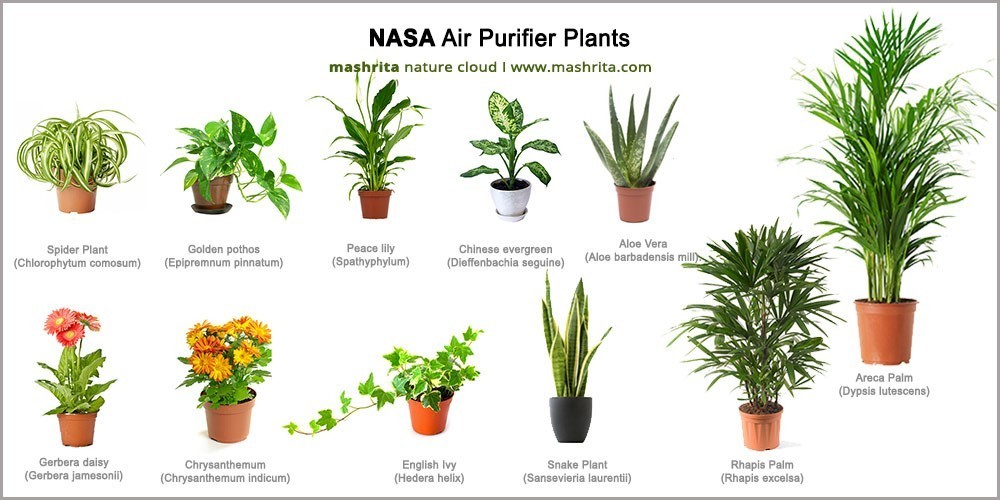
The plant that is often cited as one of the best for air purification is the Spider Plant (Chlorophytum comosum). Known for its ability to remove various toxins from indoor air, the Spider Plant is particularly effective against formaldehyde, xylene, and toluene. It is also a favorite among houseplant enthusiasts due to its aesthetic appeal and resilience.
Benefits of the Spider Plant for Air Purification
The Spider Plant offers numerous benefits regarding air purification. Its foliage efficiently absorbs pollutants, making it an excellent choice for improving indoor air quality.
- Toxin Removal: Removes formaldehyde, xylene, and toluene effectively.
- Oxygen Production: Increases oxygen levels in the environment.
- Humidity Regulation: Helps maintain indoor humidity levels.
Care Requirements
To ensure the Spider Plant thrives and continues to purify the air, proper care is necessary. This includes attention to light, water, and soil conditions.
See also:
- Light: Prefers indirect sunlight; direct sun can scorch its leaves.
- Watering: Water when the top inch of soil feels dry; avoid overwatering.
- Soil: Use well-draining potting soil for optimal growth.
Other Effective Air-Purifying Plants
While the Spider Plant is excellent for air purification, several other plants also contribute significantly to improving indoor air quality.
- Peace Lily: Known for its ability to remove ammonia and benzene.
- Snake Plant: Effective in filtering formaldehyde and is easy to care for.
- Bamboo Palm: Great for humidifying the air and removing indoor toxins.
How to Optimize Air Purification
Optimizing the air purification potential of plants involves strategic placement and care practices that enhance their effectiveness.
- Placement: Position plants in areas with good airflow to maximize their benefits.
- Quantity: Having multiple plants can enhance air quality significantly.
- Regular Maintenance: Dust leaves regularly for better photosynthesis and air purification.
Scientific Studies on Air-Purifying Plants
Several scientific studies have supported the efficacy of air-purifying plants in reducing indoor air pollution and promoting health.
- NASA Clean Air Study: Identified several plants, including the Spider Plant, as effective air purifiers.
- Filter Efficiency: Research shows plants can reduce airborne toxins by up to 87% over 24 hours.
- Health Benefits: Studies indicate improved indoor air quality can lead to reduced respiratory issues.
What plant works as an air purifier?

The following plants are known to function as effective air purifiers, helping to improve indoor air quality by filtering out harmful pollutants and toxins. Among the most notable air-purifying plants are:
1. Spider Plant (Chlorophytumcomosum)
2. Peace Lily (Spathiphyllum)
3. Boston Fern (Nephrolepis exaltata)
4. Areca Palm (Dypsis lutescens)
5. Rubber Plant (Ficus elastica)
Common Air Purifying Plants
These plants are widely recognized for their ability to cleanse the air effectively. Here is a list of common air-purifying plants:
- Spider Plant: A resilient plant that can thrive in various conditions.
- Peace Lily: Known for its beautiful white flowers and air-purifying capabilities.
- Boston Fern: A lush plant that prefers humidity and can remove formaldehyde.
Benefits of Using Air-Purifying Plants
The advantages of incorporating air-purifying plants into your living space include improved air quality and enhanced aesthetic appeal. Some benefits are:
- Reduction of Indoor Pollutants: These plants can absorb harmful chemicals.
- Increased Humidity: Plants release moisture, which can help maintain a comfortable humidity level.
- Enhanced Mood and Productivity: Greenery can improve focus and reduce stress levels.
Care Tips for Air Purifying Plants
To maximize their air-purifying abilities, it is essential to properly care for these plants. Key care tips include:
- Proper Watering: Avoid overwatering to prevent root rot.
- Appropriate Lighting: Ensure each plant receives the right amount of sunlight.
- Regular Pruning: Remove dead leaves to encourage healthy growth.
Research on Air Purifying Plants
Numerous studies have been conducted on the effectiveness of plants in purifying the air. Highlights from the research indicate:
- NASA Clean Air Study: A landmark study that identified numerous plants with air-purifying properties.
- Reduction of VOCs: Research shows that certain plants can significantly reduce volatile organic compounds.
- Long-Term Benefits: Continuous exposure to these plants can lead to sustained improvements in air quality.
Best Locations for Air Purifying Plants
Location is crucial for maximizing the benefits of air-purifying plants. Here are some recommended placements:
See also:
- Living Rooms: Place plants near seating areas for enhanced air quality.
- Bedrooms: Consider night-blooming plants to improve air quality while you sleep.
- Home Offices: Keeping plants nearby can help improve focus and reduce fatigue.
What plant is NASA recommend for air purifiers?
NASA recommends several plants for air purifiers, and one of the most notable among them is the Spider Plant (Chlorophytum comosum). This resilient houseplant is known for its ability to filter indoor air pollutants effectively. The Spider Plant can help reduce common toxins such as formaldehyde, xylene, and toluene, making it an excellent choice for improving indoor air quality.
Benefits of the Spider Plant
The Spider Plant offers multiple benefits that contribute to its popularity as an air-purifying houseplant.
- Toxin Removal: It efficiently removes various indoor air pollutants.
- Low Maintenance: Requires minimal care, making it suitable for beginners.
- Indoor Climate Improvement: Contributes to a healthier indoor environment.
Plant Care Tips
To ensure that your Spider Plant thrives and continues to purify the air, proper care is essential.
- Light Requirements: Prefers indirect sunlight but can adapt to lower light conditions.
- Watering: Allow the soil to dry slightly between waterings to prevent root rot.
- Fertilizing: Use a balanced liquid fertilizer during the growing season for optimal growth.
Other Recommended Plants by NASA
In addition to the Spider Plant, NASA’s research highlights several other plants known for their air-purifying capabilities.
- Pothos: Effective against formaldehyde, benzene, and xylene.
- Peace Lily: Great at removing ammonia and other airborne toxins.
- Rubber Plant: Known for its ability to filter out harmful chemicals from the air.
Health Benefits of Indoor Plants
Incorporating the Spider Plant and other air-purifying plants into your living space provides various health benefits.
- Allergy Reduction: Helps minimize allergens in the air.
- Stress Reduction: Studies suggest that plants can help reduce stress levels.
- Increased Productivity: Having plants in your workspace can lead to improved focus and productivity.
How to Incorporate Plants in Home Décor
Integrating the Spider Plant and other air-purifying plants into your home décor can enhance both aesthetics and air quality.
- Hanging Planters: Use hanging planters for a visually stunning display.
- Shelves: Place them on shelves to create depth and interest.
- Table Centerpieces: Use plants as striking centerpieces on dining or coffee tables.
Questions from Our Readers
What are the best plants for purifying air?
Some of the best plants for purifying air include the Spider Plant, Snake Plant, Peace Lily, and Pothos. These plants are known for their ability to filter out harmful toxins such as formaldehyde, benzene, and carbon monoxide, effectively improving the air quality in your home.
How do indoor plants purify air?
Indoor plants purify air through a process called phytoremediation, where they absorb pollutants and carbon dioxide, releasing oxygen in return. They utilize their leaves and roots to filter and degrade harmful substances, creating a healthier indoor environment.
Are there any specific benefits of using plants for air purification?
Using plants for air purification not only enhances air quality by removing toxins, but also increases humidity and reduces stress levels. Additionally, having greenery indoors can boost mood and improve overall well-being, making your living space more inviting.
How many plants do I need for effective air purification?
To achieve effective air purification, it is generally recommended to have at least one plant per 100 square feet of space. However, having more plants can significantly enhance air quality and contribute to a healthier indoor atmosphere.
See also:

If you want to read more articles like What Plants Purify Air? Discover the Best Air-Cleaning Plants for Your Home, we recommend you check out our Plants category.
Leave a Reply
Related Articles