Can Plants Recover from Being Leggy? Tips for Reviving Your Stretching Greenery

Leggy plants can be a common frustration for gardeners, often resulting from inadequate light, improper watering, or overcrowding. When stems elongate and leaves become sparse, it signals that your greenery is stretching for better conditions. Fortunately, many plants have the ability to recover and thrive once the right measures are taken. In this article, we’ll explore effective tips for reviving your leggy plants, helping them regain their lush, healthy appearance. Whether you’re dealing with houseplants or garden varieties, understanding how to correct leggy growth can transform your greenery into a thriving, vibrant display.
Can Plants Recover from Being Leggy?
Yes, plants can recover from being leggy, a condition characterized by elongated stems and sparse leaves due to insufficient light. To aid recovery, it's essential to address the underlying causes, such as increasing the amount of light exposure, adjusting watering habits, and ensuring proper nutrition. Pruning the leggy growth can also stimulate new, bushier growth. Over time, with proper care and attention, leggy plants can regain their healthy shape and aesthetic appeal.
Understanding Legginess in Plants
Legginess occurs when plants stretch toward a light source, resulting in long, weak stems and minimal leaf development. This phenomenon typically arises in low light conditions, causing the plant to compete for more light. The lack of adequate light not only impacts growth patterns but can also weaken the plant's overall structure, making it more susceptible to diseases and stress.
Methods to Help Leggy Plants Recover
To help leggy plants recover, you can start by increasing their light exposure. Moving them closer to a window, rotating them regularly, or supplementing with grow lights can make a significant difference. Additionally, regular pruning of leggy stems encourages a fuller shape by promoting growth at the base of the plant. It's crucial not to overwater during recovery since stressed roots can exacerbate the issue.
Adjusting Care for Leggy Plants
Adjusting care techniques focuses on providing the best conditions for recovery. Ensuring adequate water and nutrients can help strengthen the plant. Monitoring soil moisture is vital, as both overwatering and underwatering can stress the plant further. Fertilizing with a balanced, slow-release fertilizer can also support healthy growth and restore vigor to leggy plants.
The Role of Pruning in Recovery
Pruning is a critical aspect of helping leggy plants regain their healthy shape. By trimming the elongated stems back to a point where healthy leaves are present, you can encourage lateral growth. This practice not only promotes a bushier appearance but also redirects the plant's energy toward producing new growth rather than sustaining long, weak stems. Always ensure that your pruning tools are clean to prevent potential infections.
Preventing Future Legginess
Preventing future legginess involves ensuring that plants receive adequate light, proper spacing, and suitable growth conditions from the beginning. Regularly assessing light levels and adjusting plant placements accordingly is essential. Additionally, rotating plants periodically can ensure that all sides receive equal light exposure, promoting a more balanced growth pattern. Utilizing appropriate pot sizes can also minimize overcrowding and encourage healthier growth habits.
| Aspect | Details |
|---|---|
| Light Requirements | Ensure optimal exposure to prevent legginess. |
| Pruning | Encourages healthier, bushier growth. |
| Watering | Maintain balanced soil moisture for recovery. |
| Nutrient Management | Use balanced fertilizers to support growth. |
| Plant Rotation | Rotate plants for even light distribution. |
Should I trim leggy plants?
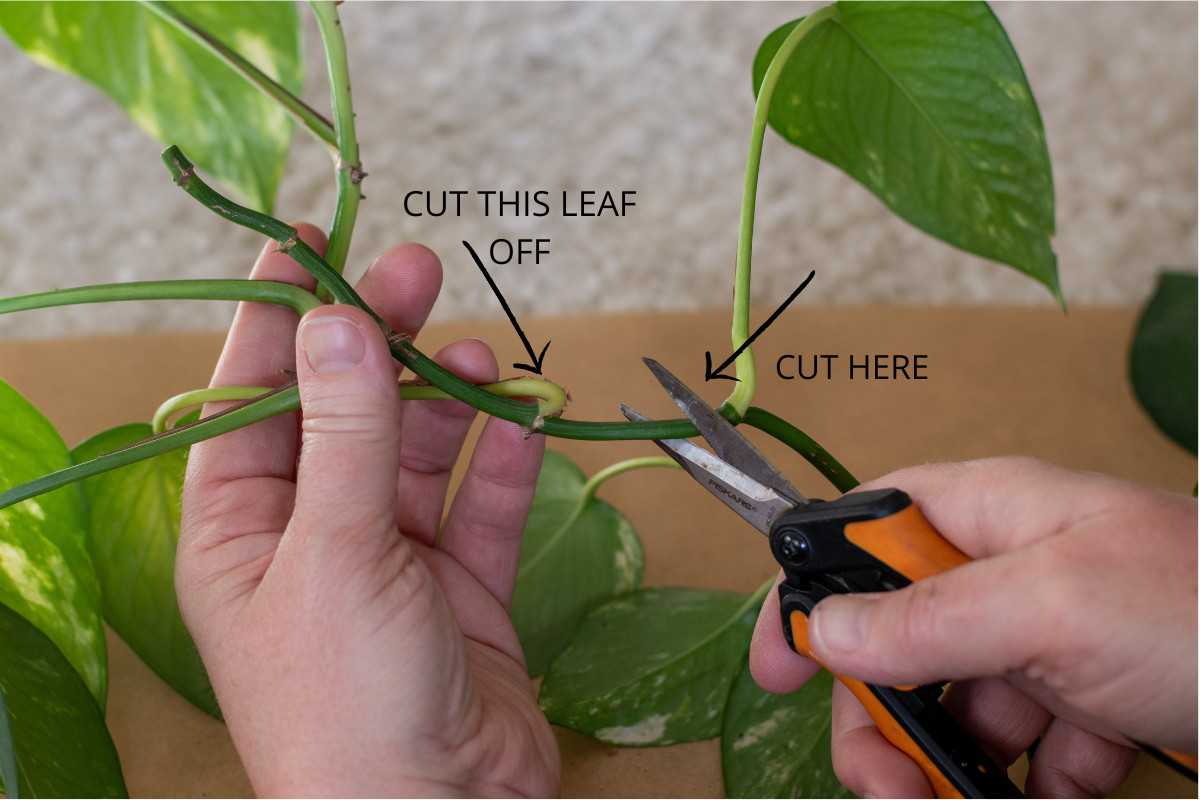
Trimming leggy plants can significantly improve their health and appearance. Leggy plants, which are characterized by elongated stems and sparse foliage, often indicate inadequate light, overwatering, or improper care. By trimming these plants, you can encourage bushier growth, enhance their aesthetic appeal, and help them thrive.
What Does it Mean for a Plant to Be Leggy?
A leggy plant has elongated stems with leaves concentrated at the top, creating an unbalanced, stretched appearance. This condition typically arises from insufficient light exposure, causing the plant to grow taller in search of sunlight. Understanding the signs of a leggy plant is the first step in determining whether to trim it.
See also:
- Stretched stems with minimal foliage
- Leaves predominantly at the top of the stem
- General weak or unstable structure
Benefits of Trimming Leggy Plants
Trimming leggy plants comes with several benefits. This practice not only improves the overall appearance of the plant but also promotes healthier growth by encouraging bushiness and denser foliage. Regular maintenance can prevent the plant from becoming too tall and unmanageable.
- Encourages growth of side branches
- Enhances aesthetic appeal
- Improves overall plant health
How to Trim Leggy Plants Properly
When trimming leggy plants, it’s essential to use the right techniques to avoid stress and damage. Begin by identifying the areas that need trimming, and use sharp, clean scissors to make precise cuts. Trim above a node to encourage new growth from that point.
- Identify leggy parts and decide how much to trim
- Use sterilized scissors for clean cuts
- Trim just above a node to promote regrowth
When is the Best Time to Trim Leggy Plants?
The ideal time to trim leggy plants varies depending on the species. Generally, the best time to trim is during the growing season (spring or early summer) when the plant is actively producing new growth. Avoid trimming during dormancy, as this can hinder recovery.
- Late winter to early spring for most species
- After any flowering period is completed
- When new growth appears, indicating active growth
Post-Trimming Care for Leggy Plants
After trimming leggy plants, it is crucial to provide proper care to facilitate recovery and promote new growth. Ensure the plant receives adequate light, proper watering, and nutrients to support its rejuvenation process.
- Provide sufficient light to encourage bushiness
- Water appropriately to avoid stress
- Fertilize if necessary to promote growth
Can you bury leggy stems?

Yes, you can bury leggy stems when propagating plants, especially those that are prone to growing tall and spindly due to insufficient light. This technique is particularly useful for plants like tomatoes, petunias, and some herbs. When you bury the leggy stems, it encourages the development of additional roots along the buried stem, leading to a stronger and healthier plant.
Why Do Plants Get Leggy?
Legginess in plants often occurs due to insufficient light. When plants do not receive enough sunlight, they stretch toward light sources, resulting in elongated stems and sparse foliage. Additionally, overcrowded conditions or poor nutrition can exacerbate this problem. Key points include:
- Insufficient Light: Plants stretch to reach light, causing elongated stems.
- Poor Soil Quality: Lack of nutrients can weaken plants, leading to legginess.
- Overcrowding: Competing for light and resources can result in spindly growth.
How to Bury Leggy Stems
Burying leggy stems is a simple process that can greatly benefit your plant. Start by preparing a well-draining soil mix. When you bury the leggy stem, ensure that at least a few nodes (the points from where leaves grow) are covered with soil. These nodes will develop into roots. Helpful steps include:
- Choose a Healthy Stem: Select a leggy stem that is still green and healthy.
- Plant at an Angle: Bury the stem at a slight angle to maximize contact with soil.
- Water Gently: After planting, water the area to settle the soil around the buried stem.
Caring for Buryed Leggy Stems
Once you have buried the leggy stems, it is crucial to provide proper care to ensure successful rooting. This includes maintaining consistent moisture levels and providing adequate light. Important care tips:
- Water Regularly: Keep the soil moist but not soggy; consistent moisture promotes root growth.
- Monitor for Pests: Check for any signs of damage from pests that may affect new growth.
- Provide Indirect Sunlight: Position the plant where it can receive filtered light without harsh conditions.
Benefits of Burying Leggy Stems
Burying leggy stems can result in a range of advantages, such as enhanced root development and an overall healthier plant structure. Several benefits include:
See also:
- Improved Stability: A well-rooted plant is less likely to topple over due to wind or weight.
- Increased Growth: More roots lead to better nutrient uptake, promoting vigorous growth.
- Reduced Legginess: This technique helps maintain a bushier appearance, reducing the spindly look.
Common Mistakes When Burying Leggy Stems
There are common mistakes to avoid when burying leggy stems that can hinder plant recovery. Awareness of these pitfalls can ensure better outcomes. Consider the following:
- Overwatering: Too much water can lead to rot; ensure good drainage.
- Burying Too Deep: Excessive burial may suffocate the stem; cover nodes only.
- Neglecting Light Needs: After burying, plants still require adequate light to thrive.
How to fix a leggy inch plant?

To fix a leggy inch plant, also known as Tradescantia zebrina or Wandering Jew, you can adopt several strategies to promote bushier growth and enhance its overall health. Legginess often occurs due to insufficient light, causing the plant to stretch towards the light source. Here are actionable steps to correct this issue:
Assess Light Conditions
Ensuring that your inch plant receives adequate light is crucial for its growth. Leggy growth typically indicates that the plant is not getting enough sunlight. Here’s what to do:
- Place your plant in a location with bright, indirect light.
- If natural light is scarce, consider using a grow light for 12-14 hours a day.
- Rotate the plant periodically to ensure even light distribution and prevent one-sided growth.
Prune the Plant Regularly
Regular pruning helps to control the leggy appearance of your inch plant and encourages new growth. Follow these steps to prune effectively:
- Use clean, sharp scissors or pruning shears to cut back leggy stems.
- Trim above a leaf node to encourage branching and fuller growth.
- Dispose of any dead or yellowing leaves to promote overall plant health.
Repotting for Better Growth
Sometimes, a leggy inch plant requires repotting to provide fresh soil and space for growth. Here’s how to do it:
- Choose a pot that is slightly larger than the current one, with drainage holes.
- Use a well-draining potting mix, ideally one designed for houseplants.
- Gently remove the plant from its current pot and place it in the new pot, ensuring the roots are spread out properly.
Watering Practices
Proper watering techniques are essential for the health of your inch plant. Both overwatering and underwatering can cause stress, leading to leggy growth. To manage this, consider:
- Water only when the top inch of the soil feels dry to the touch.
- Ensure that excess water can drain out to prevent root rot.
- Use filtered or room temperature water, as cold water can shock the plant.
Fertilizing for Nutrient Boost
Providing your inch plant with the right nutrients can help to promote bushy growth and prevent legginess. Here’s how to fertilize effectively:
- Feed the plant with a balanced, water-soluble fertilizer every 4-6 weeks during the growing season.
- Consider using a diluted liquid fertilizer to avoid over-fertilization.
- Avoid fertilizing during the winter months when the plant is not actively growing.
Questions from Our Readers
Can plants recover from being leggy?
Yes, plants can recover from being leggy, but it often depends on the plant species and the care provided afterward. Proper light conditions and pruning can help the plant regain its vigor.
What causes a plant to become leggy?
A plant becomes leggy primarily due to insufficient light, which causes it to stretch towards the light source. Other factors, such as over-fertilization or inadequate spacing, can also contribute to legginess.
See also:
How can I prevent my plants from becoming leggy?
To prevent legginess, ensure your plants receive adequate light, either by placing them near a window or using grow lights. Additionally, regular pruning can help encourage more compact growth.
Is it necessary to cut back leggy plants?
Cutting back leggy plants is often beneficial, as it encourages denser growth and helps the plant regain its shape. However, always assess the plant's health before making any drastic cuts.

If you want to read more articles like Can Plants Recover from Being Leggy? Tips for Reviving Your Stretching Greenery, we recommend you check out our Plants category.
Leave a Reply
Related Articles