What Temperature Is Too Hot for Plants in a Greenhouse? Essential Tips for Optimal Plant Care
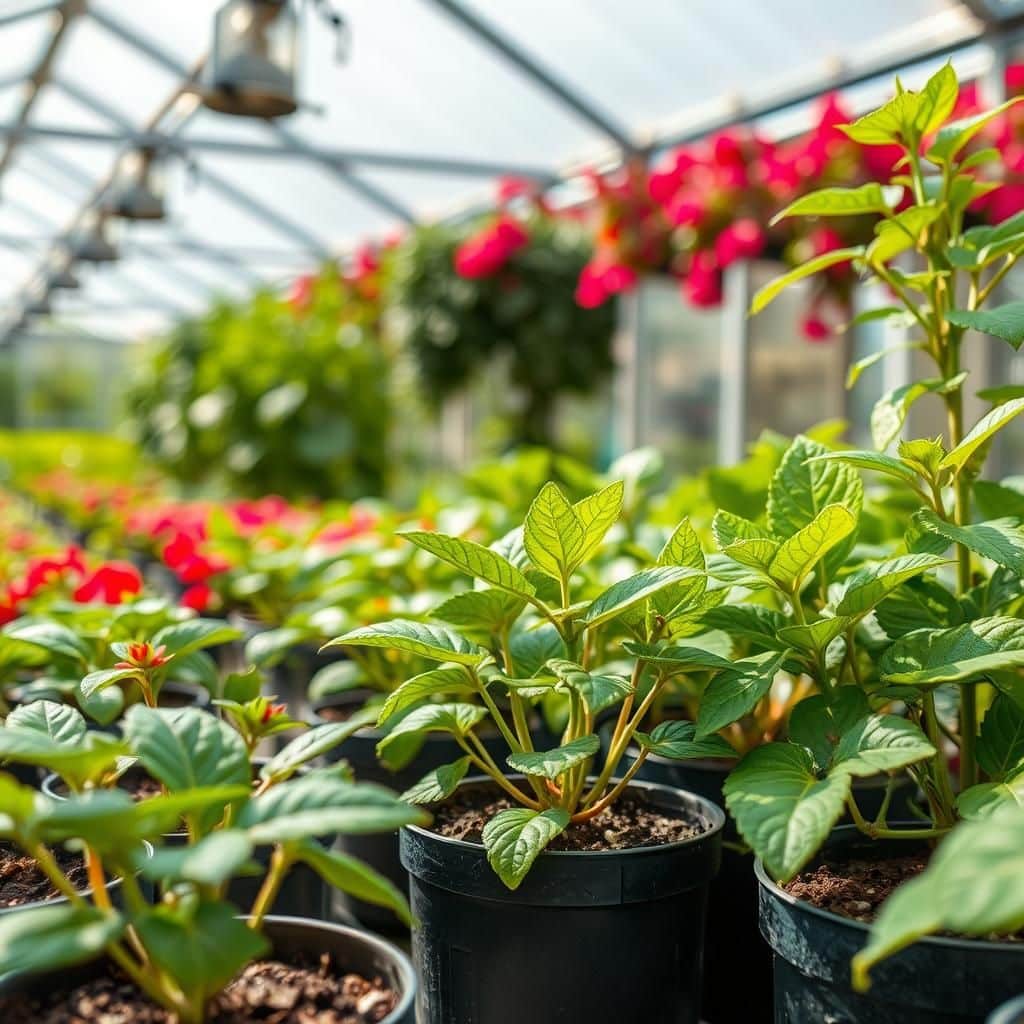
Maintaining an optimal temperature in a greenhouse is crucial for the health and productivity of plants. While many plants thrive in warm environments, there comes a point when excessive heat can stress them, leading to wilting, stunted growth, or even mortality. Understanding the specific temperature thresholds for different plant species is essential for greenhouse gardeners. This article delves into what temperature is considered too hot for greenhouse plants and offers essential tips for keeping your indoor garden thriving. By implementing effective temperature management strategies, you can create the ideal environment for your plants to flourish.
What Temperature is Too Hot for Plants in a Greenhouse?
In a greenhouse, maintaining an optimal temperature is crucial for plant health and productivity. Generally, temperatures exceeding 90°F (32°C) can become detrimental to many common greenhouse plants, as they may experience heat stress, leading to wilting, sunburn, or even death if not properly managed. It's vital to monitor humidity levels as well, as high temperatures combined with high humidity can exacerbate plant stress and promote the growth of harmful pests and diseases. To safeguard plants, greenhouse growers should implement cooling strategies such as shading, ventilation, and automated climate control systems to ensure that temperatures remain within suitable limits for healthy plant growth.
Signs of Heat Stress in Plants
Plants experiencing heat stress may exhibit various symptoms that signal their discomfort due to high temperatures. Common indicators include drooping leaves, leaf scorch, or browning edges, which can occur when the plant's transpiration process is disrupted. Additionally, excessive heat may stunt growth and reduce flowering or fruiting, severely impacting overall yield. Monitoring these signs is essential for greenhouse owners to make timely adjustments to their environment.
Optimal Temperature Ranges for Common Greenhouse Plants
Different plants have unique temperature requirements for optimal growth. Cool-season crops, such as lettuce and spinach, thrive at temperatures between 60°F to 75°F (15°C to 24°C), while warm-season crops like tomatoes and peppers prefer ranges from 70°F to 85°F (21°C to 29°C). Understanding these preferred temperature ranges ensures that greenhouse growers can successfully cultivate various plant types throughout the year.
Cooling Strategies for Greenhouses
Maintaining an ideal temperature within a greenhouse often requires careful consideration of cooling strategies. These may include shading systems, evaporative coolers, or even strategic placement of fans to enhance ventilation. Effective use of thermal screens or reflective materials can also help mitigate heat buildup during the hottest parts of the day, ensuring a more stable growing environment for plants.
See also:
Impact of Humidity on Temperature Management
Humidity plays a critical role in managing temperature inside a greenhouse. High humidity levels can intensify the effects of elevated temperatures, making plants feel even hotter and increasing their susceptibility to diseases and pests. Therefore, maintaining an adequate balance of humidity can facilitate effective transpiration and overall plant health, making it easier for growers to manage the internal environment effectively.
Using Technology to Monitor Greenhouse Conditions
Investing in modern technology can significantly enhance a grower's ability to monitor conditions within the greenhouse. Climate control systems equipped with thermostats, hygrometers, and automated ventilation controls can provide real-time data on temperature and humidity levels. Utilizing these advanced tools helps growers make informed decisions, ensuring that plants remain within their optimal temperature range, ultimately leading to healthier and more productive crops.
| Plant Type | Optimal Temperature Range (°F) | Signs of Heat Stress |
|---|---|---|
| Cool-Season Crops | 60°F - 75°F | Drooping leaves, leaf scorch |
| Warm-Season Crops | 70°F - 85°F | Browning edges, stunted growth |
Understanding the Ideal Temperature Ranges for Greenhouse Plants
Maintaining the right temperature inside a greenhouse is crucial for the health and growth of plants. While different species have varying tolerances, most plants thrive best in temperatures ranging from 65°F to 75°F (18°C to 24°C) during the day and slightly cooler at night. When temperatures exceed this range, it can lead to stress, dehydration, and even damage to the plants. It's essential for greenhouse owners to monitor and manage temperature fluctuations using ventilation, shading, and heating systems to ensure an optimal growing environment.
Signs of Heat Stress in Plants
Plants experiencing heat stress often display visible symptoms such as wilting, leaf scorch, and stunted growth. These signs indicate that the plant's transpiration processes are disrupted due to elevated temperatures. Leaves may curl or change color, and in severe cases, flowers can drop prematurely, leading to reduced yields. Understanding these symptoms allows growers to take timely action, such as increasing humidity levels or improving air circulation.
Effects of High Temperatures on Photosynthesis
High temperatures can significantly impact the process of photosynthesis in plants. When the temperature exceeds the optimal range, the rate of photosynthesis can decline as stomata may close to conserve water, limiting carbon dioxide intake. This directly affects the plant's ability to produce energy and can lead to reduced overall growth and productivity. Maintaining a consistent temperature helps to support this critical process.
See also:
Optimal Ventilation Strategies for Greenhouses
Proper ventilation is vital for regulating temperature in a greenhouse. Implementing strategies such as roof vents, side vents, and exhaust fans can greatly improve air flow and prevent the buildup of heat. During hot summer months, it is essential to regularly open vents and use fans to circulate air effectively. Additionally, using shade cloths can provide protection against extreme heat while still allowing adequate light penetration for the plants.
Choosing the Right Plants for High-Temperature Environments
Selecting heat-tolerant plants is crucial when planning a greenhouse garden in a region prone to high temperatures. Certain plants such as succulents, cacti, and various tropical species are more adapted to withstand extreme heat conditions. Knowledge of the specific temperature needs and tolerance levels of different plants allows gardeners to optimize their selections for a thriving greenhouse environment, especially during warmer months.
Using Cooling Techniques to Lower Greenhouse Temperatures
Employing various cooling techniques can help maintain a suitable temperature for plants in a greenhouse. Options such as misting systems, evaporative coolers, and strategic shading can lower the internal temperature significantly. Implementing a combination of these methods ensures that the greenhouse remains conducive to plant growth, even in sweltering conditions. Regular monitoring and adjustments are necessary to maintain the desired climate for optimal plant development.
Questions from Our Readers
What temperature is considered too hot for plants in a greenhouse?
In general, temperatures above 85°F (29°C) can be considered too hot for many plants in a greenhouse. Prolonged exposure to such high temperatures can lead to heat stress, causing damage to plants or even death if not properly managed.
How can you cool down a greenhouse when temperatures rise?
To cool down a greenhouse, you can implement several strategies such as installing ventilation systems, using shading materials, and incorporating evaporative cooling techniques. These methods help maintain a more stable climate for the plants by reducing excessive heat build-up.
See also:
What are the signs of heat stress in greenhouse plants?
Signs of heat stress in greenhouse plants include wilting, leaf burn, sun scald, and stunted growth. If you observe these symptoms, it is crucial to address the temperature issue promptly to protect your plants from further damage.
Which plants are more sensitive to high temperatures in a greenhouse?
Certain plants, such as ferns, delicate orchids, and many tropicals, tend to be more sensitive to high temperatures in a greenhouse. It's important to monitor these plants closely and provide appropriate conditions to help them thrive without succumbing to heat stress.

If you want to read more articles like What Temperature Is Too Hot for Plants in a Greenhouse? Essential Tips for Optimal Plant Care, we recommend you check out our Plants category.
Leave a Reply
Related Articles