What is the best thing to cover plants with during a freeze? Essential Tips for Winter Plant Protection

As winter approaches, the threat of freezing temperatures can pose significant risks to your beloved plants. Protecting your garden or outdoor greenery from frost damage is crucial for ensuring their health and longevity. In this article, we will explore the best materials to cover plants during a freeze, along with essential tips for effective winter plant protection. From frost cloths to other innovative solutions, you’ll discover how to safeguard your plants against the harsh elements while maximizing their survival chances. Get ready to equip yourself with the knowledge needed to keep your garden thriving through the cold months.
What Is the Best Thing to Cover Plants With During a Freeze?
When faced with the threat of frost or freezing temperatures, protecting your plants is crucial to ensure their survival. One of the best materials to cover plants is fleece or fabric specifically designed for frost protection. These materials act as insulators, trapping heat from the soil and preventing frost from settling directly on the leaves and stems. Additionally, they allow for sunlight and moisture penetration, which is beneficial for the plants. Other effective options include plastic sheeting, which can provide an additional layer of warmth, but must be removed during the day to prevent overheating. Ultimately, the choice of covering depends on the specific plants and the severity of the freeze expected.
Fleece or Fabric Covers
Using fleece or fabric covers is an effective way to protect plants during a freeze because they are lightweight and easy to drape over your plants. These materials are breathable, allowing for moisture and air to circulate, which helps minimize the risk of suffocating your plants while still providing an essential layer of insulation. For best results, ensure that the fabric extends all the way to the ground to trap warmth effectively and secure the edges to prevent the cover from blowing away.
Plastic Sheeting
Plastic sheets can be beneficial for protecting plants during freezing temperatures, as they create a barrier that retains heat. However, it is essential to use caution when applying plastic since it does not allow for airflow. To avoid overheating, remove the plastic covers during the day when temperatures rise. Also, ensure the plants are adequately covered at night and secured against the wind to maintain warmth.
Mulch as Insulation
Applying a layer of organic mulch, such as straw or wood chips, around the base of your plants can offer additional insulation during a freeze. Mulch helps moderate soil temperature, keeping roots warm and protecting against the cold. A thick layer of mulch not only insulates but also retains moisture, which can be vital for plant health during dry, cold conditions.
Row Covers
Row covers are lightweight materials designed for agricultural use, offering a versatile solution for protecting plants from frost. They provide frost protection while also allowing sunlight and rain to permeate. Available in various thicknesses, row covers can be used effectively for a range of plants, making them a popular choice for both garden and farm settings.
Hot Caps and Cloches
Hot caps and cloches are small protective structures that provide a greenhouse effect for individual plants, helping them stay warm during cold nights. Made from materials like plastic or glass, these devices trap warmth around the plant and are particularly beneficial for seedlings or tender young plants. They are lightweight and can be easily removed during the day to prevent excess heat from building up.
| Material | Benefits | Considerations |
|---|---|---|
| Fleece | Lightweight, breathable, effective insulation | Must be secured against wind |
| Plastic Sheeting | Creates a heat-retaining barrier | Risk of overheating; needs daily removal |
| Organic Mulch | Helps moderate soil temperature | Needs to be thick enough for proper insulation |
| Row Covers | Versatile, allows sunlight and rain | May require additional supports in strong winds |
| Hot Caps/Cloches | Provides local greenhouse effect | Best for individual plants, can be cumbersome |
Is it better to cover plants with plastic or cloth?

When it comes to protecting plants from harsh weather conditions, gardeners often face the choice between using plastic or cloth coverings. Each material has distinct advantages and disadvantages, which can impact plant health and growth.
Protection from Frost
Using coverings to shield plants from frost can be crucial during cold months. Both plastic and cloth offer protection, but they differ in effectiveness.
- Plastic can create a greenhouse effect, trapping heat underneath, which may keep plants warmer during frost.
- Cloth, such as frost cloth or burlap, allows for better air circulation, preventing moisture build-up that can lead to mold.
- In terms of cost and availability, plastic is often cheaper and easier to use for quick coverage during unexpected freezes.
Light Penetration
Light is critical for plant development, and the choice of covering can affect how much light reaches the plants.
- Plastic covers can limit light penetration, especially if they are opaque, potentially hindering photosynthesis.
- Cloth tends to diffuse light, providing a gentler illumination that can promote healthy growth.
- Choosing a lightweight, breathable fabric can ensure that plants receive sufficient light while being protected from harsh weather.
Temperature Regulation
Maintaining consistent temperatures is vital for plant health, and different coverings can impact temperature control.
- Plastic can significantly raise temperatures on sunny days, which may be beneficial in cooler climates but can risk overheating delicate plants.
- Cloth offers a more stable temperature range, reducing extreme fluctuations and protecting plants during unexpected weather changes.
- For regions with variable weather, using cloth can balance warmth without the risk of overheating.
Moisture Control
Proper moisture levels are essential for plant survival, and the material used can influence how moisture is retained or lost.
See also:
- Plastic covers can trap moisture, leading to potential overwatering and disease buildup.
- Cloth coverings allow for moisture evaporation while still protecting plants from excessive rain or frost.
- Choosing the right covering can help maintain an optimal moisture level, which is critical for healthy plant growth.
Durability and Longevity
The lifespan and durability of the covering material can significantly affect its effectiveness over time.
- Plastic can deteriorate quickly under sunlight, leading to cracks and tears that compromise protection.
- Cloth coverings tend to be more resilient against weather conditions, but the quality can greatly influence their durability.
- Investing in high-quality fabrics can provide long-term benefits, ensuring ongoing protection throughout the seasons.
What can I use to cover my plants during a freeze?

To protect your plants during a freeze, it is essential to cover them with materials that provide insulation and prevent frost damage. Here are some effective options you can use:
Blankets and Cloth Covers
Using blankets or cloth covers is one of the most popular methods for protecting plants from frost. These materials help trap heat and promote insulation.
- Old blankets: Use any old blankets you have at home. They can easily be draped over the plants and secured if it is windy.
- Fabric sheets: Lightweight fabric sheets or tarps can be used to cover smaller plants, providing a simple solution.
- Fleece covers: Consider investing in fleece plant covers specifically designed for frost protection, offering better insulation.
Plastic Sheeting
Plastic sheeting is another effective option for covering plants during a freeze. It can create a greenhouse effect, helping to retain heat.
- Clear plastic tarps: These allow sunlight to penetrate while keeping the warmth inside, making them ideal for daytime heat retention.
- Plastic row covers: These are designed to be lightweight and can be placed directly over plants without harming them.
- Using stakes: Create a tent-like structure with stakes to keep the plastic off the plants and provide airflow.
Mulch and Straw
Applying a thick layer of mulch or straw around the base of plants can help insulate their roots and keep them warmer during freezing temperatures.
- Organic mulch: Materials like wood chips or shredded leaves can effectively trap heat in the soil, providing insulation.
- Straw bales: Surrounding plants with bales of straw can create an effective barrier against the cold.
- Thickness: Ensure that the mulch layer is at least 3-4 inches thick for optimal warmth retention.
Hot Caps and Plant Covers
Hot caps are specially designed coverings that provide insulation for individual plants, particularly seedlings or tender plants.
- Commercial hot caps: These are available in garden centers and provide excellent protection from frost.
- DIY options: Use plastic bottles or cut-off milk jugs to create mini-greenhouses around your plants.
- Ventilation: Remember to remove these covers during the day when temperatures rise to prevent overheating.
Heating Sources
In extremely cold conditions, combining coverings with supplemental heating sources can further safeguard your plants.
- String lights: LED string lights can provide warmth without consuming too much energy, making them suitable for wrapping around plants.
- Heating mats: These can be placed under potted plants to keep the roots warm during freezing nights.
- Water-filled containers: Placing dark containers filled with water around your plants can absorb heat during the day and radiate it at night.
What helps plants survive freezing temperatures?

Plants have developed various strategies and adaptations to survive freezing temperatures, which can be crucial for their survival in cold climates. Here are some key factors that help plants endure freezing conditions:
Cold Acclimation
Cold acclimation is the process where plants adjust to lower temperatures gradually. This involves physiological and biochemical changes that help them prepare for freezing conditions. During this process, plants can increase the production of certain proteins and sugars that act as antifreeze agents.
- Protein synthesis: Plants produce antifreeze proteins that inhibit ice crystal formation.
- Starch conversion: Increased levels of soluble sugars and starch help to lower the freezing point of cellular fluids.
- Cellular structure modification: Changes in cell membranes increase their flexibility and resistance to freeze damage.
Desiccation Tolerance
Desiccation tolerance allows plants to survive extreme dehydration caused by freezing temperatures. This adaptation is essential for maintaining cellular integrity when ice forms within plant tissues.
- Water retention: Plants can retain water in vacuoles, which helps to prevent ice formation inside cells.
- Accumulation of protective compounds: Sugars and proteins that prevent cellular damage are produced when temperatures drop.
- Thickened cell walls: Enhanced rigidity helps resist the physical stress caused by freezing and thawing cycles.
Leaf and Stem Adaptations
Certain structural features of leaves and stems enable plants to withstand cold temperatures without physical damage.
See also:
- Cuticle thickness: A thicker cuticle layer reduces water loss and protects against freezing conditions.
- Leaf orientation: Leaves may orient themselves to minimize ice accumulation and reduce exposure to cold winds.
- Stem flexibility: Flexible stems can bend rather than break when covered with ice or snow, preventing structural damage.
Root Insulation
The survival of plants during freezing temperatures often hinges on the condition of their roots. Roots can be insulated from cold through various mechanisms.
- Soil thermal properties: Soil serves as an insulator and protects roots from extreme cold.
- Deep root systems: Deeply anchored roots can explore warmer soil layers that are less likely to freeze.
- Root adaptations: Some plants develop thicker or more extensive root systems for increased stability and insulation.
Seed Dormancy and Germination Timing
Many plants use seed dormancy as a survival strategy to wait out unfavorable conditions, including freezing temperatures.
- Seed coat thickness: A thicker seed coat provides protection from cold and moisture loss.
- Temperature cueing: Seeds often require specific temperature conditions to break dormancy and germinate, ensuring they sprout at favorable times.
- Adaptive germination strategies: Some seeds can remain dormant until conditions are favorable, effectively timing their germination to avoid freezing temperatures.
Can you use garbage bags to cover plants from frost?
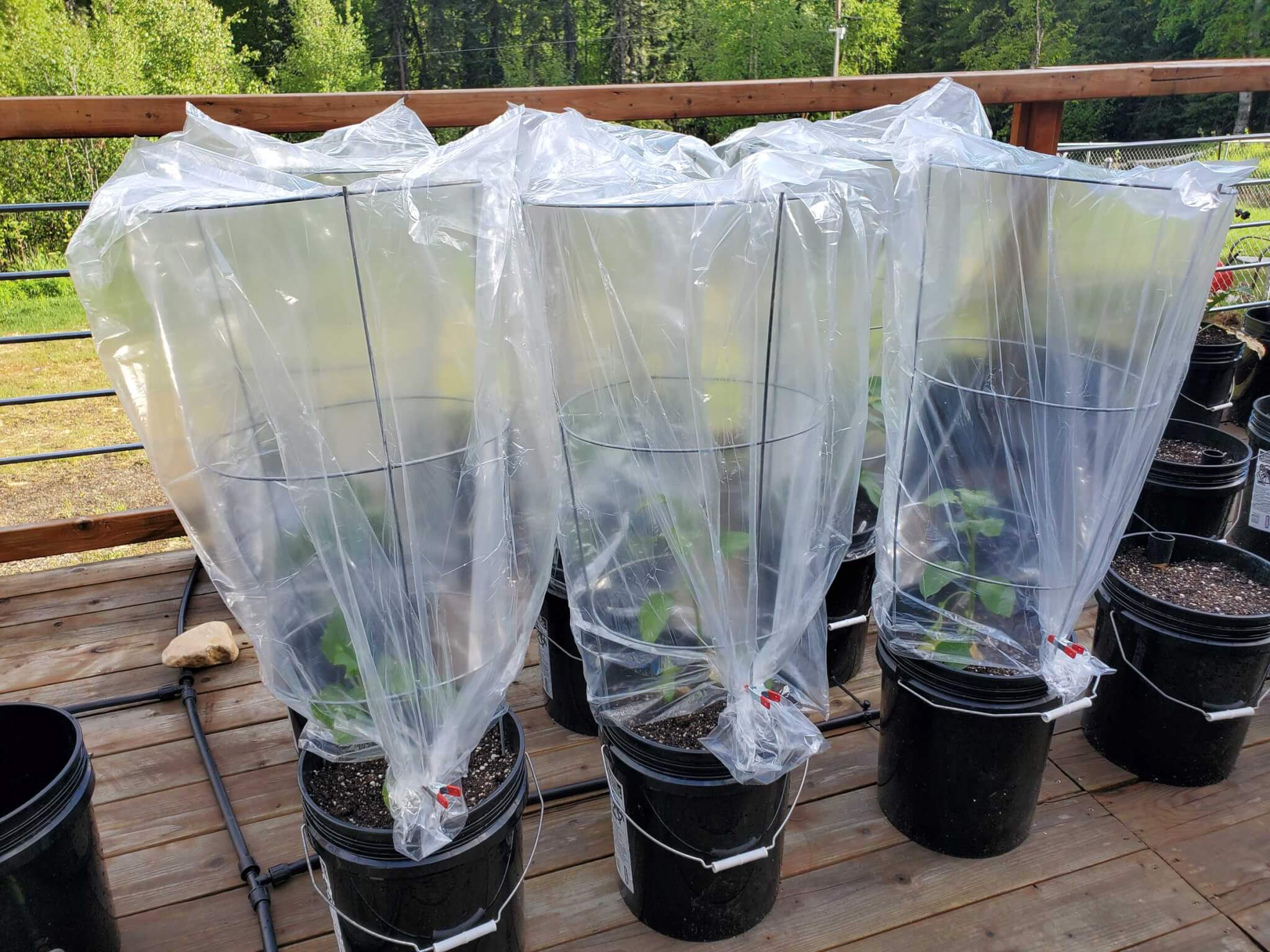
Yes, you can use garbage bags to cover plants from frost, but there are important considerations to keep in mind to avoid damaging your plants. Garbage bags can provide some level of insulation and protection against cold temperatures, especially if the bags are used correctly. Here are some factors to consider when using garbage bags and their effectiveness in frost protection.
Understanding Frost and Its Impact on Plants
Frost forms when the temperature drops below freezing, leading to the formation of ice crystals on plant leaves and stems. This can result in cell damage and ultimately the death of the plant. Understanding how frost affects plants is crucial for determining the best protective measures.
- Cellular Damage: Frost can lead to the freezing of water inside plant cells, causing them to burst.
- Wilting and Browning: Frost-damaged plants may exhibit wilting, browning leaves, and overall poor health.
- Timing of Frost: Knowing when frost is likely can help you prepare your plants in advance.
Benefits of Using Garbage Bags
Garbage bags can be a quick and easy solution for protecting plants from frost under certain conditions. They offer some insulation and can block wind and moisture that can exacerbate cold weather effects.
- Accessibility: Garbage bags are widely available and usually inexpensive.
- Versatile Sizing: They come in different sizes, making it easier to cover various plant types.
- Lightweight: Garbage bags are easy to handle and can be quickly placed over plants.
How to Properly Use Garbage Bags for Plant Protection
Using garbage bags effectively requires some preparation and care to ensure your plants are protected without causing harm. Here are steps to follow:
- Remove Accessories: Remove any plant accessories like pots or chipped paint that could trap heat.
- Loosely Cover: Place the garbage bag over the plant without tightly sealing it, allowing airflow and preventing plant stress.
- Secure the Cover: Use stones or weights to secure the bags without applying pressure directly to the plant.
Potential Risks of Using Garbage Bags
While there are benefits, using garbage bags also has potential downsides. Improper use can lead to more harm than good for your plants.
- Heat Trapping: If sealed too tightly, garbage bags can trap heat and moisture, leading to mold or overheating.
- Material Composition: Some plastics may contain chemicals that can leach into the soil or plant when exposed to sunlight.
- Desiccation: Without air circulation, plants may become dehydrated when covered for prolonged periods.
Alternatives to Garbage Bags for Frost Protection
If you are concerned about the drawbacks of using garbage bags, there are alternative methods for protecting your plants from frost that might be more effective.
- Blankets or Row Covers: Use fabric blankets or specially designed row covers that provide breathability and insulation.
- Cardboard Boxes: Placing cardboard boxes over plants can provide structure and space for air circulation.
- Mulching: Apply mulch around the base of plants to help insulate their roots from freezing temperatures.
Questions from Our Readers
What materials are best for covering plants during a freeze?
To protect your plants during a freeze, cloth covers, such as old blankets or tarps, are ideal because they trap heat. Plastic sheets can also be used, but they should be avoided if directly touching the plants since they can cause frost damage. Ideally, you'll want a cover that allows for some air circulation while still providing insulation.
How should I protect potted plants from freezing temperatures?
Potted plants can easily freeze since their roots are exposed, so be sure to move them indoors when a freeze is expected. If that's not possible, wrap the pots in insulating materials such as bubble wrap or burlap to minimize heat loss and protect the roots from the cold.
Is it necessary to cover all types of plants during a freeze?
Not all plants require coverage during a freeze; however, sensitive plants, such as young seedlings and tropical varieties, should be covered to prevent damage. In contrast, hardy plants like certain perennials or established shrubs may withstand lower temperatures without additional protection.
When should I uncover my plants after a freeze?
You should uncover your plants once the temperatures rise above freezing and there is no risk of further frost. Typically, wait until the sun is out and the temperature is stable for several hours to ensure that any residual moisture from frost has evaporated before removing covers.
See also:
If you want to read more articles like What is the best thing to cover plants with during a freeze? Essential Tips for Winter Plant Protection, we recommend you check out our Plants category.
Leave a Reply
Related Articles