What are the Top 5 Crops? Discover the Most Important Agricultural Products!

Agriculture plays a vital role in sustaining the global population, and understanding the most significant crops can offer insights into food security and economic stability. This article delves into the top five crops that are essential to our diet and livelihood. From staples that form the backbone of many cuisines to innovative crops that drive agricultural advancements, we will explore their importance and impact on various regions. Join us as we uncover these key agricultural products that not only nourish billions but also contribute to the livelihoods of farmers worldwide.
What Are the Top 5 Crops in the World?
The top five crops globally, which are essential for food security and economic stability, include corn, rice, wheat, sugarcane, and soybeans. These crops are cultivated extensively due to their high demand, versatility in various cuisines, and their ability to produce significant yields. Corn serves as a staple food and livestock feed, while rice is a primary food source for over half of the world's population. Wheat plays a crucial role in the diet of many cultures, making it one of the most widely consumed grains. Sugarcane is primarily grown for sugar production and biofuel, whereas soybeans are vital for both their protein-rich beans and as an oil source. Together, these crops account for a significant portion of global agriculture and trade.
Corn: The Versatile Staple
Corn, also known as maize, is a highly versatile crop used for food, animal feed, and industrial products. It is the most produced cereal crop in the world, with the United States being the largest producer. The versatility of corn allows it to be processed into various forms, including cornmeal, corn syrup, and ethanol, making it a vital component of various industries. Additionally, corn's ability to thrive in diverse climates adds to its importance as a global staple.
Rice: The Global Food Source
Rice is one of the top crops primarily grown in Asia, where it serves as the main staple for over 2 billion people. Its high caloric content and adaptability to wet environments make it an excellent food source in densely populated regions. With numerous varieties cultivated, rice plays a crucial role in cultural practices, cuisines, and economies. Countries such as China and India are the largest producers, contributing significantly to the global rice supply.
Wheat: The World’s Dietary Foundation
Wheat is a key crop that provides essential carbohydrates and nutrients to billions of people worldwide. It is primarily grown in temperate regions, with many varieties adapted to different climates. Wheat is foundational for everyday foods like bread, pasta, and pastries, making it indispensable in many diets. Countries such as Russia, the United States, and Canada are major producers, influencing global markets greatly through both consumption and export.
Sugarcane: The Sweet Necessity
Sugarcane is a tropical grass that is predominantly cultivated for its high sucrose content, making it essential for sugar production. Beyond sugar, it is also used to produce ethanol, making it a valuable crop for renewable energy sources. Brazil and India are the leading producers of sugarcane, demonstrating its economic significance in both agriculture and energy sectors. The growing global demand for sugar and biofuels drives the importance of sugarcane cultivation.
Soybeans: The Protein Powerhouse
Soybeans are a vital crop known for being a rich source of protein and oil, playing a crucial role in vegetarian diets and livestock feed. They are extensively cultivated in countries like the United States, Brazil, and Argentina. The versatility of soybeans enables them to be processed into various products such as tofu, soy milk, and vegetable oils. Moreover, they provide essential nutrients and are pivotal in the production of biofuels, highlighting their importance in modern agriculture.
| Crop | Main Producer | Primary Use |
|---|---|---|
| Corn | United States | Food, Animal Feed, Ethanol |
| Rice | China | Food Source |
| Wheat | Russia | Food Products |
| Sugarcane | Brazil | Sugar, Biofuel |
| Soybeans | United States | Protein, Oil, Feed |
What are the five major crops?

The five major crops that are globally significant in agriculture are corn, rice, wheat, soybeans, and barley. These crops play a crucial role in food security, animal feed, and the economy of many countries.
Corn
Corn, also known as maize, is one of the most widely produced crops in the world. Its versatility allows it to be used for food, feed, and industrial products.
- Food: Corn is a staple food in many countries, consumed in various forms such as cornmeal, tortillas, and popcorn.
- Animal Feed: A significant portion of corn production is used to feed livestock, particularly in intensive farming systems.
- Biodiesel: Corn is also used in the production of biodegradable plastics and fuels, contributing to renewable energy sources.
Rice
Rice is a fundamental food source for more than half of the world's population, particularly in Asia. This crop is essential for combating food insecurity in developing nations.
- Varieties: There are thousands of rice varieties, including white, brown, and basmati, each suited to different culinary uses.
- Economic Impact: Rice farming supports millions of people around the globe, providing both food and income.
- Nutritional Value: Rice is a good source of carbohydrates and provides essential nutrients, although it is often enriched to boost vitamin levels.
Wheat
Wheat is one of the most important cereal crops in the world, utilized in various forms, from bread to pasta. Its adaptability allows it to be grown in diverse climates.
See also:
- Types: Key varieties of wheat include hard red, soft red, and durum wheat, each suited for different food products.
- Global Trade: Wheat is a major commodity in international trade, with significant exports primarily from the USA, Canada, and Australia.
- Soil Degradation: Intensive wheat farming can lead to soil degradation; however, sustainable practices are being implemented in many regions.
Soybeans
Soybeans are a vital source of plant-based protein and are used in various products, including tofu and soy milk. They also play a crucial role in the agricultural economy.
- Oil Production: Soybeans are a leading source of vegetable oil, providing both cooking oil and ingredients for processed foods.
- Animal Feed: Soybean meal is a primary protein source for livestock feed, underpinning the meat and dairy industries.
- Environmental Benefits: Soybeans can improve soil health through nitrogen fixation, contributing to sustainable farming systems.
Barley
Barley is one of the oldest cultivated grains and is primarily used for animal feed and as a key ingredient in brewing.
- Beer Production: Barley is processed into malt, which is essential for the brewing industry, providing flavor and color to beer.
- Health Benefits: Barley is high in fiber and has various health benefits, making it an excellent food choice for a balanced diet.
- Drought Resistance: Barley is more drought-resistant than other grains, allowing it to be grown in regions with less rainfall.
What are the big five crops?
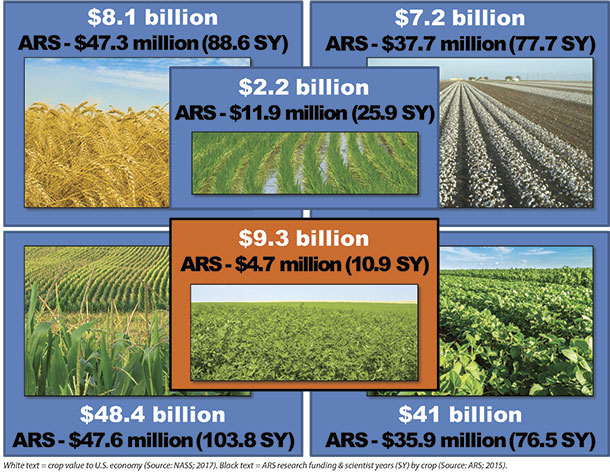
The big five crops, also known as the major staple crops, are the most widely cultivated and consumed food crops globally. They form the backbone of food security in many countries and are essential for economies, nutrition, and trade. The big five crops include:
1. Rice: Predominantly grown in Asia, rice is a staple food for over half of the world's population. It is a crucial source of carbohydrates and is often used in various culinary traditions. There are thousands of varieties of rice, adaptable to different climates and soil types.
2. Wheat: Wheat is a versatile crop used in numerous products, including bread, pasta, and pastries. It is predominantly grown in temperate regions and is a significant source of protein and dietary fiber. Different varieties of wheat are cultivated for various uses, such as soft wheat for cakes or hard wheat for bread.
3. Maize (Corn): A vital crop in the Americas and other regions, maize is used both for human consumption and as animal feed. It is rich in carbohydrates and is processed into various forms, including cornmeal and corn syrup. Maize is also a key ingredient in many industrial products and biofuels.
4. Soybeans: Known for their high protein content, soybeans are used in various food products and are a crucial source of oil. They are prominent in vegetarian diets and are often processed into tofu, soy milk, and soy sauce. Additionally, soybeans are important in livestock feed and contribute significantly to agricultural economies.
5. Sugarcane: Predominantly grown in tropical and subtropical regions, sugarcane is the primary source of sugar worldwide. It is rich in sucrose and is used extensively in food production. Beyond sugar, sugarcane also has applications in producing biofuels, paper, and other products.
The Economic Importance of the Big Five Crops
The big five crops hold significant economic value for many nations, contributing to both local and global markets. Their cultivation and trade create jobs and stimulate economic growth.
- Employment Opportunities: The cultivation of these crops provides millions of jobs in agriculture, processing, and distribution.
- Trade Balance: Many countries export these staple crops, improving their trade balance and generating foreign currency.
- Rural Development: Investments in the production of these crops often lead to improved infrastructure in rural areas, supporting further economic activities.
Nutritional Significance
The big five crops are essential sources of nutrition for billions of people. They provide key nutrients that are critical for health and well-being.
- Carbohydrates: Rice, wheat, and maize are major sources of carbohydrates, supplying energy to populations.
- Protein and Essential Amino Acids: Soybeans are particularly high in protein, making them essential for vegetarian and vegan diets.
- Dietary Fiber: Whole grains from wheat and maize provide dietary fiber, promoting digestive health.
Environmental Impact of Cultivation
The cultivation of the big five crops has various environmental implications. While they are essential for food security, their farming practices can lead to challenges.
See also:
- Land Use Changes: Expansion of crop cultivation can lead to deforestation and habitat loss, impacting biodiversity.
- Water Usage: Crops like rice require substantial water resources, which can lead to water scarcity in some regions.
- Soil Degradation: Intensive farming can deplete soil nutrients and lead to erosion, necessitating sustainable practices.
Technological Advances in Crop Production
Technological innovations have significantly enhanced the production and efficiency of the big five crops, impacting yield and sustainability.
- Genetic Modification: Advances in biotechnology have led to pest-resistant and drought-tolerant varieties of major crops.
- Precision Agriculture: Technologies like GPS and data analytics are used to optimize planting, watering, and harvesting.
- Sustainable Practices: Integrated pest management and organic farming techniques are gaining traction to reduce environmental impact.
The Role of Government Policies
Government policies play a crucial role in the cultivation and trade of the big five crops, shaping agricultural practices and market dynamics.
- Subsidies and Support: Many governments provide financial assistance to farmers to boost production and stabilize prices.
- Trade Agreements: Trade policies can open markets for exports, directly affecting farmers’ income.
- Research and Development Funding: Investment in agricultural research leads to innovations that enhance crop resilience and productivity.
What are the big 5 in farming?

The big 5 in farming refers to the five critical factors that play an essential role in the success and efficiency of agricultural operations. These factors significantly influence crop yields, livestock productivity, and overall sustainability in farming practices. Understanding and managing these elements are vital for farmers aiming to optimize their resources and outputs.
The Importance of Soil Health
Soil health is fundamental to successful farming, as it directly impacts the growth and development of plants. Healthy soil promotes nutrient availability, moisture retention, and biodiversity, which are crucial for sustainable crop production.
- Nutrient Content: Vital for plant growth, the right balance of macronutrients (N, P, K) and micronutrients ensures optimal health.
- Soil Structure: Good structure supports root development and enhances water infiltration, preventing erosion.
- Biodiversity: Diverse microbial life contributes to nutrient cycling and soil fertility.
Water Management
Effective water management is vital for ensuring that crops receive adequate moisture while minimizing waste. Irrigation practices, drainage systems, and water conservation techniques play a significant role in sustainable farming.
- Irrigation Techniques: Methods such as drip and sprinkler irrigation can maximize efficiency and reduce water usage.
- Drainage Systems: Proper drainage prevents waterlogging and promotes healthy root systems.
- Rainwater Harvesting: Collecting and storing rainwater helps supplement water supplies during dry periods.
Pest and Disease Management
Managing pests and diseases is crucial for maintaining crop health and maximizing yields. Integrated Pest Management (IPM) strategies help reduce reliance on chemical inputs while promoting sustainable practices.
- Crop Rotation: Changing crops in a sequence can disrupt pest life cycles and reduce disease incidence.
- Biological Control: Utilizing natural predators can effectively manage pest populations.
- Resistant Varieties: Planting disease-resistant crop varieties minimizes losses due to pests and diseases.
Crop Varieties and Selection
The selection of appropriate crop varieties is essential for maximizing yields and adapting to various environmental conditions. Understanding the characteristics of different crops can lead to better performance and resilience against climate variability.
- Climate Adaptability: Choosing varieties suited to local conditions increases the likelihood of success.
- Yield Potential: Higher-yielding varieties can contribute significantly to food production.
- Pest Resistance: Selecting cultivars that are resistant to local pests enhances overall productivity.
Economic Sustainability and Profitability
Economic sustainability is a vital component of successful farming, ensuring that agricultural practices can be maintained over the long term without depleting resources or harming the environment.
- Cost Management: Managing input costs while maximizing outputs is essential for profitability.
- Diversification: Growing multiple crops or incorporating livestock can reduce risk and improve farm resilience.
- Market Access: Establishing reliable markets for products boosts income and encourages sustainable practices.
Questions from Our Readers
What are the top 5 crops grown worldwide?
The top 5 crops grown worldwide include maize, rice, wheat, sugarcane, and soybeans. These crops play a critical role in global food security and are essential for feeding the growing population.
Why are these crops considered the top five?
These crops are considered the top five due to their high yield, widespread cultivation, and significant economic value. They are vital for human consumption, animal feed, and various industrial applications.
How do climate and geography affect crop production?
Climate and geography heavily influence crop production by determining suitable growing conditions such as temperature, precipitation, and soil type. Variations in these factors can lead to differences in crop yields and the viability of farming in certain regions.
See also:
What are the main uses of these top crops?
The main uses of these top crops include food production, animal feed, and biofuel development. They are also processed into various food products, industrial goods, and serve as essential ingredients in numerous global cuisines.

If you want to read more articles like What are the Top 5 Crops? Discover the Most Important Agricultural Products!, we recommend you check out our Plants category.
Leave a Reply
Related Articles