What Hates Lavender? Discover the Best Plants and Pests to Avoid Planting Together
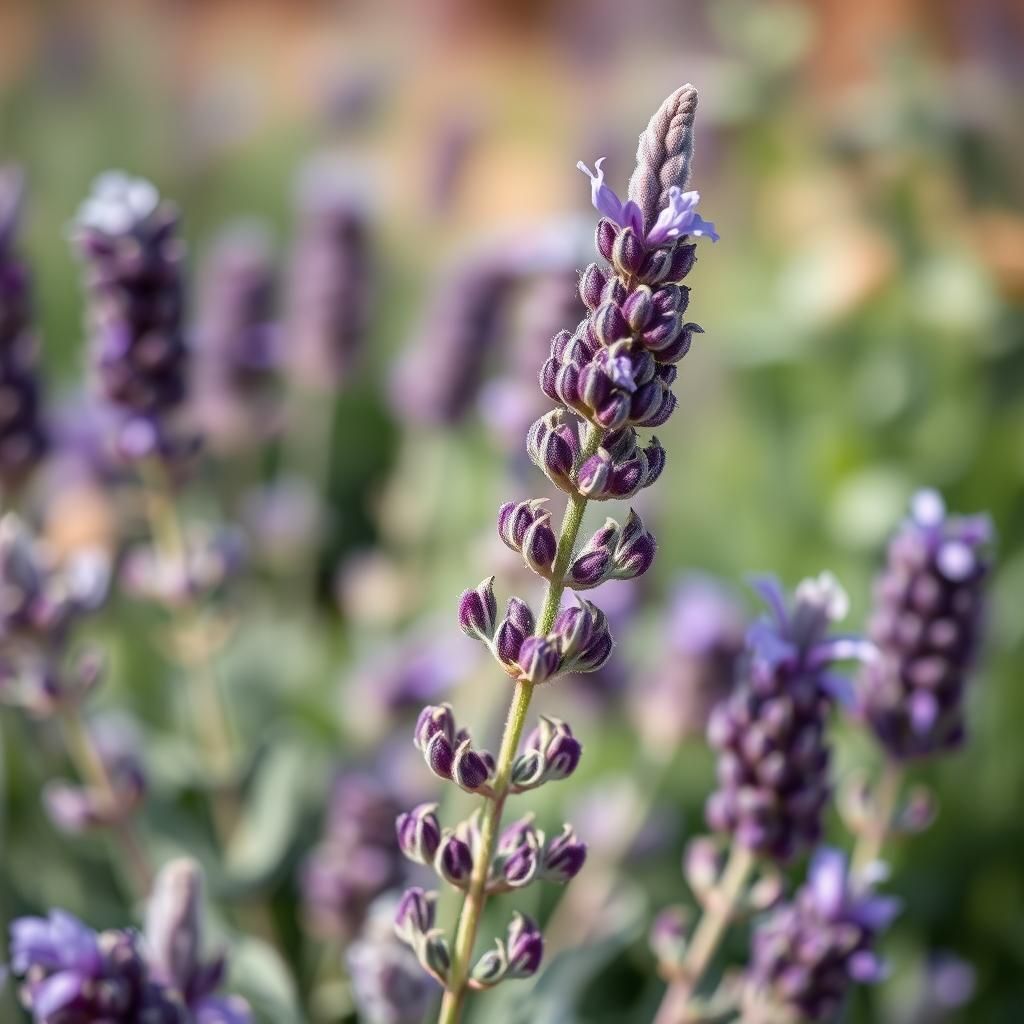
Lavender is a beloved herb known for its fragrant blooms and numerous benefits, but it does have its share of enemies in the garden. Understanding which plants and pests can hinder lavender's growth is essential for any gardener aiming for a flourishing landscape. This article delves into the best plants to avoid planting alongside lavender, as well as common pests that are detrimental to its health. By learning what hates lavender, you can create a more harmonious garden environment, ensuring your lavender thrives while effectively managing potential threats. Join us in discovering how to protect this cherished plant.
What Hates Lavender?
Lavender, with its fragrant scent and vibrant purple flowers, is known for repelling certain pests and undesirable plants, making it a popular choice in gardens and landscapes. Specifically, lavender is known to dislike companionship with some plants due to its strong aromatic oils, which can be toxic or unappealing to many insects and animals. For instance, pests like aphids and some types of nematodes are less likely to plague areas where lavender is present. Additionally, lavender thrives in well-drained soil and is highly sensitive to waterlogged conditions, which can lead to its decline in the presence of overly moist companion plants. Therefore, incorporating lavender into a garden can create a natural barrier against certain pests while promoting a healthy growth environment for compatible plant species.
Plants That Prefer Not to Grow Near Lavender
Certain plants do not thrive when planted close to lavender due to their differing water needs and growth conditions. For instance, moisture-loving plants like Basil and Mint can struggle when near lavender, as the latter prefers dry soil and can lead to unhealthy conditions for wetter varieties. Furthermore, heavy-feeding plants like Tomatoes may also experience hindered growth due to lavender's competitive nature in nutrient absorption. These contrasts highlight the importance of understanding the compatibility of plant species for a harmonious garden environment.
Pests Repelled by Lavender
Lavender serves as a natural deterrent for many garden pests. Its strong scent can repel aphids, spiders, and even some types of beetles. This aromatic herb contains compounds like linalool and linalyl acetate, which are known to be unpleasant for a variety of pests. By planting lavender in your garden, you create an environment that thwarts these unwanted visitors, thus reducing the need for chemical pesticides and promoting an environmentally friendly approach to pest control.
Soil Preferences of Lavender
Lavender thrives in well-drained, sandy, or rocky soils, which is crucial for its successful growth. It dislikes waterlogged or clay-heavy soils that can lead to root rot and other detrimental issues. For this reason, it’s recommended to amend the planting site with gravel or sand to enhance drainage. This characteristic also affects what plants can grow near lavender, as plants requiring moist environments may not perform well alongside it.
Environmental Conditions that Affect Lavender
Successful growth of lavender depends significantly on the environmental conditions it is placed in, particularly sunlight and drainage. Lavender prefers full sunlight, demanding at least six hours of direct sun daily while thriving in warmer climates. Excessive shade can lead to weak, leggy growth and reduced flower production. In order to keep lavender healthy, it’s essential to cultivate it in locations where the sunlight is plentiful and consistent.
Herbivore Interactions with Lavender
Several herbivores, such as rabbits and deer, tend to avoid consuming lavender due to its strong scent and taste. These animals typically gravitate towards sweeter, milder plants. The bitter taste of lavender, combined with its aromatic oils, makes it an unappealing option for many herbivores, effectively protecting it from being eaten. This quality makes lavender an advantageous addition to gardens where these animals roam, as it aids in sustaining plant life in their vicinity.
| Type | Likes | Dislikes |
|---|---|---|
| Pests | Aphids, Beetles | Lavender |
| Plants | Rosemary, Sage | Basil, Mint |
| Animals | None | Rabbits, Deer |
What creatures dislike lavender?
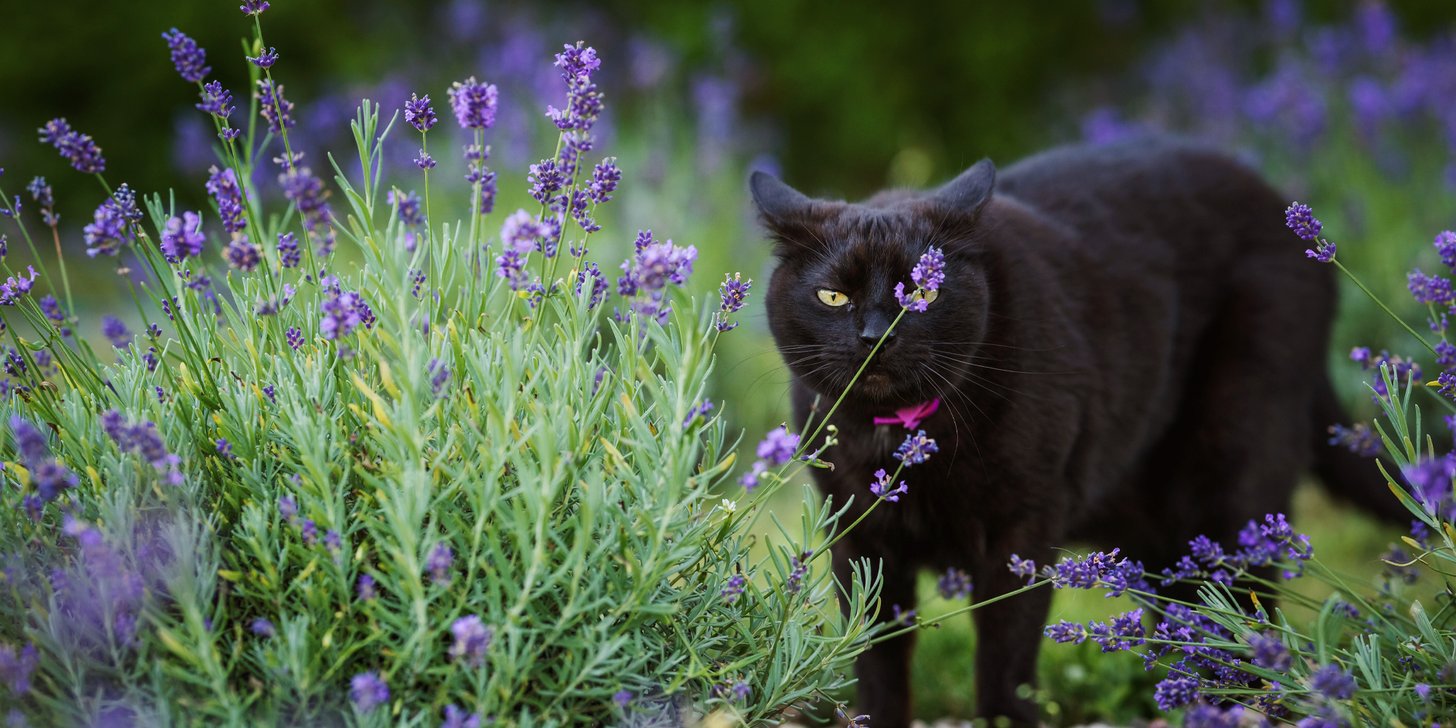
Lavender, known for its fragrant aroma and lovely purple hue, is often used in gardens for aesthetic appeal and its potential to repel certain pests. Various creatures are known to dislike lavender due to its strong scent and certain compounds present in the plant. The following are some of the main creatures that tend to avoid lavender.
Insects That Dislike Lavender
Certain insects are repelled by the strong aroma of lavender. This makes it a popular choice for natural pest control in gardens.
See also:
- Mosquitoes: The intense scent of lavender is often unbearable for mosquitoes, making it less likely for them to infest areas where lavender is present.
- Flies: Similar to mosquitoes, many species of flies are deterred by the chemical compounds found in lavender.
- Ants: Ants are known to avoid lavender, as the plant's oils disrupt their scent trails, making navigation difficult.
Wildlife and Mammals
Certain mammals and wildlife are naturally averse to lavender, primarily due to its scent or taste.
- Deer: Deer are known to avoid lavender because of its strong smell, which they find unappealing compared to other more fragrant plants.
- Bunnies: Rabbits have been observed to bypass lavender, as its flavor is less appealing than their preferred greens.
- Groundhogs: Similar to deer and rabbits, groundhogs tend to avoid areas planted with lavender due to its potent scent.
Beneficial Insects Attracted Despite Repulsion
While many pests are repelled, lavender can also attract beneficial insects that help in pest control.
- Bees: Lavender is a favorite among bees, providing them with nectar and pollen.
- Ladybugs: These beneficial insects are attracted by aphids, which are deterred by lavender, creating a harmonious ecosystem.
- Butterflies: Just like bees, butterflies are drawn to the beautiful blooms and aroma of lavender.
Other Plants That Repel Similar Creatures
In addition to lavender, several other plants are known for their pest-repelling properties.
- Mint: The strong scent of mint deters many insects, similar to lavender.
- Rosemary: This herb is also known to repel various pests and can complement lavender in gardens.
- Citronella Grass: Commonly associated with mosquitos, citronella is another effective repellent alongside lavender.
Uses of Lavender Beyond Pest Repulsion
Lavender is versatile and offers benefits beyond repelling pests.
- Essential Oils: Extracted lavender oil is widely used in aromatherapy for its calming effects and health benefits.
- Herbal Remedies: Lavender has been utilized for centuries in various herbal remedies due to its potential soothing properties.
- Culinary Use: Lavender can also be used in cooking, bringing a unique flavor to dishes and desserts.
What does lavender not like?

Lavender is a beautiful and aromatic plant that is popular in gardens, but it does have certain preferences when it comes to its growing conditions. Understanding what lavender does not like can help ensure its health and thriving presence in your garden.
Soil Conditions
Lavender does not thrive in poorly-drained or overly moist soil. This plant prefers well-drained, sandy or gravelly soil that mimics its natural habitat.
- Excess moisture can lead to root rot, which is detrimental to lavender.
- Lavender thrives best in alkaline to neutral soil, so overly acidic soil can be harmful.
- Heavy clay soil is also not suitable for lavender as it retains too much water.
Humidity Levels
Lavender is not fond of high humidity. It prefers dry conditions that resemble its native Mediterranean climate.
- High humidity can create an environment for fungal infections.
- In humid conditions, lavender may struggle to establish itself properly.
- Maintaining moderate humidity levels supports the plant's overall health and growth.
Fertilizer Needs
Lavender does not require a lot of fertilizer, and applying too much can harm it.
- Excessive nutrients can cause leggy growth and reduced flowering.
- Lavender prefers nutrient-poor soils, so a fertilizer high in nitrogen is not recommended.
- Applying a small amount of balanced fertilizer once a year may be enough.
Temperature Sensitivity
Lavender does not enjoy extreme cold or frost. Most varieties of lavender are not frost-tolerant.
See also:
- Frost can damage delicate flower buds and new growth.
- In cold climates, lavender should be planted in areas that receive the most sunlight.
- Mulching can protect lavender from freezing temperatures during winter months.
Pest Problems
Lavender is generally resistant to pests, but it does not like being near infested plants.
- Overcrowding with other plants can attract pests, causing stress to lavender.
- Regular checks for aphids or mealybugs can help keep lavender healthy.
- Using companion plants that repel pests can create a more favorable environment for lavender.
What hates the smell of lavender?
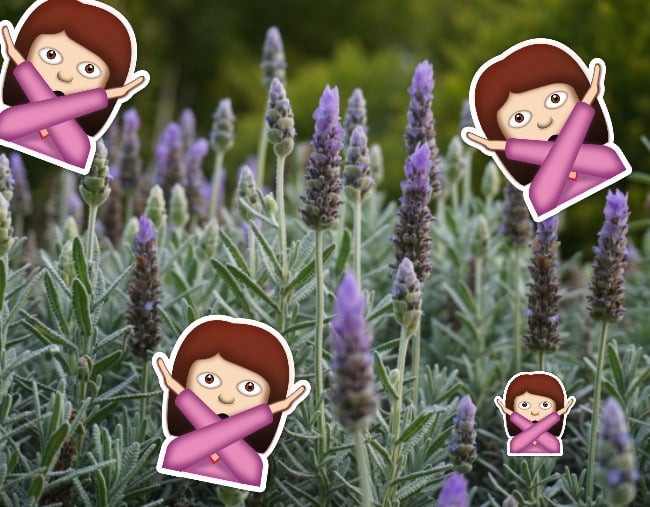
The smell of lavender is known for its calming effects on humans; however, several animals and insects seem to have an aversion to it. Specifically, it has been noted that certain pests and animals dislike the aroma of lavender. Here are some key examples:
Insects That Dislike Lavender
Many insects are repelled by the scent of lavender, which can be beneficial for gardeners and homeowners seeking natural pest control. The most notable insects include:
- Mosquitoes: These pests find the aroma of lavender unappealing, making it a popular choice for natural repellents.
- Flies: Fruit flies and other species tend to avoid areas with strong lavender fragrances.
- Aphids: These plant pests are less likely to infest plants near lavender due to its strong scent.
Animals That Are Repelled by Lavender
Various animals also exhibit an aversion to the smell of lavender, which can serve to protect gardens and homes:
- Cats: Generally, cats are known to dislike the scent of lavender, which may deter them from certain areas.
- Dogs: While some dogs might enjoy the smell, many are put off by it, making it a good option for keeping them away from specific spaces.
- Rodents: Mice and rats are often averse to lavender scent, which can prevent them from entering homes or gardens.
Uses of Lavender in Pest Control
The repellent properties of lavender are harnessed in various ways to keep unwanted pests away:
- Essential Oils: Lavender essential oil can be diluted and sprayed around the home or garden as a deterrent.
- Potted Plants: Growing lavender near windows or doorways can create a natural barrier against insects.
- Lavender Sachets: Placing sachets filled with dried lavender around the house can help keep pests at bay.
Cultural Beliefs About Lavender
Different cultures around the world hold varying beliefs regarding lavender and its effects on animals and humans:
- European Traditions: In many regions, lavender has traditionally been used to ward off evil spirits, showcasing its repellent characteristics.
- American Folk Remedies: Lavender has been incorporated into folk remedies for its supposed ability to repel unwanted intruders.
- Modern Aromatherapy: While primarily used for relaxation, some practices in aromatherapy also recognize its insect-repelling properties.
Scientific Studies on Lavender's Repellent Properties
Research has explored the effects of lavender on various species, confirming its scent's potential as a natural repellent:
- Behavioral Studies: Many studies have documented the avoidance behaviors of insects when exposed to lavender.
- Comparative Efficacy: Studies comparing lavender against synthetic repellents often find it to be equally effective, reinforcing its utility.
- Applications in Agriculture: The findings lead to increased interest in using lavender for sustainable farming practices aimed at pest control.
Questions from Our Readers
What pests are known to hate lavender?
Lavender is known to repel a variety of pests, including mosquitoes, moths, and certain types of aphids. The strong scent of lavender is unpleasant for these insects, making it an effective natural deterrent in gardens.
How does lavender deter unwanted animals?
Certain animals, such as rabbits and deer, tend to avoid lavender due to its strong aroma and bitter taste. This makes lavender an excellent choice for gardeners looking to keep these herbivorous pests at bay without using harmful chemicals.
See also:
Can lavender affect neighboring plants?
While lavender does not directly harm neighboring plants, its strong scent can affect the growth and health of plants that are sensitive to its oils. Some gardeners find it beneficial to isolate lavender from other flowers or herbs that may not thrive well nearby.
Is there any specific condition that makes lavender more repellent?
Lavender thrives in dry, well-drained soil and full sunlight, which enhances its essential oil production. The higher concentration of oils in healthy lavender plants makes them more effective at repelling insects and other small animals.

If you want to read more articles like What Hates Lavender? Discover the Best Plants and Pests to Avoid Planting Together, we recommend you check out our Plants category.
Leave a Reply
Related Articles