Can a Greenhouse Be Too Hot for Cucumbers? Essential Tips for Optimal Growing Conditions

Greenhouses provide an ideal environment for cultivating cucumbers, offering protection from pests and extending the growing season. However, maintaining optimal temperatures is crucial, as excessive heat can be detrimental to cucumber plants. High temperatures may inhibit growth, reduce yields, or even lead to plant stress. Understanding the delicate balance between warmth and heat is essential for successful cucumber cultivation. In this article, we will explore the signs of overheating in greenhouses, the ideal temperature range for cucumbers, and practical tips to create the perfect growing conditions. By mastering these aspects, you can ensure a thriving cucumber crop all season long.
Can a Greenhouse Be Too Hot for Cucumbers?
Cucumbers thrive in warm conditions, but if a greenhouse becomes excessively hot, it can lead to stress for the plants. High temperatures, particularly those exceeding 90°F (32°C), can hinder pollination and may result in poor fruit development or even flower drop. Exposure to extreme heat can also lead to water loss, causing wilting or yellowing of leaves. Therefore, it is crucial to monitor the temperature in the greenhouse and implement cooling strategies, such as shading or ventilation, to ensure optimal growing conditions for cucumbers.
Optimal Temperature Range for Cucumbers
The ideal temperature range for growing cucumbers is between 70°F to 85°F (21°C to 29°C) during the day. Temperatures above this range can cause various issues, such as reduced fruit set and slower growth rates. During the night, cucumbers prefer a range of 55°F to 65°F (13°C to 18°C). Maintaining these temperatures maximizes photosynthesis and overall plant health.
Signs of Heat Stress in Cucumbers
Signs of heat stress in cucumbers include wilting leaves, yellowing foliage, and flower drop. If a greenhouse temperature rises too high, these symptoms can become apparent. Leaves may curl or become crispy due to excessive water loss, while the plant may struggle to absorb nutrients effectively. Identifying these signs early can help greenhouse managers take corrective actions to reduce heat levels.
Impact of High Humidity and Temperature
High humidity levels combined with elevated temperatures can create unfavorable conditions for cucumbers. While cucumbers require humidity for optimal growth, excessively high humidity can lead to diseases such as powdery mildew. Furthermore, if temperatures are too high, the plant may not be able to transpire effectively, compounding stress. Balancing humidity and temperature is vital for maintaining plant health and productivity.
Cooling Strategies for Greenhouses
To prevent cucumber plants from suffering in excess heat, implementing effective cooling strategies is essential. This can include efficient ventilation systems to promote airflow, using shade cloths to block direct sunlight, and installing misting systems to lower temperatures. Fans can also help circulate air, ensuring that hot air does not accumulate. Regular monitoring of both temperature and humidity levels can guide the necessity for these strategies.
What to Do if the Greenhouse Gets Too Hot
If a greenhouse becomes excessively hot, there are immediate actions that can be taken to protect the cucumber plants. First, increase ventilation by opening doors and windows or turning on fans. Adding shade cloths can help reduce direct sunlight exposure. If the temperature remains elevated, consider using a misting system or cooling pads to decrease heat levels. Watering during the hottest part of the day can also help, but be cautious of the increased humidity that could result.
| Condition | Temperature Range | Effects |
|---|---|---|
| Cucumber Growth | 70°F - 85°F (21°C - 29°C) | Optimal growth and production |
| Heat Stress | Above 90°F (32°C) | Wilting, yellowing, and flower drop |
| Night Temperatures | 55°F - 65°F (13°C - 18°C) | Necessary for growth and recovery |
Do cucumbers like hot greenhouses?
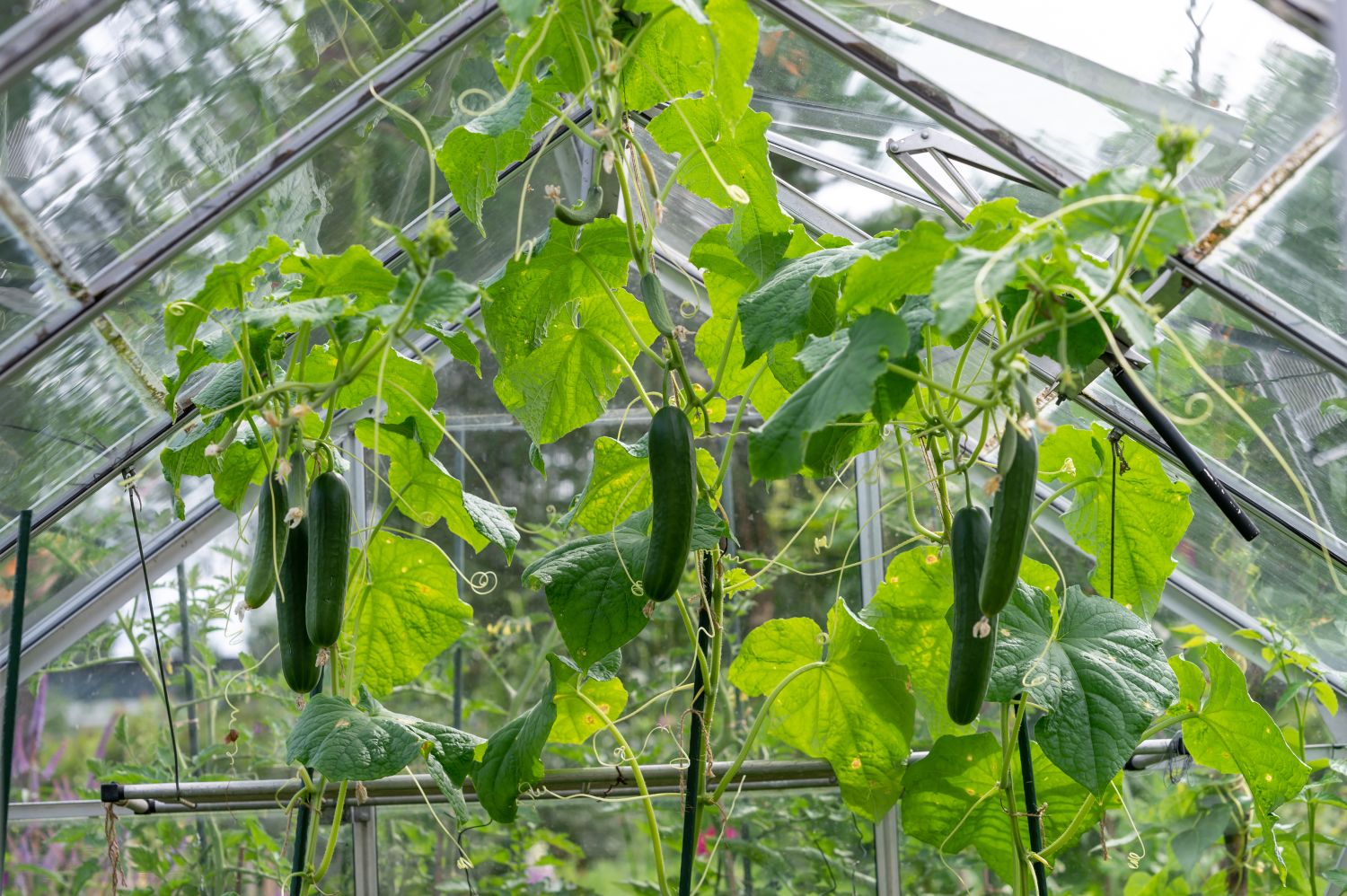
Cucumbers are known for their preference for specific growing conditions, and understanding their needs can significantly affect their growth and yield. When it comes to their behavior in hot greenhouses, cucumbers generally thrive in warmth but can be sensitive to extremely high temperatures. Below is a detailed exploration of whether cucumbers like hot greenhouses, along with related subtopics.
Ideal Temperature Range for Cucumbers
Cucumbers typically flourish at temperatures between 70°F and 85°F (21°C to 29°C) during the day. This range encourages optimal growth, flowering, and fruiting. However, temperatures exceeding 90°F (32°C) can cause stress in the plants, leading to issues like blossom drop and reduced fruit set.
See also:
- The ideal daytime temperature is between 70°F and 85°F.
- Excessive daytime heat above 90°F can hinder growth.
- Nighttime temperatures should ideally be above 60°F (16°C) to ensure healthy development.
Effects of High Temperatures on Cucumber Growth
While cucumbers enjoy warmth, high temperatures can have negative effects. In a hot greenhouse, prolonged exposure to excessive heat can lead to physiological stress. This may manifest as wilting, leaf burn, or poor yield due to the plant's inability to maintain hydration.
- Excessive heat may lead to wilting and leaf burn.
- Plants can become short-statured or develop fewer leaves.
- High temperatures can cause poor fruit development and reduced yields.
Humidity Levels in Hot Greenhouses
Alongside temperature, humidity levels play a crucial role in cucumber health. Cucumbers ideally prefer a relative humidity between 70% and 90%. In hot greenhouses, it's important to monitor humidity, as excessive heat can lead to lower relative humidity, which impacts the plant's water uptake.
- A relative humidity range of 70% to 90% is optimal for cucumbers.
- Low humidity can lead to increased transpiration and stress on the plants.
- Managing humidity can prevent issues such as powdery mildew.
Ventilation in Hot Greenhouses
Proper ventilation is vital in hot greenhouses to prevent overheating. Without adequate airflow, temperatures can soar, creating an unsuitable environment for cucumber plants. Implementing good ventilation practices can help maintain a stable temperature and humidity.
- Good ventilation maintains consistent temperatures within the greenhouse.
- It helps reduce the risk of disease caused by high humidity.
- Ventilation strategies can include exhaust fans and roof vents.
Watering Practices in Hot Conditions
Watering practices become crucial when growing cucumbers in a hot greenhouse. High temperatures can accelerate evaporation and increase the plants’ water needs. Maintaining a consistent watering schedule is essential to avoid stress.
- Frequent but moderate watering helps maintain soil moisture levels.
- Mulching can help retain soil moisture and reduce evaporation.
- Irrigation methods should be adapted to include drip irrigation for efficiency.
What happens if a greenhouse is too hot?

If a greenhouse becomes too hot, several detrimental effects can occur, impacting both the plants and the overall environment within the structure. Excessive heat can lead to wilting, poor growth, and even death of plants. Here's a detailed exploration of what happens when a greenhouse reaches excessive temperatures.
Effects on Plant Health
When temperatures inside a greenhouse soar, the physiological functions of plants can be severely impaired. Plants may begin to exhibit signs of stress that affect their health.
- Wilting: Excessive heat can cause plants to lose moisture faster than they can absorb it, leading to wilting.
- Sunburn: Leaves may get sunburned, resulting in burns and discoloration which can damage photosynthesis.
- Stunted Growth: High temperatures can inhibit growth by affecting nutrient uptake and hormonal balance.
Impact on Soil Quality
High temperatures can alter the microenvironment of the soil in a greenhouse, affecting its quality and health.
- Microbial Activity: Beneficial microorganisms may die off or become inactive in excessively hot conditions, leading to nutrient imbalances.
- Soil Structure: Extreme heat can cause soil compaction or hardening, making it difficult for roots to penetrate and absorb nutrients.
- Water Loss: Increased evaporation can lead to a drop in soil moisture, further stressing plants.
Increased Pest and Disease Pressure
Hot environments can create favorable conditions for pests and diseases, making greenhouse plants more vulnerable.
- Increased Pest Activity: Warm temperatures can accelerate the life cycles of pests, leading to infestations.
- Fungal Diseases: High humidity paired with heat can promote fungal growth, resulting in diseases like powdery mildew.
- Stress-Induced Vulnerability: Stressed plants are often more susceptible to both pests and diseases, compounding the problem.
Impacts on Humidity and Air Circulation
Excessive heat can disrupt the natural humidity levels and air circulation inside a greenhouse, affecting plant well-being.
See also:
- Reduced Air Quality: Higher temperatures can lead to stagnant air, limiting the oxygen available for plants.
- Humidity Fluctuations: Excess heat can decrease humidity levels, causing further stress on plants that thrive in moist conditions.
- Ventilation Issues: Poor air circulation can exacerbate the heat problem, creating a cycle of rising temperatures.
Potential Economic Losses
An overheated greenhouse can result in significant economic losses for growers, affecting both yield and quality.
- Reduced Yields: Heat stress can lead to lower plant productivity, decreasing harvest amounts.
- Quality Issues: Poor plant health can affect the quality of produce, making it less desirable in the market.
- Additional Costs: Growers may incur extra costs for cooling systems or pest control measures to manage the situation.
Why are my cucumbers dying in my greenhouse?

There are several reasons why your cucumbers might be dying in your greenhouse. Understanding the potential issues can help you identify the problem and take corrective actions.
Environmental Factors
Environmental factors play a crucial role in the health of your cucumbers.
- Temperature: Cucumbers thrive in warm temperatures between 70°F to 85°F (21°C to 29°C). Extreme heat or cold can lead to stress and plant death.
- Humidity: High humidity can cause fungal diseases, while low humidity can lead to dehydration. Maintaining an optimal humidity level is essential.
- Light: Insufficient light can hinder photosynthesis, leading to weak and unhealthy plants. Ensure your greenhouse receives ample natural light or supplement with grow lights.
Pest Infestations
Pests can severely impact the health of your cucumber plants, leading to their decline.
- Aphids: These small pests feed on the sap of the plants, causing wilting and yellowing of leaves.
- Spider Mites: These tiny arachnids thrive in hot, dry conditions and can cause leaf damage and plant stress.
- Cucumber Beetles: They can introduce bacteria and viruses while feeding, often resulting in stunted growth or plant death.
Diseases
Diseases can spread rapidly in a greenhouse setting, negatively affecting your cucumber plants.
- Powdery Mildew: This fungal disease manifests as a white powdery coating on leaves, leading to decline if not treated.
- Root Rot: Overwatering or poor drainage can cause roots to become waterlogged and rot, leading to plant wilting or death.
- Downy Mildew: Another fungal disease that causes yellow spots on leaves and can spread quickly, often impacting yield significantly.
Nutrient Deficiencies
Lack of essential nutrients can lead to poor growth and declining health in cucumber plants.
- Nitrogen Deficiency: Essential for leaf growth, a deficiency can lead to yellowing of leaves and poor overall health.
- Potassium Deficiency: This nutrient is crucial for fruit development; a lack can result in small, misshapen cucumbers.
- Calcium Deficiency: This can lead to blossom end rot, where the fruit develops dark, sunken areas, making them inedible.
Watering Issues
Watering is vital for cucumber health, but both overwatering and underwatering can cause problems.
- Overwatering: This can lead to root rot and a decrease in oxygen to the roots, causing plant stress and death.
- Underwatering: Insufficient watering can lead to wilting and a lack of nutrients being absorbed by the plants.
- Water Quality: High levels of chlorine or other contaminants in water can affect plant health, so it's essential to use clean water.
Questions from Our Readers
Can a greenhouse get too hot for cucumbers?
Cucumbers thrive in warm environments, but if a greenhouse becomes excessively hot, it can negatively affect their growth. Temperatures above 85°F (29°C) can lead to stress in the plants, resulting in issues like poor fruit set or even wilting.
What temperature is ideal for growing cucumbers in a greenhouse?
The ideal temperature for growing cucumbers in a greenhouse is typically between 70°F and 85°F (21°C to 29°C). Maintaining this range helps to maximize growth and fruit production while avoiding heat-related stress on the plants.
See also:
How can I cool down my greenhouse if it gets too hot for cucumbers?
To cool down a greenhouse, you can use ventilation, shade cloths, or fans to help lower the temperature. Additionally, adding misting systems can increase humidity and provide a cooling effect, which is especially beneficial on hot days.
What are the signs of heat stress in cucumber plants?
Signs of heat stress in cucumber plants include wilting leaves, yellowing, and limited fruit production. These symptoms indicate that the plants are struggling to cope with the excessive heat and may require immediate attention to ensure their survival and productivity.

If you want to read more articles like Can a Greenhouse Be Too Hot for Cucumbers? Essential Tips for Optimal Growing Conditions, we recommend you check out our Plants category.
Leave a Reply
Related Articles