What Plants Go Well with Heuchera? A Comprehensive Guide to Companion Planting
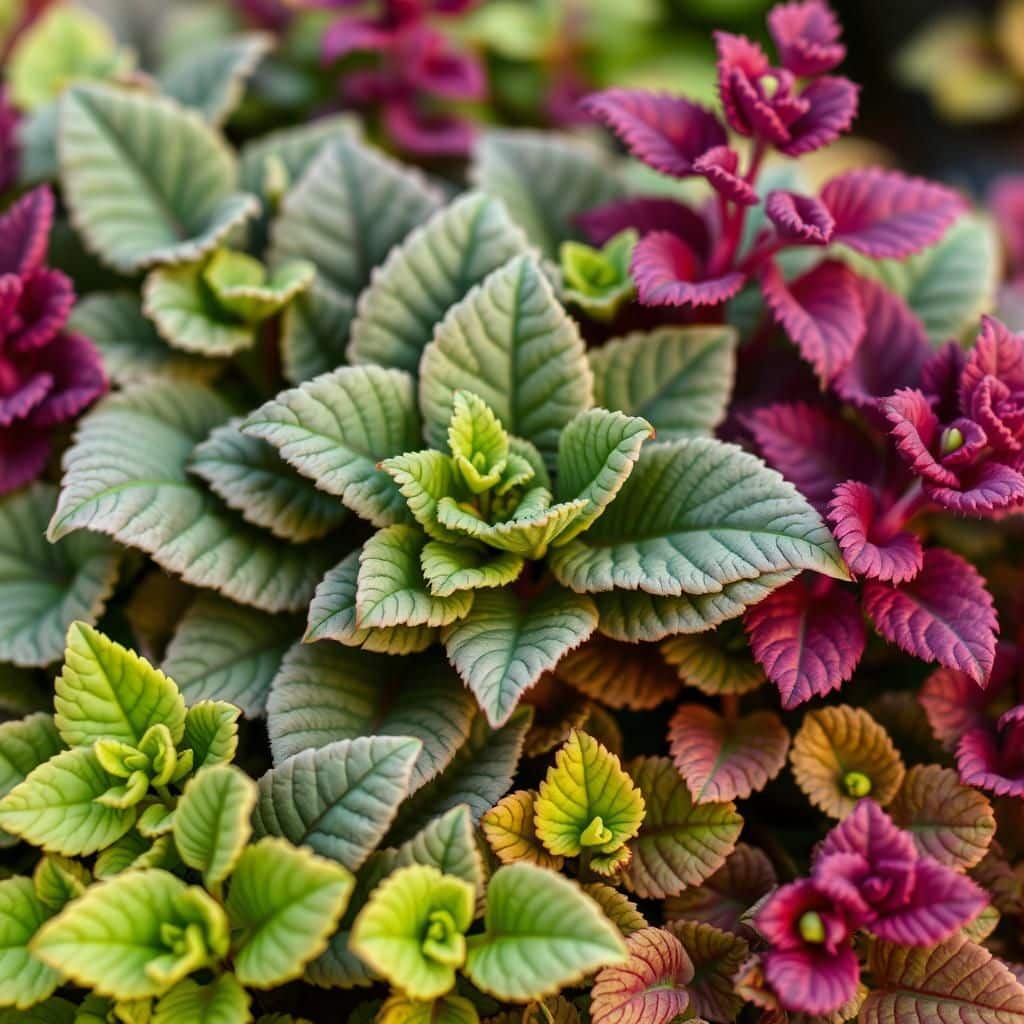
Heuchera, commonly known as coral bells, is a beloved perennial known for its vibrant foliage and delicate flowers. However, to truly enhance the beauty of Heuchera in your garden, selecting the right companion plants is essential. This comprehensive guide will explore various plants that thrive alongside Heuchera, considering factors such as color contrast, texture, and varying heights. By understanding the best pairing strategies, you can create visually stunning and harmonious garden spaces. Whether you are an experienced gardener or a beginner, this guide will provide valuable insights into the art of companion planting with Heuchera.
Companion Plants for Heuchera
Heuchera, commonly known as coral bells, is a versatile perennial that thrives in a variety of garden settings. When selecting companion plants for Heuchera, it's essential to consider plants that complement not only its color and texture but also its growing conditions. Plants such as daylilies, hostas, and ferns pair beautifully with Heuchera, as they share similar light and moisture requirements, making them ideal choices for a harmonious garden. Additionally, the foliage of Heuchera comes in various shades, which can enhance the overall aesthetic when combined with flowering plants like asters or salvias, providing a vibrant contrast throughout the growing season.
Best Perennials to Pair with Heuchera
Perennials such as Astilbe and Daylilies work well alongside Heuchera due to their compatibility in soil and moisture requirements. Astilbe offers feathery flower spikes that bloom in early summer, providing a striking contrast against the lush foliage of Heuchera. Daylilies, with their vibrant, trumpet-shaped flowers, add seasonal color and interest, creating a dynamic garden space that thrives under similar conditions.
Annual Flowers That Complement Heuchera
When considering annual flowers to pair with Heuchera, Salvia and Snapdragons are excellent choices. Salvia comes in various colors and attracts pollinators, enhancing the biodiversity of your garden. Snapdragons, with their unique structure and colorful blooms, can provide vertical interest and longevity throughout the growing season while contrasting beautifully with the delicate foliage of Heuchera.
Foliage Plants to Match with Heuchera
Foliage plants such as Hostas and Ferns are ideal companions for Heuchera. Hostas offer a wide range of leaf shapes and colors, providing a lush backdrop to the bold foliage of Heuchera. Ferns, with their delicate fronds, add texture and soft movement to the garden, allowing for a serene and balanced mix alongside the more vivid Heuchera plants.
Color Considerations for Garden Design
When designing your garden with Heuchera, it’s important to think about color harmony. Heuchera comes in shades ranging from deep purples to vibrant greens, which can either contrast or complement the colors of nearby plants. For instance, pairing Heuchera with yellow or white flowering plants, such as Black-eyed Susans or Shasta daisies, can create a visually striking display that enhances the overall garden aesthetic.
Shade-Tolerant Plants for Heuchera
Heuchera thrives in partial shade, making shade-tolerant plants ideal companions. Consider adding Pulmonaria or Brunnera, known for their ability to flourish in low-light conditions. These plants not only complement the shade-loving Heuchera but also provide varying textures and colors, enhancing the depth of your shaded garden areas.
| Companion Plant | Type | Light Requirements |
|---|---|---|
| Astilbe | Perennial | Partial Shade |
| Daylily | Perennial | Full Sun to Partial Shade |
| Salvia | Annual | Full Sun |
| Hosta | Perennial | Partial Shade |
| Pulmonaria | Perennial | Full Shade to Partial Shade |
What looks good planted with heuchera?

Heuchera, commonly known as coral bells, is a versatile perennial known for its colorful foliage. When planning a garden with heuchera, it's important to choose companion plants that complement its unique characteristics. The right companions can enhance the visual appeal, texture, and overall health of your garden. Here are some excellent choices for plants that look good when planted alongside heuchera.
Colorful Foliage Companions
Adding plants with complementary foliage can create a striking visual balance in your garden. Consider these varieties:
- Heucherella – A hybrid between heuchera and tiarella, this plant offers vibrant leaves and a similar growth habit.
- Brunnera macrophylla – Known for its bright blue flowers in spring, the large heart-shaped leaves contrast beautifully with heuchera.
- Acorus gramineus – This plant features grass-like leaves that provide a different texture without overpowering the colors of heuchera.
Textural Diversity with Grasses
Incorporating ornamental grasses can add movement and texture to the garden. Here are some top picks:
- Carex – This sedge offers a beautiful grassy texture that pairs well with the soft leaves of heuchera.
- Pennisetum alopecuroides – Also known as fountain grass, it provides a graceful arch and feathery plumes.
- Miscanthus sinensis – This tall grass adds height and structure, making it a great backdrop for heuchera.
Colorful Flowers for the Garden
Choose flowering plants that bloom at different times to create a continuous display of color. Some suitable options include:
- Ajuga reptans – This ground cover blooms in blue, offering a lovely contrast against the foliage of heuchera.
- Geranium – Cranesbill geraniums come in various colors and can bloom throughout the spring and summer.
- Astilbe – With its feathery flowers, astilbe provides a vertical element that contrasts well with heuchera's low growth.
Shade-Tolerant Plants
Heuchera thrives in shade to partial sun, making it essential to consider plants that can also tolerate similar conditions. Options include:
See also:
- Lamium maculatum – This ground cover features variegated leaves and lovely flowers, matching well with heuchera's aesthetic.
- Hosta – Known for their large leaves, hostas can provide substantial ground cover beneath the stunning colors of heuchera.
- Tiarella – Also known as foam flower, it offers charming blooms that rise above its attractive foliage.
Creating a Seasonal Palette
Consider plants that have seasonal interests to keep your garden looking vibrant year-round. Here are some suggestions:
- Fallopia japonica – Known for its bright foliage in the fall, this plant can add seasonal color contrast to heuchera.
- Alchemilla mollis – Lady's mantle features unique leaf structure and can provide early blooms in late spring and early summer.
- Epimedium – With heart-shaped leaves and delicate flowers, it provides early spring beauty before heuchera takes center stage.
What pairs with coral bells?

Coral bells, known for their attractive foliage and small bell-shaped flowers, can be beautifully complemented by a variety of plants in a garden setting. Here are some excellent pairings that not only enhance the visual appeal but also create a harmonious environment.
1. Hostas
Hostas are a great pairing with coral bells thanks to their large, lush leaves which provide a striking contrast to the delicate foliage of coral bells. Their varying sizes and colors add depth to any garden bed.
- Diverse Colors: Hostas come in shades of green, blue, and yellow, making them versatile companions.
- Shade Tolerance: Both hostas and coral bells thrive in shaded areas, ensuring a cohesive and vibrant garden.
- Texture Contrast: The broad leaves of hostas contrast beautifully with the intricate foliage of coral bells, creating a dynamic visual texture.
2. Astilbe
Astilbe is another wonderful partner for coral bells, offering feathery plumes of flowers that can add height and drama to planting schemes. Both plants prefer similar growing conditions, making them compatible choices.
- Color Continuity: Astilbe comes in shades of pink, white, and red, which can harmonize with the colors of coral bells.
- Moisture Needs: Both plants appreciate moist soil, making them suitable for similar garden locations.
- Seasonal Interest: Astilbe flowers add seasonal interest in late spring to early summer when coral bells are also blooming.
3. Ferns
Ferns provide a soft, lush backdrop to coral bells, enhancing their beauty while also thriving in similar conditions. Their feathery leaves can contrast beautifully against the bold foliage of coral bells.
- Shade Adaptability: Ferns thrive in shaded environments, just like coral bells, which makes them ideal companions.
- Soft Texture: The delicate fronds of ferns create a gentle, contrasting texture with the more structured leaves of coral bells.
- Variety of Species: There are numerous fern species available, allowing for creative combination options with many coral bell varieties.
4. Brunnera macrophylla
Also known as false forget-me-not, Brunnera macrophylla features striking blue flowers and heart-shaped leaves, making it a visually appealing companion for coral bells.
- Color Combination: The blue flowers of Brunnera contrast beautifully with the blooms of coral bells, adding a pop of color.
- Textural Contrast: The large leaves of Brunnera create a different texture that complements the finer leaves of coral bells.
- Shade Lovers: Both plants prefer partial to full shade, making them easy to pair in the garden.
5. Heuchera
Another variety of coral bells itself, Heuchera species display vibrant foliage colors that provide a stunning contrast against traditional coral bell varieties. This creates a cohesive aesthetic in any garden.
- Diverse Leaf Colors: Heuchera plants come in a variety of colors, such as purple, red, and lime green.
- Flower Timing: They bloom concurrently, providing a continuous show of color throughout the blooming season.
- Companion Planting: Planting various Heuchera alongside traditional coral bells can enhance both plants' visual appeal while maintaining a uniform care routine.
Do heuchera plants spread?
:strip_icc()/purple-palace-coralbells-heuchera-2af3c0c3-775561fbb7d440628cfd2aa9e14ab616.jpg)
Heuchera plants, commonly known as coral bells, are popular ornamental perennials valued for their vibrant foliage and delicate flowers. When considering their growth behavior, it's important to address the question:
Heucheras do not spread aggressively like some other perennials; instead, they tend to form dense clumps over time. Their growth is primarily through clumping rather than spreading or invading new areas. However, they can spread slowly through self-seeding or by producing new shoots, which can be managed with proper maintenance.
Propagation Methods of Heuchera Plants
Heuchera plants can be propagated in several ways, which may lead to their spread in the garden.
- Division: The most common method involves dividing established clumps in the spring or fall. This allows gardeners to manage their spread effectively.
- Seed: Heucheras can produce seeds after flowering, which may germinate if conditions allow. This, however, is not their primary means of propagation.
- Cuttings: Taking cuttings from healthy plants can also support new growth and slight spreading.
Factors Influencing Heuchera Spread
Several factors can affect how heuchera plants spread within a garden setting.
See also:
- Soil Quality: Rich, well-draining soil can encourage faster growth and potential spread through division.
- Moisture Levels: Consistent moisture is crucial. Plants in drier conditions may not grow as vigorously, affecting their spread.
- Exposure to Sunlight: Heucheras thrive in partial to full shade. Adequate sunlight can enhance their growth, leading to clumping.
Managing Heuchera Spread in the Garden
To control the spread of heuchera and maintain their appearance, gardeners can adopt several strategies.
- Regular Division: Dividing clumps every few years can prevent overcrowding and promote healthier plants.
- Monitoring Seed Production: Deadheading flowers can reduce self-seeding and control their spread.
- Strategic Plant Placement: Placing heucheras in designated areas can help manage their growth and aesthetic appeal.
Companion Planting with Heucheras
Heucheras can be effectively integrated with other plants in a landscape design, influencing their impact and spread.
- Color Harmony: Pairing heucheras with plants of complementary colors can enhance their visual appeal.
- Height Variation: Combining different heights can create layered effects in the garden.
- Texture Contrast: Mixing plants with different leaf textures can highlight heuchera’s unique foliage.
Common Challenges in Heuchera Growth
While heucheras are generally hardy, they can face some challenges that may affect their growth and potential spread.
- Pest Issues: They can be susceptible to pests like aphids, which may hinder growth if not managed.
- Fungal Diseases: Overwatering can lead to root rot and fungal infections, impacting clumping and health.
- Environmental Stress: Extreme temperatures can cause stress, resulting in poor growth.
What does heuchera attract?

Heuchera, commonly known as coral bells, attracts a variety of beneficial wildlife, particularly pollinators. The flowers of heuchera are known for their delicate bell-like shapes and colorful displays, which catch the attention of different species. Primarily, heuchera is known to attract:
- Bees: These insects are essential for pollination and are attracted to the nectar produced by heuchera flowers.
- Butterflies: With their vibrant colors, heuchera flowers draw butterflies looking for sustenance, contributing to the garden's biodiversity.
- Hummingbirds: These birds are also attracted to the tubular structure of the flowers and are drawn by the energy-rich nectar.
Pollinators
Heuchera plants serve as a vital resource for various pollinators in garden ecosystems. Composite flowers that bloom in clusters provide easy access for bees and other pollinators. Their ability to offer sustenance at different times of the year makes them invaluable in supporting the life cycles of these creatures.
- Bees: A primary visitor to heuchera, they are responsible for fertilizing many flowering plants.
- Butterflies: They are known to stop by for nourishment, adding both beauty and ecological value to the garden.
- Hummingbirds: Attracted by the colors and sweetness, they help in the pollination process.
Garden Ecosystem Benefits
The inclusion of heuchera in a garden contributes to a well-balanced ecosystem. By attracting pollinators, heuchera plays an essential role in the reproduction of many other plants, promoting overall garden health.
- Improved Pollination: This leads to higher fruit and seed production in neighboring plants.
- Increased Biodiversity: The presence of heuchera encourages a varied range of wildlife to inhabit the garden.
- Nutrient Cycling: As different species interact, they contribute to a healthy soil ecosystem.
Aesthetic Appeal
Heuchera not only serves practical purposes but also adds visual interest to garden spaces. Their vibrant colors and interesting foliage create a stunning display, making them a favorite among gardeners.
- Diverse Color Varieties: From deep reds to bright greens, the foliage creates a dramatic effect.
- Ground Cover: Heuchera can efficiently fill spaces, reducing weeds and enhancing garden layout.
- Seasonal Interest: The plants provide color across seasons, maintaining visual appeal year-round.
Companion Planting
Heuchera is an excellent choice for companion planting, meaning it works well alongside other plants to enhance growth and health.
- Shade Tolerant: Works well with other shade-loving plants, creating a lush environment.
- Deters Pests: Certain varieties may help repel unwanted insects, protecting nearby plants.
- Improves Soil Health: Their roots help to aerate the soil, benefiting neighboring flora.
Habitat for Small Wildlife
In addition to attracting pollinators, heuchera can provide habitat for various small wildlife species, creating a more vibrant garden environment.
- Safe Haven for Insects: The dense foliage provides shelter for beneficial insects.
- Nesting Sites: Birds and small mammals may find refuge among the leaves.
- Encourages Ecology: A more diverse wildlife presence supports the overall health of the garden.
Questions from Our Readers
What complementary plants can be paired with heuchera?
Heuchera pairs well with a variety of plants, including hostas, astilbes, and ferns. These plants not only complement the foliage of heuchera but also thrive in similar shade or partial shade conditions, enhancing the visual appeal of your garden.
Can heuchera be combined with flowering plants?
Yes, heuchera can be beautifully combined with flowering plants such as daylilies, echinacea (coneflower), and salvia. These flowering plants provide a pop of color that contrasts well with the rich foliage of heuchera, creating a vibrant and dynamic garden space.
See also:
What soil conditions are ideal for heuchera and its companion plants?
Heuchera and its companion plants thrive best in well-drained soil that is rich in organic matter. Ensuring that the soil retains some moisture without becoming waterlogged will help both heuchera and its companions flourish together.
Are there any plants to avoid when growing heuchera?
It’s best to avoid pairing heuchera with plants that require full sun or very dry conditions, such as lavender or sedum. These plants may compete for resources and could hinder the growth and health of heuchera, which prefers shady environments.

If you want to read more articles like What Plants Go Well with Heuchera? A Comprehensive Guide to Companion Planting, we recommend you check out our Heuchera category.
Leave a Reply
Related Articles