How Do You Deal with Leggy Heuchera? Essential Tips for Gardeners

Leggy Heuchera, characterized by their elongated stems and sparse foliage, can be a common challenge for gardeners. These beautiful perennial plants, often prized for their vibrant leaves and delicate flowers, may lose their bushy appearance due to various factors such as inadequate sunlight, over-fertilization, or improper watering. However, with the right techniques and care, you can rejuvenate your Heuchera and restore its luscious form. In this article, we'll explore essential tips and strategies to manage leggy growth, ensuring that your garden remains vibrant and visually appealing throughout the seasons. Embrace these practices to cultivate healthier, fuller Heuchera plants.
How to Address Leggy Heuchera
When dealing with leggy heuchera, it's important to first identify the underlying cause of the issue. Legginess often occurs due to insufficient light, causing the plants to stretch toward available light sources. To combat this, consider relocating your heuchera to a brighter spot while ensuring it receives indirect sunlight to prevent scorched leaves. Regular pruning can also help to encourage bushier growth; trim back the elongated stems to just above a leaf node. Additionally, maintaining appropriate soil moisture and providing the right fertilizer can promote healthy growth and support the plant's overall vigor, leading to fuller foliage.
Causes of Legginess in Heuchera
Legginess in heuchera can be attributed to several factors, the most common being light deficiency. Heuchera thrives in partial shade or filtered sunlight, and if they don't get enough light, they will elongate their stems in search of it. Other factors include poor soil conditions, which can affect root health and plant stability, and inadequate watering practices that might stress the plant, causing it to behave in an uncharacteristic manner. Understanding these causes is crucial for addressing the issue effectively.
Importance of Pruning
Pruning is an essential technique to manage leggy heuchera. By cutting back the stretched stems, you encourage the plant to produce new growth from the base, resulting in a fuller appearance. Pruning should be done during the growing season, preferably in early spring or after the blooming period. When pruning, make clean cuts just above a healthy leaf node to promote new branches. Regularly removing spent flowers and dead foliage can also reduce legginess, allowing for a more vigorous growth pattern.
Optimal Light Conditions for Heuchera
To prevent legginess, it is vital to provide heuchera with the optimal light conditions. Ideally, these plants prefer partial shade but can tolerate full sun in cooler climates. If planting in full sun, choose varieties known to withstand these conditions, and ensure they are watered adequately to avoid stress. A location with morning sun and afternoon shade often yields the best results, as it balances between sufficient light and protection from intense heat, thereby preventing excessive leggy growth.
Watering and Soil Considerations
Proper watering and soil quality play significant roles in the overall health of heuchera. Ensuring consistent moisture without waterlogging is key, as both overwatering and drought can lead to plant stress and increased legginess. Utilize well-draining soil rich in organic matter to promote robust root systems. Implementing a mulch layer can help retain moisture while preventing weeds, which in turn reduces the competition for resources, allowing your heuchera to thrive.
Fertilization Tips for Healthy Growth
Fertilizing heuchera appropriately can support healthy growth and combat legginess. Using a balanced, slow-release fertilizer in early spring offers the necessary nutrients for a vigorous growth cycle. Over-fertilization should be avoided as it can lead to excessive leaf growth without adequate support from roots. It is often beneficial to monitor soil nutrient levels and adjust fertilization routines based on observed plant performance and soil health.
| Factor | Recommendation |
|---|---|
| Light | Provide partial shade or filtered sunlight |
| Pruning | Trim back stems in spring or post-bloom |
| Soil | Use well-draining, organic-rich soil |
| Water | Maintain consistent moisture without waterlogging |
| Fertilization | Apply balanced, slow-release fertilizer in spring |
Should heuchera be cut back?
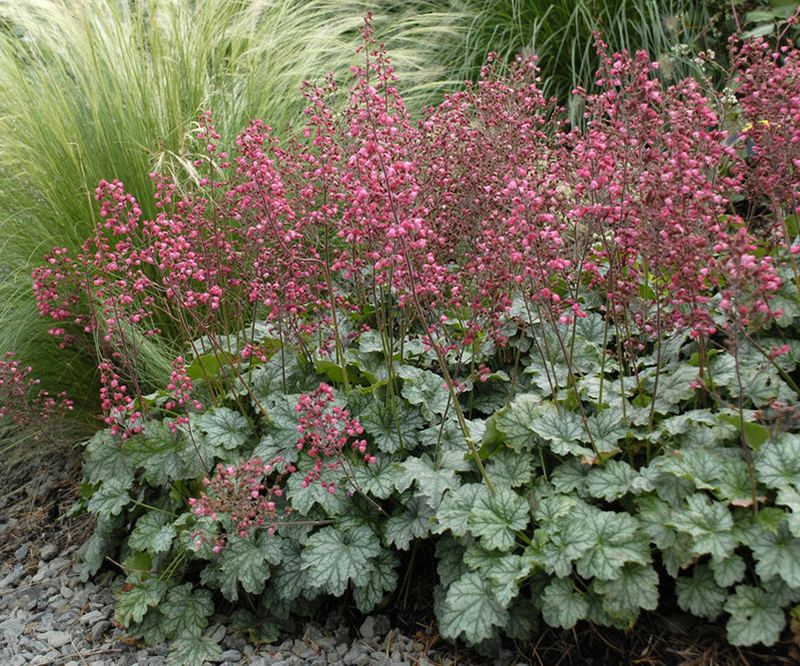
Heuchera, commonly known as coral bells, is a perennial plant prized for its stunning foliage and vibrant flowers. Whether or not Heuchera should be cut back depends on the specific conditions and desired outcomes for the plant. In general, cutting back Heuchera can be beneficial, especially to promote healthy growth and maintain appearance.
Reasons to Cut Back Heuchera
Cutting back Heuchera can provide several advantages. Here are some key reasons why gardeners might consider this practice:
See also:
- Encourages New Growth: Pruning can encourage fresh foliage to sprout, leading to a more vigorous plant.
- Improves Air Circulation: By removing old leaves, you enhance air circulation which can help prevent fungal diseases.
- Enhances Appearance: Cutting back allows for a tidier look, especially after the blooming period when flowers may begin to fade.
When to Cut Back Heuchera
The timing for cutting back Heuchera is crucial for optimal results. Here are some guidelines for when to perform this task:
- After Flowering: Prune the plant after it has finished blooming, typically in late summer or early fall.
- In Early Spring: Cutting back hard in early spring can rejuvenate the plant before the growing season begins.
- As Needed: Remove any damaged or yellowing leaves throughout the growing season to maintain plant health.
How to Cut Back Heuchera
Proper techniques for cutting back Heuchera can significantly impact its recovery and growth. Here are some recommended steps:
- Use Clean Tools: Always use sharp and clean pruning shears to prevent disease transmission.
- Cut at the Base: When cutting back, trim the leaves close to the base of the plant, avoiding damage to the crown.
- Avoid Over-Pruning: Be cautious not to remove more than one-third of the plant at a time to ensure it remains healthy.
Signs Your Heuchera Needs Pruning
Recognizing when Heuchera needs pruning is key to maintaining its health and appearance. Here are common signs:
- Yellowing Leaves: If leaves turn yellow, it can indicate overwatering or aging, signaling the need for pruning.
- Leggy Growth: Stretched or sparse growth can suggest the plant is not thriving and could benefit from a trim.
- Post-Bloom Decline: After flowering, if the plant appears unkempt, it’s time for a cleanup to encourage fresh growth.
Potential Risks of Cutting Back Heuchera
While cutting back Heuchera can be beneficial, there are certain risks to consider. Here are potential downsides:
- Over-Pruning: Removing too much foliage can stress the plant and hinder its recovery.
- Timing Issues: If you prune at the wrong time, it may result in decreased flowering or stunted growth.
- Exposure to Elements: Cutting back too late in the season can expose the plant to harsh winter conditions without adequate protection.
How to revive old heuchera?

To revive old heuchera, also known as coral bells, you need to assess the plant's condition and provide the necessary care. Heucheras can become tired over time, but with some attention, they can flourish again. Follow these steps to revive your old heuchera:
1. Inspect for Damage: Start by looking for any signs of damage or disease, such as brown or yellowing leaves, wilting, or root rot. Prune away any dead or damaged foliage to encourage new growth. Healthy leaves are key for photosynthesis and overall plant vigor.
2. Watering Practices: Ensure your heuchera is receiving adequate water. Too much or too little can stress the plant. Water the plant deeply when the top inch of soil feels dry. Maintain consistent moisture but avoid waterlogging to prevent root rot.
3. Soil Quality: Heucheras prefer well-draining soil. If you notice compacted or poor-quality soil, consider mixing in organic matter like compost or peat moss to improve drainage and fertility. This helps the roots access nutrients and water more effectively.
4. Fertilization: Fertilizing your heuchera can provide the necessary nutrients to revive its growth. Use a balanced, slow-release fertilizer in early spring to support new growth. Be cautious not to over-fertilize, as this can cause more harm than good.
See also:
5. Proper Light Conditions: Ensure that your heuchera is located in an appropriate light condition. They thrive in partial to full shade. If your plant is exposed to intense, direct sunlight, consider relocating it to a shadier spot to prevent leaf scorch.
Inspecting and Pruning Your Heuchera
To effectively revive an old heuchera, inspecting and pruning the plant is crucial. Start by removing all the dead or damaged leaves to allow for new growth and to prevent disease spread. Regularly check for pests such as aphids or spider mites, as these can stress the plant further. Healthy plants will produce vibrant foliage, contributing to overall aesthetics.
- Examine leaves closely for discoloration or spots.
- Use clean, sharp scissors to prune effectively.
- Dispose of any diseased plant material properly.
Watering Techniques for Heuchera Revival
Proper watering techniques are essential for reviving your heuchera. Overwatering and drought can both be detrimental. Always check the soil moisture before watering. Heuchera prefers a moist but well-drained environment; letting the soil dry slightly between waterings can promote healthier roots.
- Water deeply to encourage root growth.
- Check the soil's moisture level routinely.
- Avoid watering late in the day to reduce fungal issues.
Enhancing Soil Quality
The quality of the soil in which your heuchera is planted directly impacts its health. Amending the soil with organic matter not only improves drainage but also enhances nutrient availability. Aim for a loose, nutrient-rich soil mix that allows roots to expand and thrive.
- Add compost or well-rotted manure to the soil.
- Incorporate perlite or sand to enhance drainage.
- Test soil pH and amend if necessary; heucheras prefer slightly acidic to neutral pH.
Fertilizing Tips for Optimal Growth
Fertilizing old heuchera can reinvigorate its growth. A balanced fertilizer can provide essential nutrients. It’s best to fertilize in the spring, just as growth begins, ensuring the plant has what it needs to push out new foliage.
- Select a slow-release or organic fertilizer.
- Follow the instructions for application rates carefully.
- Avoid fertilizing later in the growing season to prevent excess growth before winter.
Assessing Light Conditions
The light conditions in which your heuchera is grown can greatly influence its health. Heucheras generally thrive in partial to full shade. If placed in too much sunlight, leaves can become scorched and the plant may suffer.
- Observe sun exposure throughout the day.
- Relocate the plant if it’s in full sun for extended periods.
- Consider using garden shade cloth for particularly hot locations.
Questions from Our Readers
What causes leggy heuchera?
Leggy heuchera often results from insufficient light and can also occur in overly nutrient-rich soil. When plants do not receive enough sunlight, they stretch out in search of light, causing the stems to become elongated and weak. Regularly assessing the plant's environment can help prevent this issue.
How can I prevent my heuchera from becoming leggy?
To prevent leggy heuchera, ensure they receive adequate sunlight—ideally, four to six hours of filtered light daily. Additionally, avoid over-fertilizing, as too many nutrients can encourage excessive growth. Choosing the right location and monitoring light conditions can greatly impact your plant's health.
Can I prune my leggy heuchera to make it bushier?
Yes, you can prune leggy heuchera to encourage a bushier growth habit. Cutting back the tall, leggy stems to just above the leaves helps stimulate new growth and can result in a fuller plant. Regular pruning can maintain an attractive shape and health in your heuchera.
What specific care should I provide after addressing leggy growth?
After addressing leggy growth, ensure your heuchera receives proper watering and mulching to support recovery. Maintaining a balanced environment with adequate sunlight and air circulation will help the plant thrive. Additionally, using a suitable fertilizer at the right times can enhance overall health.
See also:
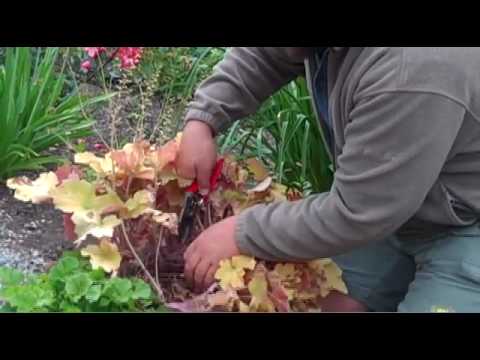
If you want to read more articles like How Do You Deal with Leggy Heuchera? Essential Tips for Gardeners, we recommend you check out our Heuchera category.
Leave a Reply
Related Articles