Do Heuchera Spread? Essential Tips for Growing and Caring for Heuchera Plants

Heuchera, commonly known as coral bells, are stunning perennial plants cherished for their vibrant foliage and charming bell-shaped flowers. As gardeners seek ways to enhance their landscapes, the question arises: do Heuchera spread? Understanding their growth habits is essential for successful cultivation. This article delves into the spreading tendencies of Heuchera plants while providing essential tips for their care and maintenance. Whether you're a seasoned gardener or a novice, these insights will help you maximize the beauty and health of your Heuchera, ensuring they thrive in your garden for years to come.
Do Heuchera Spread?
Heuchera, commonly known as coral bells, can indeed spread, although their growth habit is somewhat limited compared to other garden plants. These perennials propagate primarily through offsets or division, allowing them to expand their presence in the garden over time. Heucheras form clumps that will gradually increase in size, and under favorable conditions, they may also self-seed, albeit not aggressively. To manage their spread, gardeners can divide the clumps every few years, ensuring that the plants remain healthy while controlling their size and distribution.
Propagation Methods
Heuchera can be propagated through several methods, including division, seed, and cuttings. The most common method is division, which involves carefully separating the established clumps into smaller pieces. This is typically done in the spring or fall, when the plants are not actively growing. Seeds can be sown, but they require specific conditions to germinate, and many gardeners prefer division for quicker results. Cuttings can also be taken, but this method is less frequently used for Heuchera.
Growing Conditions
For Heuchera to spread effectively, they need the right growing conditions. These plants thrive in well-drained soil with moderate moisture. They prefer partial shade, although some varieties can tolerate full sun. The soil should be rich in organic matter to promote healthy growth. Proper spacing during planting can also influence their ability to spread, as crowded conditions may limit their expansion.
Maintenance Practices
Maintaining Heuchera is essential to encourage their spread. Regular watering and fertilization promote healthy growth and vigor. Mulching around the base can help retain moisture and suppress weeds, which can compete for nutrients. Additionally, periodic deadheading and removing old foliage can enhance air circulation and reduce diseases, further supporting the plant’s growth and spread.
Self-Seeding Potential
Heuchera has a modest self-seeding potential, which can contribute to its spread in the garden. After flowering, the plants produce seed pods that can disperse seeds if left undisturbed. However, the success rate of these seedlings is variable, and not all will produce plants identical to the parent. Gardeners looking to maintain specific cultivars may wish to deadhead spent flowers to prevent unwanted seedlings.
Controlling Their Spread
While Heuchera can spread, controlling their growth is often necessary for garden aesthetics. To manage their spread, annual division is recommended, allowing the gardener to keep the plants healthy while controlling the amount of space they occupy. Additionally, keeping an eye on their self-seeding tendencies is crucial, as excessive seedlings can lead to overcrowding in the desired planting areas.
| Propagation Method | Details |
|---|---|
| Division | Separating clumps for new plants. |
| Seed | Requires specific conditions for germination. |
| Cuttings | Less frequently used method for propagation. |
Does Heuchera spread?
:strip_icc()/purple-palace-coralbells-heuchera-2af3c0c3-775561fbb7d440628cfd2aa9e14ab616.jpg)
Heuchera, commonly known as coral bells, is a perennial plant known for its attractive foliage and colorful flowers. When it comes to the spread of Heuchera, it is important to understand how this plant grows and how it can be propagated.
Understanding Heuchera Growth
Heuchera plants grow primarily by means of rhizomes, which are horizontal underground stems. These rhizomes allow the plant to spread over time. As the plant matures, new leaves will emerge from these rhizomes, creating a denser clump.
- Rhizomes: The underground stems enable cloning of the plant as they grow.
- Clump Formation: Heucheras form tight clumps, which can expand gradually over the years.
- Growing Conditions: The rate of spread can depend on environmental factors such as sunlight, soil quality, and moisture.
Methods of Propagation
Heuchera can be propagated through several methods, all of which contribute to its spread. Understanding these methods can help gardeners manage their growth effectively.
- Division: This method involves carefully separating the clumps and replanting them.
- Seed Production: Although not the most common method, Heuchera can be grown from seeds.
- Cuttings: Taking cuttings from established plants can also lead to new growth.
Factors Influencing Spread
The rate at which Heuchera spreads can be influenced by various factors, such as care and environmental conditions. Understanding these factors can help you cultivate a more vibrant garden.
- Light Exposure: Heuchera prefers partial shade to full shade, which can affect its growth rate.
- Soil Type: Well-draining, rich soil supports optimal growth.
- Watering: Consistent moisture levels without waterlogging are crucial for healthy growth.
Controlling the Spread of Heuchera
For those looking to keep Heuchera manageable, there are several strategies to control its spread effectively.
See also:
- Regular Maintenance: Periodic division of clumps prevents overcrowding.
- Careful Planting: Give enough space between plants when first planting to allow for natural spreading.
- Judicious Watering: Avoid overwatering since it can encourage excessive growth.
Designing with Heuchera
Heuchera can be used creatively in garden design, and understanding its spreading behavior is essential for planning purposes.
- Color Choices: Select varieties with different leaf colors to create visual interest.
- Layering: Use Heuchera in various layers alongside other perennials for a full look.
- Grouping: Plant in groups for a bold splash of color rather than distributing individually.
How do you multiply heuchera?
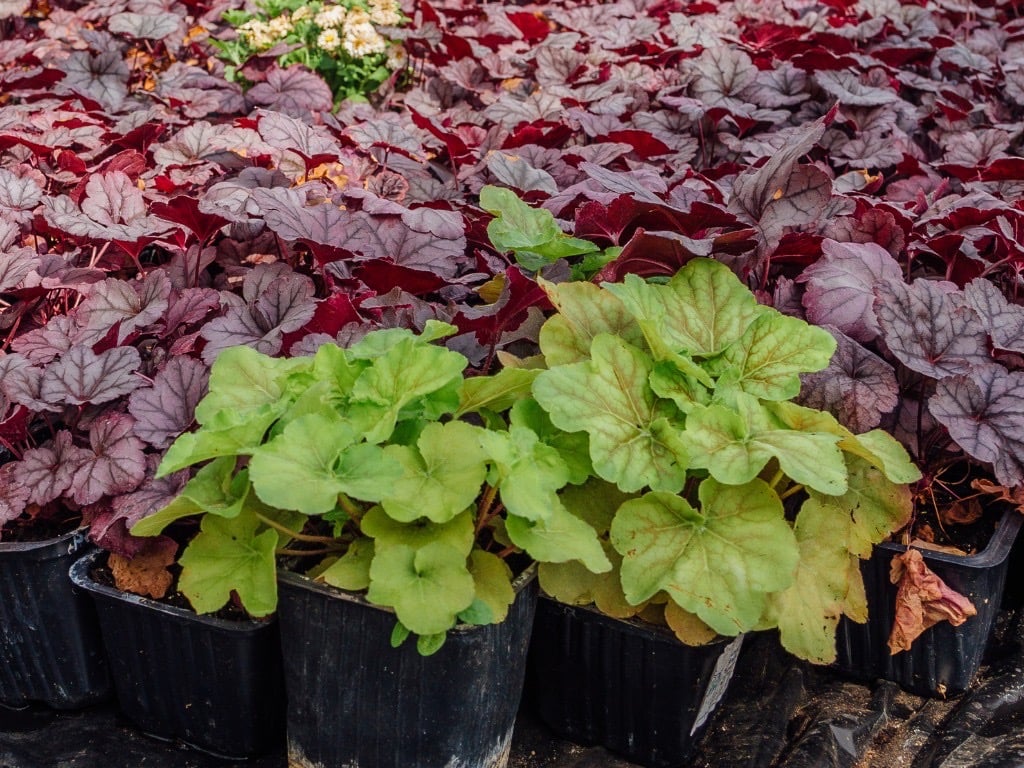
To multiply heuchera, also known as coral bells, there are several effective methods. The most common methods include division and propagation from cuttings. Here’s a detailed look at how to do it.
Dividing Heuchera
Dividing heuchera is a straightforward process that not only helps in multiplying the plant but also promotes healthier growth. This method is best done in early spring or fall when the plant is not in full bloom.
- Carefully dig up the entire heuchera plant using a spade or garden fork.
- Gently shake off the excess soil from the roots and inspect the root system for natural divisions.
- Using a clean, sharp knife, cut the roots into sections, ensuring each section has at least one crown with roots attached.
- Replant the divisions immediately in suitable garden soil or containers, ensuring they are at the same depth as they were previously.
Propagating Heuchera from Cuttings
Another effective way to multiply heuchera is through cuttings. This method allows for propagation without disturbing the root system of the original plant. It’s best performed in spring or early summer.
- Select healthy stems from the heuchera plant that are around 4-6 inches long with no flowers.
- Using a sharp, sterile knife, cut the stems just below a leaf node, as this is where roots are likely to develop.
- Remove the lower leaves from the cuttings, leaving a couple of leaves at the top.
- Dip the cut end in rooting hormone to encourage root growth, then plant the cuttings in a pot with moist potting mix.
- Cover the pot with a plastic bag or a plastic dome to create a humid environment to promote rooting.
Using Seeds to Grow Heuchera
Though less common, growing heuchera from seeds is another method. This might take longer than the other methods but can be rewarding.
- Gather seeds from mature heuchera plants once the seed pods turn brown and dry.
- Sow the seeds in a seed-starting mix, covering them lightly with soil.
- Keep the soil consistently moist and place the trays in a warm area with indirect sunlight.
- Once seedlings have developed a few sets of true leaves, transplant them into larger containers.
Watering and Care for New Plants
After multiplying your heuchera, it is essential to provide proper care to ensure their successful growth.
- Water the newly planted divisions or cuttings thoroughly and keep the soil consistently moist but not soggy.
- Place the plants in a location with partial shade to protect them from extreme heat, adapting as they grow.
- Fertilize lightly with a balanced fertilizer every few weeks to promote healthy growth during the growing season.
Common Issues and Solutions
Even with proper methods, heuchera can sometimes face issues post-multiplication. Here are some common problems and solutions.
- If the leaves begin to yellow, check for overwatering and adjust your watering schedule accordingly.
- For pests, inspect the undersides of leaves regularly and treat with insecticidal soap if necessary.
- If the plants appear leggy, ensure they are getting enough light and adjust their location for better exposure.
How many years do coral bells last?

Coral bells, scientifically known as Heuchera, are perennial plants that are appreciated for their colorful foliage and delicate flowers. On average, coral bells can last anywhere from 3 to 5 years in a garden setting. However, with proper care and optimal growing conditions, some varieties can thrive for up to 7 years or more. Factors such as soil quality, watering practices, and local climate can significantly impact their longevity.
Factors Affecting Longevity
The lifespan of coral bells is influenced by several environmental and maintenance factors:
- Soil Quality: Well-drained, nutrient-rich soil promotes healthy root development.
- Watering: Consistent watering without over-saturation is crucial for preventing root rot.
- Sunlight: Coral bells prefer partial shade; too much direct sunlight can stress the plant.
Signs of Aging in Coral Bells
As coral bells age, gardeners should look for specific signs indicating that the plant may need replacement:
- Reduced Flowering: A decrease in flower production may indicate that the plant is aging.
- Leaf Discoloration: Leaves turning yellow or brown may suggest declining health.
- Stunted Growth: A lack of new growth can signify that the plant is outgrowing its space or nutrient supply.
Best Practices for Maintenance
To extend the life of your coral bells, adhere to these maintenance practices:
See also:
- Fertilization: Applying a balanced fertilizer can enhance growth and vitality.
- Mulching: Using mulch helps retain soil moisture and suppress weeds around the plants.
- Dividing Plants: To rejuvenate aging plants, divide them every few years and replant them.
Common Pests and Diseases
Pests and diseases can shorten the lifespan of coral bells if not managed properly. Key concerns include:
- Aphids: Small insects that can weaken plants by feeding on sap.
- Fungal Infections: Issues like powdery mildew can spread in humid conditions and harm foliage.
- Root Weevils: These pests may damage roots, leading to stunted growth.
Choosing the Right Variety
Different varieties of coral bells can have varying lifespans and growing conditions. Consider the following:
- Cold Hardy Varieties: Opt for varieties that can withstand local climate conditions.
- Color Preferences: Some varieties produce more resilient foliage and flowers.
- Growth Habit: Choose varieties that match your garden’s layout and design needs.
Where is the best place to plant heucheras?
To achieve optimal growth and visual appeal with heucheras, it is essential to consider the right planting location. Heucheras, also known as coral bells, thrive best in environments that mimic their native woodland habitats. They prefer a mix of sun and shade, though certain varieties can tolerate full sun. Here are some key factors to keep in mind when determining the best place to plant heucheras:
Sunlight Requirements
Heucheras need an appropriate balance of sunlight to flourish. Here are some points to consider regarding sunlight:
- Partial Shade: Most heuchera varieties thrive best in partial shade, especially in warmer climates.
- Morning Sun: They can benefit from a few hours of morning sun, which helps them produce vibrant foliage colors.
- Avoid Harsh Afternoon Sun: In hotter regions, it's wise to avoid placing them in direct afternoon sunlight, as it can lead to leaf scorch.
Soil Type
The soil quality plays a crucial role in the health of heucheras. Consider these soil characteristics:
- Well-Drained Soil: Heucheras prefer soil that drains well to prevent root rot.
- Rich Organic Matter: Incorporating compost or well-rotted manure into the soil can provide essential nutrients.
- pH Level: Aim for slightly acidic to neutral soil (pH 6.0 - 7.0) for optimal growth.
Watering Needs
Watering is another critical factor in your heuchera's success. Here’s what to keep in mind about their watering needs:
- Consistent Moisture: Heucheras prefer consistently moist soil, but be sure not to overwater.
- Monitor During Hot Weather: During hot periods, it may be necessary to water more frequently to keep the soil moist.
- Mulching: Applying a layer of mulch can help retain moisture and regulate soil temperature.
Spacing and Planting Design
Proper spacing and design can enhance the visual impact of your heucheras. Here are some tips for effective planting:
- Spacing: Leave sufficient space (12-18 inches) between plants to ensure good airflow and reduce the risk of diseases.
- Layering: Plant taller plants behind heucheras to create a tiered effect in your garden design.
- Companion Planting: Pair heucheras with other shade-loving perennials to create interesting color combinations.
Climate Considerations
Understanding your local climate is vital for successfully planting heucheras. Consider the following aspects:
- Hardiness Zones: Check your planting zone; heucheras typically thrive in USDA zones 3 to 9.
- Temperature Fluctuations: Be mindful of sudden temperature changes, which can stress the plants.
- Seasonal Care: Adjust care practices according to seasonal changes for optimal growth throughout the year.
Questions from Our Readers
Do heuchera plants spread easily?
Heuchera plants do not spread easily as they are not considered aggressive spreaders. Instead, they tend to grow in clumps and can expand gradually over time. However, they mainly propagate through division rather than self-seeding, making them easier to manage in garden settings.
How do I encourage heuchera to spread?
To encourage heuchera to spread, you can practice division every few years during the spring or fall. This involves separating the clumps and replanting them in different areas of your garden, promoting new growth and a more extensive spread.
Will heuchera plants take over my garden?
No, heuchera plants are generally not invasive and will not take over your garden. They are more likely to remain in their designated areas, providing a vibrant splash of color without the risk of overpowering other plants.
Do heuchera require much space to grow?
Heuchera plants need a moderate amount of space to grow properly. When planted, they typically require about 12 to 24 inches between each plant, which allows room for their clumping nature and encourages healthy growth without overcrowding.
See also:

If you want to read more articles like Do Heuchera Spread? Essential Tips for Growing and Caring for Heuchera Plants, we recommend you check out our Heuchera category.
Leave a Reply
Related Articles