Essential Guide: Do I Cut Back Coral Bells in Winter? Tips for Care and Maintenance

Coral bells, known for their vibrant foliage and delicate flower spikes, are a beloved addition to many gardens. However, as winter approaches, gardeners often wonder whether to cut back these perennial plants. Understanding the proper care and maintenance techniques during the colder months is essential for ensuring their health and beauty in the spring. This guide will provide valuable insights on whether to trim coral bells in winter, along with helpful tips to protect them from harsh weather conditions. By following these recommendations, you can nurture your coral bells effectively, allowing them to thrive year after year.
Should I Cut Back Coral Bells in Winter?
During winter, it is usually not necessary to cut back coral bells (Heuchera), as these hardy perennials can endure cold temperatures without major issues. Instead of trimming them down, it is advisable to leave the foliage intact, as it provides protection to the plant's crown and roots. The old leaves can also help to insulate the plant, preventing frost damage. In spring, once new growth begins to emerge, you can remove any dead or damaged leaves to maintain a tidy appearance and encourage healthy growth.
Understanding Coral Bells Growth Patterns
Coral bells are known for their vibrant foliage and delicate flowers, which typically bloom in late spring and early summer. They have a unique growth cycle, with foliage that often remains attractive even in winter months. Understanding this cycle can help you decide whether to cut back the plants or leave them be. The foliage not only adds aesthetic value but also serves to photosynthesize during milder winter days, contributing to the overall health of the plant when spring arrives.
Benefits of Leaving Foliage Intact
Keeping the foliage of coral bells intact during winter can provide several benefits. The leaves act as a natural barrier against severe weather conditions, helping to shield the plant from harsh winds and freezing temperatures. This insulation prevents the soil around the roots from erratic temperature changes, which can encourage strong root development and promote resilience in the following growing season. In addition, the dead foliage can be an aesthetic element in winter gardens.
Signs That Pruning is Necessary
Although cutting back coral bells in winter is generally not needed, there may be instances where it is beneficial. For instance, if you notice any signs of disease or significant damage, such as browning or rotting leaves, it may be prudent to prune these problem areas. Removing unhealthy foliage can help prevent the spread of diseases and contribute to the overall vigor of the plant. Stay vigilant for any issues throughout the winter months.
Optimal Time for Pruning Coral Bells
If you choose to prune your coral bells, the optimal time for this task is in early spring when the new growth starts to emerge. At this time, you can easily identify which leaves are dead or damaged and can be removed. This approach ensures that you are not cutting away healthy foliage that provides essential nutrients and energy to the plant during the winter months. Timing your pruning correctly will promote robust growth as the weather warms.
Using Mulch to Protect Coral Bells
An effective way to protect your coral bells during the winter without cutting them back is to apply a layer of mulch around the base of the plants. Mulch serves as a barrier that retains moisture, moderates soil temperature, and provides additional insulation against harsh winter conditions. Organic mulches, such as shredded leaves or wood chips, can break down over time and add nutrients to the soil, thus enhancing the growth and health of your coral bells in the upcoming growing season.
| Action | Timing | Purpose |
|---|---|---|
| Leave foliage intact | Winter | Protection and insulation |
| Prune dead/damaged leaves | Early Spring | Health maintenance |
| Apply mulch | Before winter | Soil temperature regulation |
Do you cut coral bells down for the winter?

When it comes to cutting back coral bells (Heuchera) for the winter, the decision largely depends on the climate and specific growth conditions of the plant. Coral bells are perennial plants that thrive in a variety of environments. In general, cutting them back is not necessary, but it can be beneficial in certain circumstances.
Reasons to Cut Coral Bells Back in Winter
Cutting back coral bells can help in maintaining their health and appearance. However, the following points should be considered:
See also:
- Preventing Disease: By removing dead or dying foliage, you can help prevent pest infestation and diseases that might affect the plant.
- Improving Appearance: A winter clean-up can enhance the garden's aesthetic by removing any unsightly leaves.
- Encouraging New Growth: Cutting back can stimulate healthy growth in the spring as the plant diverts energy to new shoots.
How to Properly Cut Back Coral Bells
When you decide to cut back coral bells, it’s essential to do so correctly to avoid harming the plant. Here’s how to do it properly:
- Timing: Wait until late fall or early winter, when the foliage begins to die back naturally.
- Tools: Use clean, sharp pruning shears to make clean cuts that won't damage the plant.
- Cutting Technique: Trim the leaves to a few inches above the ground, without cutting into the crown of the plant.
Benefits of Leaving Coral Bells Untouched
In some cases, it may be advantageous to leave coral bells uncut through winter:
- Winter Protection: The foliage can help insulate the roots and protect them from severe frost.
- Wildlife Habitat: Leaving the foliage intact can provide shelter for beneficial insects over the winter.
- Natural Aesthetics: The dried foliage can add a rustic and natural look to the winter garden landscape.
Signs That Coral Bells Need Cutting Back
While coral bells are generally low-maintenance, certain signs indicate that cutting back may be needed:
- Yellowing Leaves: If the leaves turn yellow or start dying before winter, this may indicate stress or disease.
- Overcrowding: If the plant appears crowded with dead and decaying leaves, it might benefit from a trim.
- Pest Issues: Visible pests or signs of disease can warrant cutting back to prevent further spread.
Common Mistakes When Cutting Coral Bells
Avoiding common pitfalls when caring for coral bells can ensure their health:
- Cutting Too Early: Pruning too soon can expose the plant to harsh winter conditions.
- Over-Trimming: Cutting back too much can weaken the plant and may lead to poor regrowth in spring.
- Ignoring Plant Health: Failing to assess the plant's condition before cutting can lead to hasty decisions affecting its health.
Alternative Winter Care for Coral Bells
If cutting back is not preferred, consider other winter care options to maintain healthy coral bells:
- Mulching: Apply a layer of organic mulch around the base to retain moisture and regulate soil temperature.
- Watering: Ensure adequate watering before the ground freezes to help the plant through winter.
- Monitoring: Check periodically for pests or diseases throughout the winter season and take necessary actions.
When should coral bells be pruned?
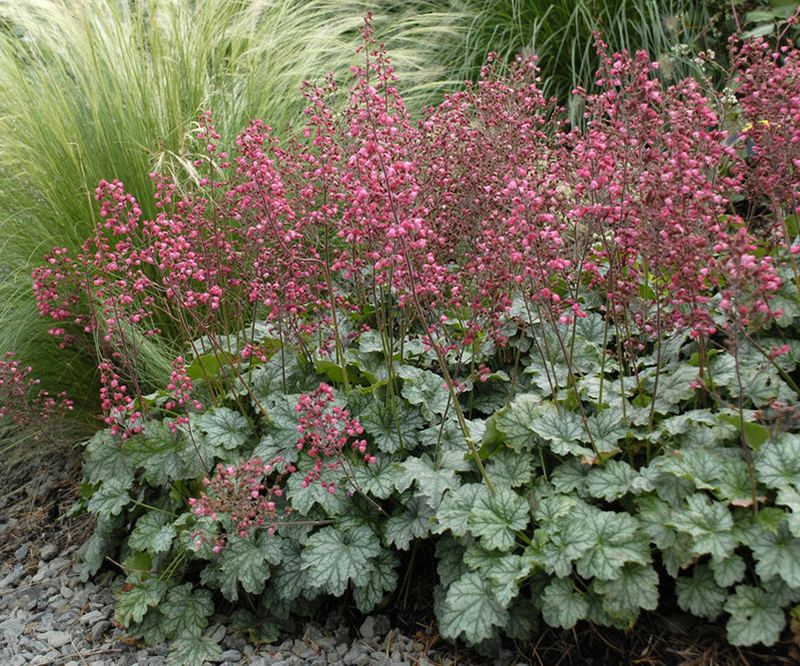
Coral bells, scientifically known as Heuchera, are popular perennials valued for their vibrant foliage and delicate flowers. Pruning is a crucial part of their maintenance to promote healthy growth and enhance their appearance. Pruning should generally be done in late winter or early spring before new growth begins. This timing allows you to remove any dead or damaged leaves and encourages the plant to focus its energy on new foliage and blooms.
Best Time for Pruning Coral Bells
Pruning coral bells is ideally performed during specific times of the year. The best time is usually in late winter or early spring, just before the new growth starts. This timing helps to:
- Remove any dead or damaged foliage that accumulated over the winter.
- Encourage stronger growth as the plant comes out of dormancy.
- Prepare the plant for new blooms by allowing better air circulation.
What to Cut When Pruning
When pruning coral bells, there are specific elements to focus on. You should look for:
- Dead leaves: Remove any leaves that have turned brown or wilted.
- Damaged stems: Cut back stems that show signs of damage or rot.
- Old growth: Prune away any old foliage to make way for fresh growth.
How to Prune Coral Bells
The process of pruning coral bells involves careful techniques to ensure plant health. Here's how to do it effectively:
- Use clean, sharp pruning shears to avoid damaging the plant.
- Cut back the leaves to the base of the plant where they meet the crown.
- Dispose of clippings properly to avoid the spread of disease.
Frequency of Pruning
Coral bells do not require frequent pruning; however, regular maintenance is beneficial. The frequency depends on several factors:
See also:
- Seasonal conditions: In areas with harsh winters, more frequent pruning may be necessary to manage winter damage.
- Plant health: Regularly inspect the plants for any signs of disease or pest damage that may require additional pruning.
- Growth habit: Prune more often if the plants become overly leggy or overcrowded in pots or borders.
Post-Pruning Care for Coral Bells
After pruning coral bells, providing proper care is essential for their recovery and growth. Consider the following:
- Water the plants thoroughly to encourage new growth.
- Apply a balanced fertilizer to support healthy foliage production.
- Ensure adequate sunlight exposure to promote vigorous growth.
How to protect coral bells in winter?

To protect coral bells during winter, it is essential to prepare them properly as the cold months approach. Coral bells, or Heuchera, are fairly hardy plants, but their survival depends on adequate care and protection during harsh weather. Here are some steps to help ensure their health through winter.
1. Mulching
Applying a layer of mulch around the base of the coral bells is one of the best practices for winter protection. Mulch helps insulate the roots and retain moisture.
- Choose organic materials such as shredded leaves, straw, or bark mulch.
- Apply a thick layer (about 2-3 inches) to shield the plant from the cold.
- Make sure not to pile mulch directly against the crown of the plant to prevent rot.
2. Watering Before Freezing Temperatures
Before the temperatures drop significantly, giving your coral bells a good soak is crucial. Moist soil can help protect the roots.
- Water the plants thoroughly a week before the first expected freeze.
- Ensure that the water penetrates deeply into the soil, reaching the root zone.
- Avoid watering once the ground is frozen to prevent waterlogging.
3. Protective Covering
In regions with extreme winter conditions, adding a protective cover can be beneficial.
- Use floating row covers or frost cloth to shield the plants from frost.
- Avoid using plastic sheeting as it can trap moisture and cause fungal issues.
- Remove the covering on sunny days to let the plants breathe and avoid overheating.
4. Pruning and Cleanup
Preparing coral bells for winter involves pruning and cleaning up dead foliage.
- Remove any dead or damaged leaves to reduce the risk of disease.
- Cut back the foliage to about 2-3 inches above the ground if necessary.
- Clear away any debris around the plants to prevent pests and fungal diseases.
5. Container Plant Care
For coral bells grown in containers, additional care is needed to prevent freezing.
- Move containers to a sheltered location, such as a garage or shed.
- Wrap containers with bubble wrap or burlap for insulation.
- Ensure that pots have drainage holes to prevent water accumulation, which could freeze.
Questions from Our Readers
Do I cut back coral bells in winter?
It's generally recommended not to cut back coral bells in winter. These plants can benefit from leaving their foliage intact during the colder months, as it helps to protect the roots and maintain some insulation against harsh weather conditions.
When is the best time to cut back coral bells?
The best time to cut back coral bells is in early spring, just before new growth appears. This allows you to remove any dead or damaged foliage while encouraging fresh growth for the upcoming growing season.
How much should I cut back my coral bells?
When cutting back your coral bells, you should aim to remove about one-third of the plant's height. Focus on trimming away any dead or wilted leaves, while preserving healthy foliage that can continue to support the plant.
See also:
Can I leave the dead foliage on coral bells for winter protection?
Yes, leaving the dead foliage on coral bells can provide valuable winter protection. It acts as a natural barrier against cold temperatures and heavy snowfall, helping to shield the roots from extreme conditions while also maintaining moisture in the soil.

If you want to read more articles like Essential Guide: Do I Cut Back Coral Bells in Winter? Tips for Care and Maintenance, we recommend you check out our Heuchera category.
Leave a Reply
Related Articles