Ultimate Guide: How to Multiply Heuchera Plants? Expert Tips and Techniques

Heuchera, commonly known as coral bells, are beloved for their striking foliage and vibrant colors, making them a popular choice for gardens and landscapes. If you're looking to expand your collection or share these stunning plants with fellow gardeners, knowing how to effectively multiply Heuchera can be incredibly rewarding. In this ultimate guide, we will explore expert tips and techniques for propagating these resilient perennials. From division to leaf cuttings, we’ll cover everything you need to know to ensure successful growth and thriving plants. Get ready to enhance your gardening skills and enjoy the beauty of Heuchera in abundance!
Methods of Multiplying Heuchera Plants
Heuchera plants, also known as coral bells, can be effectively multiplied through several methods, with division being the most straightforward approach. To multiply your heuchera, wait until the plants are established and have reached a good size, typically in early spring or fall. Lift the plant with care, ensuring to preserve the root system, and gently separate the clumps into smaller sections using a sharp spade or knife. Each section should have a healthy amount of roots and at least one crown from which new growth can emerge. After dividing, replant the sections in well-draining soil with enough space between them to allow for growth, and water them gently to help them settle in.
Dividing Heuchera Plants
To divide heuchera plants, start by selecting a mature plant that has outgrown its current space. Water the plant thoroughly the day before division to reduce stress on the roots. Use a spade or garden fork to carefully lift the plant from the ground and shake off excess soil. Once out, identify the natural divisions in the root ball and use a sharp knife to cut through the roots, ensuring that each division has at least a few roots and leaves. Replant the divisions immediately and water them well to establish them in their new locations.
Propagation by Seeds
Propagating heuchera by seeds is less common but can be rewarding. First, collect seeds from the spent flowers of a mature heuchera plant after they dry out. Prepare seed trays filled with a light seedling mix and scatter the seeds over the surface, covering them lightly with soil. Keep the trays in a warm, humid environment, ideally around 65-70°F (18-21°C). Provide indirect sunlight and keep the soil moist but not soggy; germination may take several weeks. Once seedlings develop a few true leaves, they can be transplanted into larger pots.
Using Cuttings for Propagation
Cuttings can also be used to propagate heucheras. In late spring or early summer, take softwood cuttings from the tips of healthy stems. Each cutting should be about 4-6 inches long and have at least a couple of leaves. Remove the lower leaves and dip the cut end in rooting hormone to promote faster root development. Plant the cuttings in a sterile potting mix and cover them with a plastic bag or a propagator to create humidity. Place them in a bright location away from direct sunlight and keep the soil moist. Roots should develop within a few weeks.
Choosing the Right Time for Multiplication
The best times for multiplying heuchera plants are in early spring or fall. During these seasons, the plants are actively growing, which helps them recover from the shock of division or transplantation. Spring is ideal for ensuring the plants have ample time to establish before the heat of summer, while fall provides a serene period for growth before winter dormancy. Timing is key to successful propagation, as it allows the plants to adapt and thrive in their new positions.
Soil and Care Requirements
When multiplying heuchera plants, it is crucial to choose the right soil and care regimen. Heucheras prefer well-draining soil enriched with organic matter, such as compost. They thrive in partial to full shade, making it essential to assess the sunlight conditions in your garden before planting. Ensure the soil is kept uniformly moist but not soggy to avoid root rot, and apply mulch around the base of the plants to retain moisture and regulate soil temperature. Regular watering and occasional fertilization during the growing season will promote healthy growth.
| Method | Timing | Importance |
|---|---|---|
| Division | Spring/Fall | Quick establishment of plants |
| Seeds | Late Spring | Genetic diversity |
| Cuttings | Late Spring/Summer | Fast propagation |
How do you multiply heuchera?
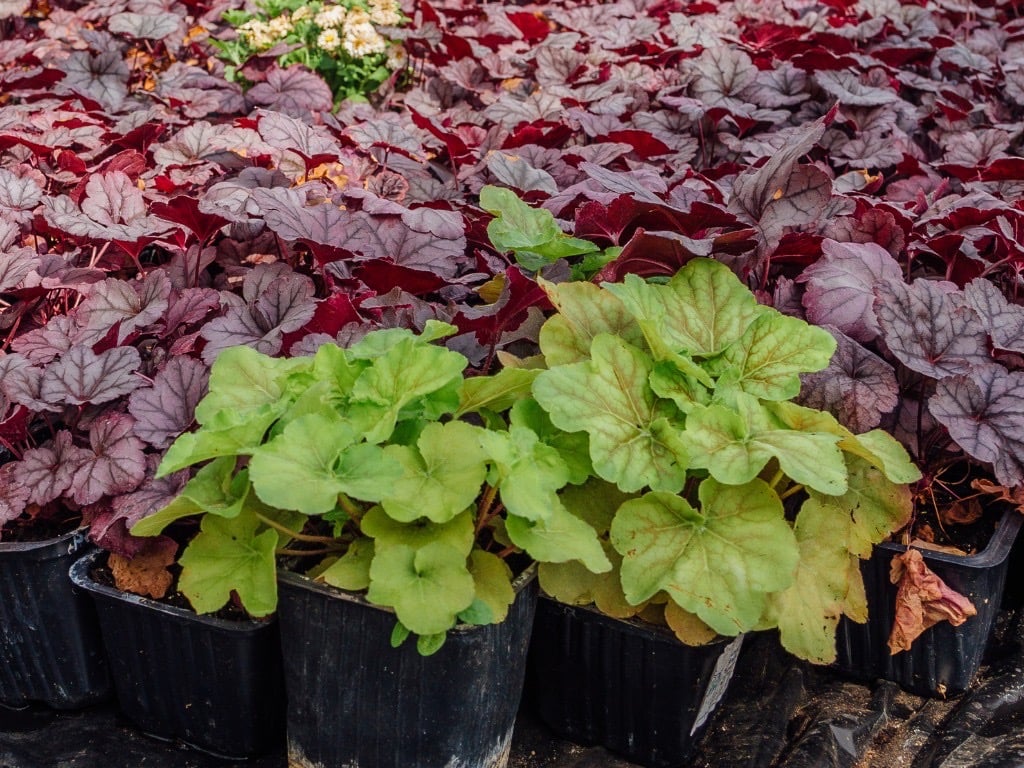
To multiply heuchera, also known as coral bells, the most effective methods are through division or cuttings. Both methods can be employed effectively to propagate these beautiful perennial plants. Here’s a detailed guide on how to multiply heuchera.
Division Method
Dividing heuchera is one of the simplest and most common ways to multiply this lovely plant. This method is best done in early spring or fall when the plant is not under stress from heat or drought.
See also:
- Prepare the Area: Choose a suitable location with well-drained soil and proper sunlight conditions.
- Remove the Plant: Carefully dig around the base of the heuchera using a spade or garden fork. Lift the plant gently to avoid damaging the roots.
- Divide the Roots: Once removed, shake off excess soil and look for natural divisions in the root clump. Use a sharp, clean knife to cut the root ball into several smaller sections, ensuring each section has roots and leaves.
- Replant: Immediately replant the divisions in suitable soil, water them well, and provide protection from direct sunlight until they are established.
Cuttings Method
Taking cuttings is another effective method for multiplying heuchera, although it requires a bit more care and attention.
- Select Healthy Stems: Choose a healthy heuchera plant and select robust stems without any signs of disease or pest damage.
- Take Cuttings: Use sharp sterilized scissors to cut 3-4 inch stems just below a leaf node. Remove any lower leaves.
- Prepare for Rooting: Dip the cut end of each stem in rooting hormone to enhance root development, although this step is optional.
- Plant the Cuttings: Place the cuttings in a pot filled with moist potting soil, ensuring they are planted deeply enough to stay upright. Cover the pot with a plastic bag or a clear lid to retain moisture.
- Maintain Conditions: Keep the cuttings in a warm area with indirect sunlight and check for moisture regularly until roots develop.
Soil Requirements
Heuchera thrives in well-draining soil. Proper soil conditions are vital for successful multiplication and plant health.
- Soil Type: Use a mix of potting soil and perlite or sand to improve drainage.
- pH Level: Aim for a slightly acidic to neutral pH ranging from 6.0 to 7.0, which is optimal for heuchera growth.
- Nutrients: Incorporate organic matter such as compost to improve soil fertility and structure.
Watering Practices
Effective watering practices are essential for both newly propagated heuchera and established plants.
- Initial Watering: After replanting or taking cuttings, water the soil thoroughly to eliminate air pockets.
- Regular Watering: Maintain consistent moisture but avoid overwatering, which can lead to root rot.
- Observation: Monitor the plants for signs of wilting or yellowing leaves, which may indicate both underwatering or overwatering.
Optimal Light Conditions
The amount of light that heuchera receives will significantly affect its growth and reproduction.
- Light Duration: Heuchera generally prefers partial shade to filtered sunlight. Too much sun can scorch the leaves.
- Morning Sun: Providing morning sunlight with afternoon shade helps enhance their vibrant leaf colors without causing heat stress.
- Adjustments: If plants are not thriving, consider relocating them to find the balance between light and shade that suits the specific variety.
What time of year to divide heuchera?
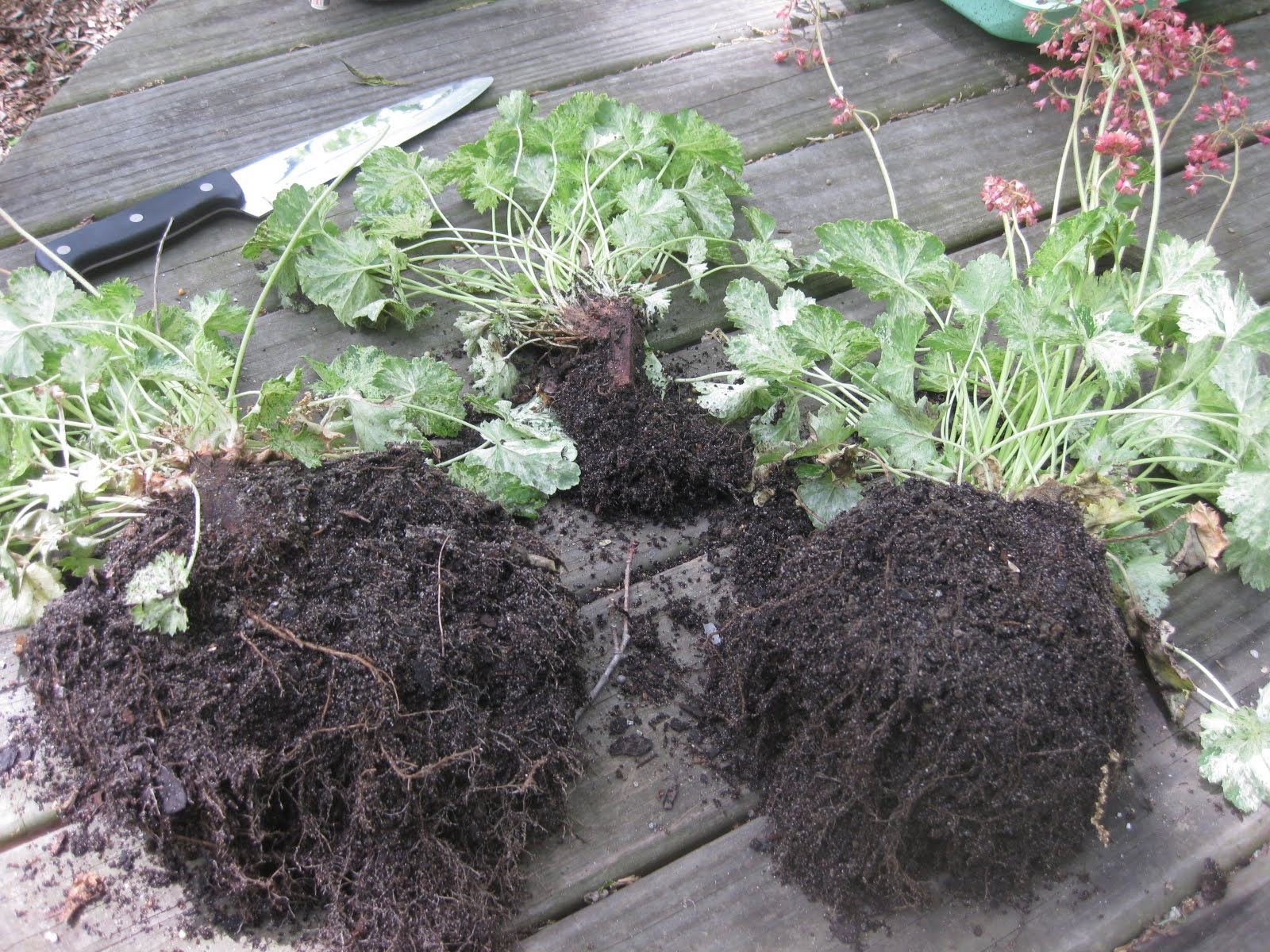
Heucheras, commonly known as coral bells, should ideally be divided in the spring or early fall. This timing allows the plants to establish themselves in their new locations before facing stressful weather conditions, such as the heat of summer or the cold of winter. Dividing heuchera during these periods ensures better growth and blooming performance.
Best Time for Division
Dividing heucheras is best done in early spring, typically when the new growth starts to emerge. This timing allows the plant to rapidly recover and adapt after being divided. An alternate time is early fall, just before the first frost, which gives the plants a chance to settle into their new spot before the dormancy of winter.
- Early Spring: When new growth is visible.
- Early Fall: Before the first frost.
- Avoid Summer & Late Fall: Stressful for the plant.
Signs That Heuchera Needs Division
Knowing when to divide heuchera is as important as the time of year you choose. Heuchera plants may show signs of overcrowding, such as reduced flowering or declining health. If your plants seem to be losing vigor, it may be time for a division.
- Reduced flower production.
- Overcrowded growth habit.
- Overall decline in plant health.
Preparation Before Division
Before diving into dividing heucheras, preparation is key. Ensuring your tools are clean and that you have a suitable area for replanting or potting the divided sections will support their recovery. Adequate soil amendments can enhance the quality of care for the new divisions.
- Gather clean pruning tools.
- Prepare planting space with amended soil.
- Ensure sufficient water for the divided plants.
Steps to Divide Heuchera
The process of dividing heuchera involves a few careful steps. Begin by lifting the plant from the ground, shaking off excess soil, and then separating the root clumps. Making sure that each division has enough roots and foliage is crucial for successful reestablishment.
See also:
- Lifting the plant gently from the soil.
- Shaking off excess soil to expose roots.
- Separating the root clumps carefully.
Post-Division Care
After dividing heuchera, proper care is pivotal. Newly divided plants need consistent moisture and protection from harsh sunlight while they establish their roots in the new spot. Keep an eye on the plants for signs of stress, and provide support as necessary.
- Water regularly, keeping soil moist but not soggy.
- Provide shade for the first few weeks post-division.
- Monitor for pests or diseases.
Can you grow heuchera from cuttings?

Yes, you can grow heuchera from cuttings, but it requires specific techniques to ensure successful propagation. Heuchera, commonly known as coral bells, is a perennial plant known for its vibrant foliage and attractive flowers. The best method to propagate heuchera from cuttings is through softwood cuttings taken in late spring or early summer when the plant is actively growing. Here is a detailed guide on the process of growing heuchera from cuttings.
How to Take Heuchera Cuttings
To ensure successful propagation, it is essential to take cuttings properly. To do this:
- Select healthy stems that are about 4 to 6 inches long.
- Use sharp, sterilized scissors or pruning shears to make a clean cut just below a leaf node.
- Remove the lower leaves to reduce moisture loss, leaving only a couple of leaves at the top of the cutting.
Preparing Cuttings for Rooting
Once you have taken the cuttings, prepare them for rooting:
- Dip the cut end of each heuchera cutting into rooting hormone to encourage root growth.
- Fill small pots or trays with a lightweight, well-draining potting mix suitable for cuttings.
- Make a hole in the soil with a pencil or your finger and insert the cutting, ensuring the leaf node is buried.
Creating an Ideal Environment
The right environment is crucial for rooting your heuchera cuttings:
- Place the pots in a location with bright, indirect sunlight; direct sunlight can scorch the cuttings.
- Maintain a warm temperature, ideally between 65°F to 75°F (18°C to 24°C) to promote root development.
- Cover the pots with a plastic bag or a propagation dome to maintain humidity, ensuring proper ventilation to prevent mold.
Watering and Care for Cuttings
Caring for the cuttings during the rooting process is vital:
- Keep the soil consistently moist but not soggy; overwatering can lead to rot.
- Check the cuttings regularly for moisture and mist them if necessary to maintain humidity.
- After a few weeks, gently tug at the cuttings; resistance indicates that roots are developing.
Transplanting Heuchera Seedlings
Once the cuttings have developed roots, it's time to transplant them:
- Prepare a new pot with a suitable potting mix or choose a suitable garden spot.
- Carefully remove the cuttings from the propagation pots, avoiding damage to the roots.
- Plant them at the same depth as they were in the propagation pot and water thoroughly to help settle the soil.
Questions from Our Readers
How can I propagate heuchera plants?
Heuchera plants can be propagated through division and leaf cuttings. The most common method is division, where you carefully separate the clumps of the plant in early spring or fall. Ensure that each division has roots and healthy leaves, and then replant them in a suitable location.
When is the best time to multiply heuchera plants?
The best time to multiply heuchera plants is in early spring or late fall when the temperatures are cooler. This timing allows the plants to establish new roots before the heat of summer sets in, promoting a healthier growth for the newly propagated plants.
See also:
What tools do I need to multiply heuchera plants?
To multiply heuchera plants, you will need a few essential tools: a sharp garden spade or knife for cutting, pruners for trimming the leaves, and pots or containers filled with well-draining potting soil for planting the divisions or cuttings.
How long does it take for heuchera divisions to establish?
Heuchera divisions typically take about 4 to 6 weeks to establish roots after being planted. During this time, it's important to keep the soil moist but not soggy, allowing the young plants to acclimate and grow without stress.

If you want to read more articles like Ultimate Guide: How to Multiply Heuchera Plants? Expert Tips and Techniques, we recommend you check out our Heuchera category.
Leave a Reply
Related Articles