Will Heuchera Self-Seed? Exploring the Self-Seeding Potential of Heuchera Plants

Heuchera, commonly known as coral bells, is celebrated for its attractive foliage and delicate flowers, making it a popular choice among gardeners. However, one intriguing question often arises: will Heuchera self-seed? Understanding the self-seeding potential of these plants can significantly influence gardening strategies and landscape design. In this article, we will delve into the factors that affect the self-seeding behavior of Heuchera, exploring its reproductive mechanisms, environmental influences, and practical implications for gardeners. By examining both the advantages and challenges associated with self-seeding Heuchera, we aim to provide valuable insights for those looking to cultivate these beautiful plants more effectively.
Will Heuchera Self-Seed?
Heucheras, commonly known as coral bells, are perennials that can sometimes produce seeds; however, they are not prolific self-seeders. While these plants will produce flowers that can develop into seeds, the conditions must be just right for them to successfully germinate and grow. Factors such as pollination, environmental conditions, and the health of the parent plant all influence whether heucheras will self-seed. Gardeners often find that heucheras tend to cling to their parent characteristics, meaning many seedlings may not exhibit the traits of the original variety. Therefore, while heucheras might self-seed occasionally, relying on this for propagation is generally not effective.
What Conditions Favor Self-Seeding in Heuchera?
For heucheras to successfully self-seed, several conditions need to be met. These include having a suitable pollinator population, optimal soil conditions, and the right amount of moisture. Heucheras thrive in well-drained soil with consistent moisture, and they need enough light, typically partial to full shade. When these conditions are met, there is a higher likelihood that the seeds will germinate and grow into new plants.
How to Encourage Self-Seeding in Your Garden
To encourage self-seeding in heuchera, gardeners can allow the flowers to bloom fully before deadheading them. This practice enables the plant to focus its energy on producing seeds. Additionally, cultivating a garden environment that attracts pollinators, like bees and butterflies, can significantly enhance the chances of successful fertilization and seed formation. Creating an appropriate microclimate with those conditions in mind can further boost self-seeding success.
What to Do with Heuchera Seeds
If you collect seeds from your heuchera plants, they can be planted in early spring or fall. Heuchera seeds require light to germinate, so it's best to scatter them on the surface of moist soil rather than burying them. Covering the seeds lightly with a fine layer of soil can help retain moisture but avoids compacting the seeds too much. Patience is key, as germination can take several weeks, depending on the conditions provided.
Are Seedlings True to Type?
One important factor to consider is that heuchera seedlings may not always be true to type. This means that the characteristics of the new plants can differ significantly from those of the parent plant. Hybrid varieties may produce offspring with varying colors, foliage types, and sizes. In many cases, the uniqueness of each seedling can be an exciting aspect of gardening, but it can also lead to surprises in the garden as the plants mature.
Table of Common Heuchera Varieties and Their Characteristics
| Variety | Flower Color | Foliage Type | Height |
|---|---|---|---|
| Palace Purple | Pale pink | Dark burgundy | 12-18 inches |
| Caramel | White | Golden amber | 10-15 inches |
| Chocolate Ruffles | White | Dark chocolate | 10-12 inches |
| Georgia Peach | White | Peachy-orange | 12-16 inches |
| Mint Julep | Pink | Mint green | 12-20 inches |
Do heuchera spread from seed?

Heucheras, commonly known as coral bells, can spread through seeds, but it is not their primary mode of reproduction. These plants typically propagate more effectively via vegetative methods such as division. However, if you are interested in the seed propagation of Heuchera, here is a detailed explanation.
Seed Production in Heuchera
Heucheras produce small, intricate flowers that can develop into seeds. The ability to produce seeds is dependent on the flowering process, which occurs during specific seasons. Here are key aspects of Heuchera seed production:
- Flowering Season: Heuchera generally flowers in late spring to early summer.
- Pollination: The flowers are pollinated by various insects, leading to seed formation.
- Seed Development: After pollination, seeds can take several weeks to mature, depending on environmental conditions.
Germination Process
Once seeds are harvested, they require specific conditions to germinate successfully. Understanding the germination process is crucial for growing Heuchera from seed:
- Cold Stratification: Seeds typically need a cold treatment to simulate winter conditions before germination.
- Planting Depth: Seeds should be sown at a shallow depth in well-draining soil.
- Moisture Levels: Maintaining consistent moisture without overwatering is essential for germination.
Challenges of Seed Propagation
While growing Heuchera from seeds is possible, there are several challenges to consider that may affect success rates:
- Low Germination Rates: Many Heuchera seeds may not germinate due to dormancy or viability issues.
- Time-Consuming: Seed propagation can take longer than vegetative propagation methods.
- Variability: Seed-grown plants may not maintain the same characteristics as the parent plant, leading to unexpected traits.
Best Practices for Growing from Seed
To improve your chances of successfully growing Heuchera from seeds, consider these best practices:
- Use Fresh Seeds: Always use freshly harvested seeds, as older seeds may lose viability.
- Provide Adequate Light: Ensure seedlings receive sufficient light once they emerge.
- Transplant Timing: Transplant seedlings outdoors after the last frost to prevent damage.
Alternatives to Seed Propagation
If you find seed propagation too challenging, you may want to explore alternative methods for propagating Heuchera:
See also:
- Division: The most common method where mature plants are split into smaller sections.
- Cuttings: Taking stem or leaf cuttings can also yield new plants.
- Offsets: Some varieties produce offsets that can be separated and planted.
How do you multiply heuchera?
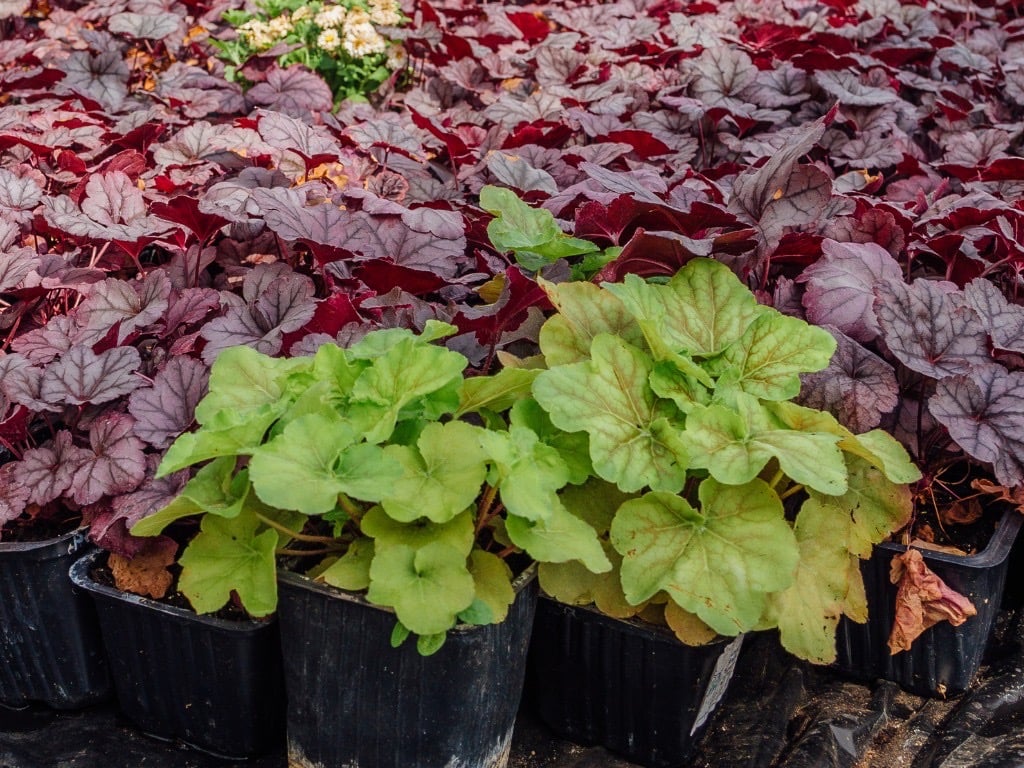
To multiply heuchera, also known as coral bells, you have a couple of methods at your disposal: division and propagation by cuttings. Here’s a detailed approach.
Division Method
Dividing heucheras is perhaps the most common and effective method of propagation. This method typically works best during early spring or late summer when the plant is actively growing. Here’s how to do it:
- Remove the plant from the pot: Gently take the heuchera out of its container, being careful not to damage its roots.
- Separate the roots: Using clean, sharp pruning shears, divide the root ball into sections, ensuring that each section has at least one healthy crown and roots.
- Replant segments: Immediately plant the divided sections into pots or garden beds, ensuring they are at the same depth they were previously growing.
Propagation by Cuttings
Heuchera can also be propagated through leaf cuttings, although this method can be slower. It's best to take cuttings during the spring. The following steps can guide you through this process:
- Select a healthy leaf: Choose a vibrant, mature leaf from the plant that shows no signs of disease.
- Cut the leaf: Cut the leaf into sections, making sure each piece is large enough to hold veins, as these will encourage root development.
- Plant the cuttings: Place the cuttings in a well-draining medium, water them lightly, and cover them with plastic to maintain humidity.
Maintaining Ideal Conditions
Regardless of the method you choose, creating the right conditions for your new heuchera is crucial. Here are some conditions to consider:
- Light: Ensure that the divided or propagated heuchera gets indirect sunlight, as too much direct sun may scorch the leaves.
- Water: Water the plants regularly, keeping the soil moist but not soggy to promote healthy root growth.
- Fertilizer: Consider using a dilute liquid fertilizer every few weeks to provide nutrients necessary for the new plants.
Timing for Division and Cuttings
Knowing the best time to propagate heuchera can significantly impact your success. Consider these timings:
- Spring Division: Early spring is the ideal time for division when the new growth is just beginning, giving the plant time to settle in.
- Summer Cutting: If propagating from cuttings, late spring or early summer is best, as the plant is actively growing.
- Fall Cautions: Avoid late summer or fall for division, as plants may not establish roots before winter sets in.
Common Issues during Propagation
While propagating heuchera, certain issues can arise that may hinder success. Keep an eye out for:
- Disease: Watch for any signs of fungal infections or root rot in cuttings; healthy plants are crucial for propagation.
- Overwatering: Be cautious not to overwater, as this can lead to root diseases and hinder growth.
- Temperature: Maintain a consistent temperature, as heucheras prefer moderate temperatures to thrive during propagation.
Will coral bells self-seed?
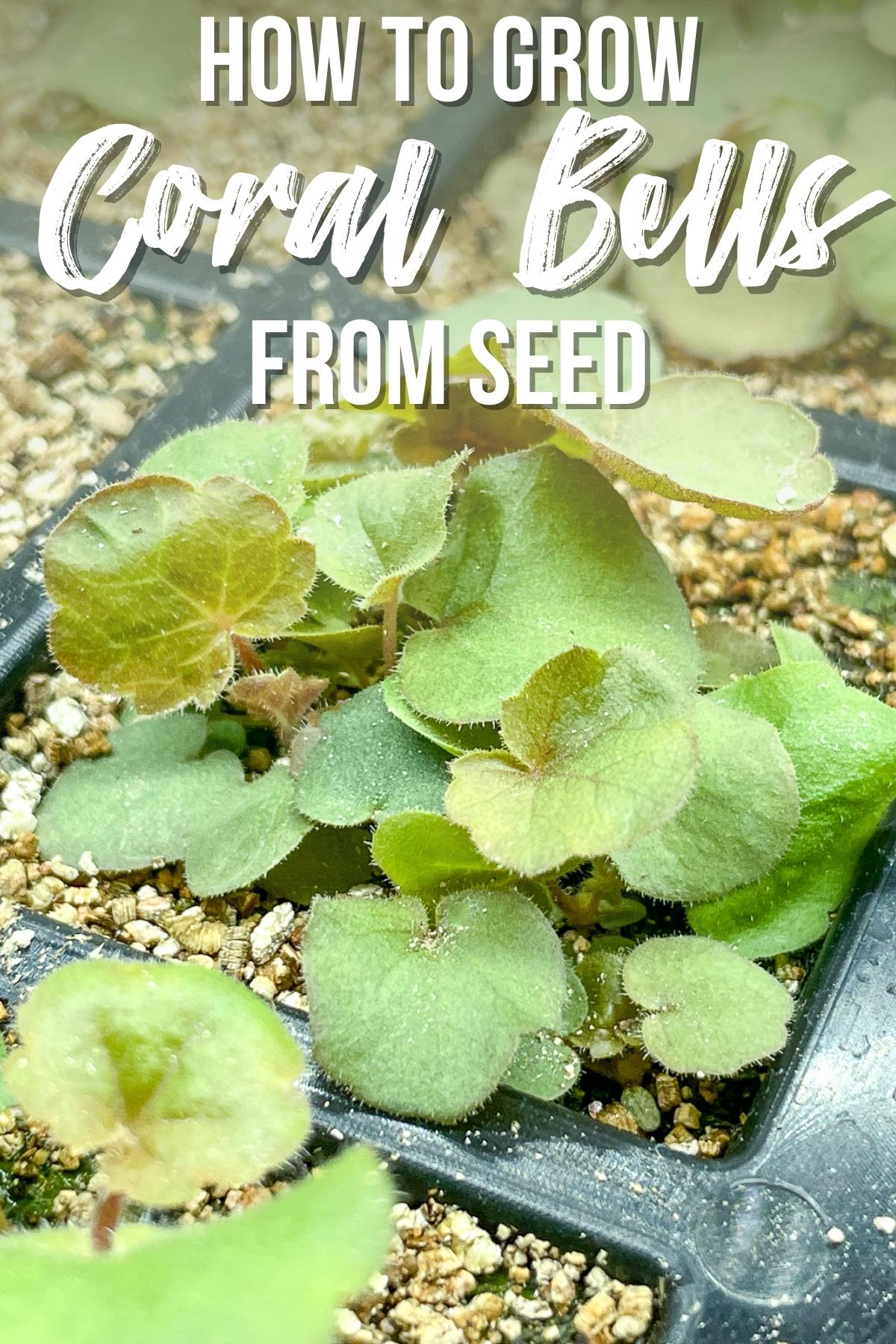
Coral bells, also known as Heuchera, are popular perennials prized for their colorful foliage and delicate flowers. Regarding self-seeding, coral bells have the potential to self-seed, but the extent and effectiveness of this process can vary based on multiple factors.
Self-seeding Mechanism of Coral Bells
Coral bells can indeed produce seeds after flowering, which occurs typically in the late spring or early summer. However, whether these seeds germinate and grow into new plants depends on several conditions:
- Pollination: The flowers of coral bells attract various pollinators, which can facilitate the pollination process necessary for seed production.
- Growing Conditions: Adequate light, moisture, and soil conditions influence seed germination rates.
- Plant Maturity: Only mature plants are likely to produce viable seeds that can germinate successfully.
Factors Influencing Self-Seeding
Several factors can significantly affect the ability of coral bells to self-seed.
See also:
- Soil Quality: Healthy, nutrient-rich soil enhances seed growth prospects.
- Climate: The regional climate, including temperature and moisture levels, can impact whether seeds germinate.
- Competition: Presence of other plants may compete for light and nutrients, inhibiting coral bell seedlings from thriving.
Optimal Conditions for Germination
For coral bells seeds to germinate effectively, certain conditions must be met.
- Sunlight: Coral bells prefer partial shade to full shade for optimal growth.
- Moisture: Soil should remain consistently moist but well-drained to prevent rotting.
- Temperature: Cool to moderate temperatures are ideal for germination.
Potential Challenges of Self-Seeding
While the self-seeding of coral bells can be beneficial, several challenges may arise.
- Seed Viability: Not all seeds produced will be viable; some may not germinate.
- Predation: Seeds can be eaten by wildlife, reducing the probability of new plants growing.
- Environmental Factors: Extreme weather conditions can negatively impact seed development and survival.
How to Encourage Self-Seeding
To promote self-seeding in coral bells effectively, gardeners can take specific steps.
- Leave Flower Stalks: Allow the flowers to develop fully before cutting them back, giving time for seed maturation.
- Avoid Over-fertilization: Excess nutrients can lead to weak seedlings; fertilize sparingly.
- Thin Out Competing Plants: Reducing competition will improve the likelihood of coral bell seedlings surviving.
Harvesting Coral Bells Seeds
Harvesting seeds from coral bells can be a rewarding process.
- Timing: Collect seeds when they are brown and dry, ensuring maximum viability.
- Storage: Store seeds in a cool, dry place before planting them in suitable conditions.
- Sowing Techniques: Follow proper techniques for planting seeds at the right depth for successful germination.
What is the lifespan of a heuchera?
:max_bytes(150000):strip_icc()/growing-coral-bells-heuchera-1402032-02-54110d0f9bed494397fc56d521ce79c4.jpg)
The lifespan of a heuchera, commonly known as coral bells, can vary depending on several factors, including the specific species, environmental conditions, and care practices. Generally, heucheras have a lifespan of approximately 3 to 5 years when grown under optimal conditions. However, with attentive care, some heuchera varieties can live longer, reaching up to 10 years or more.
Factors Affecting Lifespan
Several factors can influence the longevity of heuchera plants:
- Soil Quality: Well-draining, rich soil can promote healthier roots and longer life.
- Sunlight Exposure: Adequate sunlight (but not too much) is vital for their health.
- Watering Practices: Overwatering or underwatering can negatively impact their lifespan.
Cultivation and Care Tips
Proper care can significantly extend the lifespan of heucheras:
- Regular Pruning: Removing dead or damaged leaves helps maintain plant health.
- Fertilization: Using a balanced, slow-release fertilizer can nourish the plant.
- Pest Control: Monitoring for pests and diseases is essential to prevent damage.
Common Diseases and Pests
Heucheras can be susceptible to certain diseases and pests that may shorten their lifespan:
- Powdery Mildew: A fungal disease that can weaken plants, especially in humid conditions.
- Aphids: These pests can cause stress and damage to new growth.
- Root Rot: Often caused by overwatering or poor drainage, root rot can quickly kill the plant.
Signs of Aging in Heuchera
As heucheras age, there are specific signs to look for:
- Reduced Growth: Slower growth rates can indicate the plant is aging.
- Fading Leaf Color: Leaves may lose their vibrancy and become dull.
- Increased Susceptibility: Older plants may be more prone to diseases and pests.
Reviving Aging Heucheras
If you notice signs of aging, there are ways to rejuvenate your heuchera plants:
- Dividing the Plant: This can help revitalize older plants, allowing new growth to emerge.
- Improving Soil: Refreshing the soil can enhance nutrient availability and drainage.
- Adjusting Watering Habits: Ensure that the plant receives the right amount of water for its health.
Questions from Our Readers
Will heuchera self-seed?
Heucheras typically do not self-seed prolifically. While they may produce flowers that can develop into seeds, the likelihood of them germinating and producing new plants in your garden is quite low.
How can I encourage heuchera to seed?
To encourage heuchera to produce seeds, you should allow the flower stalks to remain intact after blooming. Once the flowers have faded, you can let the seed pods mature fully before harvesting them to increase the chances of successful germination.
See also:
What conditions are best for heuchera self-seeding?
Ideal conditions for heuchera self-seeding include well-draining soil and a location that receives partial shade. These conditions can help enhance the viability of any seeds that may form and develop.
Can I propagate heuchera from seeds?
Yes, you can propagate heuchera from seeds, although it is often more efficient to use cuttings or divisions. If using seeds, be sure to follow proper germination techniques to improve your chances of success.
If you want to read more articles like Will Heuchera Self-Seed? Exploring the Self-Seeding Potential of Heuchera Plants, we recommend you check out our Heuchera category.
Leave a Reply
Related Articles