Is Heuchera Full Sun or Shade? Essential Care Tips for Optimal Growth
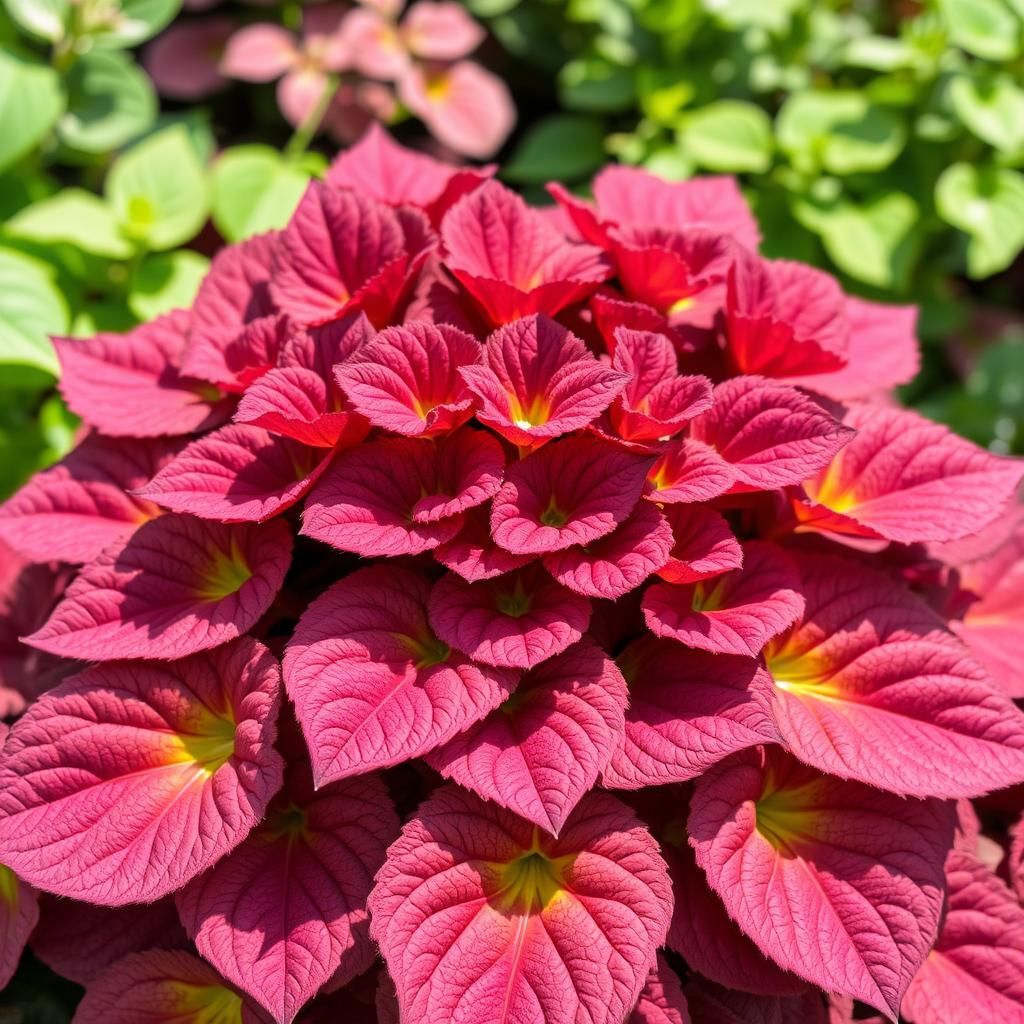
Heuchera, commonly known as coral bells, is a popular perennial admired for its vibrant foliage and delicate flowers. One of the key considerations for growing healthy Heuchera plants is understanding their light requirements: full sun or shade. This article will explore whether Heuchera thrives best in bright, sunny spots or prefers the cooler confines of shaded areas. Additionally, we will provide essential care tips to ensure optimal growth, including soil conditions, watering practices, and fertilization. Whether you’re a seasoned gardener or a novice, these insights will help you create the perfect environment for your Heuchera to flourish.
Is Heuchera Full Sun or Shade?
Heuchera, commonly known as coral bells, thrives in conditions that provide partial to full shade, depending on the specific cultivar and region. While these plants can tolerate some sunlight, especially in cooler climates, they often perform best when shielded from the harsh afternoon sun to prevent leaf scorch and maintain vibrant foliage colors. Therefore, it is crucial to consider the local climate when determining the appropriate light conditions for Heuchera, ensuring a balance that promotes healthy growth and an attractive appearance.
Light Requirements
Heuchera plants generally prefer partial shade to full shade, making them ideal for underplanting in woodland gardens or shaded patios. They can survive in full sun, but this condition is only suitable for regions with cooler climates. In hotter areas, afternoon sun can damage leaves, so providing some shade during the warmest parts of the day helps to keep the plants healthy and vibrant.
Effects of Too Much Sunlight
When exposed to excessive sunlight, Heuchera can suffer from a variety of issues such as leaf scorch, where the edges of the leaves turn brown and dry out. This not only detracts from their aesthetic appeal but can also hinder the plant's growth and overall health. It is crucial to monitor the exposure levels to protect these delicate plants, particularly in warmer climates, where strong sun can lead to severe damage.
Choosing the Right Location
Selecting an optimal location for Heuchera involves assessing both sunlight and shade factors. Areas that receive dappled sunlight or are located near taller plants that provide afternoon shade are ideal. This setting ensures plants get some light without becoming stressed from too much sun exposure, promoting healthy foliage and vibrant colors.
Benefits of Shade for Heuchera
The presence of shade can significantly benefit Heuchera plants by retaining moisture in the soil, which is essential for their growth. This exposure also helps to preserve the color of the leaves, as many cultivars showcase stunning hues that can fade under harsh sunlight. Additionally, filtered light can support floral displays, allowing the plant to produce beautiful blooms in spring and summer.
Tips for Growing Heuchera in Different Light Conditions
To successfully grow Heuchera in varying light conditions, gardeners should consider incorporating mulch to retain moisture and regulate soil temperature, especially in sunnier spots. Providing adequate spacing between plants promotes airflow and reduces humidity, which can help prevent disease. Moreover, regularly monitoring light exposure throughout the day will ensure that the plants are not receiving too much sunlight, thereby maintaining their vitality and color.
| Light Condition | Best for Heuchera | Potential Issues |
|---|---|---|
| Full Shade | Optimal growth with vibrant foliage | Overcrowding may lead to fungal issues |
| Partial Shade | Healthy growth, balanced moisture | Risk of some leaf burn in excess sun |
| Full Sun | Possible with cool climates | Leaf scorch, wilting, loss of color |
Where is the best place to plant heuchera?
:strip_icc()/purple-palace-coralbells-heuchera-2af3c0c3-775561fbb7d440628cfd2aa9e14ab616.jpg)
To determine the best place to plant heuchera, consider the specific needs of this versatile perennial plant, which is celebrated for its attractive foliage and the ability to flourish in various conditions. Heucheras thrive in areas with partial shade to full shade, making them suitable for a range of garden scenarios. They prefer well-drained soil and can tolerate some drought, but consistent moisture is ideal for optimal growth.
Light Conditions
Heucheras do best in partial to full shade. Too much direct sunlight can scorch their leaves, especially in hotter climates. Therefore, selecting a spot that receives filtered sunlight or dappled shade is essential for maintaining foliage color and health.
- Choose areas under deciduous trees where they can get shade in summer but sunlight in winter.
- Consider the north side of buildings or walls that block harsh afternoon sun.
- Avoid planting them in locations with intense, direct sunlight for prolonged periods.
Soil Quality
Heucheras thrive in well-drained soil that retains some moisture without becoming waterlogged. Soil quality plays a critical role in the plant's overall health and vigor.
- Use amended soil with plenty of organic matter, such as compost, to enhance drainage and nutrients.
- Test soil pH; heucheras prefer slightly acidic to neutral pH levels of about 6.0 to 7.0.
- Avoid heavy clay or sandy soils that do not hold moisture adequately.
Climate Considerations
The climate of your planting location significantly affects how well heuchera plants grow. These plants are known for their adaptability, but they do have limitations based on temperature and humidity.
- Identify hardiness zones; many heuchera varieties grow well in zones 3 to 9.
- Consider your local climate; in extremely hot areas, find shaded spots to mitigate stress during the summer.
- In colder climates, planting them in sheltered spots can protect them from harsh winter winds.
Companion Planting
Choosing the right companion plants can enhance the growing conditions of heuchera and create a visually appealing garden.
See also:
- Pair with shade-loving perennials like ferns and hostas that share similar needs.
- Utilize bulbs or annuals such as begonias that bloom alongside heuchera to add color.
- Avoid planting near aggressive plants that may compete for nutrients and moisture.
Watering Needs
Heucheras require careful management of watering to thrive. While they can tolerate drought, consistent moisture is necessary for optimal performance.
- Water deeply but infrequently; allow the top inch of soil to dry out before watering again.
- Mulching can help retain soil moisture and regulate temperature around the root zone.
- Be cautious with overwatering, as this can lead to root rot and other fungal diseases.
What heucheras do well in full sun?
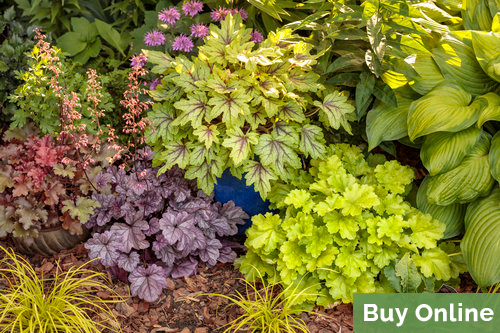
To address the question of what heucheras do well in full sun, it is important to note that heucheras, commonly known as coral bells, are known for their attractive foliage and ability to thrive in various lighting conditions. Certain varieties are particularly well-suited for full sun exposure.
Choosing the Right Heuchera Varieties
When selecting heucheras that can withstand full sun, look for those specifically bred for brighter conditions. Some of the most resilient options include:
- Heuchera 'Caramel': With stunning caramel-colored foliage, this variety can endure full sun without wilting.
- Heuchera 'Southern Comfort': This variety showcases large, textured leaves that can adapt well to sunny environments.
- Heuchera 'Peach Flambe': Known for its striking peach tones, it holds up nicely under direct sunlight.
Sunlight Requirements for Heucheras
Understanding the sunlight requirements is crucial for the successful growth of heucheras. Most varieties prefer partial shade, but those that thrive in full sun need:
- A minimum of 6 hours of direct sunlight each day.
- Well-draining soil to prevent moisture retention, which can lead to root rot.
- Consistent watering, especially during exceptionally hot periods, to keep foliage vibrant.
Soil Composition and Drainage
The composition and drainage capabilities of your soil play a significant role in the health of heucheras in sunny locations. The ideal soil conditions include:
- Loamy or sandy soil, which allows for better drainage.
- Incorporating organic matter such as compost to enhance soil nutrition and moisture retention without waterlogging.
- Maintaining a pH level of around 6.0 to 6.8 to optimize nutrient uptake.
Watering and Maintenance Tips
Proper watering and maintenance are vital for the thriving of heucheras in full sun. Key practices include:
- Watering at the base of the plant early in the morning to reduce evaporation.
- Applying mulch around the base to retain soil moisture and keep roots cool.
- Regularly checking for pests, such as aphids or spider mites, which can be more prevalent in sunny areas.
Benefits of Planting Heucheras in Full Sun
Planting heucheras in full sun offers various benefits that enhance both the visual appeal of your garden and the plants' health. These benefits entail:
- Vibrant foliage colors that become more pronounced with increased sunlight.
- Increased resistance to disease and pests due to a dryer environment.
- Greater growth potential and robustness, leading to larger and more lush plant formations.
Does heuchera spread?
Heuchera, commonly known as coral bells, is a perennial plant valued for its attractive foliage and delicate flower spikes. When considering whether heuchera spreads, it is essential to understand its growth habits and propagation methods.
Understanding Heuchera Growth
Heuchera does not spread aggressively like some other plants but has specific growth behaviors. It tends to form dense clumps and can expand over time through a process called clumping.
- Clumping Habit: Heuchera grows in a rosette formation, producing new leaves from the center of the plant.
- Slow Spread: It can gradually increase its size but typically remains contained in its initial planting area.
- Maintenance Required: Regular division might be necessary to manage its size and promote health.
Propagation Methods for Heuchera
Propagation is a critical aspect of understanding how heuchera can spread in a garden setting. This plant can be propagated through various methods that do not involve aggressive spreading.
- Division: The most common method involves dividing established plants to create new ones.
- Seed Production: Heuchera can produce seeds, but this method is less common for gardeners due to variability.
- Cuttings: Taking cuttings from healthy plants can encourage new growth when planted properly.
When to Divide Heuchera
Dividing heuchera is essential to maintain healthy plants and can facilitate a better spread if desired in a garden.
See also:
- Timing: The best time to divide heuchera is in early spring or fall.
- Plant Health: Choose mature plants that have outgrown their space for effective division.
- Spacing: Ensure that newly divided plants have enough space to grow and flourish.
Considerations for Garden Placement
Heuchera's growth behavior also dictates its placement within a garden setting, which can impact how it interacts with other plants.
- Sunlight Requirements: These plants thrive in partial shade, which affects their growth rate.
- Soil Conditions: Well-draining soil contributes to healthier growth and longevity.
- Companion Planting: Pairing heuchera with compatible plants can enhance aesthetic appeal without overcrowding.
Common Varieties of Heuchera
Several varieties of heuchera exhibit diverse characteristics that can influence their growth patterns and spread.
- Heuchera 'Caramel': Known for its orange and caramel-colored foliage and compact growth.
- Heuchera 'Blackberry Crisp': Features dark foliage with a crisp texture, growing in a tight clump.
- Heuchera 'Palace Purple': A popular variety with deep purple leaves, known for its robust growth.
Can heuchera survive in full shade?
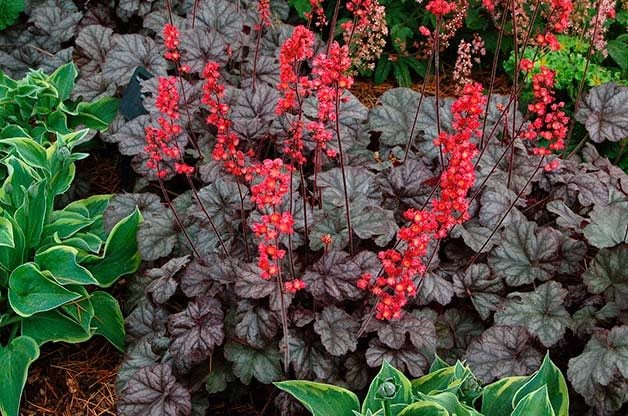
Heuchera, commonly known as coral bells, can tolerate a range of light conditions, including full shade. However, their overall health and vibrancy can be affected by the amount of shade they receive. Here’s a detailed exploration of their ability to thrive in such conditions.
Understanding Heuchera's Light Requirements
Heuchera plants prefer environments with partial to full shade, where they receive indirect sunlight. While they can survive in full shade, it is crucial to understand that direct sunlight helps in maintaining the plant's colors and overall vitality. Here are some key points about their light requirements:
- Adaptability: Heuchera can adapt to various light conditions, making it a versatile choice for different garden settings.
- Color Variability: In lower light conditions, the leaf colors may fade, lacking the vibrant hues typically seen in sunnier spots.
- Growth Rate: Heuchera in full shade may grow slower than those in areas with some light exposure.
Factors Influencing Heuchera's Success in Shade
The success of Heuchera in full shade is influenced by several environmental factors, such as soil type, moisture levels, and local climate. These factors create conditions that may either support or hinder its growth:
- Soil Quality: Well-drained, nutrient-rich soil can help improve their ability to thrive even in shade.
- Moisture Levels: Consistent moisture is vital, as shaded areas often retain dampness which can benefit the plants.
- Temperature Variability: Cooler temperatures in shaded areas can be beneficial, but extreme cold should be avoided.
Caring for Heuchera in Full Shade
When growing Heuchera in full shade, specific care practices are necessary to ensure the plants remain healthy and vibrant. Here are some tips for maintaining them:
- Watering: Regular watering is essential, but be cautious to prevent waterlogging.
- Fertilization: Using a balanced fertilizer can enhance growth, especially in nutrient-deficient soils.
- Pruning: Removing dead or diseased leaves can improve air circulation and overall plant health.
Pest and Disease Considerations
Heuchera grown in full shade may be susceptible to specific pests and diseases. Awareness and preparation can help mitigate these issues:
- Fungal Infections: Ensure good air circulation to prevent diseases like powdery mildew.
- Pests: Monitor for pests like aphids and slugs, which thrive in moist, shaded environments.
- Preventative Measures: Using organic insecticides or companion planting can help deter infestations.
Choosing the Right Heuchera Varieties for Shade
Selecting the right varieties of Heuchera can also make a difference in your success with these plants in full shade. Some varieties are more tolerant of low-light conditions:
- Heuchera 'Palace Purple': Known for its deep purple foliage, it performs well in shade.
- Heuchera 'Caramel': This variety offers stunning golden leaves that can brighten up shady corners.
- Heuchera 'Berry Smoothie': With its vibrant pink foliage, it adds color even in lower light scenarios.
Questions from Our Readers
Is Heuchera a full sun or shade plant?
Heuchera, commonly known as coral bells, generally thrives in partial shade but can tolerate full sun in cooler climates. However, in hotter areas, it's best to provide some afternoon shade to prevent leaf scorch.
What climate is best for growing Heuchera?
Heuchera prefers a climate with moderate temperatures, ideally thriving in USDA hardiness zones 4 to 9. In warmer regions, providing ample shade can help maintain the plant's health and vibrancy.
Can Heuchera survive in low light conditions?
While Heuchera can adapt to low light conditions, it typically performs best in partial shade. Insufficient light may lead to weaker growth and less vibrant foliage colors.
How often should Heuchera be watered in full sun?
When grown in full sun, Heuchera requires more frequent watering to keep the soil moist but not soggy. Typically, watering once or twice a week is sufficient, depending on the temperature and soil conditions.
See also:

If you want to read more articles like Is Heuchera Full Sun or Shade? Essential Care Tips for Optimal Growth, we recommend you check out our Heuchera category.
Leave a Reply
Related Articles