When to Split a Heuchera? Your Ultimate Guide to Optimal Timing and Techniques

Heucheras, commonly known as coral bells, are prized for their stunning foliage and versatility in the garden. Understanding when and how to split these plants is crucial for maintaining their health and promoting vigorous growth. This guide explores the optimal timing for splitting heucheras, ensuring that you maximize their potential in your landscape. Whether you're a seasoned gardener or a novice, mastering the techniques of division can lead to a more vibrant garden and an abundance of new plants. Join us as we delve into the best practices for successfully splitting heucheras and enhancing your garden's beauty.
When to Split a Heuchera?
Splitting a heuchera, commonly known as coral bells, is best done during the early spring or early fall when the plant is not in active growth. This timing allows the plant to establish its root system before the extreme temperatures of summer or winter set in. To determine if your heuchera is ready to be divided, look for signs such as overcrowding, where the plant's growth has diminished or the center is dying. Successfully splitting a heuchera can rejuvenate the plant and promote healthier growth, resulting in a more vibrant garden display.
Signs That It's Time to Split
One of the most common signs that a heuchera needs to be split is the presence of overcrowding in the garden bed. When the plants begin to compete for nutrients and space, their foliage may become smaller, and flowering might decrease. If you notice that your heuchera is becoming sparse in the center, this can indicate that it's time to divide it. Additionally, if the plant’s color is fading or if it has grown excessively large, you should consider splitting to help revitalize it.
Best Season for Splitting Heuchera
The best time to split a heuchera is typically in the spring or fall. In spring, the plants are waking from dormancy and can benefit from splitting which allows them to grow stronger and more vigorously throughout the growing season. Fall is another excellent option, especially in regions with mild winters, as it gives the plants time to settle into their new locations before facing colder weather. Timing your splits correctly will ensure that your heuchera thrives after being divided.
Tools Required for Splitting
Before splitting your heuchera, ensure you have the necessary tools on hand for a successful operation. You'll need a sharp spade or garden fork to carefully lift the plant from the ground, as well as a pair of gloves to protect your hands. Additionally, having a clean, sharp knife can be useful for cutting through tough roots. Don't forget to have a watering can or hose available to hydrate the newly split plants after replanting to help them settle in.
Steps to Split Heuchera Properly
To split a heuchera, start by choosing the right time and ensuring you have the necessary tools. First, gently dig around the plant to lift it from the soil, being careful not to damage the roots. Once the plant is out, shake off excess soil and inspect the root ball for natural divisions. If the plant is large, use a clean knife to divide it into smaller sections, ensuring each part has roots and foliage. Replant the divided sections immediately in suitable locations and water thoroughly to support their establishment.
Post-Splitting Care for Heuchera
After splitting your heuchera, the post-splitting care is crucial for its survival and growth. Ensure that the newly divided plants receive plenty of water to help settle the roots in their new location. It’s important to monitor their moisture levels, particularly during hot, dry spells. Applying a light layer of mulch around their base can help retain moisture and suppress weeds. Additionally, avoid fertilizing immediately after splitting; instead, wait until you observe new growth to ensure they are adapting well to their new environment.
| Aspect | Details |
|---|---|
| Best Seasons | Spring, Fall |
| Signs of Splitting | Overcrowding, Sparse Growth |
| Necessary Tools | Spade, Gloves, Knife |
| Post-Splitting Care | Watering, Mulching |
What are common signs that heuchera needs to be divided?

Heuchera, commonly known as coral bells, is a popular perennial plant appreciated for its colorful foliage. Recognizing when it needs to be divided is crucial for maintaining its health and promoting vigorous growth. Here are some common signs that indicate heuchera should be divided:
1. Decreased Growth and Vigor
When heuchera plants exhibit decreased growth and vigor, this is often a sign that they are becoming overcrowded. As they grow, they tend to form dense clumps that may compete for nutrients, water, and light.
See also:
- Slow Growth: If the plant is not producing new leaves or if existing ones appear stunted, it may need dividing.
- Poor Flowering: A significant reduction in flowering may indicate that the plant is not thriving in its current state.
- Thin Foliage: If the foliage appears sparse or unhealthy compared to previous years, it may be due to overcrowding.
2. Overcrowding and Root Bound Conditions
When heuchera becomes overcrowded, the roots can become bound, restricting their growth and access to essential resources.
- Visible Roots: Roots growing out of the pot's drainage holes or pushing up through the soil surface indicate that the plant needs more space.
- Crowded Appearance: If multiple plants are crammed together, it’s time to divide and provide them with room to grow.
- Compacted Soil: Overcrowded plants can lead to compacted soil, reducing drainage and affecting the plant's health.
3. Weak or Browning Leaves
Leaves that appear weak, discolored, or brown suggest that the heuchera is struggling and may need to be divided to rejuvenate the plant.
- Browning Edges: If the leaves show signs of browning or crisping, this can be a sign of root issues due to overcrowding.
- Yellowing Leaves: Yellowing can indicate that the plant is not receiving enough nutrients, often a result of overcrowded conditions.
- Wilting: If the leaves are wilting despite regular watering, the roots may be too cramped to absorb moisture efficiently.
4. Flowers and Leaves Are Smaller
Noticing a change in the size of flowers and leaves can indicate that heuchera is becoming stressed and needs to be divided.
- Reduced Flower Size: Smaller flowers may indicate that the plant is struggling for resources, often due to overcrowding.
- Small Leaves: If you observe that the leaves are noticeably smaller than before, it's a strong warning sign.
- Lack of New Growth: Inability to produce new, healthy growth can signify that the plant is in decline.
5. Decline in Overall Health
An overall decline in the health of the heuchera can be a critical indicator that division is necessary.
- Increased Pests or Disease: Overcrowded plants are more susceptible to pests or diseases, which can sap their energy.
- Inconsistent Coloration: If the leaves are showing inconsistent coloring or dullness, this might suggest poor health.
- End of Blooming Season: A very unproductive bloom can lead to a decline in the plant's overall vigor, indicating a need for division.
Are coral bells easy to split?
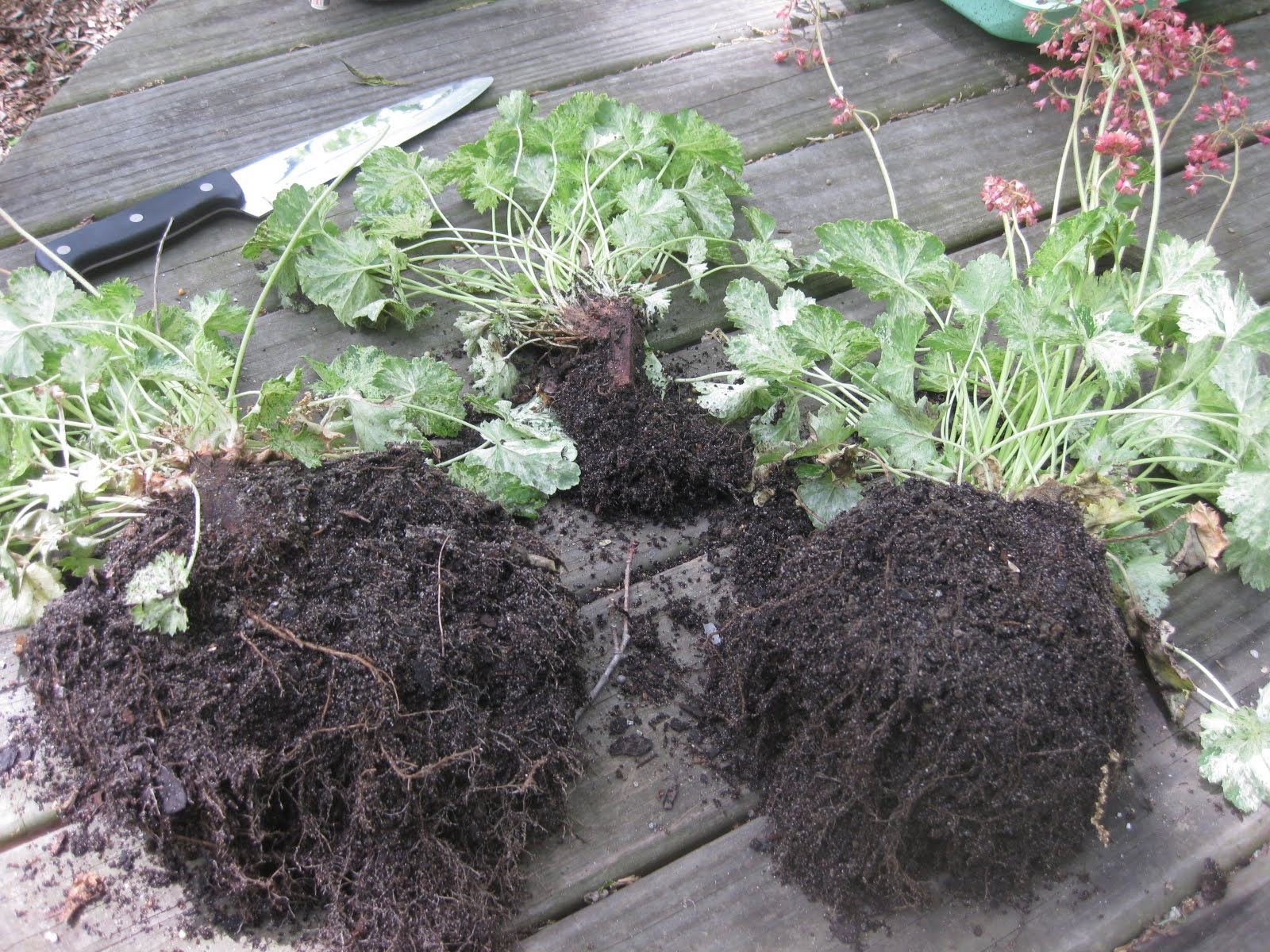
Coral bells, known scientifically as Heuchera, are indeed relatively easy to split, making them a popular choice for gardeners looking to propagate these perennial plants. Their adaptability and resilience allow for successful division, ensuring new growth in multiple locations. Here’s a detailed exploration of splitting coral bells, along with related topics.
Understanding Coral Bells
Coral bells are shade-loving perennials prized for their vibrant foliage and delicate flowers. They thrive in a range of environments, but often flourish in well-draining soil with partial to full shade. When splitting these plants, it's essential to consider their growth habit and root system. The unique root structure makes them suitable for division.
- Versatile Growth: Coral bells can adapt to different soil types, which aids in successful splitting.
- Attractive Foliage: Their colorful leaves make them a favorite in ornamental gardening.
- Flowering Period: They bloom in late spring to early summer, adding seasonal interest.
When to Split Coral Bells
The best time to split coral bells is in early spring or fall, when the plants are actively growing or just going dormant. Timing is crucial to ensure the plant can establish its roots before the stress of heat or cold sets in, which promotes healthier new growth.
- Spring Splitting: Ideal as the plants start to show new growth.
- Fall Splitting: Allows the plants time to root before winter.
- Weather Considerations: Avoid splitting during extreme temperatures to minimize stress.
How to Split Coral Bells
Splitting coral bells requires careful technique to ensure the health of both the parent plant and the new divisions. Begin by removing the plant from its original location and gently separating the root clumps. Use a sharp, clean knife if necessary to cut through stubborn sections.
- Prepare the Area: Clear the site for better access and visibility.
- Wash the Roots: Rinsing the roots can help you see where to divide.
- Replant Promptly: Place the divisions in their new homes as soon as possible.
Care for Divided Coral Bells
After splitting, it’s important to provide appropriate care for the new divisions to encourage strong growth. Water the plants thoroughly and consider using a lightweight fertilizer to promote root development. Mulching can also help retain moisture and suppress weeds.
See also:
- Regular Watering: Ensure the soil remains moist but not soggy.
- Fertilization: Use a balanced fertilizer to boost initial growth.
- Monitor for Pests: Watch for any signs of distress or pest infestations.
Common Issues When Splitting Coral Bells
There are a few common challenges that gardeners may encounter when splitting coral bells. Over-dividing can weaken the original plant, and improper care post-division can lead to poor growth or even plant death. It's essential to identify these potential issues early.
- Over-Division: Splitting too frequently can stress the plants.
- Improper Planting Depth: Ensure divisions are planted at the correct depth.
- Inadequate Watering: Newly split plants are particularly susceptible to drying out.
How do I stop my heucheras from getting leggy?

To stop your heucheras from getting leggy, you need to focus on specific cultural practices that promote healthy growth and maintain their compact form. Heucheras, also known as coral bells, can become leggy due to various factors such as inadequate light, improper watering, and lack of nutrients. Here are some effective strategies to keep your heucheras lush and full:
Light Requirements
Proper light is essential for heucheras. These plants thrive in partial shade to full shade, depending on the variety. If they do not receive enough light, they will stretch toward the light source, resulting in a leggy appearance.
- Assess the Location: Ensure your heucheras are planted in an area that receives adequate light according to their specific needs.
- Consider Shade: If your heucheras are in direct sunlight, consider moving them to a location with filtered light to prevent them from stretching.
- Rotate Containers: For potted heucheras, rotate the container regularly to promote even growth and prevent them from leaning toward the light.
Watering Practices
Inconsistent or improper watering can also contribute to leggy growth. Keeping the soil too dry or too wet can stress the plants, causing them to elongate.
- Check Soil Moisture: Always check the soil moisture before watering, ensuring it is slightly moist but not soggy.
- Water Deeply: When watering, do so deeply but infrequently to encourage deep root growth, which helps sustain robust plants.
- Avoid Over-Exwatering: Excess water can lead to root rot, weakening the plant and leading to leggy growth. Ensure your pots have proper drainage.
Fertilization Techniques
Heucheras may require nutrient supplementation to stay healthy and vigorous. A lack of nutrients can result in weak growth that looks leggy.
- Use Balanced Fertilizer: Apply a balanced, water-soluble fertilizer during the growing season to provide the necessary nutrients.
- Frequency of Application: Fertilize every 4-6 weeks during active growth, but avoid over-fertilizing as this can lead to excessive foliage growth.
- Monitor Soil Health: Consider soil testing to determine nutrient levels and amend accordingly, ensuring optimal growth conditions.
Pruning and Maintenance
Regularly pruning your heucheras can prevent them from becoming leggy by encouraging bushier growth.
- Trim Back Growth: In early spring or late winter, prune back any lost or leggy growth to encourage new shoots.
- Remove Dead Leaves: Regularly remove any dead or yellowing leaves to allow energy to be redirected to healthy growth.
- Pinch Tips: Pinching the tips of young stems can stimulate branching and results in a fuller plant.
Ideal Planting Space
The space in which heucheras are planted can significantly impact their growth pattern. Crowded conditions can lead to competition for resources and result in leggy plants.
- Provide Sufficient Spacing: When planting heucheras, ensure they are spaced adequately apart to allow for airflow and room to grow.
- Group Varieties Wisely: Group plants of similar sizes and growth habits together to prevent competition for light and nutrients.
- Consider Companion Plants: Be mindful of companion plants—some may overshadow your heucheras, leading to leggy growth.
Questions from Our Readers
When is the best time to split a heuchera?
The best time to split a heuchera is typically in early spring or fall. During these seasons, the plant is either just starting to grow or is winding down, which reduces stress on the plant and allows it to establish more easily after being divided.
How do I know if my heuchera needs to be split?
You should consider splitting your heuchera if it becomes crowded, shows slower growth, or if the center of the plant begins to die back. These signs indicate that the plant may be ready for division to promote better overall health and vigor.
See also:
What tools do I need to split a heuchera?
To split a heuchera, you will need a sharp garden spade or shovel, and possibly some gloves to protect your hands. A pruning knife can be useful for cutting through any thick roots during the process, ensuring a clean cut.
How should I care for my heuchera after splitting?
After splitting your heuchera, it's important to provide adequate water to help the plant recover and establish its roots. Additionally, placing the divided plants in a shaded area initially can reduce stress until they begin to show signs of new growth.

If you want to read more articles like When to Split a Heuchera? Your Ultimate Guide to Optimal Timing and Techniques, we recommend you check out our Heuchera category.
Leave a Reply
Related Articles