Essential Tips on How to Revive Old Heuchera?

Heuchera, commonly known as coral bells, is a beloved perennial cherished for its vibrant foliage and delicate flowers. However, over time, these plants can lose their luster, leaving gardeners wondering how to bring them back to life. Reviving old Heuchera may seem daunting, but with the right techniques and care, it is entirely possible to restore their health and beauty. In this article, we will explore essential tips ranging from proper pruning and watering practices to soil management and sunlight considerations. By following these guidelines, you can reinvigorate your Heuchera and enjoy its stunning display for years to come.
How to Revive Old Heuchera
Reviving old heuchera requires a comprehensive approach that includes assessing the plant's health, improving its growing conditions, and potentially propagating healthy sections. Begin by examining the leaves for signs of damage or disease; pruning away any dead or discolored foliage can help stimulate new growth. Ensure your heuchera is in the right environment, with adequate light while avoiding excessive sun exposure that could lead to scorching. Improving soil quality by adding organic matter and ensuring proper drainage will enhance root health, while regular watering, without over-saturating, is crucial. Additionally, division of older plants can rejuvenate them, promoting new growth and vigor.
Assessing Plant Health
Evaluating the health of your heuchera begins with a thorough inspection of its foliage, stems, and soil conditions. Look for any signs of disease or pest infestation, such as yellowing leaves or webbing, which indicate potential problems. Checking the soil moisture level is also essential; if the soil is too compacted or waterlogged, it may suffocate the roots. Ensuring that your plant is not showing signs of stress will guide you in deciding whether it's time to take revitalizing measures.
Pruning Techniques
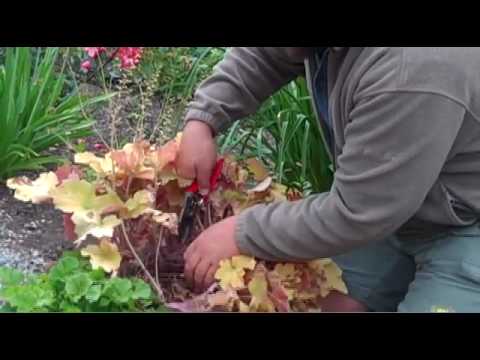
Proper pruning is vital for the revival of older heuchera plants. Start by removing any dead or diseased leaves, which can harbor pests and diseases. This practice not only cleans up the plant but encourages the growth of new leaves, as pruning can stimulate the plant's energy towards healthier growth. Also, trim any leggy stems or overgrown areas to maintain shape and promote bushiness, ensuring a more vibrant and full heuchera.
Improving Soil Quality
Enhancing the soil quality can significantly impact the health of your heuchera. Incorporate organic matter such as compost to improve soil structure and nutrient content, creating an environment where roots can thrive. Ensuring good drainage is essential, as heuchera prefers well-drained soils. If necessary, consider repotting into a new pot with fresh potting mix and added perlite or sand to facilitate drainage, minimizing the risk of root rot.
Proper Watering Practices
Maintaining the right watering regimen is crucial for heuchera revitalization. While these plants enjoy consistent moisture, overwatering can lead to root rot. It is important to allow the top inch of soil to dry out before the next watering session. When watering, aim for the base of the plant to ensure deep root penetration without wetting the foliage, as this can prevent fungal diseases.
Dividing Old Plants
Dividing old heuchera can rejuvenate the plant significantly, promoting healthier growth and producing new plants. This practice involves carefully separating the roots of an older plant into smaller sections, with each section having at least one healthy crown and a few roots. Make sure to perform this division early in the growing season, providing ample time for new growth to establish. Plant the divided sections back into well-prepared soil to enhance their chances of thriving.
| Aspect | Description |
|---|---|
| Assessing Health | Inspect foliage for disease and check soil moisture. |
| Pruning | Remove dead leaves and leggy stems to promote growth. |
| Soil Quality | Improve soil with organic matter for drainage and nutrients. |
| Watering | Water consistently, allowing the top inch of soil to dry. |
| Dividing Plants | Separate old plants to create new, vibrant sections. |
How to revive a heuchera?

To revive a heuchera, commonly known as coral bells, it's essential to understand its needs and the potential causes of its decline. Here are some steps and important considerations for reviving this beautiful perennial plant.
Understanding the Symptoms of Stress
Identifying the symptoms of a stressed heuchera is the first step in addressing its needs. Common signs of stress include:
- Wilting leaves: The plant may show droopy or limp leaves, indicating that it needs water or better drainage.
- Discoloration: Leaves may turn yellow or brown, suggesting issues with nutrient deficiencies or over-watering.
- Stunted growth: If the plant isn't thriving or producing new growth, it may need to be relocated to a more suitable environment.
Evaluating Watering Practices
Watering is crucial for the health of heucheras. Both under-watering and over-watering can lead to stress. To revive the plant, consider the following:
- Check soil moisture: Use your finger to feel the soil; it should be moist but not soggy. If too dry, water deeply.
- Adjust watering schedule: Ensure consistent moisture, particularly during dry months. Aim for about 1 inch of water per week.
- Improve drainage: If the soil retains too much water, amend it with compost or sand to improve drainage.
Assessing Light Conditions
Heucheras thrive in part-shade to full shade, depending on the variety. To support recovery, evaluate current light conditions:
- Monitor light exposure: If the plant is in too much sun, leaves can scorch, leading to unhealthy foliage.
- Relocate if necessary: If it’s in direct sunlight and struggling, move it to a spot that offers filtered light or afternoon shade.
- Be mindful of temperatures: Extreme heat can stress the plant; ensure it is in an area where temperatures are moderate.
Fertilizing for Recovery
Providing the right nutrients can rejuvenate a struggling heuchera. Focus on the following steps:
See also:
- Use a balanced fertilizer: Apply a balanced, slow-release fertilizer in early spring to support new growth.
- Avoid over-fertilization: Too much fertilizer can damage root systems; follow package instructions carefully.
- Consider organic options: Ingredients like compost or well-rotted manure can nourish the plant while being gentler on the soil.
Pruning and Restoration Techniques
Pruning is essential in revitalizing heucheras, especially if they have become leggy or have dead foliage. Here are key pruning practices:
- Trim dead or damaged leaves: Removing unhealthy parts allows the plant to focus energy on healthy growth.
- Cut back in spring or fall: Timing your pruning can help rejuvenate the plant; prune before new growth emerges in spring or after it has died back in fall.
- Propagate if necessary: If the plant is too stressed and dying, consider propagating healthy divisions for better viability.
What is the lifespan of a heuchera plant?
:max_bytes(150000):strip_icc()/growing-coral-bells-heuchera-1402032-02-54110d0f9bed494397fc56d521ce79c4.jpg)
The lifespan of a heuchera plant typically ranges from 3 to 5 years, although it can vary based on factors such as care, climate, and soil conditions. Some gardeners have reported that proper care and optimal conditions can extend the lifespan of heucheras up to 10 years or more. These perennial plants are known for their attractive foliage and adaptability, making them popular choices for many gardens.
Factors Affecting Lifespan
The lifespan of heuchera plants can be affected by several factors. Understanding these can help gardeners improve the longevity of their plants. Key factors include:
- Environmental Conditions: Heucheras thrive in well-drained soil and prefer partial to full shade, impacting their health and lifespan.
- Pest and Disease Management: Regular monitoring for pests like aphids and diseases such as root rot can prevent premature plant death.
- Soil Quality: Rich, organic soil enhances nutrient availability, supporting healthier and longer-lived plants.
Optimal Care Practices
To extend the lifespan of heuchera plants, gardeners should adopt optimal care practices. These practices ensure that plants remain healthy and vigorous. Important care practices include:
- Watering: Heucheras do not like to be waterlogged, so it’s essential to maintain proper moisture levels without overwatering.
- Fertilization: Using a balanced fertilizer during the growing season can help promote healthy growth and extend the plant's life.
- Pruning: Regularly removing dead or damaged leaves encourages new growth and reduces stress on the plant.
Signs of Aging in Heuchera Plants
Recognizing the signs of aging in heuchera plants can help gardeners take necessary action to prolong their lifespan. Common signs include:
- Wilting Leaves: If leaves start to wilt despite adequate watering, it may indicate stress or aging.
- Stunted Growth: A noticeable decrease in growth during the growing season can suggest that the plant is reaching the end of its lifespan.
- Color Change: Faded or yellowing foliage often indicates poor health or aging.
When to Replace Heuchera Plants
Gardeners should be prepared to replace heuchera plants when they show signs of decline. Knowing when to act is crucial to maintaining an attractive garden. Signs to consider include:
- Declining Aesthetic Appeal: If the plant no longer provides visual interest, it may be time for a replacement.
- Persistent Pests/Diseases: If the plant is repeatedly affected by pests or diseases, removing it can help protect other plants in the area.
- Root Bound: Heucheras can become root-bound in pots, and if this occurs, replacing the plant may be necessary for continued health.
Extending Lifespan through Propagation
One effective way to maintain heuchera plants is through propagation. This method allows gardeners to enjoy new plants while managing the lifespan of existing ones. Key methods include:
- Division: Mature heucheras can be divided every few years to rejuvenate and promote healthy growth.
- Seed Collection: Collecting seeds from healthy plants can lead to new plants with desirable traits.
- Cuttings: Taking cuttings from healthy foliage is another way to propagate new heuchertas, ensuring continuity in your garden.
Why are my heucheras dying?

Heucheras, commonly known as coral bells, can exhibit signs of decline due to various factors. Understanding the specific reasons behind their distress is crucial in taking appropriate actions to restore their health. Here are several common reasons why your heucheras might be dying:
Pest Infestation
Pests can severely affect the health of heucheras. Common pests that infest these plants include aphids, spider mites, and weevils. These pests feed on the plant's sap, which can lead to wilting and yellowing of leaves. To identify pests, look for signs such as webbing or tiny insects on the underside of leaves.
- Aphids: Small, soft-bodied insects that can create a sticky residue and lead to leaf curl.
- Spider mites: Microscopic pests that cause stippling and visible webbing on leaves.
- Weevils: Larvae that can damage the roots, leading to compromised plant health.
Improper Watering
Heucheras require a well-managed watering schedule. Both overwatering and underwatering can cause stress to the plants. Too much water can lead to root rot, while too little can cause the leaves to wilt and dry out.
- Overwatering: Make sure the soil is well-draining; otherwise, roots may rot.
- Underwatering: If the soil feels dry several inches down, it may be time to water.
- Soil Quality: Use a soil mix that retains moisture but drains well.
Environmental Stress
Heucheras are sensitive to environmental conditions. Extreme temperatures, whether too hot or too cold, can stress these plants, leading to decline. Additionally, changes in light exposure can also affect their health.
See also:
- Temperature Extremes: Protect plants from prolonged exposure to frost or excessive heat.
- Sunlight Requirements: Ensure your heucheras receive partial shade to avoid sunburn.
- Wind Protection: Consider planting in a sheltered area to reduce wind stress.
Nutrient Deficiency
Lack of essential nutrients can also cause heucheras to struggle. Plants need adequate vitamins and minerals for proper growth. A deficiency may result in yellow leaves and stunted growth.
- Nitrogen Deficiency: This may result in pale green to yellow leaves and slower growth.
- Phosphorus Deficiency: Could lead to poor root development and weak flowers.
- Potassium Deficiency: Signs include leaf tip burn and reduced overall vigor.
Soil Conditions
The soil type and its condition are critical to the health of heucheras. Poor soil conditions, such as compacted or nutrient-poor soil, can hinder root growth and access to water.
- Soil pH: Heucheras prefer slightly acidic to neutral pH; test and adjust accordingly.
- Soil Drainage: Ensure the soil is loose and drains well to prevent water pooling.
- Organic Matter: Adding compost can improve soil structure and nutrient content.
Why is my heuchera not thriving?

Heucheras, also known as coral bells, are beloved for their colorful foliage and versatility in various garden settings. If your heuchera is not thriving, it could be due to several factors affecting its health and growth. Here are some common reasons and solutions to consider:
Improper Soil Conditions
Soil is crucial for plant health. Heucheras prefer well-draining soil rich in organic matter. If the soil is too compacted or contains heavy clay, it can lead to root rot and poor growth. To improve soil conditions:
- Add organic compost to enhance drainage and nutrients.
- Test soil pH; Heucheras thrive in slightly acidic to neutral soil (pH 6.0-7.0).
- Aerate the soil to prevent compaction and improve root penetration.
Insufficient Light Exposure
Heucheras need adequate light for optimal growth. While they can tolerate shade, insufficient sunlight will lead to weak, leggy plants with less vibrant foliage. To ensure proper lighting:
- Identify the amount of sun the plant receives; ideally, they need partial shade to full sun.
- Consider relocating your heuchera to a brighter area if it's currently in too much shade.
- Monitor the light throughout the seasons, as tree canopies may change light availability.
Watering Practices
Over or under-watering can severely affect the health of your heuchera. Both conditions can stress the plants and stunt their growth. To establish a proper watering routine:
- Water deeply but infrequently, allowing the top few inches of soil to dry out between waterings.
- Use mulch around the base to help retain moisture without over-saturating the soil.
- Adjust your watering practices according to the season, as summer heat may require more frequent watering.
Pests and Diseases
Heucheras can be susceptible to pests like aphids and diseases such as powdery mildew. These issues can hinder growth and overall health. To prevent and control pests and diseases:
- Regularly inspect your plants for signs of pests or disease.
- Consider using natural pest control methods, like insecticidal soap.
- Ensure good air circulation around the plants to reduce humidity and prevent mildew.
Nutrient Deficiency
Like all plants, Heucheras require essential nutrients to flourish. A lack of specific nutrients can lead to poor growth and unattractive foliage. To address potential nutrient deficiencies:
- Fertilize with a balanced, slow-release fertilizer specifically designed for flowering perennials.
- Perform a soil test to identify specific nutrient deficiencies.
- Incorporate organic fertilizers such as fish emulsion or seaweed extract to support healthy growth.
Questions from Our Readers
How can I tell if my heuchera is dormant or dead?
To determine if your heuchera is dormant or has died, examine the leaves and stems closely. If the foliage appears crispy and the stems are brittle, it may be dead. However, if you notice that the roots are still firm and healthy upon inspection, your plant may just be dormant and can still be revived with proper care.
What is the best way to water a struggling heuchera?
For a struggling heuchera, it's crucial to provide the right amount of water. Ensure that the soil is well-draining and water the plant thoroughly, allowing the soil to dry out between waterings. Overwatering can cause root rot, while underwatering can stress the plant, so finding a balance is key to its recovery.
Should I prune my heuchera to encourage growth?
Yes, pruning your heuchera can encourage new growth. Remove any dead or yellowing leaves and trim back any overgrown stems to promote better air circulation and light exposure. This will allow the plant to redirect its energy towards producing new foliage and improving its overall health.
What kind of fertilizer is best for reviving heuchera?
Using a balanced, slow-release fertilizer can be beneficial for reviving heuchera. Look for a fertilizer with an N-P-K ratio like 10-10-10 or similar, which supports overall plant health. Apply the fertilizer according to the package directions, ensuring not to over-fertilize, as this can cause more harm than good.
See also:
If you want to read more articles like Essential Tips on How to Revive Old Heuchera?, we recommend you check out our Heuchera category.
Leave a Reply
Related Articles