How Far Apart Do You Plant Heuchera? Tips for Perfect Spacing and Growth
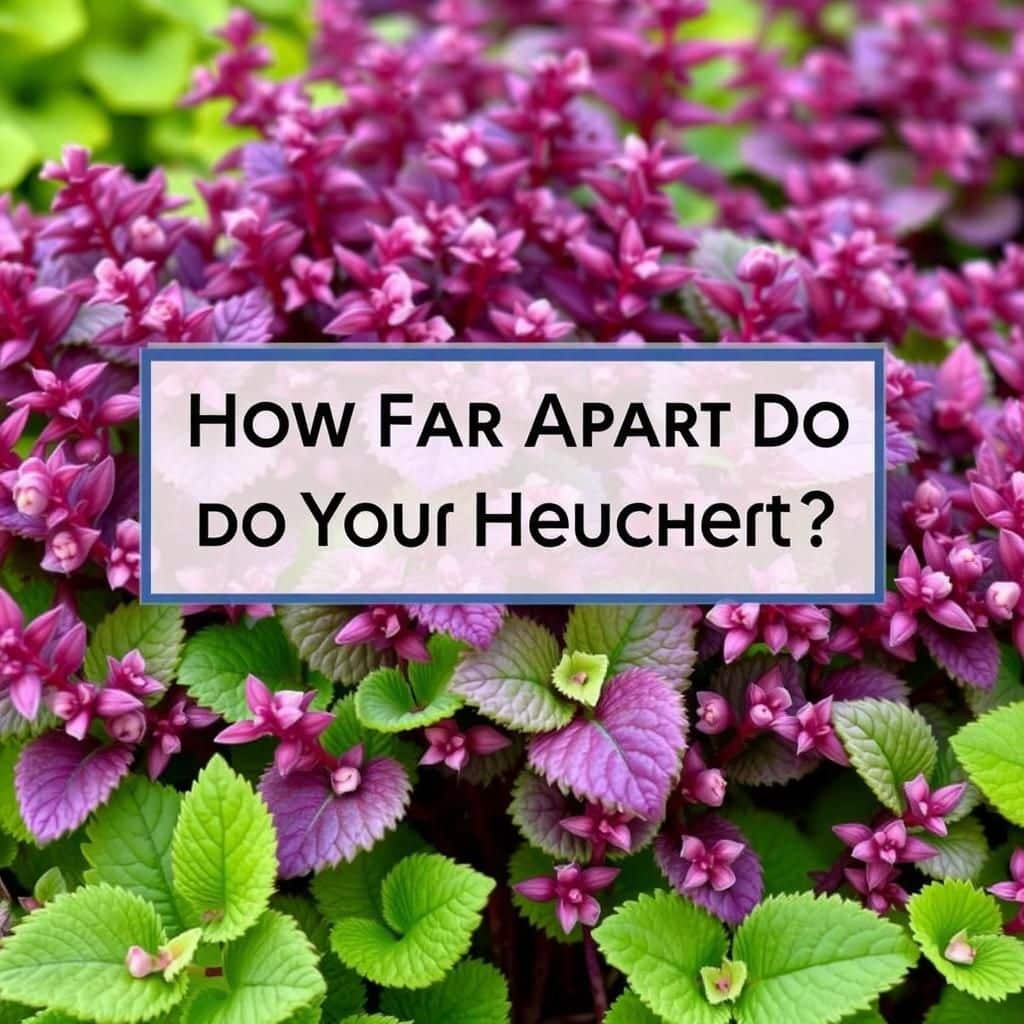
When planning a vibrant garden, understanding how far apart to plant Heuchera, commonly known as coral bells, is crucial for optimal growth and display. These perennial favorites, known for their striking foliage and delicate flowers, thrive best when given sufficient space to flourish. Proper spacing not only enhances their visual appeal but also ensures adequate air circulation and nutrient access. In this article, we will explore essential tips for perfect spacing, taking into account factors like variety size, garden design, and environmental conditions to help your Heuchera thrive beautifully in your outdoor spaces.
How Far Apart Do You Plant Heuchera?
When planting Heuchera, commonly known as coral bells, it's essential to consider the ideal spacing to allow for proper air circulation and growth. Typically, you should plant Heuchera 12 to 18 inches apart. This spacing allows the plants to spread out and establish their roots without overcrowding each other, which can lead to poor growth and increased susceptibility to diseases. Factors such as the specific variety of Heuchera and your local climate can also influence spacing; however, adhering to this general guideline will ensure that your plants thrive and showcase their vibrant foliage effectively.
Why Spacing is Important
Proper plant spacing is crucial for several reasons. Firstly, it ensures adequate airflow between the plants, which helps reduce humidity around their leaves and minimizes the risk of fungal diseases. Secondly, it allows each plant sufficient room to develop its root system, leading to stronger and healthier plants. Lastly, well-spaced Heuchera can display their stunning foliage more effectively, enhancing the aesthetic appeal of your garden.
Factors Affecting Planting Distance
Several factors can influence how far apart you should plant Heuchera. The variety of Heuchera you choose may have different growth habits and mature sizes, which can dictate the required spacing. Additionally, the climate in your area can affect plant growth; in hotter regions, wider spacing may be necessary to prevent overheating. Lastly, the type of soil and its fertility can also play a role, as richer soils may support more robust growth, necessitating adjustments in how close plants are to one another.
Recommended Spacing for Different Varieties
While a general spacing of 12 to 18 inches apart is suitable for most Heuchera varieties, some specific types may require adjustments. For instance, larger varieties such as 'Caramel' or 'Plum Pudding' might be better suited to a distance of 18 inches apart to accommodate their greater width, while more compact varieties like 'Palace Purple' or 'Chocolate Ruffles' can often be planted closer, around 12 inches apart. Always check the specific growth characteristics of your chosen variety before planting.
Planting in Groups vs. Spacing Evenly
When deciding how to plant Heuchera, you can opt for grouping several plants closely together, or you can space them evenly throughout your garden. Grouping plants can create a more dramatic effect and allows for a colorful burst of foliage, especially when using multiple cultivars. However, this method necessitates careful planning to ensure each plant has enough space to grow. On the other hand, spacing them evenly can create a more structured look, ideal for formal gardens.
How to Measure Spacing Correctly
To achieve the proper planting distance for Heuchera, it is essential to measure correctly. Begin by marking the intended spots where each plant will go, using stakes or temporary markers. Next, ensure that the distance between the centers of each mark is between 12 to 18 inches apart, depending on the variety and growth habits. Using a measuring tape can help you achieve consistent spacing, ensuring a well-organized and visually appealing planting arrangement.
| Plant Variety | Recommended Spacing |
|---|---|
| 'Caramel' | 18 inches |
| 'Plum Pudding' | 18 inches |
| 'Palace Purple' | 12 inches |
| 'Chocolate Ruffles' | 12 inches |
| 'Autumn Bride' | 15 inches |
How close together can you plant heuchera?
:strip_icc()/purple-palace-coralbells-heuchera-2af3c0c3-775561fbb7d440628cfd2aa9e14ab616.jpg)
To determine how close together you can plant heuchera (commonly known as coral bells), it is essential to consider their growth habits, the specific variety, and the conditions of your garden. In general, it's recommended to plant heucheras 12 to 18 inches apart. This distance allows adequate air circulation, prevents overcrowding, and ensures that each plant has enough resources to thrive.
Understanding Heuchera Growth Habits
Heuchera plants feature lush foliage and produce small flowers on tall spikes. They can spread and fill in space over time as they mature. The following points highlight their growth habits:
- Foliage Density: Heucheras have dense leaves that can compete for nutrients if planted too closely.
- Root Development: Adequate spacing allows roots to expand, establishing a healthy plant structure.
- Overall Plant Size: Different varieties can vary in size, so it's essential to consider the specific type you are planting.
Considerations for Sunlight and Water
Light and water needs are critical to the success of heucheras. Spacing directly impacts their access to these resources. Key considerations include:
- Sunlight Access: Proper spacing ensures that each plant receives sufficient sunlight without being shaded by neighboring plants.
- Water Management: Easily manageable soil moisture levels can be achieved with proper spacing to prevent water-logged roots.
- Humidity Levels: Adequate air circulation helps minimize disease risk, influenced by plant density.
Companion Planting with Heuchera
When planting heucheras, it's essential to consider other plants in the vicinity. Effective companion planting can enhance beauty and health:
- Color Coordination: Pairing heucheras with plants that complement their foliage color can create a visually striking display.
- Diverse Growth Patterns: Companion plants with varying growth habits can work well without competing for the same resources.
- Seasonal Interest: Including plants that bloom at different times can lengthen the overall beauty of the garden.
Planting Techniques for Heuchera
Proper planting techniques are essential for the success of heuchera. Following best practices will lead to healthier plants:
See also:
- Soil Preparation: Ensure well-draining soil with plenty of organic matter to support strong root growth.
- Correct Depth: When planting, ensure heucheras are planted at the same level they were in their containers to avoid suffocation.
- Mulching: Applying mulch around the plants can help retain moisture and regulate soil temperature.
Maintenance and Care after Planting
After planting heuchera, ongoing care will ensure their health and vitality. Regular maintenance steps include:
- Watering Schedule: Maintain a consistent watering routine, especially during dry spells, to keep plants hydrated.
- Fertilization Needs: Use a balanced fertilizer in early spring to promote lush growth and vibrant foliage.
- Pest and Disease Monitoring: Regularly check for pests or diseases that may affect plant health and act quickly if problems are detected.
How fast does heuchera spread?
Heuchera, commonly known as coral bells, is a perennial plant appreciated for its vibrant foliage and delicate flowers. The rate of spread for Heuchera can depend on several factors including the species, growing conditions, and care provided. Generally, Heuchera spreads slowly but steadily, typically adding a few inches to its size each year. Under optimal conditions, a Heuchera plant might spread to about 1 to 2 feet wide over several years. However, it is known to form dense clumps and can multiply through offsets and seed production, thereby expanding its presence in the garden gradually.
Factors Influencing Heuchera Spread
The spread of Heuchera can be greatly influenced by various environmental and care factors. These include:
- Soil Quality: Well-drained, rich soil promotes faster growth.
- Sunlight Exposure: Heuchera prefers partial shade; too much sun can stress the plant.
- Watering Practices: Consistent moisture without waterlogging fosters healthier growth.
Propagation Methods
Heuchera can spread through various propagation methods, which contribute to its ability to fill a garden space. These methods include:
- Division: Every few years, Heuchera plants can be divided and replanted to encourage new growth.
- Offsets: New shoots grow at the base of the plant and can be separated for new plants.
- Seed Production: Heuchera can produce seeds that, if collected and sown, can lead to new plants, although this method takes longer to achieve a spreading effect.
Growth Rate
The growth rate of Heuchera can vary based on conditions, but generally it is considered a moderately slow-growing plant. Key characteristics of its growth include:
- Annual Growth: You can expect an increase of several inches per year, both in height and width.
- Clump Formation: Heuchera forms dense clumps that gradually expand outward.
- Seasonal Changes: Growth may slow in extreme temperatures, both hot and cold.
Optimal Growing Conditions for Faster Spread
To encourage a more rapid spread of Heuchera, certain growing conditions should be met:
- Soil Type: Amending soil with organic matter can improve drainage and nutrient availability.
- Consistent Watering: Establishing a routine for watering helps maintain soil moisture.
- Mulching: Mulch retains moisture and keeps the roots cool, promoting better growth.
Pests and Diseases Affecting Spread
Pests and diseases can hinder the spread and overall health of Heuchera. Understanding these threats is crucial for maintenance:
- Leaf Spot: Fungal infections may damage the foliage, preventing optimal growth.
- Aphids: These pests can sap the plant's energy, affecting its ability to spread.
- Root Rot: Overwatering can lead to root issues, stunting growth and spread.
Where is the best place to plant heucheras?
Heucheras, commonly known as coral bells, thrive in certain conditions that make selecting the right planting location crucial for their growth and overall health. The best place to plant heucheras is in a setting that offers partially shaded areas, well-draining soil, and protection from extreme temperatures. Below are detailed considerations and specific locations conducive to planting heucheras successfully.
Sunlight Requirements
Heucheras prefer partial shade to full shade, which allows them to flourish without the risk of leaf scorch. Direct sunlight can be detrimental, especially in hotter climates. Consider the following options for finding the perfect balance in sunlight exposure:
- Under deciduous trees that provide dappled light throughout the growing season.
- In shaded areas near taller plants or structures, which help block direct sunlight.
- Avoiding areas with harsh afternoon sunlight, which can be particularly damaging.
Soil Conditions
Well-draining soil is essential for heucheras to prevent root rot and ensure healthy growth. To achieve the ideal soil conditions, consider the following steps:
- Amend garden soil with organic matter, such as compost, to improve drainage and fertility.
- Ensure the planting site has a pH level between 6.0 and 7.0, as heucheras prefer slightly acidic to neutral soil.
- Test for drainage by digging a hole and filling it with water; it should drain within a few hours for optimal conditions.
Climate Considerations
Heucheras are adaptable to a range of climates, but they perform best in moderate temperatures. To select the best planting site based on climate:
See also:
- Choose locations that provide protection from strong winds, which can dry out the plants.
- In hot climates, plant them where they can benefit from afternoon shade.
- In colder areas, consider planting them in sheltered spots to guard against freezing temperatures.
Companion Plants
When planting heucheras, consider their compatibility with other plants to create a visually appealing and ecologically balanced garden. Effective companion planting can include:
- Shade-loving perennials such as hostas that share similar light and soil requirements.
- Ferns which can thrive in similar conditions and complement the foliage of heucheras.
- Low-growing ground covers that can prevent weeds while not overshadowing the heucheras.
Container Gardening Options
Heucheras can also be successfully grown in containers, offering versatility in placement and design. To get the most out of container gardening, keep in mind:
- Choose pots with adequate drainage holes to prevent excess moisture accumulation.
- Use a high-quality potting mix tailored for perennials to ensure proper nutrition and drainage.
- Place containers in partially shaded areas on patios or balconies, which can help maintain the necessary light levels.
Do heuchera bloom all summer?
Heucheras, commonly known as coral bells, are popular garden perennials known for their attractive foliage and delicate flowers. However, whether they bloom all summer depends on various factors including the specific variety and growing conditions.
Do Heuchera Flowers Last All Summer?
Heuchera typically has a blooming period that lasts from late spring to early summer. Most varieties of Heuchera produce spikes of small, bell-shaped flowers that are often very delicate. The flowers generally bloom in a shorter window, usually around 4 to 6 weeks, rather than continuously throughout the entire summer season.
- The main blooming season is from May to June.
- Some varieties may re-bloom later in the summer if conditions are favorable.
- Continuous blooming can often depend on deadheading after the initial flowers fade.
Factors Affecting Heuchera Blooming
Several factors influence the blooming duration of Heuchera plants, including environmental conditions, soil quality, and care practices. These elements work together to determine how long and how prolifically a Heuchera will bloom.
- Soil Quality: Well-drained, nutrient-rich soils promote healthier plants.
- Watering Practices: Consistent moisture levels can enhance blooming.
- Sunlight Exposure: Heucheras thrive in partial shade and may bloom better with optimal light conditions.
Varieties of Heuchera and Their Blooms
Different varieties of Heuchera can vary significantly in their blooming characteristics. While some have a brief but stunning flower display, others may present a more extended blooming period or a showier flower.
- Heuchera 'Berry Smoothie': Known for its rich foliage and early bloom period.
- Heuchera 'Caramel': Offers vibrant colors with a shorter flowering season.
- Heuchera 'Miracle': Features clusters of flowers that can sometimes produce a second bloom.
Maintenance for Extended Blooming
Proper maintenance can help to maximize the blooming period of Heuchera plants. By implementing some best practices, gardeners can encourage the plants to produce flowers for a more extended time frame during the season.
- Deadheading: Removing spent flowers can encourage additional blooms.
- Fertilization: Using a balanced fertilizer can provide essential nutrients for prolonged blooming.
- Pest Management: Keeping the plants free from pests will prevent stress and promote healthy blooms.
Companion Plants for Heuchera in Bloom
In garden design, pairing Heuchera with other plants can enhance their beauty while optimizing their blooming season. Choosing compatible companion plants can augment the visual appeal and extend the enjoyment of your garden.
- Astilbe: Provides complementary blooms and thrives in similar conditions.
- Hostas: Their foliage contrasts beautifully with Heuchera, creating a lush look.
- Ferns: The delicate fronds of ferns can enhance the aesthetic around Heuchera.
Questions from Our Readers
How far apart should Heuchera plants be spaced?
To ensure proper growth and air circulation, Heuchera plants should be spaced 12 to 18 inches apart. This spacing allows each plant to receive adequate sunlight and prevents overcrowding, which can lead to disease and poor performance.
Can Heuchera be planted closer than 12 inches?
While it is technically possible to plant Heuchera closer than 12 inches, it is not recommended. Doing so can hinder their development and increase the risk of pests and fungal infections, ultimately compromising the health of the plants.
What factors affect the spacing of Heuchera plants?
Factors such as variety of Heuchera, local climate, and the garden layout can all influence the spacing. Some larger varieties may require more room, while smaller ones can thrive when spaced closer together, so it’s essential to consider these elements when planning your garden.
Should Heuchera be spaced differently in containers?
Yes, when planting Heuchera in containers, they can be spaced closer together, typically around 6 to 12 inches apart, depending on the container size. This allows for a lush display, but you should still monitor their health and adjust spacing if necessary to ensure they receive enough nutrients and water.
See also:

If you want to read more articles like How Far Apart Do You Plant Heuchera? Tips for Perfect Spacing and Growth, we recommend you check out our Heuchera category.
Leave a Reply
Related Articles