Can Heuchera Get Too Much Sun? Essential Care Tips for Healthy Growth

Heuchera, commonly known as coral bells, is a popular perennial admired for its vibrant foliage and delicate flowers. While these plants thrive in various light conditions, many gardeners wonder about the optimal sun exposure for healthy growth. This article explores the question: can heuchera get too much sun? We’ll delve into the ideal light requirements for heuchera, signs of sun stress, and essential care tips to ensure lush, colorful growth. Whether you’re a seasoned gardener or a newcomer to plant care, understanding how to balance sun exposure is crucial for maintaining these stunning additions to your garden.
Can Heuchera Get Too Much Sun?
Heucheras, commonly known as coral bells, can indeed experience stress from excessive sunlight. While these plants appreciate bright conditions, particularly the varieties with darker foliage, they thrive best in partial shade or filtered light. Too much direct sunlight can lead to leaf scorch, resulting in browning or wilting of the leaves. This is particularly true in hotter climates where the intensity and duration of sunlight can be overwhelming for these plants, causing them to lose their vibrant color and overall vitality. Gardeners should monitor their Heuchera regularly and consider providing some afternoon shade to maintain optimal health.
Symptoms of Sunburn in Heuchera
Plants that receive too much sunlight may exhibit clear symptoms of sunburn. These symptoms include leaf scorch, characterized by brown crispy edges and a general decline in leaf vigor. In extreme cases, plants might also show signs of wilting and stunted growth. Noticing these early signs and adjusting the plant’s exposure to sunlight is crucial for preserving the health of Heuchera.
Optimal Sunlight Conditions for Heuchera
Heuchera typically thrives in partial shade, ideally receiving about 3 to 6 hours of direct sunlight each day. The optimal conditions involve morning sun with protection from harsh afternoon rays, particularly during the peak summer months. This balance allows Heuchera to flourish while minimizing the risk of sun damage.
Types of Heuchera and Their Light Requirements
Different varieties of Heuchera have varying light requirements. For instance, darker-leaved varieties tend to tolerate more sun compared to their lighter counterparts. However, all types benefit from a habitat that offers some shade, especially in warmer climates. Understanding the specific needs of the selected variety is essential to support healthy growth.
Solution for Overexposed Heuchera
If Heuchera is found to be receiving too much sun, immediate action should be taken to alleviate the stress the plant is experiencing. This can include relocating the plant to a shadier spot, utilizing shade cloths, or introducing taller plants nearby to block some of the sun's intensity. Regularly assessing the plant’s response after such changes will help ensure it remains healthy.
Role of Soil and Watering in Sun Exposure
The condition of the soil and the watering regimen also play a vital role in how well Heuchera copes with sunlight. Well-draining, rich soil helps combat some of the stresses associated with too much sun, and consistent moisture can mitigate leaf scorch effects. Ensuring the plant receives adequate water without becoming waterlogged is key to maintaining a healthy balance, especially under intense sunlight.
| Symptom | Possible Cause | Solution |
|---|---|---|
| Leaf Scorch | Too much direct sunlight | Provide shade |
| Wilting | Combination of sun exposure and lack of water | Adjust watering schedule |
| Color Fading | Excessive light | Move to partial shade |
| Stunted Growth | Environmental stress | Optimize light conditions |
| Browning Edges | Sunburn | Relocate or provide shade |
What happens if your plant gets too much sun?
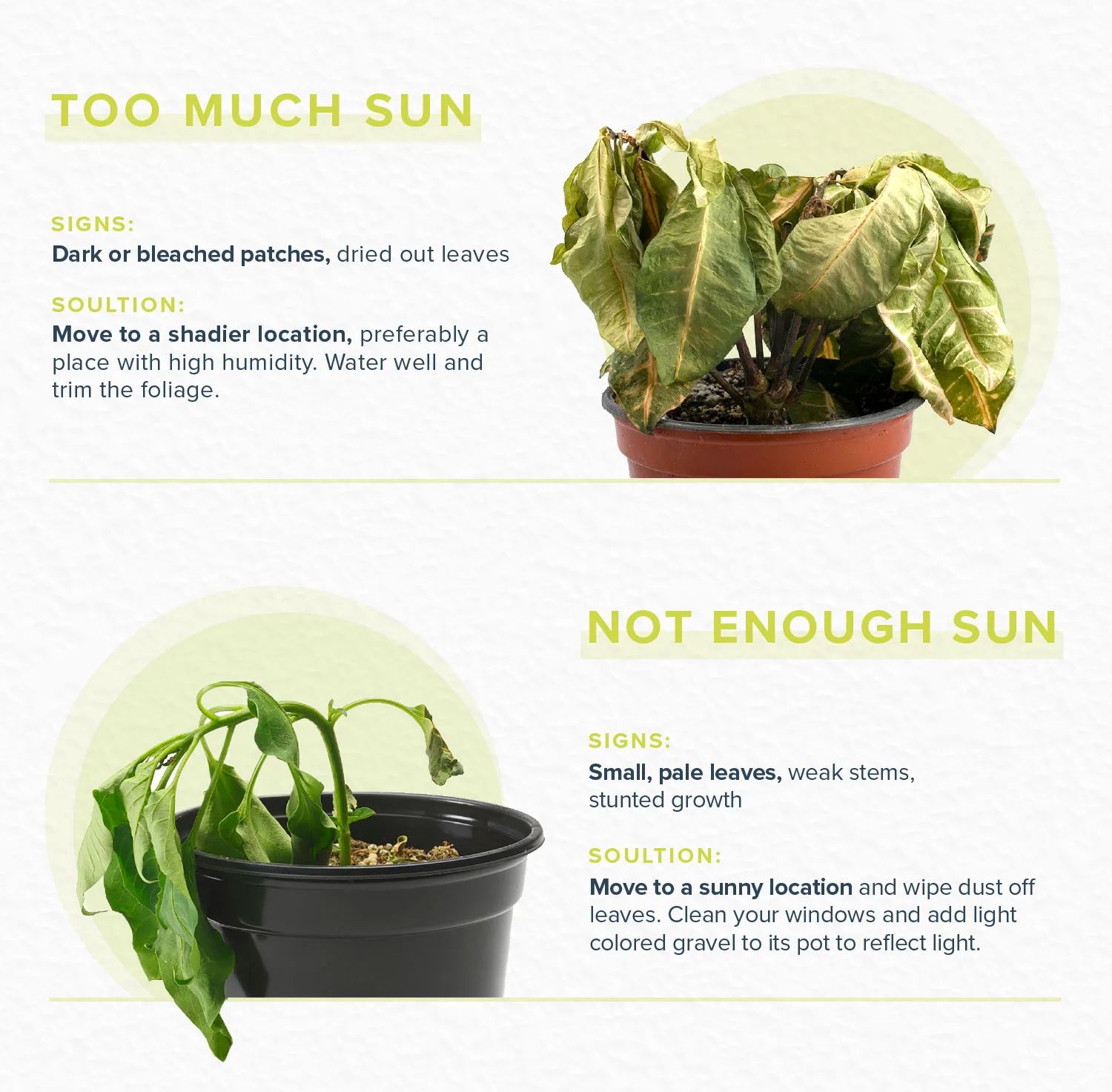
If your plant gets too much sun, several negative effects can occur, ultimately leading to harm or even death of the plant. Plants have evolved to thrive under specific light conditions, and when they exceed those conditions, they can experience a range of physiological and morphological issues.
One of the most immediate effects of excessive sunlight is leaf scorch. This condition occurs when the plant’s leaves become too hot, causing the cells to die. The result is typically brown, crispy leaf edges or even entire leaves that turn brown and fall off. Another consequence of too much sun is stunted growth; plants may not grow as they should because they are expending more energy on coping with heat rather than growing. Furthermore, plants may also experience a condition called photoinhibition, where excess light leads to reduced photosynthesis, causing a drop in overall health.
Moreover, some plants might exhibit etoliation when exposed to too much light at certain times. This is a stretch in growth as the plant tries to escape the extreme conditions, leading to weak stems and sparse leaves. Under such conditions, the delicate balance of the plant’s internal systems can be thrown off, affecting its ability to absorb nutrients and water, potentially causing dehydration.
Signs of Too Much Sun Exposure
Signs of too much sun exposure can be varied and distinctive:
- Leaf Scorch: This is characterized by brown, crispy edges on leaves.
- Wilting: Leaves may droop or appear limp due to excessive heat.
- Leaf Drop: The plant may shed leaves as a defense mechanism.
Effects on Photosynthesis
Excessive sunlight can greatly hinder the process of photosynthesis:
- Reduced Efficiency: Overexposure can lead to reduced chlorophyll production, lowering photosynthesis efficiency.
- Photoinhibition: Excess light can cause damage to the photosynthetic apparatus, reducing energy production.
- Long-term Damage: If sustained, the plant may permanently lower its photosynthetic capacity.
Long-Term Impacts on Plant Health
Too much sunlight can have lasting impacts on the health of the plant:
See also:
- Stunted Growth: The plant may not grow to its full potential if it constantly struggles with excess light.
- Root Damage: With poor leaf health, root development can also be impaired, affecting water absorption.
- Increased Susceptibility: A weakened plant may become more susceptible to pests and diseases.
Mitigation Strategies
There are several strategies to mitigate the effects of too much sun exposure:
- Provide Shade: Use shade cloths or move the plant to a shaded area during peak sunlight hours.
- Water Appropriately: Ensure the plant is sufficiently hydrated, as proper watering can help alleviate some stress.
- Choose Resilient Varieties: Select plants that are better suited for high light conditions.
Recovery from Excess Sunlight
If plants have been overexposed to sunlight, recovery methods can be implemented:
- Reduce Light Exposure: Gradually acclimate the plant to lower light conditions.
- Monitor Watering: Adjust watering practices to ensure the plant remains hydrated.
- Prune Damaged Leaves: Remove any severely damaged leaves to redirect energy to healthier parts of the plant.
What do overwatered coral bells look like?

Coral bells, scientifically known as Heuchera, are popular perennial plants prized for their vibrant foliage and delicate flowers. However, overwatering them can lead to various problems that can be detrimental to their health.
What Do Overwatered Coral Bells Look Like?
Overwatered coral bells exhibit several distress signals that indicate they are receiving too much water. The most noticeable sign is the appearance of the foliage. Healthy leaves are typically vibrant and robust, while those affected by overwatering start to look mushy or slimy. Additionally, you may observe an overall droopy or wilted appearance despite sufficient hydration in the soil.
Symptoms of overwatering can include:
- Leaf discoloration: Leaves may turn yellow or brown.
- Wilting: Even when the soil is wet, the plant may droop.
- Root rot: The roots may appear brown or black and can deteriorate.
Signs of Root Rot
One of the most critical issues caused by overwatering is root rot, which occurs when roots are submerged in water for too long. The roots become waterlogged, inhibiting their ability to absorb nutrients and oxygen, ultimately leading to the decline of the plant.
Characteristics of root rot include:
- Pungent odor: A foul smell may emanate from the soil.
- Soft, dark roots: Healthy roots are typically white and firm.
- Leaf drop: The plant might shed leaves as it struggles to survive.
Changes in Flowering
Overwatering can also affect the flowering state of coral bells, which usually produce delicate blooms atop slender stalks. The stress caused by excessive moisture can lead to fewer flowers or delayed blooming.
Changes in flowering conditions might involve:
- Reduced blooms: Fewer flowers may appear than usual.
- Stunted growth: Flowering stems may not grow as tall or robust.
- Failed flower propagation: Flowers may not set seeds effectively.
Soil Consistency
See also:
The soil consistency is another aspect that can change due to overwatering. Healthy soil should drain well and maintain a balance between moisture and air flow. Overwatered coral bells often sit in soggy soil, which can become compacted, further depriving roots of necessary oxygen.
Signs of poor soil consistency include:
- Clumpy texture: Soil may become hard and packed down.
- Fungal growth: Mold or mildew may appear on the surface of the soil.
- Poor drainage: Water may puddle or take too long to evaporate.
Corrective Measures
Addressing overwatering involves several corrective measures to restore the health of coral bells and prevent future issues. These steps can help bring the plants back to a thriving condition.
Possible measures to consider include:
- Adjust watering schedule: Only water when the top inch of soil feels dry.
- Improve drainage: Consider adding perlite or sand to the soil mix.
- Repot if necessary: If root rot is severe, transplanting into fresh, dry soil may be required.
Why do my heucheras keep dying?

Heucheras, commonly known as coral bells, are prized for their colorful foliage and adaptability. However, when these plants start to decline, it can be frustrating for any gardener. Here are several reasons why your heucheras may be dying.
Environmental Stress
Heucheras thrive in environments with the right balance of sun and shade. When exposed to extreme conditions, they can suffer.
- Too Much Sunlight: Heucheras require partial shade. Too much direct sun can scorch their leaves.
- Insufficient Water: Drought conditions can lead to stress, making them more susceptible to disease.
- Frost Damage: Late frosts can harm young shoots and tender leaves, causing dieback.
Soil Quality Issues
The type of soil and its quality can significantly impact the health of heucheras. Poor soil can lead to root issues.
- Poor Drainage: Heucheras do not like soggy roots. Waterlogged soil can lead to root rot.
- Lack of Nutrients: If the soil is depleted of essential nutrients, the plants may not thrive.
- pH Levels: Heucheras prefer slightly acidic to neutral pH. Extreme pH levels can affect nutrient uptake.
Pests and Diseases
Heucheras can fall victim to various pests and diseases that can lead to their decline.
- Leaf Spot: Fungal infections may cause spots on the leaves, leading to death if untreated.
- Aphids: These pests can sap the vitality from the plant, causing wilting and yellowing of leaves.
- Root Rot: Caused by overwatering or poor drainage, leading to decaying roots.
Improper Maintenance
Maintaining heucheras requires proper care routines that can affect their longevity.
- Watering Techniques: Overwatering or underwatering can both be detrimental. It's key to find a balance.
- Fertilization: Over-fertilizing can damage sensitive roots while under-fertilizing may not provide necessary nutrients.
- Pruning Practices: Neglecting to remove dead leaves can lead to crown rot and other issues.
Planting Conditions
The conditions under which heucheras are planted play a critical role in their survival.
- Planting Depth: Heucheras should be planted at the right depth. Too deep can suffocate the roots, while too shallow can expose them to frost.
- Spacing: Crowded plants compete for resources, leading to stress and potential death.
- Companion Planting: Some plants can harbor pests that affect heucheras. Ensure compatible planting.
Questions from Our Readers
Can heuchera get too much sun?
Heucheras can indeed get too much sun, especially if they are planted in areas with direct, intense sunlight for extended periods. While most heuchera varieties thrive in partial shade, too much exposure to bright sun can lead to leaf burn, reducing the plant's overall health and vibrancy.
What are the signs of too much sunlight on heuchera?
The signs of too much sunlight on heuchera include scorched or brown leaves, wilting, and fading color. If you notice that your heuchera's leaves are becoming crispy or discolored, it may be a clear indication that it is receiving excessive sunlight.
See also:
How can I protect heuchera from too much sun?
To protect heuchera from excessive sun exposure, consider relocating the plants to a spot with filtered light or providing them with shade cloth during the hottest parts of the day. Ensuring they have adequate moisture can also help them recover from heat stress.
Can heuchera survive in full sun conditions?
While some heuchera varieties can tolerate full sun, they usually perform best in partial shade. Extended periods in full sun may result in decreased health, making it essential to monitor their conditions closely if grown in such environments.

If you want to read more articles like Can Heuchera Get Too Much Sun? Essential Care Tips for Healthy Growth, we recommend you check out our Heuchera category.
Leave a Reply
Related Articles