What is the difference between coral bells and heuchera? Exploring Characteristics, Care, and Varieties
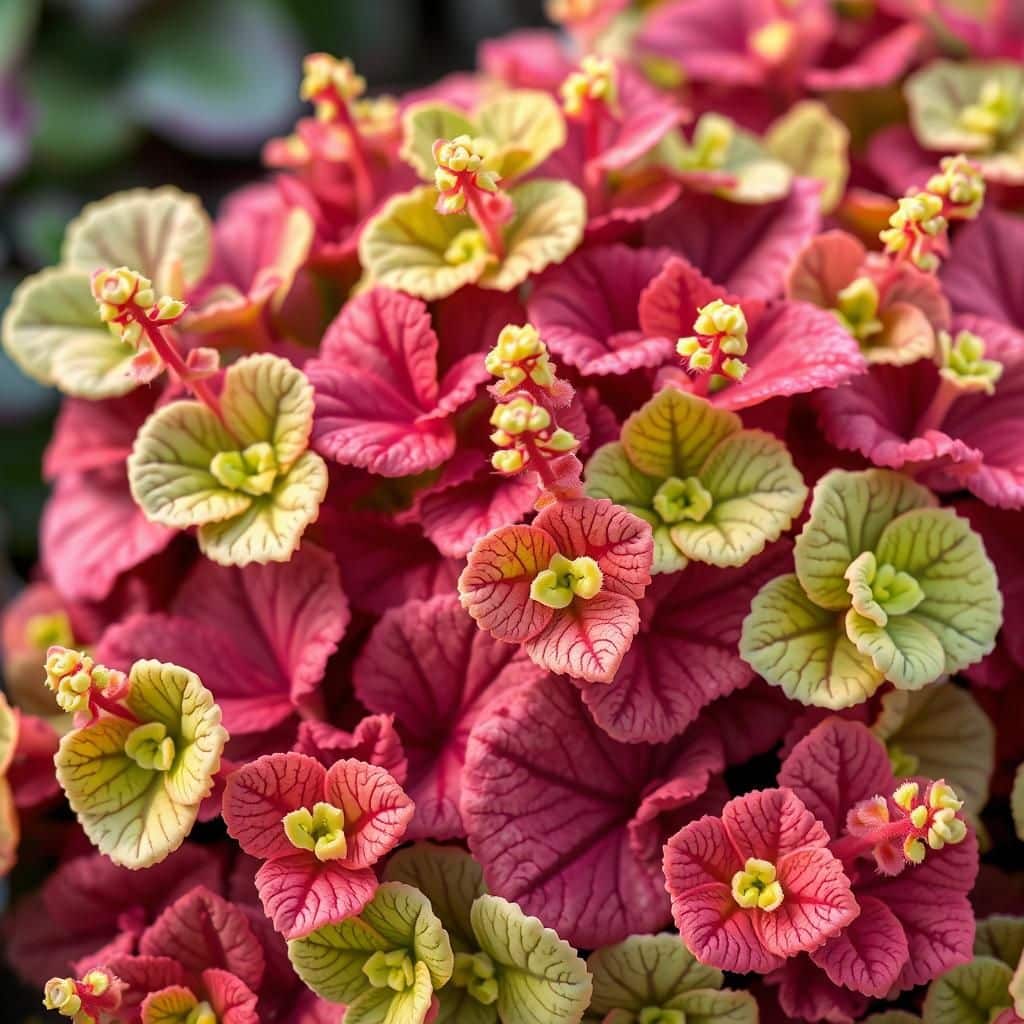
Coral bells and heuchera are often used interchangeably, but they represent distinct aspects of the same beautiful plant family. Known for their vibrant foliage and delicate flowers, these perennial favorites are coveted by gardeners for their versatility and adaptability. In this article, we will explore the key differences between coral bells and heuchera, delving into their unique characteristics, care requirements, and the diverse varieties available. By understanding these differences, gardeners can make informed choices to enhance their landscapes, ensuring that their gardens are both visually stunning and thriving. Join us as we uncover the fascinating world of these charming plants.
What are the Differences Between Coral Bells and Heuchera?
Coral bells and heuchera are often used interchangeably, but they refer to different aspects of the same plant. Coral bells is a common name for plants belonging to the genus Heuchera, which are known for their colorful foliage and delicate flower spikes. Heuchera, on the other hand, is the scientific name of the genus itself, which encompasses a variety of species and hybrids. While all coral bells are heuchera, not all heuchera are classified as coral bells since heuchera includes several other varieties that may not exhibit the characteristic bells. Understanding this distinction helps gardeners and plant enthusiasts appreciate the diversity and specific characteristics of heuchera plants.
Origin and Classification
Heuchera is a genus in the family Saxifragaceae, native to North America, and consists of around 50 species. The term coral bells primarily refers to hybrids and cultivars derived from Heuchera sanguinea, which is known for its vibrant red flowers that resemble coral. While coral bells specifically highlight the ornamental qualities of flowers and foliage, the broader classification of heuchera includes all species within this genus, each offering different aesthetic and habitat qualities.
Foliage Differences
The foliage of heuchera is one of its most attractive features, often showcasing varied colors such as purple, green, and silver, with some varieties featuring marbled or veined patterns. Coral bells, as a term, emphasizes these colorful foliage traits, which can change hues with seasons and light exposure. The leaf shapes can vary across heuchera species, ranging from rounded to lobed, but what remains consistent is their ability to add vibrant color to gardens throughout various seasons, contributing significantly to their popularity among gardeners.
Flower Characteristics
Heuchera plants produce small, bell-shaped flowers atop tall stems, which are what give rise to the name coral bells. These flowers are typically borne in clusters and can be found in colors ranging from white to pink to red. The blooming of coral bells usually occurs in late spring to early summer, attracting pollinators like hummingbirds and bees. While all heuchera species can produce flowers, the specific hybrid plants referred to as coral bells are specifically bred for their showy blooms in addition to their foliage.
See also:
Growth Conditions and Care
Both coral bells and heuchera are adaptable plants that thrive in a variety of garden settings, but they do have preferred growing conditions. They typically enjoy well-drained soil and can tolerate various levels of sunlight, though they often prefer partial shade to prevent leaf scorch. Coral bells may require slightly more attention regarding moisture levels since they can be more sensitive to dryness than some of their heuchera relatives. Ensuring an optimal growth environment is crucial to maximizing the aesthetic appeal of both.
Cultural Significance and Uses
In traditional and modern horticulture, both coral bells and heuchera serve as popular choices for perennial borders, ground covers, and container gardening due to their diverse color range and ornamental value. Heuchera species have often been utilized by indigenous peoples for various purposes, including medicinal uses, while today, they are highly regarded in landscaping for their ability to provide year-round interest. Their low-maintenance nature also makes them desirable for both novice and experienced gardeners alike.
| Characteristic | Coral Bells | Heuchera |
|---|---|---|
| Genus | Specific hybrids of Heuchera | All species in Heuchera |
| Foliage Variety | Colorful and ornamental | Various species with diverse foliage |
| Flowering | Belled flowers attract pollinators | Includes all Heuchera species floral traits |
| Care Requirements | Likes partial shade, needs moisture | Adaptable, varies by species |
| Cultural Uses | Primarily for ornamental purposes | Historical uses and ornamental value |
Understanding the Key Distinctions Between Coral Bells and Heuchera
Coral bells and heuchera often confuse gardeners due to their similar appearances, but they represent different aspects of horticulture. Coral bells refer broadly to plants in the Heuchera genus, particularly known for their charming bell-shaped flowers and vibrant foliage. While these plants are highly valued for their aesthetic appeal in landscaping, they also differ in their specific care requirements, growth habits, and the variety of colors available. Understanding the nuances of these plants not only enhances their visual appeal but also ensures that they thrive in the appropriate environment.
Coral Bells: Overview and Characteristics
Coral bells, scientifically known as Heuchera, are perennial plants recognized for their stunning foliage that comes in a variety of colors, including shades of green, purple, and bronze. The leaves are often scalloped or ruffled, providing unique textures that contribute to their beauty. These plants typically produce delicate, bell-shaped flowers on slender stems during the blooming season, making them a popular choice for gardeners looking to add vibrant color and interest to their landscapes.
Heuchera Varieties: Popular Types to Consider
The Heuchera genus includes numerous varieties, each with distinct characteristics and adaptations. Some popular types include Heuchera 'Caramel', known for its stunning copper-colored foliage, and Heuchera 'Palace Purple', which showcases deep purple leaves that turn more intense in the fall. Other notable varieties include Heuchera 'Lime Marmalade', recognized for its bright lime-green foliage, and Heuchera 'Tiramisu', celebrated for its unique blend of colors and vivid speckles. Each of these varieties offers unique visual appeal, providing options for every garden design.
See also:
Ideal Growing Conditions for Coral Bells and Heuchera
Both coral bells and Heuchera thrive in partial shade to full shade, making them suitable for underplanting in gardens where sunlight is limited. They prefer well-drained, slightly acidic to neutral soil, which allows their roots to breathe while preventing waterlogging. It is essential to ensure that these plants receive adequate moisture without becoming overly saturated, as this can lead to root rot, a common problem for Heuchera. Understanding these growing conditions is crucial to their success in any garden setting.
Care and Maintenance Essentials for Coral Bells
To maintain healthy coral bells and Heuchera, regular care routines are essential. This includes pruning spent flower stems to encourage new growth, providing mulch to retain soil moisture, and monitoring for pests such as aphids or spider mites. Fertilization is generally minimal, but applying a balanced organic fertilizer in early spring can boost their health and vibrancy. Additionally, being attentive to the moisture levels and ensuring proper air circulation can significantly contribute to the longevity of these beautiful plants.
Common Pests and Diseases Affecting Heuchera
Heuchera is generally resistant to most pests, but they can occasionally attract insects like aphids, thrips, and spider mites. These pests can cause significant damage if not managed promptly. Furthermore, diseases such as crown rot and powdery mildew may affect plants in overly wet conditions. Implementing preventive measures such as proper spacing, ensuring good air circulation, and practicing crop rotation can help minimize these issues and promote healthier Heuchera plants in your garden sanctuary.
Questions from Our Readers
What are coral bells and heuchera?
Coral bells is a common name for plants belonging to the genus Heuchera, which includes various species and cultivars known for their attractive foliage and bell-shaped flowers. While the terms are often used interchangeably, heuchera refers specifically to the genus, and coral bells highlight the particular appeal of their flowers.
How do coral bells and heuchera differ in terms of appearance?
The primary difference in appearance lies in the variety of leaf colors and shapes that heuchera can exhibit. While coral bells emphasize their flower spikes, heuchera plants can have a broader range of foliage options, including shades of deep purple, lime green, and silvery hues, making them versatile for landscaping.
See also:
Are coral bells and heuchera the same plant?
Yes, coral bells are indeed a common name for certain species within the Heuchera genus, meaning they are essentially referring to the same plants. However, the term “coral bells” typically emphasizes the flowering aspect, whereas “heuchera” encompasses all varieties, including those grown mainly for their leaf characteristics.
What are the growing conditions for coral bells and heuchera?
Both coral bells and heuchera thrive in well-drained soil and prefer partial shade to full sun, depending on the specific cultivar. They are quite adaptable but generally benefit from consistent moisture and should be protected from extreme heat to maintain optimal foliage color and health.

If you want to read more articles like What is the difference between coral bells and heuchera? Exploring Characteristics, Care, and Varieties, we recommend you check out our Heuchera category.
Leave a Reply
Related Articles