What Looks Good Next to Coral Bells? Top Companion Plants to Enhance Your Garden Design

When it comes to creating a stunning garden design, choosing the right companion plants for Coral Bells (Heuchera) can elevate your landscape to new heights. Known for their vibrant foliage and delicate flower spikes, Coral Bells thrive in various conditions, making them a versatile choice for gardeners. However, pairing them with the right plants can enhance their beauty and promote healthy growth. In this article, we will explore the top companion plants that not only complement the aesthetic appeal of Coral Bells but also support their thriving environment. Discover how to achieve a harmonious and visually captivating garden with these ideal plant partnerships.
Companion Plants for Coral Bells
Coral bells, known for their vibrant foliage and delicate bell-shaped flowers, can be beautifully complemented by a variety of companion plants. Opting for plants that thrive in similar conditions—such as partial shade and well-drained soil—can enhance the overall aesthetic of your garden. Suitable companions include hostas with their large, lush leaves that contrast well with the smaller foliage of coral bells, and ferns, which add a touch of texture and flourish in similar light. Additionally, plants like astilbe and ligularia can introduce height and luscious blooms, while ajuga provides ground cover with its vibrant purple hues to create a stunning focal point alongside coral bells.
Hostas
Hostas are a perfect match for coral bells, as they thrive in similar shade conditions and bring a variety of leaf shapes and colors to the garden. Their large foliage creates a striking contrast against the fine leaves of coral bells, allowing both plants to shine. With hues ranging from green to blue and variegated options, hostas can enrich the visual interest of the planting bed. Their tolerance for moisture also aligns well with coral bells, making them excellent partners in a shaded garden.
Ferns
Adding ferns to a garden with coral bells introduces a different texture that enhances the natural beauty of the arrangement. Many fern varieties prefer similar conditions, such as dappled sunlight and moist environments. The delicate fronds of ferns can soften the edges of a garden space, creating an elegant and lush backdrop for the bold foliage of coral bells. Together, they can create a serene atmosphere, perfect for shaded gardens or woodland designs.
Astilbe
Astilbe is another great companion to coral bells, as both plants enjoy a shaded environment and can withstand moist soil. Astilbe's feathery flower spikes bring vibrant colors in shades of pink, white, and red, providing a stunning contrast to the subtle blooms of coral bells. With their height and structure, astilbe can create a layered effect in the garden, highlighting the colorful foliage of coral bells beneath them. This combination can lead to a diverse and visually appealing arrangement.
Ligularia
Ligularia can add a bold statement next to coral bells, as its large, impressive leaves and tall flower stalks provide significant height and drama. This perennial plant prefers similar moist and shaded environments, making it an ideal partner. The yellow flowers of ligularia bring a pop of brightness that contrasts well with the deeper hues of coral bells, enriching the overall appearance of the planting area and drawing attention to the diversity of plants.
Ajuga
Ajuga, or bugleweed, serves as an excellent ground cover option alongside coral bells, with its spreading habit and vibrant purple flowers providing a beautiful complement. Ajuga prefers partial to full shade and moist soil, mimicking the growing conditions of coral bells. The low-growing foliage fills in gaps, creating an attractive carpet that enhances the height and dimension of surrounding plants. Together, these plants create a harmonious blend of colors and textures that can elevate any shaded area of the garden.
| Plant | Height | Bloom Time | Light Preference |
|---|---|---|---|
| Hostas | 12-36 inches | Summer | Partial to full shade |
| Ferns | 12-30 inches | Summer | Partial shade |
| Astilbe | 12-36 inches | Late spring to summer | Partial shade |
| Ligularia | 24-48 inches | Summer | Partial to full shade |
| Ajuga | 4-12 inches | Spring | Partial to full shade |
What pairs well with coral bells?

Coral bells, known scientifically as Heuchera, are popular garden plants prized for their vibrant foliage and delicate flowers. When planning a garden or landscape design, it's important to choose companion plants that enhance the beauty of coral bells while thriving in similar conditions. Here are some suggestions for pairing plants with coral bells.
1. Perennials that Complement Coral Bells
Many perennials thrive alongside coral bells, creating a vibrant and layered garden display. Look for plants that share similar light and water requirements, which are typically partial shade and well-drained soil.
See also:
- Hostas: Known for their large, lush leaves, hostas provide a contrasting texture and come in various shades of green and blue, complementing the colorful foliage of coral bells.
- Astilbe: With feathery plumes of flowers, astilbe adds height and a splash of color in the summer, harmonizing well with the foliage of coral bells.
- Brunnera: Often referred to as false forget-me-nots, brunnera features attractive heart-shaped leaves and blue flowers. Their striking foliage enhances the visual appeal when planted alongside coral bells.
2. Ground Covers to Use with Coral Bells
Ground cover plants can fill in gaps and help control weeds around coral bells. They not only help retain moisture but also add texture and color to the garden bed.
- Fern: Ferns are excellent companions as they thrive in similar shade conditions and provide a soft, feathery look that contrasts beautifully with the bold leaves of coral bells.
- Ajuga (Bugleweed): Offering vibrant flowers and foliage, ajuga can spread quickly and create a colorful mat beneath coral bells, contrasting their textures effectively.
- Thyme: This aromatic herb can work well as a ground cover, offering a different texture. It adds a hint of fragrance and is drought-tolerant, which can be beneficial in mixed beds.
3. Annual Flowers for Seasonal Color
Incorporating annual flowers into your garden design can provide bursts of color throughout the growing season. Choosing annuals that thrive in similar conditions will ensure a cohesive look.
- Impatiens: These colorful flowers do well in shade and complement the foliage of coral bells with their vibrant blooms, adding a pop of color during the summer.
- Pansies: With a wide variety of colors, pansies can bring a cheerful look to garden beds, blooming in early spring and fall when coral bells are also prominent.
- Begonias: Famed for their bold leaves and stunning flowers, begonias thrive in similar conditions, providing a rich sense of color and form next to coral bells.
4. Grasses that Pair with Coral Bells
Ornamental grasses can provide a beautiful contrast to the foliage of coral bells, adding movement and softer textures to the garden.
- Carex (Sedge): This grass-like plant has various species, many of which thrive in shade and can provide a lush, grassy backdrop that complements the coral bells.
- Luzula: Also known as wood rush, luzula features attractive foliage that can enhance the garden's texture, pairing well with the vibrant hues of coral bells.
- Calamagrostis (Reed grass): These grasses can add height and structure to the garden, contrasting nicely with the lower-growing coral bells.
5. Considerations for Planting with Coral Bells
When designing your garden, it’s essential to consider the environmental factors affecting all plants in your selection. Understanding how to maintain harmony in your garden will ensure all plants thrive together.
- Light Requirements: Ensure that all plants you choose, alongside coral bells, have similar light needs, typically thriving in partial to full shade.
- Soil Conditions: Good drainage is crucial. Choose companions that prefer well-drained soils to prevent root rot in coral bells.
- Watering Needs: Look for plants with similar watering needs to avoid stressing coral bells. Most companions should enjoy evenly moist conditions without being waterlogged.
How to landscape with coral bells?
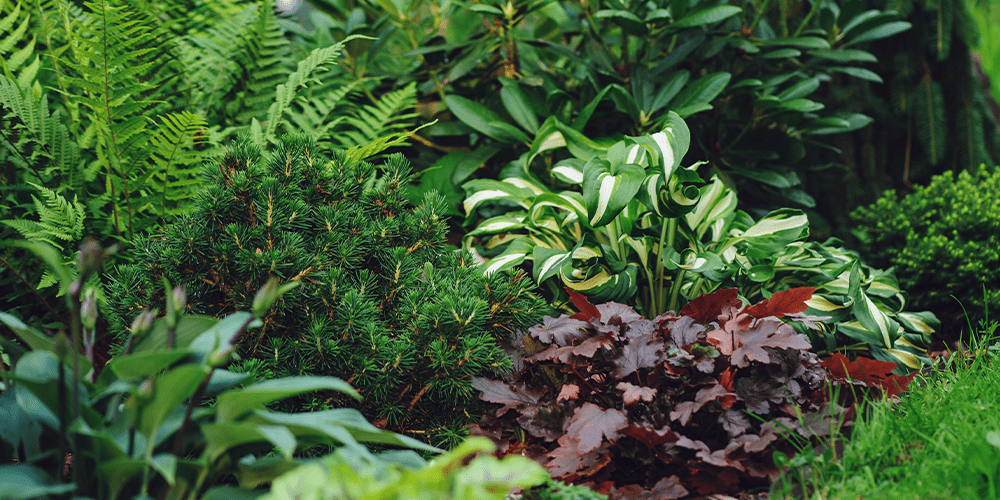
To landscape with coral bells (Heuchera), it's important to consider their unique visual appeal and suitability for various garden settings. They are prized for their vibrant foliage and delicate flower spikes, making them an excellent choice for both garden beds and container arrangements. Here are detailed steps and considerations for effectively using coral bells in landscaping.
Choosing the Right Variety
When selecting coral bells, you will find a diverse range of varieties, each offering different leaf colors, sizes, and growth habits.
- Color Options: Coral bells come in colors ranging from bright green to deep burgundy. Choose a variety that complements the other plants in your garden.
- Size Considerations: Some varieties grow taller or wider than others. Determine the space and scale of your garden design before selecting the appropriate variety.
- Climate Adaptability: Ensure that the chosen variety is suitable for your climate zone, as some coral bells thrive in specific environments better than others.
Selecting the Perfect Location
The location in which you plant coral bells can greatly influence their health and growth.
- Light Requirements: Coral bells prefer partial shade to full shade. Avoid placing them in direct sunlight, as this can scorch their leaves.
- Soil Conditions: They thrive in well-draining soil with good organic matter. Amend heavy clay soil with compost to improve drainage.
- Proximity to Other Plants: When landscaping, consider the height and spread of surrounding plants. Coral bells can be used effectively as a front border plant or a filler in mixed beds.
Planting Techniques
Proper planting techniques are crucial for the success of your coral bells.
- Spacing: Space plants according to their mature size, generally 12 to 18 inches apart, to allow for airflow and growth.
- Planting Depth: When planting, ensure the crown of the plant (the point where the leaves meet the roots) is level with the soil surface to prevent rot.
- Watering: Water thoroughly after planting and keep soil consistently moist until established, but avoid waterlogging the roots.
Care and Maintenance
After planting, proper care and maintenance will keep your coral bells thriving.
See also:
- Watering Needs: Coral bells need moisture but can be sensitive to overwatering. Regularly check soil moisture and adjust watering accordingly.
- Fertilization: Feed with a balanced fertilizer during the growing season to promote lush foliage and vibrant blooms.
- Pruning: Cut back any dead foliage or spent flowers in early spring to encourage fresh growth and maintain plant health.
Design Incorporation
Incorporating coral bells into your landscape design can enhance its visual appeal.
- Layering: Use coral bells as a low-growing layer in front of taller plants to create depth in flower beds.
- Color Schemes: Pair with other shade-loving plants, such as ferns or hostas, to create vibrant color contrasts.
- Container Gardening: Coral bells also thrive in pots and can be mixed with other plants for patio or balcony displays, offering versatility in design.
What to plant with obsidian coral bells?
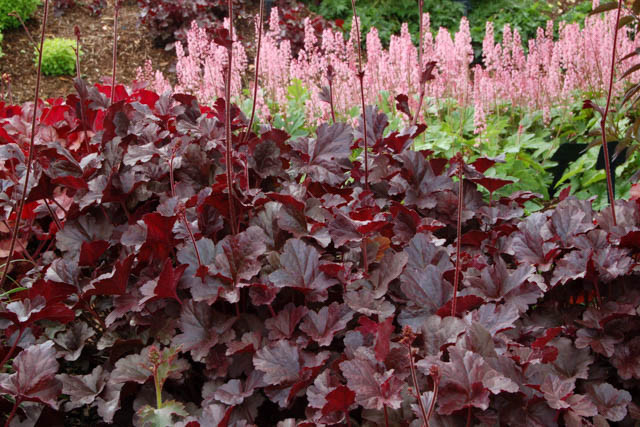
Obsidian coral bells, scientifically known as Heuchera 'Obsidian', are appreciated for their striking dark leaves and delicate flower spikes. When considering what to plant with them, it's important to focus on companion plants that can complement their aesthetic while also thriving in similar environmental conditions. Here are some excellent choices:
1. Hostas
Hostas are a classic choice to pair with obsidian coral bells. Their broad leaves create a lovely contrast against the delicate foliage of the coral bells.
- Shade Tolerance: Both plants thrive in shady environments, making them compatible companions.
- Textural Contrast: The thick, textured leaves of hostas provide visual depth alongside the fine, lacy look of coral bells.
- Diverse Varieties: Hostas come in various shades of green, blue, and even yellow, allowing you to create a dynamic color palette in your garden.
2. Astilbes
Astilbes bring feathery plumes and vibrant colors that can enhance the overall aesthetics of the garden when planted alongside obsidian coral bells.
- Moisture Requirements: Both plants prefer moist soil, making them suitable for similar watering schedules.
- Blooming Period: Astilbes bloom in summer, providing a colorful contrast to the evergreen foliage of coral bells.
- Height Variation: The varying heights of astilbes compared to the more compact coral bells can create visual interest in the garden beds.
3. Dicentra (Bleeding Heart)
The romantic, arching shape of bleeding hearts complements the shape of obsidian coral bells beautifully.
- Colorful Blooms: Bleeding hearts offer heart-shaped flowers that bloom in spring, adding an enchanting touch to the garden.
- Shade Adaptability: Ideal for partial to full shade, these plants thrive in the same conditions as coral bells.
- Natural Fillers: Their spreading habit can fill spaces between coral bells while creating a lush underlayer.
4. Ferns
Ferns create a lush, green background that can accentuate the dark foliage of the obsidian coral bells.
- Texture Variety: The fronds of ferns provide a contrasting texture that can enhance the visual dynamics of the garden bed.
- Shade Friendly: Most ferns prefer the same partial to full shade as coral bells, making them easy to grow together.
- Ecosystem Benefits: Ferns can help retain moisture in the soil, benefiting all plants in the vicinity, including coral bells.
5. Lamium (Dead Nettle)
Lamium is another excellent companion plant that provides ground cover and vibrant color variations.
- Ground Cover: It spreads easily, which can help suppress weeds and conserve soil moisture.
- Color Variations: Lamium's variegated leaves create an interesting contrast with the dark tones of obsidian coral bells.
- Long Blooms: Producing flowers from spring to fall, lamium extends color in the garden throughout the seasons.
Questions from Our Readers
What plants complement coral bells (Heuchera)?
Coral bells look stunning when paired with shade-loving plants such as ferns, hostas, and persistent groundcovers like violets. The foliage colors and textures of these plants can enhance the vibrant hues of coral bells, creating a visually appealing garden display.
How do I care for plants next to coral bells?
When selecting companion plants for coral bells, it's essential to choose those that have similar watering and light requirements. Ensure that they thrive in the same part-shade to full shade conditions, and maintain a consistent moisture level in the soil to support all plants’ health and vitality.
See also:
Can I plant coral bells with annuals?
Yes, coral bells can be paired with annuals such as impatiens or balsam for added color and seasonal interest. These annuals not only add a splash of color but also bloom throughout the summer, providing a beautiful backdrop to the delicate foliage of the coral bells.
What should I avoid planting near coral bells?
Avoid planting aggressive or tall perennials with coral bells, as they might overshadow them or compete for nutrients and water. Plants like daylilies or phlox can grow too large and block sunlight, undermining the growth of the coral bells and potentially diminishing their beauty.

If you want to read more articles like What Looks Good Next to Coral Bells? Top Companion Plants to Enhance Your Garden Design, we recommend you check out our Garden category.
Leave a Reply
Related Articles