What is the strongest herb for the immune system? Discover the Top Herbal Boosters for Immunity
In today's fast-paced world, maintaining a robust immune system is more crucial than ever. With increasing exposure to environmental stressors and pathogens, many are turning to nature for support. Herbs have long been celebrated not only for their culinary uses but also for their remarkable health benefits, particularly in boosting immunity. This article explores the strongest herbs known for enhancing immunological function, spotlighting their key properties, medicinal benefits, and ways to incorporate them into your daily routine. Discover the top herbal boosters that can help fortify your body's defenses and promote overall well-being.
What is the Strongest Herb for the Immune System?
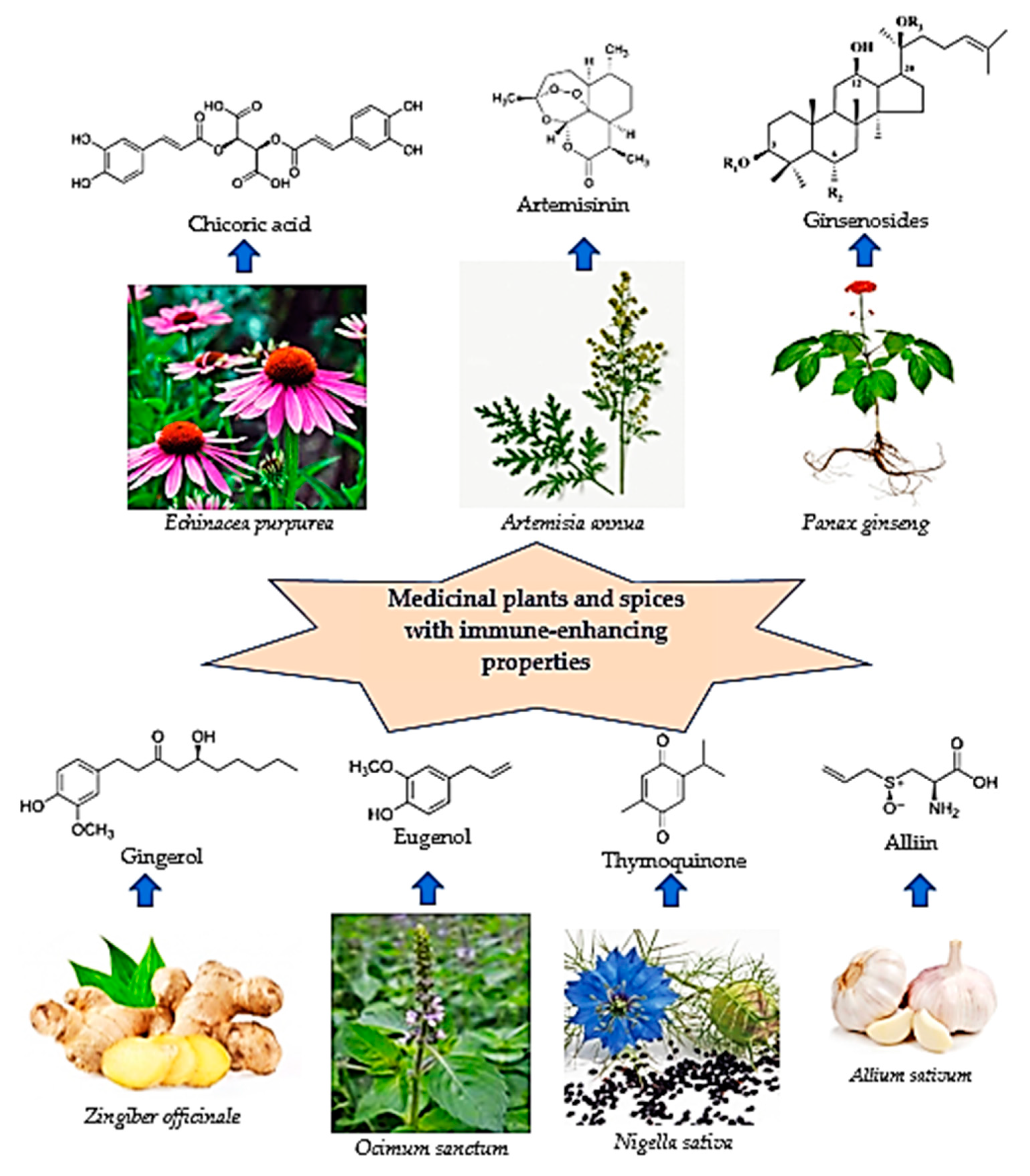
The immune system plays a crucial role in protecting the body from infections and diseases, and certain herbs have been shown to significantly bolster its function. Among the many herbs available, Echinacea is often regarded as one of the strongest. This herb has been used for centuries, particularly by Native American tribes, for its potential to enhance immunity and reduce the duration of common colds. Its active components, including polyphenols and alkamides, are believed to stimulate the production of white blood cells, thereby improving the body's defense mechanisms. While various herbs can support the immune system, Echinacea stands out for its proven efficacy and widespread use.
Benefits of Echinacea for Immunity
Echinacea is renowned for its immune-boosting properties, primarily due to its ability to enhance the activity of phagocytes, the immune cells that engulf and destroy pathogens. Research has indicated that taking Echinacea can reduce the likelihood of developing respiratory infections and may also lessen the severity and duration of cold symptoms. Furthermore, Echinacea's anti-inflammatory properties contribute to its ability to modulate immune responses, ensuring that the immune system functions optimally without overreacting.
Other Prominent Immune-Boosting Herbs
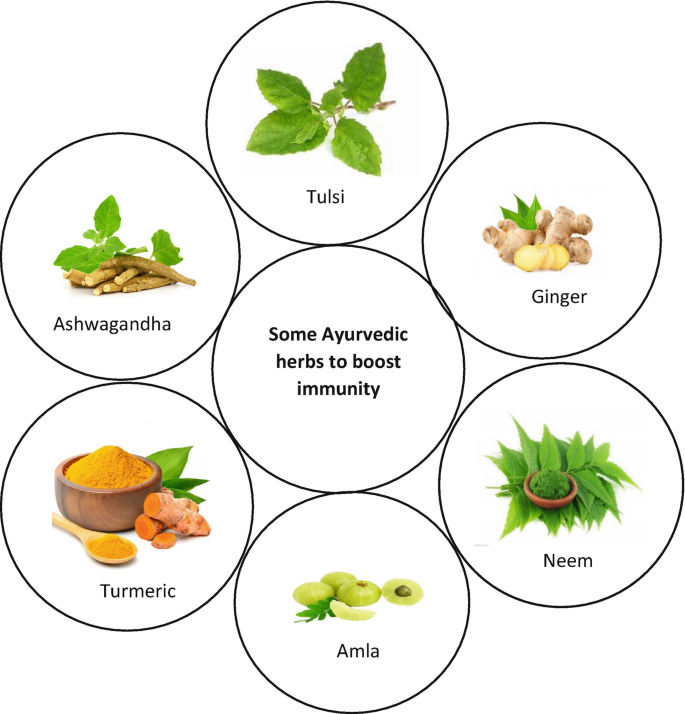
While Echinacea is often considered the strongest, several other herbs also support immune function. Elderberry is known for its ability to combat viral infections, particularly those associated with seasonal influenza. Garlic possesses antimicrobial and antiviral properties, helping to fight infections. Ginger is another noteworthy herb, praised for its anti-inflammatory effects and ability to enhance circulation, further aiding the immune response. Additionally, Ashwagandha is not only an adaptogen but also helps strengthen immunity by reducing stress and promoting overall well-being.
How to Use Echinacea Effectively
To maximize the benefits of Echinacea, it's essential to use it in the correct form and dosage. Available as tinctures, capsules, and teas, the most effective forms often contain concentrated extracts. Research suggests taking Echinacea at the first onset of cold symptoms can be particularly beneficial, as it helps boost the immune response early. Following the recommended dosage on the product label or consulting with a healthcare professional ensures safe and effective use.
Possible Side Effects of Echinacea
While Echinacea is generally safe for most individuals, some may experience side effects such as allergic reactions, digestive upset, or changes in liver function. Those with autoimmune diseases or who are pregnant should exercise caution, as Echinacea may stimulate immune activity. It's essential to discuss any potential interactions with medications or preexisting conditions with a healthcare professional before incorporating Echinacea into a health routine.
Comparative Effectiveness of Immune Herbs
To better understand how Echinacea stacks up against other immune-supporting herbs, consider the following table summarizing key attributes:
| Herb | Form | Benefits | Side Effects |
|---|---|---|---|
| Echinacea | Capsules, tinctures, tea | Enhances white blood cell production, fights colds | Allergic reactions, digestive upset |
| Elderberry | Syrup, capsules | Antiviral, alleviates flu symptoms | Digestive upset in some cases |
| Garlic | Raw, capsules, powder | Antimicrobial, boosts circulation | Bad breath, digestive upset |
| Ginger | Fresh, tea, capsules | Anti-inflammatory, supports digestion | Heartburn, digestive issues |
| Ashwagandha | Capsules, powder | Reduces stress, supports overall immunity | May cause drowsiness, digestive upset |
What is the most powerful herb for the immune system?
The most powerful herb for the immune system is often considered to be Elderberry (Sambucus nigra). Traditionally used for centuries, elderberry is renowned for its ability to enhance immune response and combat viral infections. It contains a variety of beneficial compounds, including flavonoids, which possess strong antioxidant properties, and vitamins A, B, and C that are vital for maintaining a healthy immune system. Research has indicated that elderberry may help reduce the duration and severity of colds and flu, making it highly regarded in herbal medicine.
Benefits of Elderberry for Immune Support
Elderberry is celebrated for its numerous health benefits, particularly concerning immune support. Here are some of its key advantages:
- Rich in Antioxidants: Elderberry contains a high concentration of antioxidants, which help combat oxidative stress in the body.
- Anti-Viral Properties: Studies suggest that elderberry extract can inhibit the replication of certain viruses, notably influenza.
- Aids in Reducing Inflammation: The anti-inflammatory properties of elderberry can help lessen systemic inflammation, further bolstering immune function.
How to Use Elderberry
Elderberry can be consumed in various forms, making it accessible for many individuals. Here are some common methods of consumption:
- Syrup: Elderberry syrup is popular for its sweet flavor and ease of use, often taken by the tablespoon.
- Capsules: For those who prefer a supplement approach, elderberry capsules are widely available.
- Tea: Elderberry tea is another delicious way to enjoy the benefits, especially during cold seasons.
Scientific Research on Elderberry
Numerous studies have been conducted on the efficacy of elderberry in promoting immune health. Here are some findings:
- Clinical Trials: Research has shown that elderberry can significantly reduce flu symptoms, with participants reporting quicker recovery times.
- Data on Colds: Some studies suggest that elderberry may shorten the duration of common colds by enhancing immune response.
- Laboratory Studies: Laboratory research indicates that elderberry extracts can prevent the entry of viruses into healthy cells.
Potential Side Effects and Precautions
While elderberry is generally safe for most individuals, there are some precautions to consider. These include:
See also:
- Raw Berries: Raw elderberries contain cyanogenic glycosides, which can be toxic if consumed in large quantities, hence they should always be cooked before consumption.
- Medication Interactions: Elderberry may interact with certain medications, particularly immunosuppressants and diuretics.
- Pregnancy and Breastfeeding: Limited research exists on the safety of elderberry during pregnancy and lactation, so consulting a healthcare provider is advised.
Other Herbal Options for Immune Support
While elderberry is potent, other herbs may also provide immune benefits. A few notable alternatives include:
- Echinacea: Commonly used to prevent colds and lower respiratory infections.
- Garlic: Contains allicin, which has been shown to enhance immune function.
- Ginger: Known for its anti-inflammatory properties and ability to support digestion and gut health, which is integral for immune function.
What is the most powerful natural immune booster?

The most powerful natural immune booster is often considered to be garlic. This humble bulb is packed with numerous health benefits and has been used for centuries in various traditional medicines. Garlic contains compounds such as allicin, which possess potent antimicrobial and anti-inflammatory properties. It enhances the immune system by stimulating the production of white blood cells, crucial for fighting infections. Regular consumption of garlic can lead to improved overall health and a more resilient immune system.
Benefits of Garlic for Immunity
Garlic is known for its various health benefits that directly impact the immune system. Its consumption can help in preventing common illnesses.
- Rich in Antioxidants: Garlic is rich in antioxidants that help combat oxidative stress in the body.
- Antimicrobial Properties: The compounds in garlic can help fight off various pathogens, including bacteria and viruses.
- Anti-Inflammatory Effects: Garlic reduces inflammation, which is beneficial for maintaining a robust immune response.
How to Incorporate Garlic into Your Diet
Incorporating garlic into your diet can be simple and delicious. Here are some effective ways to do so:
- Raw Consumption: Eating raw garlic can maximize its health benefits. Adding it to salads or salsas is a great way to enjoy it.
- Cooking: While cooking can reduce some of its potency, adding garlic to dishes like soups and stir-fries still provides many benefits.
- Supplements: For those who dislike the taste, garlic supplements can offer an alternative while still providing health benefits.
Garlic Dosage Recommendations
Understanding the right amount of garlic for immune support is crucial. Here are recommended dosages:
- Raw Garlic: About one to two cloves per day is sufficient for health benefits.
- Cooked Garlic: Using three to four cloves in daily cooking is beneficial and safe.
- Garlic Supplements: Typically, supplements containing 600 to 1,200 mg of garlic extract daily are effective.
Potential Side Effects of Garlic
While garlic is generally safe, it may cause some side effects. Awareness can help avoid discomfort:
- Digestive Issues: Some may experience bloating or gas when consuming garlic.
- Allergic Reactions: Rarely, individuals may have allergic reactions, leading to symptoms like skin rashes.
- Blood Thinning: Garlic has blood-thinning properties, which may interact with blood-thinning medications.
Garlic vs. Other Immune Boosters
While garlic is highly effective, it is important to compare it with other natural immune boosters:
- Elderberry: Known for its antiviral properties, particularly against flu viruses.
- Echinacea: Commonly used to shorten the duration of colds and improve immune function.
- Citrus Fruits: High in vitamin C, they support immune function and enhance overall health.
Which plant is best for the immune system?
The best plant for the immune system can often be considered to be Echinacea. Historically used in herbal medicine, Echinacea is renowned for its potential to bolster the immune response. Scientific studies suggest that this plant may stimulate the production of white blood cells, which are crucial for fighting infections. The active compounds in Echinacea, such as echinacoside and polysaccharides, are believed to enhance the body's natural defenses, making it a popular choice for preventing colds and other infections.
Echinacea: A Powerful Immune Booster
Echinacea is often the first choice for enhancing immune function due to its wide-ranging benefits. It is known for its ability to reduce the duration and severity of respiratory infections. Additionally, it may assist in decreasing inflammation and acting as an antioxidant, thereby protecting the body from oxidative stress.
- Stimulates White Blood Cell Production: Echinacea is thought to increase the production of white blood cells, which play a critical role in immune defense.
- Reduces Inflammation: Its anti-inflammatory properties help in managing systemic inflammation, which can adversely affect immune health.
- Combats Respiratory Infections: Studies indicate that Echinacea can reduce the chances of developing colds and other respiratory infections.
Garlic: Nature’s Antibiotic
Garlic is another exceptional plant that supports immune health. It contains a compound called allicin, which has been shown to have antimicrobial properties that combat bacteria and viruses. Daily consumption of garlic can enhance the body’s immune response and lower the incidence of illness.
- Boosts Immune Function: Garlic enhances the response of immune cells, helping the body fight off diseases more effectively.
- Reduces Severity of Colds: Regular consumption of garlic may help decrease the incidence and severity of cold symptoms.
- Rich in Antioxidants: Garlic is packed with antioxidants that help protect the body's cells from damage.
Ginger: A Natural Anti-Inflammatory
Ginger is not only a flavorful spice but also offers significant immune support due to its potent anti-inflammatory and antioxidant properties. It can help in fighting infections and soothing a sore throat, making it a popular home remedy.
See also:
- Anti-Inflammatory Benefits: Ginger contains compounds that have powerful anti-inflammatory effects, promoting overall health.
- Relieves Nausea: It can help in reducing nausea and gastrointestinal discomfort, which is beneficial during illness.
- Rich in Vitamins: Ginger is also a source of vitamins and minerals that can support immune health.
Astragalus: The Immune System’s Shield
Astragalus root has been a staple in traditional Chinese medicine for centuries, particularly for enhancing immune function. It is rich in polysaccharides and flavonoids, compounds that are believed to boost the immune system and improve the body’s resilience to stress.
- Enhances Immune Response: Astragalus has been shown to increase the activity of immune cells, enhancing the body’s ability to fight off illness.
- Adaptogenic Properties: It is considered an adaptogen, helping the body adapt to stress and reducing fatigue.
- Supports Overall Health: Regular use of astragalus may improve overall vitality and longevity.
Turmeric: The Golden Spice of Immunity
Turmeric is widely recognized for its active ingredient, curcumin, which has powerful anti-inflammatory and antioxidant qualities. It can greatly enhance the immune system response and support overall health.
- Powerful Antioxidant: Curcumin protects the body’s cells from damage caused by free radicals.
- Reduces Inflammation: Chronic inflammation can weaken the immune system, and turmeric helps in reducing it effectively.
- Boosts Immune Function: Studies suggest that turmeric may help increase immune cell proliferation, enhancing overall immune response.
What is the fastest way to boost my immune system?

To boost your immune system quickly, it is essential to adopt a comprehensive approach that combines various lifestyle changes, dietary adjustments, and wellness practices. Here are some effective strategies to enhance your immune function:
Nutrition and Diet
Eating a balanced and nutrient-rich diet is fundamental for supporting your immune system. Focus on foods that are high in vitamins, minerals, and antioxidants. Some key nutrients for immune health include:
- Vitamin C: Found in citrus fruits, strawberries, and bell peppers.
- Vitamin D: Can be obtained from fish, fortified dairy products, and sunlight.
- Zinc: Present in meats, shellfish, legumes, and seeds.
Regular Exercise
Engaging in regular physical activity is a powerful way to improve your immune response. Exercise helps to promote good circulation, reducing inflammation, and supporting the immune system overall. Aim for at least:
- 150 minutes of moderate aerobic activity each week, such as walking or cycling.
- Strength training exercises twice a week that focus on major muscle groups.
- Flexibility and balance exercises, like yoga, to enhance overall health.
Quality Sleep
Adequate sleep is crucial for a healthy immune system. During sleep, your body works to repair and regenerate, as well as produce immune cells. To improve your sleep quality, consider:
- Aim for 7-9 hours of sleep per night.
- Establish a consistent sleep schedule by going to bed and waking up at the same time each day.
- Create a restful environment by reducing noise and light exposure.
Hydration
Staying well-hydrated is another essential aspect of maintaining a strong immune system. Proper hydration ensures that your body’s systems, including the immune system, function optimally. You can:
- Drink at least 8 glasses of water per day, or more if you are active.
- Consume hydrating foods like fruits and vegetables (e.g., cucumbers, watermelon).
- Limit excessive caffeine and alcohol, which can lead to dehydration.
Stress Management
Chronic stress can significantly weaken your immune system. Therefore, managing stress effectively is vital. Incorporate stress-reducing techniques into your routine:
- Practice mindfulness or meditation for at least 10 minutes a day.
- Engage in deep-breathing exercises or progressive muscle relaxation.
- Connect with others through social interaction or support groups.
Questions from Our Readers
What herb is considered the strongest for boosting the immune system?
The strongest herb for boosting the immune system is often regarded as elderberry. Research suggests that elderberry extract can enhance immune function and reduce the duration of colds and flu symptoms, making it a popular choice during cold and flu seasons.
How does echinacea support the immune system?
Echinacea is believed to stimulate the immune system by increasing the production of white blood cells, which help combat infections. Numerous studies have indicated that this herb can reduce the likelihood of catching colds and may assist in shortening their duration.
Can garlic be beneficial for immune health?
Yes, garlic is highly regarded for its immune-boosting properties due to its high content of allicin, a compound known for its antimicrobial and antiviral effects. Regular consumption of garlic may help enhance the body's ability to fight off infections and improve overall wellness.
Is turmeric effective for the immune system?
Absolutely, turmeric contains curcumin, which has potent anti-inflammatory and antioxidant properties that can support the immune system. Its ability to modulate immune response makes turmeric a valuable addition to a diet aimed at enhancing immune health.
See also:
If you want to read more articles like What is the strongest herb for the immune system? Discover the Top Herbal Boosters for Immunity, we recommend you check out our Herbs category.
Leave a Reply
Related Articles