Discovering What are the Four Fine Herbs? A Guide to Culinary Essentials

In the world of culinary arts, fresh herbs can elevate a dish from ordinary to extraordinary. Among the multitude of flavors available, the Four Fine Herbs stand out as essential ingredients for any aspiring chef or seasoned cook. This guide will delve into these aromatic treasures, offering insights into their unique characteristics, culinary uses, and historical significance. Whether you're looking to enhance your home-cooked meals or gain a deeper understanding of classic French cuisine, mastering these four herbs will undoubtedly enrich your cooking repertoire. Join us as we explore the essence of these indispensable herbs.
Understanding the Four Fine Herbs
The four fine herbs traditionally refer to a classic combination of culinary herbs that are essential in French cuisine, particularly in sauces and soups. These herbs are chervil, tarragon, parsley, and chives. Each herb adds its unique flavor profile and aroma, enhancing the overall taste of various dishes. Chervil carries a subtle anise flavor, tarragon offers a slightly sweet and licorice-like taste, parsley provides a fresh and mild herbal note, and chives contribute a delicate onion flavor. Together, they create a harmonious balance that elevates both classic and modern recipes.
Chervil: The Delicate Herb
Chervil, often known as “gourmet's parsley,” has a mild flavor that is reminiscent of anise and is commonly used in French cuisine. This herb thrives in cool climates and is often added to dishes near the end of cooking to preserve its delicate flavor. It pairs well with fish, poultry, and vegetable dishes, making it a versatile addition to many recipes.
Tarragon: The Sweet and Aromatic Herb
Tarragon is characterized by its slightly sweet, almost licorice-like flavor, which can enhance a variety of dishes, from meats to sauces. It is particularly essential in French cooking, used prominently in bearnaise sauce and vinaigrettes. The herb is best used fresh, as its flavor diminishes significantly when dried.
Parsley: The Universally Loved Herb
Parsley is one of the most widely used herbs worldwide and serves as a garnish and a flavoring agent. Available in curly and flat-leaf varieties, flat-leaf parsley is favored for its flavor in cooking. It adds a fresh, vibrant taste to dishes, brightening up everything from salads to soups and marinades, making it essential in the four fine herbs blend.
Chives: The Mild Onion Flavor
Chives are unique due to their delicate onion flavor, which is less pungent compared to other alliums. These green, hollow stems are often used fresh in salads, soups, and as a topping for baked potatoes. Their appearance adds a beautiful splash of green, while their mild taste complements a wide range of dishes, fitting perfectly into the four fine herbs category.
Application of the Four Fine Herbs in Cooking
The four fine herbs can be used in various culinary applications, enhancing both flavor and presentation. They are often included in sauces, particularly in classic French recipes, and can also be sprinkled on roasted vegetables or mixed into dips. Their combination can elevate the taste of simple dishes, making them more sophisticated while adding a fresh herbal note.
| Herb | Flavor Profile | Culinary Uses |
|---|---|---|
| Chervil | Mild, Anise-like | Soups, Fish dishes |
| Tarragon | Sweet, Licorice-like | Bearnaise sauce, Vinaigrettes |
| Parsley | Fresh, Mild | Salads, Soups, Garnishes |
| Chives | Mild Onion | Salads, Soups, Toppings |
What herbs are fine herbs?
:max_bytes(150000):strip_icc()/anthriscus-cerefolium--allium-schoenoprasum--petroselinum-crispum--artemisia-dracunculus--fresh-chervil--chives--parsley-and-tarragon-leaves--72194870-5b01eca8c5542e0036cbfddf.jpg)
Fine herbs are a specific blend of fresh herbs that are used to enhance the flavor of dishes without overwhelming them. The term generally refers to a delicate combination of herbs that are often used in French cuisine and are known for their subtle and aromatic properties. The following herbs are commonly classified as fine herbs:
1. Chives - Known for their mild onion flavor, chives add a fresh, subtle taste to dishes.
2. Parsley - A versatile herb, parsley has a clean, bright flavor that is used in salads, sauces, and as a garnish.
3. Tarragon - With an anise-like flavor, tarragon is particularly popular in French cooking and pairs well with chicken and fish.
4. Chervil - Often compared to parsley, chervil has a mild flavor that brings a slightly sweet and peppery note to dishes.
5. Dill - While not traditionally included in the classic mix of fine herbs, it's often used for its fresh, anise-like taste, especially in seafood dishes.
These herbs are best when fresh and are typically chopped finely to release their flavors before being added to a dish.
What Are the Characteristics of Fine Herbs?
Fine herbs are characterized by their subtle flavors and aromatic qualities. They are intended to complement and enhance the preparation rather than dominate it. Some notable characteristics include:
- Freshness: Fine herbs are typically used fresh to preserve their delicate flavors.
- Versatility: These herbs can be used in a variety of dishes, from soups to sauces to salads.
- Delicacy: They have a mild taste that allows for a harmonious balance in culinary preparations.
How to Use Fine Herbs in Cooking?
Fine herbs can be used in a variety of culinary applications to enhance flavor without overpowering other ingredients. Proper use is key to maximizing their potential:
- Fresh Use: Add fresh fine herbs at the end of cooking or as a garnish to retain their flavor.
- Infusions: Use fine herbs in oils or vinegars to create flavorful infusions.
- Complementing Ingredients: Pair fine herbs with compatible flavors, such as lemon for chervil or cream for tarragon.
Storage and Preservation of Fine Herbs
Proper storage is essential for maintaining the quality of fine herbs. Here are some effective methods:
See also:
- Refrigeration: Store fresh herbs in the refrigerator, preferably wrapped in damp paper towels to keep them hydrated.
- Freezing: Freeze chopped fine herbs in ice cube trays with water or oil to easily add them to cooking.
- Drying: Though not ideal for all fine herbs, some can be dried and stored in airtight containers, though this may alter the flavor.
Common Dishes That Feature Fine Herbs
Fine herbs are quintessential in many culinary traditions, particularly in French cuisine. They are often featured in:
- Herb Butter: Fine herbs can be mixed with butter to create a flavorful spread for meats or bread.
- Soups and Sauces: They are used in various soups and sauces, bringing a freshness that elevates the dish.
- Salads: Fine herbs can be added to salads for a burst of flavor, helping to enhance the overall profile of the dish.
Benefits of Using Fine Herbs
Incorporating fine herbs into your cooking offers various benefits that go beyond flavor enhancement:
- Nutritional Value: Many fine herbs contain vitamins and antioxidants, contributing positively to health.
- Flavor Enhancement: Fine herbs can enhance the taste of dishes without the need for additional salt or fat.
- Aromatherapy: The aromatic properties of fine herbs can positively influence the sensory experience of meals.
What are the 4 categories of herbs?
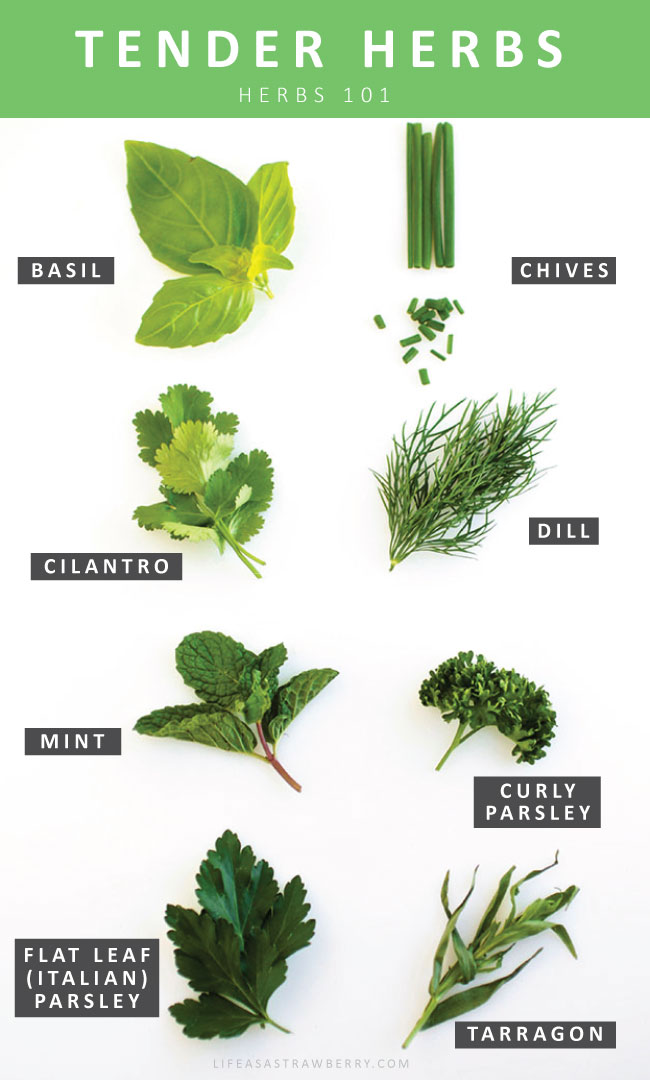
The four main categories of herbs are culinary, medicinal, aromatic, and ornamental herbs. Each category serves a distinct purpose and has its own unique characteristics.
Culinary Herbs
Culinary herbs are those used primarily for flavoring and enhancing the taste of foods. They are often fresh or dried and can be found in many kitchens around the world. Examples include:
- Basil - A popular herb in Italian cuisine, used in sauces and salads.
- Parsley - Widely used as a garnish and for its fresh flavor in various dishes.
- Oregano - Commonly found in Mediterranean and Mexican dishes, lending a warm and aromatic profile.
Medicinal Herbs
Medicinal herbs are chosen for their therapeutic properties and have been used for centuries in traditional medicine systems. They often contain bioactive compounds that can aid in treating various ailments. Examples include:
- Ginger - Known for its anti-inflammatory and digestive benefits.
- Chamomile - Often used to promote relaxation and improve sleep quality.
- Turmeric - Renowned for its anti-inflammatory and antioxidant properties.
Aromatic Herbs
Aromatic herbs are defined by their strong fragrances, which come from essential oils found in their leaves and stems. These herbs are often used in perfumes, aromatherapy, and incense. Examples include:
- Mint - Offers a refreshing scent and is commonly used in teas and candies.
- Lavender - Valued for its calming aroma, frequently used in soaps and essential oils.
- Rosemary - Known for its earthy scent, often used in cooking and as an aromatic element in gardens.
Ornamental Herbs
Ornamental herbs are primarily grown for their aesthetic value rather than culinary or medicinal use. They can add beauty to gardens and landscapes. Examples include:
- Sage - Besides its culinary uses, it has attractive foliage and adds texture to gardens.
- Catnip - Grows lush and can attract pollinators while providing a visually appealing backdrop.
- Thyme - Compact and low-growing, often used as ground cover in ornamental gardens.
What are the four gentlemen herbs?

The Four Gentlemen Herbs are traditional Chinese medicinal herbs that represent the four key components of a balancing herbal formula. These herbs are often used in various combinations to help restore health and promote wellness. The four gentlemen herbs are:
1. Ren Shen (Ginseng)
2. Bai Zhu (White Atractylodes)
3. Fu Ling (Poria)
4. Zhi Gan Cao (Honey Fried Licorice)
These herbs are primarily known for their ability to tonify the Qi (life force energy) of the body, improve digestion, and support overall vitality. Below, we explore each herb in detail.
Ren Shen (Ginseng)
Ren Shen, or Ginseng, is a powerful herb used to enhance energy and endurance. It is known to strengthen the body's defenses and improve mental clarity.
- Energy boost: Ginseng is famous for its ability to increase stamina and reduce fatigue.
- Immune support: It enhances the immune system, helping to fend off illnesses.
- Mental performance: Widely used to improve cognitive function and memory retention.
Bai Zhu (White Atractylodes)
Bai Zhu, also known as White Atractylodes, plays a key role in supporting digestion and enhancing Qi. It is often used to help with digestive disorders and to strengthen the spleen.
See also:
- Digestive health: Bai Zhu promotes the production of digestive fluids, improving nutrient absorption.
- Strengthening the spleen: It helps tonify the spleen, which is crucial for overall energy levels.
- Diuretic effects: Bai Zhu has mild diuretic properties that help to eliminate excess fluids from the body.
Fu Ling (Poria)
Fu Ling, or Poria, is a fungal herb recognized for its calming properties. It functions to remove dampness from the body and supports a healthy mental state.
- Dampness reduction: Fu Ling helps to eliminate excessive moisture, preventing issues like bloating.
- Calming effects: It is used for its ability to soothe the mind and reduce anxiety.
- Supports Urinary function: Fu Ling promotes healthy kidney function and optimal urination.
Zhi Gan Cao (Honey Fried Licorice)
Zhi Gan Cao, or Honey Fried Licorice, acts as a harmonizer in herbal formulas. It is essential for balancing the effects of other herbs and ensures that the body absorbs their benefits effectively.
- Smoothens herbal combinations: Licorice enhances the effectiveness of other herbs, creating a well-rounded formula.
- Soothing properties: It is known for its ability to soothe irritation in the throat and digestive tract.
- Energy support: Licorice can boost energy levels and support overall feelings of well-being.
Are fine herbs the same as herbs de Provence?
Fine herbs and herbs de Provence are both blends of herbs commonly used in French cuisine, but they are not the same. Here’s a detailed examination of their differences and similarities.
Definition of Fine Herbs
Fine herbs, or fines herbes in French, are a traditional mixture of delicate herbs that typically includes:
- Parsley
- Chives
- Tarragon
- Dill
Fine herbs are used to enhance flavors without overpowering the dish, making them ideal for lighter fare, such as scrambled eggs, poultry, or seafood.
Definition of Herbs de Provence
Herbs de Provence is a mixture of herbs that embodies the flavors of the Provence region in southern France. Common ingredients in this blend include:
- Thyme
- Rosemary
- Savory
- Oregano
- Marjoram
This herb blend is typically used for heartier dishes, particularly meats and roasted vegetables, and it often includes a note of lavender for unique aromatic qualities.
Culinary Uses of Fine Herbs
Fine herbs are traditionally employed in French cooking to provide a fresh, subtle flavor. Their culinary uses encompass:
- Enhancing savory dishes such as omelets and sauces.
- Addition to salads and garnishes, giving a refreshing touch.
- Utilized in delicate dishes like fish and soup.
Culinary Uses of Herbs de Provence
Herbs de Provence serve a different culinary purpose, focusing on robust flavors. Common uses include:
- Marinades for grilled meats like chicken and lamb.
- Seasoning for roasted vegetables such as ratatouille.
- Incorporation into soups and stews for depth of flavor.
Flavor Profiles: Fine Herbs vs. Herbs de Provence
The flavor profiles of these two herb blends differ significantly. Fine herbs are characterized by:
- A light, fresh taste suitable for delicate dishes.
- Subtle herbal notes that complement rather than dominate.
- A focus on greenery rather than earthy or pungent tones.
In contrast, herbs de Provence present:
- A wild, aromatic character rooted in southern French cooking.
- Bold, earthy flavors that can stand up to richer foods.
- The inclusion of floral notes, particularly from lavender.
Questions from Our Readers
What are the four fine herbs?
The four fine herbs typically refer to chervil, tarragon, chives, and parsley. These herbs are often used together in cooking to enhance the flavor of various dishes, particularly in French cuisine. Each herb brings a unique taste profile that can elevate culinary creations.
How are the four fine herbs used in cooking?
The four fine herbs are commonly used to season and garnish dishes. Chervil adds a subtle anise flavor, tarragon contributes an aromatic quality, while chives provide a mild onion taste. Parsley is often used as a fresh garnish or to add brightness to a dish, making them versatile in various recipes.
See also:
Can the four fine herbs be grown in a home garden?
Yes, the four fine herbs can be easily grown in a home garden or even in pots. They typically require well-drained soil and a moderate amount of sunlight. Growing your own herbs not only ensures freshness but also allows for personalized culinary use.
Are there any health benefits associated with the four fine herbs?
Absolutely! The four fine herbs are not just flavorful; they also offer several health benefits. For example, parsley is rich in vitamins A, C, and K, while chives contain antioxidants. Incorporating these herbs into your diet can enhance your overall well-being and provide essential nutrients.

If you want to read more articles like Discovering What are the Four Fine Herbs? A Guide to Culinary Essentials, we recommend you check out our Herbs category.
Leave a Reply
Related Articles