Can You Plant Tomato and Basil Next to Each Other? Benefits and Tips for Companion Gardening

Companion gardening is a popular practice among gardeners seeking to maximize their plant growth and health. One of the most common pairings is tomatoes and basil, often praised for their complementary traits. Planting these two together not only enhances their flavors but can also provide various benefits, such as improved pest control and increased nutrient uptake. In this article, we will explore the advantages of growing tomatoes and basil side by side, along with essential tips to ensure a thriving garden. Whether you're a novice gardener or a seasoned pro, understanding these dynamics can lead to a bountiful harvest.
Can You Plant Tomato and Basil Next to Each Other?
Yes, you can plant tomato and basil next to each other, and in fact, they make a great companion planting duo. Basil is known for its ability to enhance the flavor of tomatoes while also helping to repel certain pests that target tomato plants. When grown together, these two plants can benefit from each other’s presence, leading to higher yields and healthier growth. Additionally, planting them side by side can create a microclimate that is favorable for both plants, ensuring they receive adequate moisture and protection from harsh environmental conditions.
Benefits of Planting Tomato and Basil Together
Planting tomatoes and basil together provides numerous benefits, including improved flavor and pest resistance. Basil can help repel pests such as aphids, spider mites, and whiteflies, which commonly affect tomato plants. Moreover, the aromatic leaves of basil can mask the scent of tomatoes, confusing pests that would typically be attracted to them. Additionally, the combined growth of these two plants can promote a healthier ecosystem in your garden, allowing for better nutrient uptake and overall plant health.
Ideal Growing Conditions for Tomato and Basil
Both tomatoes and basil thrive in similar growing conditions; they prefer full sun and well-drained soil rich in organic matter. Ideally, they should be planted in an area that receives at least 6-8 hours of sunlight daily. The soil should be slightly acidic to neutral, with a pH between 6.0 and 7.0. Ensuring regular watering while allowing the soil to dry slightly between waterings is crucial for both plants, as it helps prevent issues such as root rot or fungal diseases.
Spacing Requirements for Optimal Growth
When planting tomatoes and basil together, it is essential to provide adequate spacing to ensure healthy growth. Tomatoes generally require more space due to their larger size and sprawling nature. It is advisable to plant basil at least 12-18 inches away from tomato plants to allow for ample air circulation and sunlight. This spacing also helps prevent overcrowding, which can lead to increased competition for nutrients and hinder the growth of both plants.
Pest Management Strategies
In addition to the natural pest-repelling qualities of basil, it is vital to implement an integrated pest management strategy to protect both tomatoes and basil from various garden pests. Regular monitoring for common pests such as aphids or caterpillars is essential. Handpicking larger pests or using insecticidal soap can be effective methods of control. Additionally, introducing beneficial insects like ladybugs can help keep pest populations in check without harming your crops.
See also:
Harvesting and Culinary Uses
Tomatoes and basil are not only compatible in the garden but also in the kitchen. While harvesting basil, it is best to take the leaves from the top of the plant to encourage bushier growth. When it comes to tomatoes, harvesting them at their peak ripeness ensures optimal flavor. Together, they are classic ingredients in various dishes, especially in Italian cuisine, where they are used in salads, sauces, and other recipes, enhancing both taste and nutritional value.
| Plant | Optimal Spacing | Pest Resistance | Sunlight | Soils Requirements |
|---|---|---|---|---|
| Tomato | 12-18 inches apart | Moderate | 6-8 hours | Slightly acidic to neutral |
| Basil | 12-18 inches apart | High | 6-8 hours | Well-drained, rich in organic matter |
What should you not plant basil next to?
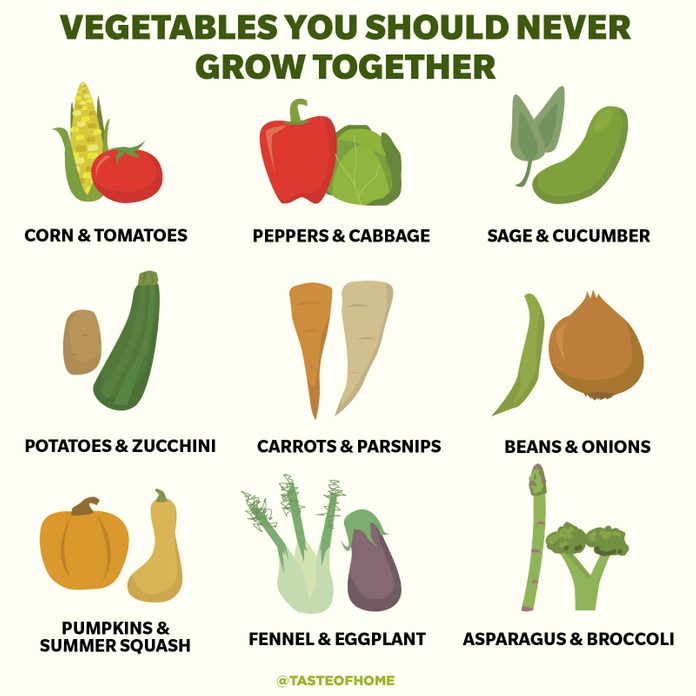
Basil is a popular herb known for its culinary uses, but it has specific plant companions that can either benefit or hinder its growth. Avoiding certain plants when growing basil is crucial to ensure a healthy and productive harvest.
Incompatible Plants for Basil
Basil does not thrive well when planted next to certain herbs and vegetables due to competing nutrients and pest attraction. Plants that release harmful compounds or attract pests can negatively impact basil's growth.
- Mint - Mint is highly invasive and can overtake basil, competing for space and resources.
- Rue - Rue emits a toxicity that can hinder basil’s growth and inhibit its development.
- Fennel - Fennel releases compounds that can stunt the growth of basil and other nearby plants.
Impact of Companion Planting
Companion planting is an important concept in gardening, and understanding which plants to pair with basil can greatly enhance its health and flavor. Good companions can help deter pests and improve basil's overall yield.
- Enhanced growth - Proper companions can stimulate basil’s growth through the release of specific nutrients.
- Pest control - Companion plants can deter insects that would otherwise target basil.
- Improved flavor - The right companions can enhance the flavor profile of basil and other herbs in proximity.
Plants That Attract Pests
Certain plants tend to attract pests that can harm basil. Understanding these plants and their pests can help in maintaining a healthy garden.
See also:
- Tomatoes - While often planted with basil, they share similar pests such as aphids and spider mites.
- Cucumbers - Cucumbers can attract cucumber beetles, which are also a threat to basil.
- Peppers - These can attract similar pests that also damage basil plants.
Effect of Soil Nutrients
Basil thrives in rich, well-drained soil with a specific nutrient balance. Neighboring plants that do not match this requirement can deplete soil nutrients, affecting basil's growth.
- Nitrogen levels - Plants that require high nitrogen can compete with basil and affect its flavor.
- Pest deterrents - Using plants known to attract pests can disrupt the nutrient availability for basil.
- Water retention - Some plants demand more water, which can lead to over-saturation affecting basil roots.
Signs of Basil Stress
Basil plants will often exhibit signs of stress when situated next to incompatible plants, making it important to recognize these signs for timely intervention.
- Yellowing leaves - Indicates poor nutrient availability or root damage from neighboring plants.
- Stunted growth - Lack of vigor can signify competition and poor health from nearby plants.
- Pest infestation - Increased insect activity may suggest that neighboring plants are attracting pests.
Questions from Our Readers
Can tomato and basil be planted together?
Yes, tomatoes and basil can be planted together as they are known to be great companions in the garden. This combination not only promotes healthy growth but can also enhance the flavor of the tomatoes.
What are the benefits of planting tomato and basil together?
Planting tomatoes and basil together can help to deter pests like aphids and whiteflies, while basil can also improve the overall health and flavor of the tomatoes. Additionally, their growing habits complement each other well.
Are there any downsides to planting them next to each other?
While generally beneficial, planting tomatoes and basil too close may lead to competition for nutrients and water. It's important to ensure that both plants have adequate space and resources to thrive.
What is the best way to plant tomato and basil together?
To plant tomatoes and basil together, ensure they are spaced about 12-18 inches apart to allow for proper airflow and growth. You can also plant basil around the tomato plants or in nearby pots to enjoy the benefits without overcrowding.
See also:

If you want to read more articles like Can You Plant Tomato and Basil Next to Each Other? Benefits and Tips for Companion Gardening, we recommend you check out our Herbs category.
Leave a Reply
Related Articles