Can Sage and Basil Be Planted Together? A Complete Guide to Companion Planting

Companion planting is a time-honored gardening technique that can boost the health and productivity of your garden. Among the myriad of herb combinations, sage and basil stand out as two popular options. Both herbs not only add flavor to culinary dishes but also offer unique benefits when grown together. This article provides a comprehensive guide to understanding whether sage and basil can coexist harmoniously in your garden. We'll explore their growing conditions, potential benefits, and tips for successful planting, ensuring that your herbs thrive while creating a robust and flavorful garden ecosystem.
Can Sage and Basil Be Planted Together?
Planting sage and basil together is generally feasible, but there are specific considerations to keep in mind for successful growth. Both herbs thrive in similar growing conditions, such as well-draining soil and ample sunlight, making them compatible in terms of their basic needs. However, sage can grow larger and may overshadow basil if not spaced adequately. Furthermore, sage is considered to be more drought-tolerant, while basil prefers slightly moist soil. Therefore, when planting them together, it is crucial to ensure they have enough space and that their watering needs are carefully managed to prevent competition for resources.
Growing Conditions for Sage
Sage prefers full sun and well-drained soil with a pH of about 6.0 to 7.0. It is a hardy plant that can tolerate drought once established, but it thrives best with consistent moisture during its growth period. Providing adequate spacing between sage plants ensures good airflow and minimizes issues related to humidity and disease. It’s essential to monitor soil moisture levels to prevent root rot, as sage does not like sitting in waterlogged conditions.
Growing Conditions for Basil
Basil thrives in warm temperatures and requires full sunlight for at least six hours a day. It prefers rich, well-draining soil with a pH of 6.0 to 7.0, similar to sage. However, basil needs more frequent watering to keep the soil consistently moist, especially during the hot season. Regular pinching of basil will promote bushier growth, but it’s important to ensure that it does not compete for nutrients if grown alongside sage.
Companion Planting Benefits
Companion planting can lead to synergistic relationships between plants, where they support each other’s growth. Basil is known to help repel certain pests and insects that commonly attack sage, such as flies and mosquitoes, making them a beneficial pair in the garden. Additionally, the aromatic nature of both herbs can help mask other scents that might attract unwanted pests. However, it's vital to manage their space and growth so that they can benefit each other without hindrance.
Potential Challenges
While planting sage and basil together has its benefits, it can also pose challenges. Sage tends to grow bushier and taller, which could overshadow basil if not properly managed. Moreover, differences in watering needs can lead to a situation where one plant may thrive at the expense of the other. If sage dries out too quickly, it may inhibit the growth of the more moisture-reliant basil, leading to stunted growth or wilting.
Spacing and Maintenance Tips
When planting sage and basil together, it’s crucial to provide adequate spacing to prevent competition for light and nutrients. A spacing of about 12-18 inches between each plant is recommended, allowing both herbs to grow without hindering each other. Regular pruning can help maintain a balanced growth and shape, ensuring that the basil receives enough sunlight. Additionally, monitoring soil moisture and nutrient levels can help ensure that both plants thrive without compromising their health.
| Plant | Watering Needs | Preferred Sunlight | Soil Type |
|---|---|---|---|
| Sage | Moderate, drought-tolerant | Full Sun | Well-draining, pH 6.0 - 7.0 |
| Basil | Consistent moisture | Full Sun | Rich, well-draining, pH 6.0 - 7.0 |
Can I plant sage next to basil?

You can plant sage next to basil, but there are several factors to consider for optimal growth and health of both herbs. Sage (Salvia officinalis) and basil (Ocimum basilicum) have somewhat different growing requirements and can compete for resources if planted too closely. Here are some important aspects to keep in mind when planting these two herbs together.
Growing Conditions
Both sage and basil thrive in full sunlight and well-draining soil, but they do have some differences in their specific needs.
- Sage prefers drier conditions and can tolerate less frequent watering.
- Basil requires more moisture and benefits from consistent watering.
- Planting too closely can lead to competition for nutrients, which can stunt growth.
Pest and Disease Resistance
Both herbs can help deter pests, but they also attract different insects which can lead to potential issues.
- Sage is known for its ability to repel certain pests, making it a natural deterrent for basil.
- Basil can attract aphids and other pests, which may affect nearby plants.
- Monitor both plants regularly for any signs of pest activity to maintain their health.
Harvesting and Maintenance
The harvesting techniques for sage and basil can affect their growth when planted near each other.
- Basil should be harvested frequently to encourage bushiness and prevent flowering.
- Sage can be pruned back to promote new growth but prefers a less aggressive harvesting routine.
- Be mindful not to damage the roots of either plant during harvesting, especially if they are planted close to each other.
Companion Planting Benefits
Planting sage and basil together can yield certain companion planting benefits even with their differences.
See also:
- The aromatics of sage can help enhance the flavor of basil when planted nearby.
- They can share nutrients if planted with appropriate spacing, promoting a healthy garden ecosystem.
- Both herbs can coexist in a garden setting, providing varied flavors and aromas while complementing each other.
Spacing Recommendations
Proper spacing is crucial to ensure both plants thrive without competition.
- Plant sage at least 12 to 18 inches away from basil to allow adequate airflow and prevent overcrowding.
- This distance helps reduce the risk of disease while allowing both plants to access sunlight.
- Consider the mature size of each plant when determining the layout of your herb garden.
What to avoid planting near sage?
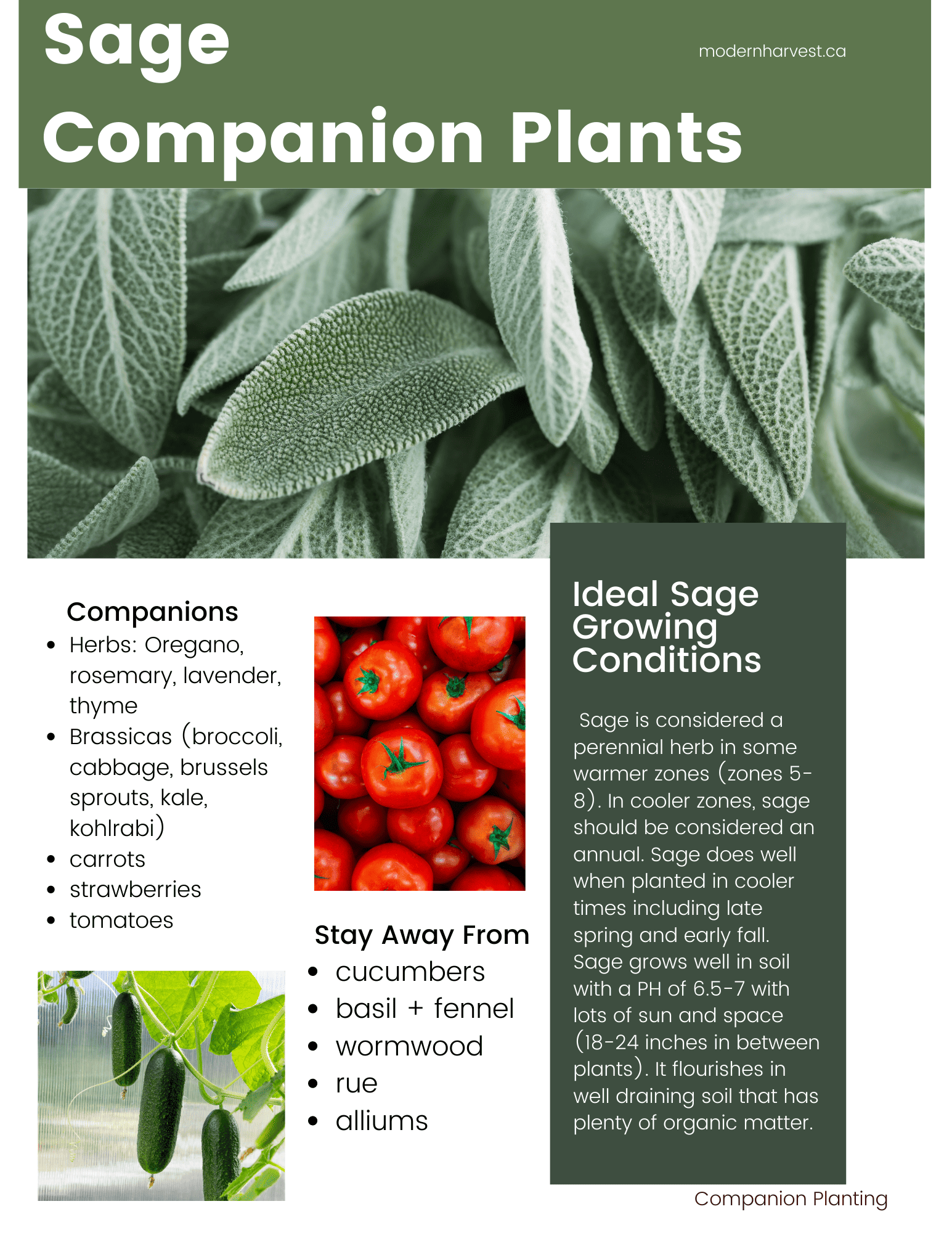
Sage is a popular herb known for its culinary uses and medicinal properties, but it’s essential to be mindful of its companion planting relationships. Certain plants can hinder the growth of sage or compete for resources, so it's crucial to know what to avoid planting near it.
Plants That Compete for Nutrients
When planting sage, it's important to consider companion plants that may compete for nutrients. Some plants require a lot of similar nutrients, which can lead to nutrient deficiency for sage:
- Alliums - Garlic, onions, and shallots can deplete soil nitrogen levels that sage needs.
- Nightshades - Tomatoes, potatoes, and peppers may compete for water and nutrients.
- Brassicas - Cabbage, broccoli, and cauliflower can also use similar nutrients and compete with sage.
Plants That Can Cause Disease
Certain plants may introduce diseases or pests that can negatively impact sage growth. These plants should be avoided to maintain a healthy garden environment:
- Mint - While a great companion to many herbs, it can harbor pests that affect sage.
- Fennel - Known to attract pests that can transmit diseases to sage plants.
- Thyme - Though a companion herb, it can sometimes become infected and spread diseases to nearby sage.
Plants Sensitive to High Moisture
Sage prefers well-drained soil and can suffer in areas where there is high moisture. Avoid planting these water-sensitive plants near sage:
- Rice - Requires consistent moisture, which sage does not thrive in.
- Watercress - Thrives in very wet conditions, leading to potential root rot for sage.
- Wheat - Prefers damp soil, creating a competition that sage is not suited for.
Annual Flowers that Attract Pests
Certain annual flowers can attract pests that may also harm sage. It's advisable to keep these plants away from your sage:
- Marigolds - While they deter some pests, they can also attract aphids.
- Cosmos - May draw pests that feed on sage, increasing vulnerability.
- Zinnias - Can attract beetles that may target sage plants.
Crowded Plantings
Dense plantings can lead to a lack of airflow and increase the risk of fungal diseases. Avoid pairing sage with plants that require high density:
- Herbs - Such as basil and cilantro, which might overcrowd and smother sage.
- Squashes - This natural sprawling plant can overshadow sage and limit sunlight.
- Peppers - Can grow large and cause competition for light and space affecting sage.
Does sage go well with basil?
Sage and basil are two distinct herbs, each boasting unique flavors and culinary uses. The question of whether sage goes well with basil is nuanced. While they can complement each other in certain dishes, there are aspects to consider regarding their flavor profiles, cooking methods, and the types of cuisines they typically belong to.
Flavor Profiles
The flavor profiles of sage and basil differ significantly.
- Sage has a robust, earthy, and slightly peppery taste, often described as warm and slightly woody.
- Basil, on the other hand, presents a sweet, aromatic flavor with hints of mint and clove.
- Combined, the richness of sage can sometimes overpower the delicate nature of basil, which may lead to an unbalanced dish.
Culinary Uses
Both herbs have their own traditional culinary uses, which can influence how they pair together.
- Sage is commonly used in savory dishes, particularly in Italian and Mediterranean cuisine, as well as in roasted meats.
- Basil is a staple in Italian cooking, particularly in sauces like pesto and in salads.
- When considering a combination, dishes that feature pasta or meat might allow sage and basil to coexist, especially when used moderately.
Cooking Methods
The way the herbs are cooked can also affect their compatibility.
See also:
- Sage is often used dried or cooked in fat, which intensifies its flavor and aroma.
- Basil is usually added at the end of cooking to preserve its fresh flavor.
- Integrating both herbs requires careful timing to ensure neither flavor is compromised; adding them at different stages can enhance the dish.
Possible Dish Combinations
There are certain dishes where sage and basil can be paired effectively.
- In stuffed pastas, such as ravioli, sage and basil can complement fillings like ricotta or butternut squash.
- Roasted vegetables may benefit from a mix of sage and basil for a complex flavor profile.
- Soups and stews can also incorporate both, providing depth to the overall dish, particularly in autumnal recipes.
Herbal Substitutions
When considering whether to use sage and basil together, it's also important to note possible substitutions.
- If sage flavors are too robust, replacing it with a gentle herb like parsley can maintain a fresh taste alongside basil.
- Alternatively, if the sweetness of basil is too strong for a specific dish, oregano might work better in place of sage.
- Ultimately, experimenting with different proportions can help find a balance that suits individual palates.
What plants should I avoid with basil?
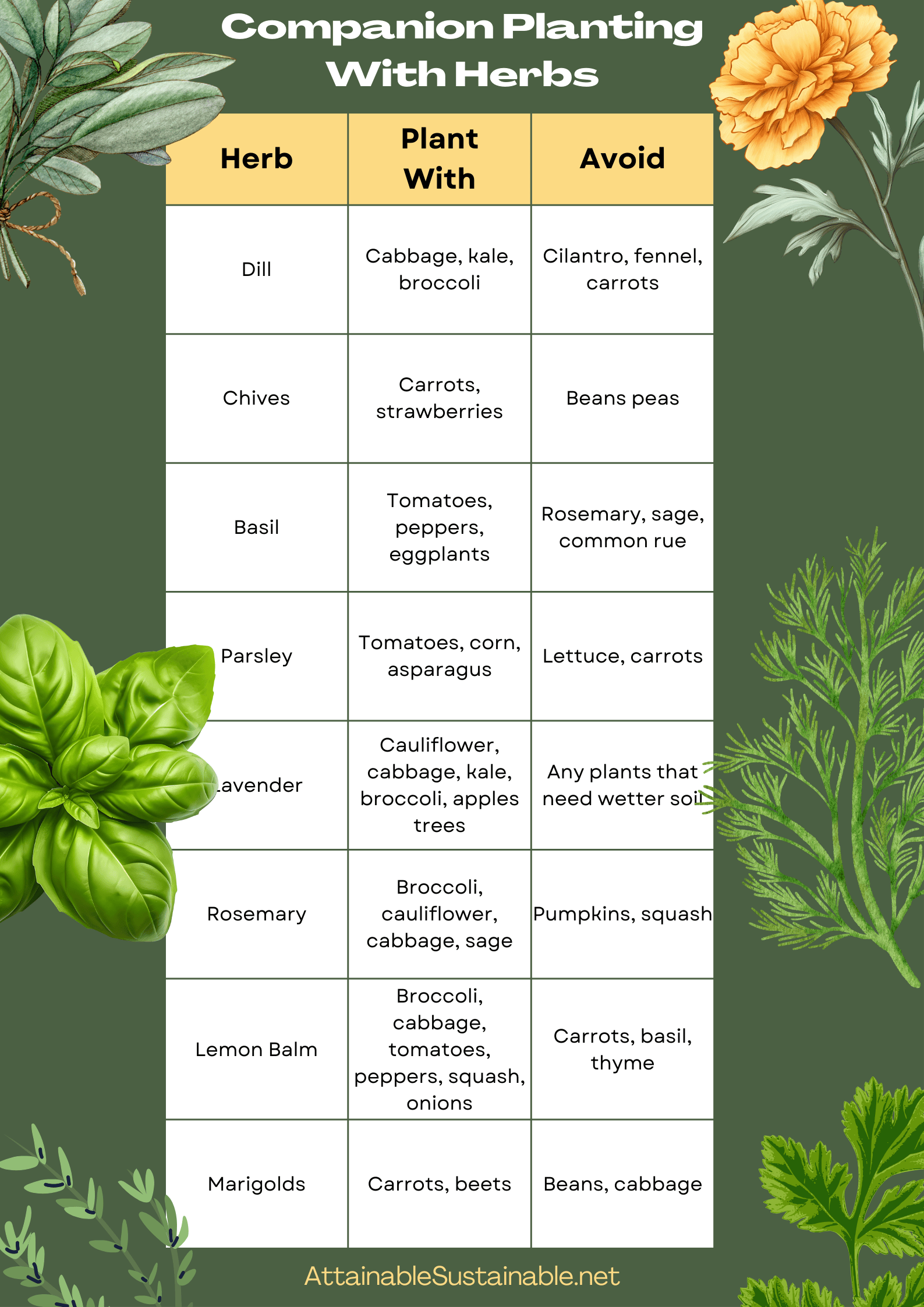
Basil is a popular herb in many culinary dishes, but it's important to consider its companion plants for optimal growth. Certain plants can negatively affect basil's health, growth rate, or flavor when planted nearby. Here are some plants you should avoid growing with basil:
1. Mint
Mint is known for its aggressive growth habit. When planted near basil, mint can easily outcompete basil for nutrients and water. It can overshadow basil's growth by spreading extensively and creating a dense mat of foliage.
- Invasiveness: Mint tends to take over garden spaces.
- Resource competition: It competes directly with basil for water and nutrients.
- Flavor interference: Mint’s strong aroma may affect basil's scent and flavor profile.
2. Cabbage Family Plants
Certain members of the cabbage family, such as broccoli, cauliflower, and kale, can hinder basil's growth. These plants attract pests like aphids and cabbage worms, which can also affect basil.
- Pest Attraction: Cabbage worms and aphids can invade nearby basil plants.
- Nutrient depletion: They may deplete soil nutrients that basil relies on.
- Competition for space: They can shade basil, stunting its growth.
3. Fennel
Fennel is known to be allelopathic, meaning it releases chemicals that can be detrimental to the growth of neighboring plants, including basil. Its influence can result in poor yields and health in basil.
- Alellopathy: Fennel releases growth-inhibiting substances into the soil.
- Growth suppression: Basil may struggle to grow when planted near fennel.
- Flavor changes: The interaction can alter the flavor of basil.
4. Sage
Sage can have a detrimental effect on basil when grown nearby. The volatile compounds released by sage can inhibit the growth of basil, making it less vigorous.
- Compounds impact: Sage releases substances that can stunt growth.
- Humidity competition: Sage prefers drier conditions, which can affect basil's health.
- Size competition: Both plants may compete for space if they grow too large.
5. Rosemary
Rosemary, like sage, is another herb that prefers dryer conditions. Its growth habits can compete with basil for moisture, leading to suboptimal growing conditions for basil.
- Water needs: Rosemary requires less water, which may leave basil undernourished.
- Root competition: Both herbs can vie for root space in the soil.
- Growth patterns: Rosemary's height can block sunlight from reaching basil.
Questions from Our Readers
Can sage and basil be planted together?
Yes, sage and basil can be planted together in your garden. However, it is important to consider their individual growing requirements and ensure they have enough space and resources to thrive without competing for nutrients.
What are the benefits of planting sage and basil together?
Planting sage and basil together can lead to improved growth and flavor. The two herbs can complement each other, as basil may help deter certain pests that could affect sage, while sage can enhance the flavor profile of dishes that include basil.
Are there any potential drawbacks to planting them together?
One potential drawback of planting sage and basil together is their different water and light needs. Basil prefers more moisture and a bit more shade, whereas sage thrives in drier conditions and full sun, so you must manage their environments carefully.
What is the best way to care for sage and basil when planted together?
To care for sage and basil planted together, ensure they are spaced adequately to allow for air circulation and access to sunlight. Regularly check the moisture level of the soil, and make sure to prune both herbs to encourage healthy growth while avoiding overcrowding.
See also:

If you want to read more articles like Can Sage and Basil Be Planted Together? A Complete Guide to Companion Planting, we recommend you check out our Herbs category.
Leave a Reply
Related Articles