Can I Use Cinnamon Instead of Fungicide? Discover the Benefits and Alternatives
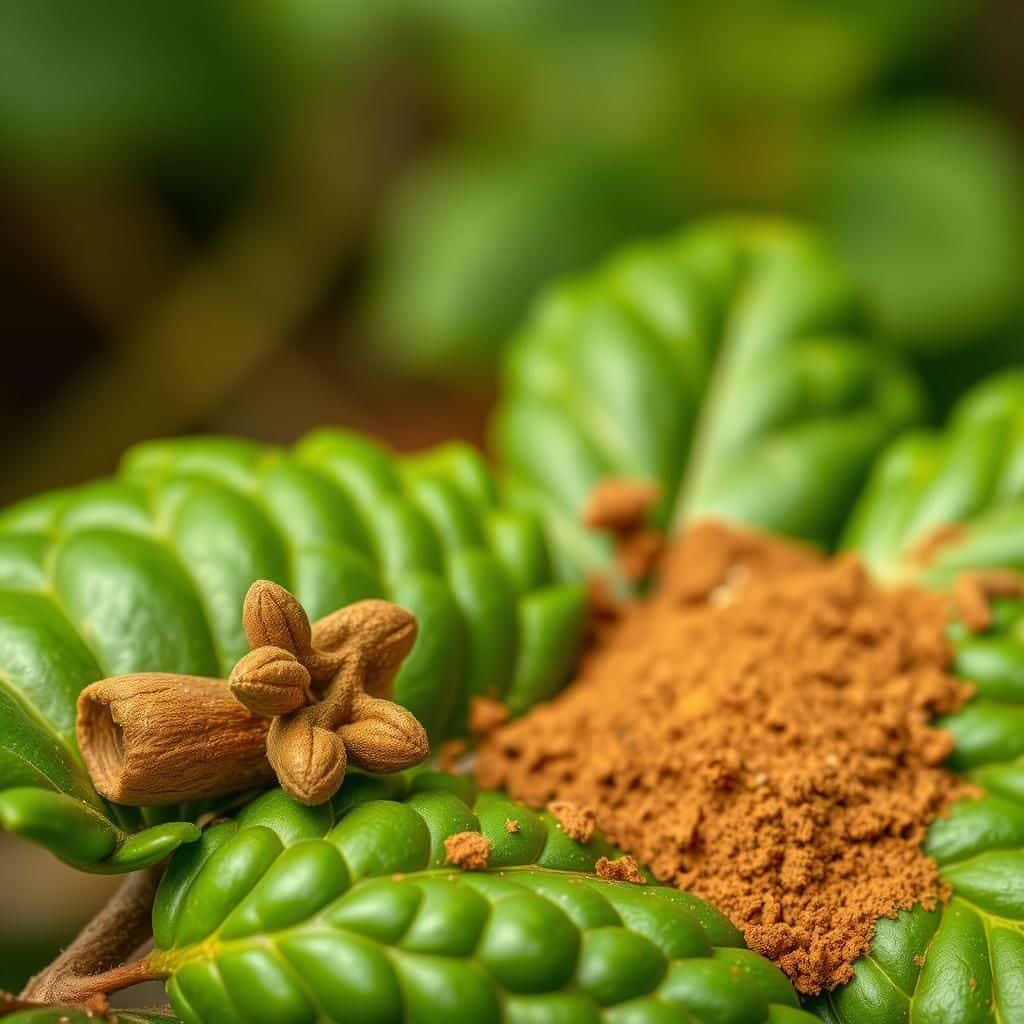
Cinnamon has long been celebrated for its culinary uses and health benefits, but its potential as a natural alternative to chemical fungicides is gaining attention. As gardeners and homeowners seek eco-friendly solutions to combat mold and fungal infections, many are asking: can cinnamon effectively replace conventional fungicides? This article explores the benefits of using cinnamon for pest and disease management, delving into its antifungal properties, application methods, and comparisons with commercial products. Additionally, we will discuss other natural alternatives for those looking to maintain a healthy environment while minimizing chemical exposure. Discover how to harness the power of cinnamon in your gardening practices.
Can Cinnamon Replace Fungicide in Gardening?
While cinnamon has gained popularity as a natural remedy for preventing fungal infections in plants, its effectiveness compared to traditional fungicides is still a subject of debate. Cinnamon contains compounds such as cinnamaldehyde, which have been shown to possess some antifungal properties, making it a potentially viable option for organic gardeners seeking eco-friendly solutions. However, it is important to understand that while it may help in minor infections or as a preventive measure, it may not have the same potency or broad-spectrum efficacy as commercial fungicides, especially in the case of severe fungal diseases.
What Are the Antifungal Properties of Cinnamon?
Cinnamon contains cinnamaldehyde, a compound that exhibits antifungal activity against various fungal pathogens. Research has indicated that cinnamon oil and its extracts can inhibit the growth of specific fungi such as Alternaria and Aspergillus species. This makes cinnamon an attractive choice for gardeners looking for a safer alternative, but it is crucial to note that its ability to fight off infections may not match the strength of synthetic fungicides.
How to Use Cinnamon as a Fungicide?
To use cinnamon as a fungicide, you can create a solution by mixing ground cinnamon with water or using cinnamon oil diluted with a carrier oil. Applying this mixture directly to the affected areas can help reduce the incidence of fungal infections on plants. Additionally, dusting the soil with powdered cinnamon can help create a protective barrier against potential fungal spores. This method is best suited for minor infections or as a preventive measure rather than a cure for significant outbreaks.
Effectiveness Compared to Chemical Fungicides
While cinnamon can act as a natural fungicide, its effectiveness is largely limited to minor fungal issues. Unlike chemical fungicides that are designed to combat a wide spectrum of fungal diseases and offer fast-acting results, cinnamon may require repeated applications and is not as systemic within the plant. Therefore, for severe fungal infestations, relying solely on cinnamon may not provide the necessary level of protection that chemical fungicides can guarantee.
Safety of Using Cinnamon on Plants
Using cinnamon as a fungicide is generally considered safe for plants and the environment, making it a favored choice among organic growers. It poses minimal risk to humans, pets, and beneficial insects, providing a more sustainable gardening practice. However, overuse of cinnamon dust could potentially alter soil properties or inhibit growth in some cases, so moderation is key.
See also:
Alternative Natural Fungicides
In addition to cinnamon, there are various other natural fungicides that gardeners can explore. For instance, neem oil, baking soda, and garlic are known for their antifungal properties. These alternatives can be used in conjunction with cinnamon or as standalone treatments to enhance protection against fungal diseases. Each alternative has its own strengths and weaknesses, and gardeners should consider factors such as efficacy, availability, and potential impacts on plant health.
| Fungicide Type | Active Ingredients | Usage | Effectiveness |
|---|---|---|---|
| Cinnamon | Cinnamaldehyde | Spray or dust | Moderate |
| Neem Oil | Azadirachtin | Spray | High |
| Baking Soda | Sodium bicarbonate | Spray solution | Moderate |
| Garlic | Allicin | Extract or spray | Moderate to High |
| Sulfur | Elemental sulfur | Spray or dust | High |
What is a substitute for fungicide?

A substitute for fungicide can include various organic and natural methods to control fungal diseases in plants without the use of synthetic chemicals. Here are some of the most effective alternatives:
Natural Antifungal Agents
Natural antifungal agents can be made from common household items, which not only help in combating fungal infections but are also eco-friendly. Some of the most popular natural antifungal substances include:
- Baking Soda - Mixing baking soda with water can create a solution that can prevent and treat powdery mildew.
- Essential Oils - Oils like tea tree oil and oregano oil have natural antifungal properties that can be sprayed on affected plants.
- Garlic - Garlic contains compounds that have antifungal effects and can be used in sprays or soil amendments.
Biological Control
Biological control involves using living organisms to combat fungal pathogens. These may include beneficial fungi and bacteria that can outcompete or inhibit harmful fungi.
- Beneficial Bacteria - Bacteria such as Bacillus subtilis can suppress fungal pathogens and promote plant health.
- Mycorrhizal Fungi - These fungi form symbiotic relationships with plants, enhancing nutrient uptake while protecting against pathogens.
- Trichoderma - A genus of fungi that can act as a biocontrol agent against various plant pathogens.
Cultural Practices
Implementing good cultural practices can significantly lower the risk of fungal diseases in plants. This includes methods that help maintain plant health and reduce conducive conditions for fungal growth.
See also:
- Crop Rotation - Rotating different crops in a particular area can break the cycle of fungal pathogens.
- Proper Spacing - Ensuring adequate space between plants for air circulation can reduce humidity levels and discourage fungal growth.
- Water Management - Avoiding overhead watering and ensuring good drainage can prevent waterlogging, which favors fungal development.
Homemade Sprays
Creating homemade sprays can be an effective way to provide plants with a protective barrier against fungal infections.
- Soap Spray - Mixing liquid soap with water can help suffocate fungal spores.
- Vinegar Solution - A mixture of vinegar and water can create an acidic environment that is inhospitable to fungi.
- Milk Spray - Diluted milk sprayed on plants has been shown to reduce powdery mildew occurrences.
Organic Fungicides
There are several commercially available organic fungicides that can be used as substitutes for synthetic fungicides. These products are derived from natural ingredients and are safer for the environment.
- Neem Oil - Extracted from the seeds of the neem tree, it is effective against a range of fungal diseases.
- Sulfur - A natural element that can be used to control powdery mildew and other fungal diseases.
- Potassium Bicarbonate - This compound can inhibit fungal growth and is an effective alternative in several organic formulations.
Questions from Our Readers
Can cinnamon effectively replace fungicides?
Cinnamon has shown some antifungal properties and may help in preventing fungal growth in certain situations; however, it is not a direct replacement for commercial fungicides. While it might work for minor issues in home gardening, serious infestations often require more robust treatments.
How should I use cinnamon as a fungal treatment?
To use cinnamon as a fungal treatment, you can sprinkle it on the affected areas or mix it with water to create a spray. Always ensure that you apply it in a way that provides sufficient coverage to maximize its antifungal effects.
Are there any plants that are sensitive to cinnamon?
Some plants may be sensitive to cinnamon, leading to potential damage or compromised health if applied excessively. It's advisable to test it on a small section of the plant before widespread application to see how your plants respond.
Is using cinnamon cost-effective compared to traditional fungicides?
Using cinnamon can be more cost-effective than purchasing traditional fungicides, especially for small-scale gardeners or casual use. However, for larger infestations, investing in proven fungicides may ultimately yield better results.
See also:

If you want to read more articles like Can I Use Cinnamon Instead of Fungicide? Discover the Benefits and Alternatives, we recommend you check out our Herbs category.
Leave a Reply
Related Articles