Should Mint and Basil Be Planted Together? Discover the Best Companion Planting Strategies!

When it comes to companion planting, the right plant combinations can enhance growth, repel pests, and improve flavors. Mint and basil are two popular herbs that many gardeners consider growing together. However, the question remains: should they be planted side by side? In this article, we will explore the potential benefits and drawbacks of pairing mint and basil in your garden. By uncovering the best companion planting strategies, you'll learn how to maximize your herb garden's potential and create a thriving environment for these aromatic plants. Dive in to discover the secret to effective companion planting!
Should Mint and Basil Be Planted Together?
Planting mint and basil together can be a controversial topic among gardeners. While both herbs thrive in similar growing conditions, their relationship in the garden can be complex. Mint is known for its aggressive spreading habit, which can overwhelm neighboring plants if not contained. On the other hand, basil prefers a more controlled environment to flourish. If gardeners choose to plant them in proximity, it is essential to manage the growth of mint effectively by using containers or barriers to prevent it from taking over the space. Ultimately, while they can coexist under the right circumstances, careful planning and maintenance are crucial to ensure both herbs can thrive without competing for resources.
Growth Habits of Mint
Mint has a tendency to spread rapidly through its underground runners, which can quickly dominate garden spaces. This vigorous growth means that mint requires regular trimming and management to keep it in check. If allowed to grow uncontrolled, mint can overshadow slower-growing plants and reduce their access to sunlight and nutrients. Gardeners must be proactive in managing mint's growth to prevent it from becoming an invasive presence in their gardens.
Growth Habits of Basil
Basil, in contrast, has a more contained growth habit, typically developing bushy, upright stems that can reach heights of about 2 feet. It thrives in well-drained soil and benefits from full sunlight, which encourages lush foliage and a robust flavor. To keep basil productive, regular pruning is needed, especially to promote bushier growth and prevent flowering, which can diminish flavor. Ensuring adequate spacing around basil plants allows for better air circulation and sunlight exposure, essential for their health.
Soil and Water Requirements
Both mint and basil prefer well-drained soil, but their water needs may differ slightly. Mint thrives in slightly moist conditions due to its vigorous growth, while basil prefers the soil to dry out a bit between watering sessions for optimal flavor development. It is crucial for gardeners to understand these differences to provide appropriate care, ensuring that neither plant becomes stressed due to overwatering or drought conditions.
Benefits of Companion Planting
Companion planting, the practice of placing different types of plants in close proximity for mutual benefit, can enhance the growth of both mint and basil. Mint can deter pests that might harm basil, such as aphids and whiteflies, due to its strong aroma. This natural pest management can lead to healthier basil plants and a more bountiful harvest. Additionally, planting these herbs together can create a diverse gardening ecosystem that attracts beneficial insects.
See also:
Management Strategies for Co-planting
To successfully co-plant mint and basil, gardeners can implement specific strategies to manage their growth and minimize competition. Using containers for mint can effectively contain its spread while allowing basil to flourish undisturbed. Alternatively, installing barriers underground can prevent mint from invading the root zone of basil plants. Regular pruning and monitoring for pests are also essential in maintaining a balance between these two flavorful herbs.
| Aspect | Mint | Basil |
|---|---|---|
| Growth Habit | Aggressive spreader | Bushy, upright |
| Watering Needs | Slightly moist | Allow to dry out |
| Sunlight | Full sun | Full sun |
| Pest Deterrent | Yes | Beneficial with mint |
| Management Strategy | Container planting | Regular pruning |
What shouldn't you plant next to basil?
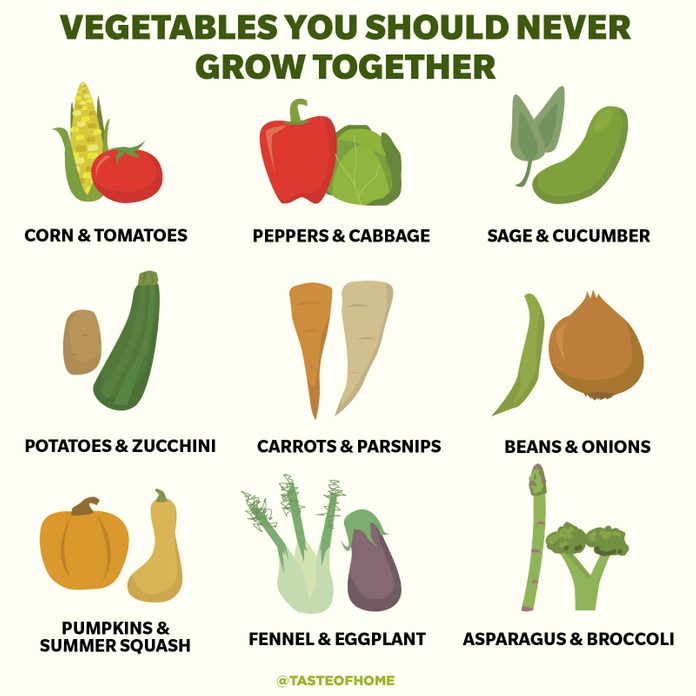
Basil is a popular herb known for its culinary uses, but it has specific companion planting needs. To ensure optimal growth and flavor, it's important to avoid planting certain plants near basil. Here are some plants you should not plant next to basil:
1. Mint
Mint is known for its aggressive growth and can quickly outcompete basil for resources. When planted nearby, mint can spread rapidly, leading to reduced growth and flavor in basil. Additionally, mint can overpower the aromatic properties of basil, resulting in a less desirable taste profile.
- Mint can overshadow basil’s growth.
- Increases competition for nutrients.
- It may alter the flavor of basil with its strong aroma.
2. Cabbage Family
Plants like cabbage, kale, and broccoli are part of the Brassica family, which can hinder basil's growth. These plants can attract specific pests, like aphids, which may negatively impact basil. Furthermore, they can compete for the same nutrients and soil space, leading to stunted growth.
- Brassicas can attract common basil pests.
- They compete for soil nutrients.
- They may hinder the overall health of the basil plant.
3. Fennel
Fennel is known for its ability to release chemicals in the soil that can inhibit the growth of other plants. This allelopathic effect can hinder basil's development and growth. Additionally, fennel can attract pests that may also target basil.
See also:
- Releases growth-inhibiting chemicals.
- May attract similar pests to those affecting basil.
- Can cause stress to nearby plants.
4. Sage
Though often used together in cuisine, sage can be a bad companion for basil. It has a strong growth habit and can compete for light and nutrients. Furthermore, sage's strong fragrance may overpower basil's aroma, affecting the growth and flavor.
- Competes for sunlight and soil nutrients.
- May affect basil’s flavor due to its strong smell.
- Can lead to reduced growth in basil plants.
5. Rue
Rue, while beneficial in controlling pests, can have negative effects when planted near basil. It can stunt basil's growth and may cause bitterness in its leaves. Moreover, rue's presence can reduce the overall vigor of basil plants.
- Can inhibit basil's growth.
- Might introduce bitterness to basil leaves.
- Can reduce the vigor of neighboring plants.
Questions from Our Readers
Should mint and basil be planted together?
Yes, mint and basil can be planted together, but it's important to consider their growth habits. Mint is a vigorous grower and can crowd out basil if not managed properly. Therefore, planting them in separate pots or using barriers can help to control mint's spread while allowing both herbs to thrive.
What are the benefits of planting mint and basil together?
Planting mint and basil together can provide complimentary flavors for cooking, as well as enhance the overall growth of the garden. Moreover, mint may help deter some pests that could affect basil, promoting a healthier growing environment for both.
What are the challenges of growing mint and basil together?
One of the main challenges of growing mint and basil together is mint's invasive nature. It can easily take over the space, leading to competition for nutrients and water. Additionally, over-watering can pose issues for both plants, so attention must be given to their individual needs.
How to care for mint and basil when planted together?
To properly care for mint and basil when planted together, it's essential to provide adequate sunlight and monitor their watering needs separately. Keep an eye on mint's growth and regularly trim it back to prevent it from overshadowing basil, ensuring both herbs receive enough light and nutrients for optimal growth.
See also:

If you want to read more articles like Should Mint and Basil Be Planted Together? Discover the Best Companion Planting Strategies!, we recommend you check out our Herbs category.
Leave a Reply
Related Articles