Does Rosemary Come Back Every Year? Tips for Growing and Caring for Rosemary in Your Garden

Rosemary is a cherished herb, known for its aromatic leaves and culinary versatility. Many gardeners wonder whether this hardy plant returns year after year, particularly in varying climates. Understanding the growth habits and care requirements of rosemary is essential for successful cultivation. In this article, we'll explore whether rosemary is a perennial in your garden and provide essential tips on how to nurture it effectively. From ideal growing conditions to maintenance strategies, you'll discover how to keep your rosemary thriving, ensuring a bountiful harvest for seasons to come. Dive in to learn more about this resilient herb and how to care for it!
Does Rosemary Come Back Every Year?
Rosemary is a perennial herb, meaning it can last for several years if properly cared for. In suitable climates, particularly in areas with mild winters and warm summers, rosemary will return year after year, maintaining its fragrant leaves and robust flavor. However, in regions that experience harsh winters, rosemary may not survive the cold, especially if left outside without protection. Growing rosemary in pots can help in bringing it indoors during winter months to ensure it returns each year. Proper care, including well-draining soil, minimal watering during dormancy, and protection from extreme cold, can enhance the chances of rosemary thriving year after year.
1. What Climates Are Best for Growing Rosemary?
Rosemary thrives in Mediterranean climates characterized by warm, dry summers and mild, wet winters. It prefers full sun exposure, requiring at least 6 hours of sunlight daily, which helps the plant maintain its vigorous growth. In areas where the winters are more extreme, rosemary can be grown in containers, allowing for easier relocation indoors to protect it from frost, which can be detrimental to its survival.
2. How to Care for Rosemary in Winter?
To ensure that rosemary survives through the winter, it's essential to provide adequate protection. In regions with mild winters, covering the plant with a layer of mulch can help insulate the roots against cold temperatures. For those in colder climates, bringing potted rosemary indoors or placing it in a greenhouse can help. Keeping the plant in a well-lit area and minimizing watering during the winter months is crucial, as overwatering can lead to root rot.
3. Can Rosemary Be Grown Indoors?
Yes, rosemary can be successfully grown indoors, provided it receives enough sunlight. Ideally, it should be placed in a south-facing window where it can enjoy at least six hours of sun each day. It's important to ensure that the pot has drainage holes to prevent excess moisture, which can harm the plant. Regular rotation of the pot can also help ensure even sunlight exposure, promoting healthy growth throughout the year.
4. Signs of Healthy Rosemary Plants
Healthy rosemary plants exhibit vibrant green leaves and strong stems. New growth should appear regularly, and the overall appearance should be lush and bushy rather than leggy or sparse. If the plant appears to be wilting, overly dry, or discolored, it may indicate issues such as underwatering, overwatering, or even pest infestations. Monitoring these signs is key to maintaining a thriving rosemary plant that can return each year.
5. Common Mistakes When Growing Rosemary
Common mistakes in growing rosemary include overwatering and inadequate sunlight. Rosemary prefers well-drained soil and does not thrive in excessively wet conditions, which can lead to root rot. Additionally, not providing enough sunlight can weaken the plant and inhibit its growth. Ensuring that rosemary is planted in the right location with the correct conditions is crucial for its longevity and health.
| Aspect | Recommendation |
|---|---|
| Climate | Mediterranean or mild winters |
| Sunlight | At least 6 hours of direct sunlight daily |
| Soil | Well-draining soil, avoid water-logged conditions |
| Winter Care | Mulch or bring indoors in colder climates |
| Signs of Health | Vibrant green leaves and strong growth |
Can a rosemary plant survive winter?
:strip_icc()/BHG-Creeping-Rosemary--Dya0Me3m4228OEzvVX5ghZ-386c5415247d4456b4ebb637a7b9c7cd.jpg)
Rosemary plants can survive winter, but their survival largely depends on the climate conditions and the care they receive. In USDA hardiness zones 8 to 10, rosemary can thrive outdoors year-round, while in colder climates, it may need additional protection or should be brought indoors. Here’s a detailed look at the factors that affect rosemary's ability to survive winter.
Key Factors for Rosemary's Winter Survival
The survival of rosemary during winter primarily depends on several key factors. These include:
- Temperature: Rosemary is sensitive to freezing temperatures. In regions where the temperature regularly drops below 20°F (-6°C), the plant may not survive.
- Moisture Levels: Overwatering can lead to root rot, while insufficient moisture can dry out the plant. Finding the right balance is crucial, especially in winter.
- Soil Type: Well-draining soil is important to prevent water accumulation around the roots, which is detrimental in cold weather.
Winter Care for Outdoor Rosemary
When growing rosemary outdoors, certain wintercare practices can enhance its chances of survival:
- Mulching: Adding a layer of mulch around the base helps to insulate the roots and retain moisture.
- Placement: Positioning rosemary in a location that receives sunlight during the winter will help keep it warmer.
- Windbreaks: Using barriers to shield the plant from harsh winter winds can reduce stress and improve survival rates.
Bringing Rosemary Indoors for Winter
If you live in a colder climate, bringing your rosemary indoors can be a viable option. Here’s how to do it effectively:
- Gradual Transition: Slowly acclimate the plant to indoor conditions to minimize shock.
- Light Requirements: Ensure the plant receives enough light by placing it near a sunny window or using grow lights.
- Humidity Levels: Indoor air can be dry. Increasing humidity around the plant can help maintain its health.
Identifying Health Issues in Winter
During winter months, it’s essential to monitor your rosemary for potential health issues:
See also:
- Leaf Discoloration: Yellowing leaves may indicate overwatering or lack of nutrients.
- Wilting: This can signal underwatering or poor root health.
- Fungal Infections: Look for signs of mold or mildew, which can develop in overly damp conditions.
Signs of Stress in Rosemary
Understanding the signs that your rosemary may be stressed can help you take early action:
- Brown Tips: Browning leaf tips often denote too much heat or light.
- Leaf Drop: If leaves start falling off, it might be a sign of environmental stress.
- Slow Growth: A lack of growth during winter can indicate that the plant is struggling to adapt to colder temperatures.
What is the lifespan of a rosemary plant?
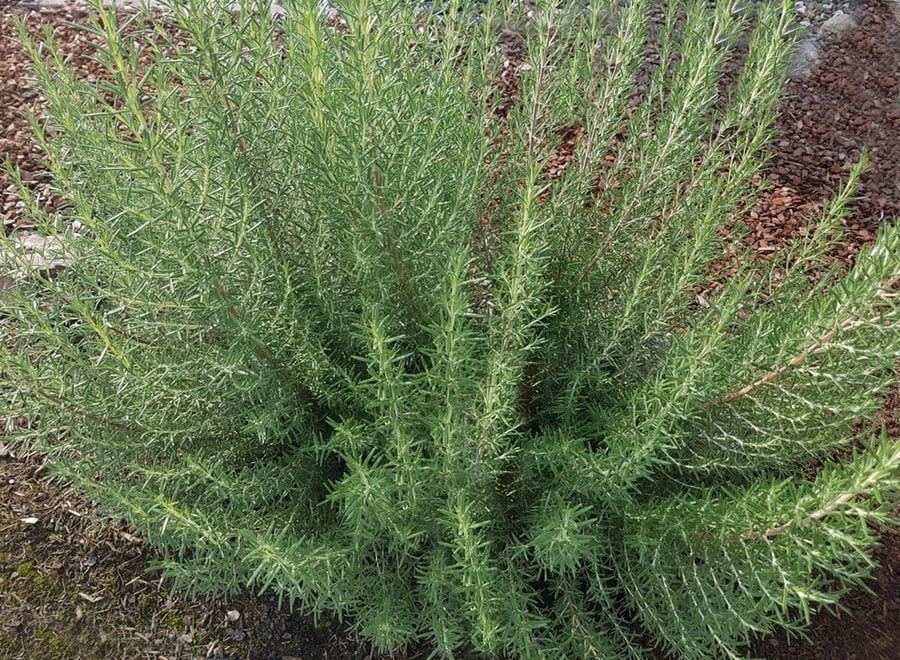
The lifespan of a rosemary plant can vary significantly based on several factors, including environmental conditions, care, and the specific variety of rosemary. Generally, rosemary plants have a lifespan of about 10 to 20 years when cultivated in ideal conditions. However, some plants can survive longer, especially if they are protected from harsh weather and given proper care.
The Ideal Growing Conditions for Rosemary
The lifespan of a rosemary plant is greatly influenced by its growing conditions. Here are the ideal conditions for growth:
- Sunlight: Rosemary requires full sun, ideally 6 to 8 hours of direct sunlight each day.
- Soil: Well-drained, sandy, or slightly acidic soil promotes healthy root growth.
- Water: Rosemary prefers to dry out between waterings; overwatering can lead to root rot.
Common Pests and Diseases
Pests and diseases can significantly affect the lifespan of a rosemary plant. The following pests and diseases are common:
- Spider Mites: These can weaken the plant by extracting sap from leaves.
- Root Rot: Caused by overwatering, it can be fatal to rosemary if not addressed promptly.
- Powdery Mildew: This fungal disease thrives in humid conditions and can be managed with proper air circulation.
Propagation Methods
Understanding the various propagation methods can help ensure the longevity of rosemary plants. Here are the common methods:
- Cuttings: Taking cuttings from healthy plants can produce clones of the parent plant.
- Seeds: Growing rosemary from seeds takes longer and may result in variable qualities.
- Divisions: Existing plants can be divided to create new plants, ensuring genetic similarity.
Seasonal Care Tips
Seasonal care plays a vital role in extending the lifespan of a rosemary plant. Here are some essential tips:
- Winter Protection: In colder climates, cover the plants to protect them from frost.
- Pruning: Regular pruning helps maintain shape and encourages new growth.
- Fertilization: Light fertilization in spring promotes healthy growth throughout the growing season.
Signs of Aging in Rosemary Plants
As rosemary plants age, certain signs can indicate their health status. Here are key indicators:
- Wilting Leaves: If the leaves start to wilt or dry out, it may indicate poor health.
- Reduced Growth: A significant decrease in growth could suggest that the plant is aging.
- Color Changes: Fading or discoloration of leaves can be a sign of stress or disease.
Does potted rosemary come back every year?

Potted rosemary, when cared for properly, can indeed come back every year. This perennial herb is well-suited for container gardening, making it a popular choice for home gardeners. Its hardiness and adaptability to different environmental conditions play a key role in its ability to thrive year after year. However, several factors influence whether your potted rosemary will return in subsequent seasons.
1. Understanding the Life Cycle of Rosemary
Rosemary is classified as a perennial herb, meaning it has the potential to live for several years. The key points regarding its life cycle include:
- Growth Period: Rosemary typically grows actively during the warmer months, producing new leaves and stems.
- Dormancy: In cold winter months, rosemary may enter a dormant state to conserve energy.
- Resilience: With proper care, rosemary can survive winter dormancy and regrow in spring.
2. Proper Care for Potted Rosemary
To ensure that your potted rosemary returns each year, proper care is essential. Here are critical care tips:
- Watering: Rosemary prefers well-drained soil; overwatering can lead to root rot.
- Sunlight: It thrives in full sunlight, so place your pot in a sunny area where it receives at least 6-8 hours of direct light.
- Fertilization: Using a balanced fertilizer during the growing season can promote healthy growth.
3. Climate Considerations
The ability of potted rosemary to come back every year is largely influenced by climate. Consider the following:
See also:
- Hardiness Zones: It grows best in USDA zones 8-10, where winter temperatures rarely drop below 10°F.
- Indoor vs. Outdoor: In colder regions, rosemary can be brought indoors during winter to prevent freezing.
- Microclimates: Planting in sheltered areas can provide protection from harsh winds and frost.
4. Dealing with Pests and Diseases
Maintaining the health of your potted rosemary is vital for its longevity. Watch for:
- Pests: Spider mites and aphids can damage rosemary; they can be controlled using insecticidal soap.
- Fungal Diseases: Overwatering can lead to powdery mildew; ensure good air circulation around the plant.
- Signs of Stress: Wilting, yellowing leaves, or stunted growth can indicate that the plant is under stress.
5. Propagation and Renewal
If your rosemary plant is struggling, propagation can provide a fresh start. Consider these methods:
- Cuttings: Take cuttings from healthy stems to create new plants.
- Rooting: Use a rooting hormone to promote healthy root development in cuttings.
- Transplanting: If the current pot is too small, transplanting to a larger pot may encourage growth.
Can I cut rosemary back to the ground?
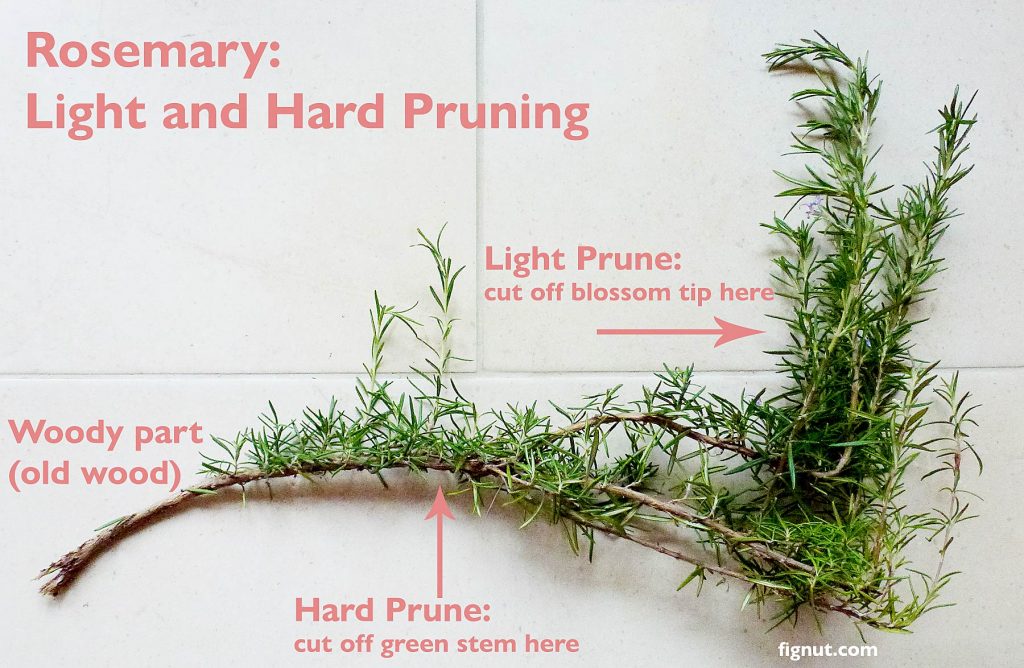
Yes, you can cut rosemary back to the ground, but it's essential to understand the best practices and implications of doing so. Rosemary (Rosmarinus officinalis) is a resilient herb, but cutting it back dramatically can stress the plant, especially if done at the wrong time. Here are some critical points to consider before making such a drastic cut:
- Timing: It's best to cut rosemary back in early spring, after the last frost but before new growth begins. This will allow the plant to rebound by the growing season.
- Health of the Plant: Ensure that your rosemary is relatively healthy prior to cutting it back to the ground. A stressed or diseased plant may not recover well from severe pruning.
- Method: When cutting back, use clean, sharp pruning shears to prevent introducing any diseases to the plant. Make clean cuts just above healthy growth nodes.
- Post-Pruning Care: After cutting, provide proper care, including adequate water and sunlight, to encourage new growth and recovery.
- Expectations: Understand that cutting back to the ground may result in a temporary loss of the plant's aesthetic appeal while it regrows.
Optimal Timing for Pruning Rosemary
Pruning rosemary at the right time is crucial for successful recovery. The best period to cut back rosemary is during early spring. This timing allows the plant to take advantage of the upcoming growing season for recovery and regrowth. Pruning in late fall or winter can expose the plant to frost damage and hinder its ability to rebound.
- Prune during early spring.
- Avoid cutting back in late fall or winter.
- Monitor local frost dates for optimal timing.
Identifying a Healthy Rosemary Plant
Before pruning, it's important to determine if your rosemary plant is healthy. A healthy plant can withstand significant pruning, while a stressed plant may struggle. Look for signs of new growth, vibrant leaves, and overall vitality.
- Check for green, healthy foliage.
- Look for new growth indicators.
- Avoid pruning if signs of disease are present.
Proper Pruning Techniques
Utilizing the correct pruning techniques is essential for ensuring the plant's health and future growth. Use clean, sharp tools to make precise cuts just above healthy nodes. This encourages new growth and helps maintain the plant's shape over time.
- Use sharp pruning shears.
- Make cuts above healthy growth nodes.
- Avoid making jagged cuts that can damage the plant.
Caring for Rosemary After Pruning
Post-pruning care plays a significant role in the recovery of your rosemary. Ensure that the plant receives adequate light and water in the weeks following a drastic cut. This supportive environment will help it regain strength and encourage healthy, new growth.
- Water the plant consistently without overwatering.
- Ensure it receives at least 6 hours of sunlight daily.
- Monitor for pests or diseases during the recovery phase.
Understanding Growth Expectations
After cutting rosemary back to the ground, it's essential to have realistic expectations about growth. The plant may take several weeks to show signs of recovery, and it will not look lush immediately. Patience is key, and with proper care, it will eventually thrive again.
- Expect some delay in visible growth.
- Be prepared for a temporary reduction in aesthetics.
- Celebrate small growth milestones as signs of recovery.
Questions from Our Readers
Does rosemary come back every year?
Yes, rosemary is a perennial herb that typically comes back every year if grown in suitable conditions. It can survive in hardiness zones 6 to 10, depending on the variety, and may need protection from harsh winters in colder climates.
How should I care for rosemary to ensure it comes back?
To ensure that rosemary returns each year, provide it with well-draining soil, adequate sunlight, and moderate watering. Regular pruning can also help promote healthy growth and prevent it from becoming woody.
Can rosemary survive winter outdoors?
Rosemary can survive outdoor winters in warmer climates, but in colder regions, it may require special care, such as mulching or bringing the plant indoors during extreme temperatures to protect it from frost.
See also:
What are the signs that my rosemary plant is dying?
Signs that rosemary is dying include browning leaves, wilting, or root rot. If you notice these symptoms, it’s essential to assess its growing conditions and adjust watering or sunlight exposure accordingly.

If you want to read more articles like Does Rosemary Come Back Every Year? Tips for Growing and Caring for Rosemary in Your Garden, we recommend you check out our Herbs category.
Leave a Reply
Related Articles