What is the strongest natural antifungal? Discover the Best Natural Remedies for Fungal Infections.

Fungal infections can be persistent and challenging to treat, often leading individuals to seek alternative remedies beyond conventional medicine. While antifungal medications are widely available, many people are turning to nature for effective solutions. In this article, we will explore what is considered the strongest natural antifungal and provide insight into the best natural remedies for combating fungal infections. From herbal extracts to essential oils, these remedies not only offer potential relief but also come with fewer side effects. Join us as we delve into the world of natural antifungals and discover how they can be incorporated into your wellness routine.
What is the Strongest Natural Antifungal?
The strongest natural antifungal is often considered to be garlic (Allium sativum), which has been used for centuries due to its potent antifungal properties attributed to a compound known as allicin. Research suggests that garlic can effectively combat various fungal infections, including those caused by Candida and other fungi. The use of garlic not only helps in directly targeting the fungi by disrupting their cellular functions but also enhances the immune system, making it more effective in fighting off infections. Incorporating garlic into the diet, whether raw or cooked, can therefore serve as a valuable preventive and therapeutic strategy against fungal infections.
Benefits of Garlic as an Antifungal
Garlic is renowned for its antifungal properties, primarily due to the presence of allicin, which has been shown to inhibit the growth of various fungi. Studies have indicated that garlic can disrupt the cell membranes of fungal organisms, leading to their death. Additionally, garlic's ability to enhance the body's immune response plays a crucial role in combating fungal infections, making it a dual-action antifungal.
Other Natural Antifungals
While garlic is often cited as the strongest, there are other notable natural antifungals worth mentioning, including tea tree oil, oregano oil, and coconut oil. Each of these substances possesses unique compounds that inhibit fungal growth. For instance, tea tree oil contains terpinen-4-ol, which is effective against a wide range of fungi, while oregano oil’s carvacrol has potent antifungal effects as well.
How to Use Garlic for Fungal Infections
To utilize garlic effectively against fungal infections, it can be consumed in various forms. Raw garlic can be added to meals, while garlic supplements are also available for those who prefer a more concentrated dosage. Applying crushed garlic directly to the affected area may provide local relief from skin fungal infections, but care should be taken to avoid irritation. Using garlic oil as a topical treatment is another method gaining popularity.
Scientific Studies Supporting Garlic's Efficacy
Numerous scientific studies have validated the antifungal capabilities of garlic. For example, a study published in the journal Molecular Nutrition & Food Research highlighted garlic’s effectiveness against Candida albicans, demonstrating significant inhibition of fungal growth. Other research has shown that garlic extract can help in reducing fungal spores, confirming its valuable role in mycological health.
Limitations and Precautions
Despite its numerous benefits, there are some limitations and precautions to consider when using garlic as an antifungal. Some individuals may experience allergic reactions or gastrointestinal upset when consuming garlic, especially in large quantities. Moreover, while garlic can be effective against minor fungal issues, it is crucial to consult a healthcare professional for persistent or severe fungal infections that may require medical treatment.
| Natural Antifungal | Active Compounds | Target Fungi | Application Methods |
|---|---|---|---|
| Garlic | Allicin | Candida, Aspergillus | Raw, Supplement, Topical |
| Tea Tree Oil | Terpinen-4-ol | Candida, Dermatophytes | Topical |
| Oregano Oil | Carvacrol | Candida, Saccharomyces | Raw, Supplement |
| Coconut Oil | Caprylic Acid | Candida | Topical, Cooking |
What kills fungus internally?

Fungal infections can occur in various parts of the body and can be challenging to treat. There are several methods and treatments that can effectively eliminate fungus internally. Understanding the mechanisms and agents involved is crucial for successful treatment.
Antifungal Medications
Antifungal medications are the primary treatment for internal fungal infections. These drugs work by targeting specific structures or functions of the fungus, thus inhibiting its growth or killing it outright. Common classes of antifungals include:
- Azoles: These inhibit the synthesis of ergosterol, a vital component of fungal cell membranes.
- Polyenes: This class binds to ergosterol in the membrane, disrupting its integrity and leading to cell death.
- Echinocandins: These target the fungal cell wall, preventing its synthesis and causing the cell to rupture.
Natural Remedies
Several natural remedies have been suggested to combat fungal infections internally. While these remedies can support conventional treatments, they should be used with caution and ideally under professional guidance. Some notable options include:
- Garlic: Known for its antifungal properties due to a compound called allicin.
- Tea Tree Oil: This essential oil possesses potent antifungal characteristics and can be ingested in diluted forms.
- Oregano Oil: Contains carvacrol and thymol, which exhibit antifungal activity.
Dietary Changes
Modifying one's diet can play an important role in combating internal fungal infections. A diet low in sugars and refined carbohydrates may help starve fungi of their food source. Key dietary adjustments include:
- Reducing sugar intake: Fungi thrive on sugar; reducing its consumption can hinder their growth.
- Incorporating probiotic-rich foods: Yogurt, kefir, and fermented vegetables can promote a healthy microbiome, which can outcompete fungi.
- Increasing fiber intake: Foods high in fiber may support digestive health and aid in the elimination of toxins.
Immune System Support
A strong immune system is essential for fighting off fungal infections. Supporting your immune system can greatly enhance the body's ability to combat fungi. Consider the following strategies:
See also:
- Regular exercise: This promotes circulation and immune function.
- Proper sleep: Aim for 7-9 hours of quality sleep to boost immune response.
- Stress management: Chronic stress can weaken the immune system; practices like meditation and yoga can help.
Probiotics and Their Role
Probiotics are beneficial bacteria that can help maintain a balanced microbiome. They can play a critical role in preventing fungal infections by inhibiting fungal growth and enhancing immune response. Important points include:
- Restoring gut flora: Probiotics can help restore the natural balance of bacteria, which may prevent fungi from taking hold.
- Interfering with fungal colonization: Certain strains of probiotics can produce substances that kill or inhibit fungi.
- Enhancing immune response: Probiotics have been shown to stimulate the production of immune cells that fight infections.
What drink kills fungus?

Certain drinks are known for their antifungal properties, which can help in combating fungal infections. Below are some drinks that have been recognized for their effectiveness against fungi.
1. Herbal Tea
Herbal teas, particularly those made from ginger, turmeric, and peppermint, are renowned for their health benefits, including antifungal properties. The active compounds in these herbs can help inhibit the growth of certain fungi.
- Ginger: Contains gingerol, which has shown antifungal effects.
- Turmeric: Curcumin, the active component, can help fight infections.
- Peppermint: Known for its menthol content, which may have antifungal and antibacterial properties.
2. Apple Cider Vinegar
Apple cider vinegar (ACV) is often recommended for its capability to balance the body's pH levels and create an inhospitable environment for fungi. Its acetic acid content can aid in fighting off fungal infections both internally and topically.
- Disinfectant properties: ACV acts as a natural disinfectant.
- Supports gut health: A healthy gut flora can help prevent fungal overgrowth.
- Alkalizing effect: Helps restore pH balance in the body.
3. Coconut Water
Coconut water is not just refreshing; it also possesses antifungal properties. It contains lauric acid, which can help in combating fungal infections.
- Hydration: Keeps the body hydrated, which is essential for immune function.
- Antimicrobial effects: Natural compounds can inhibit the growth of fungi.
- Nutrient-rich: Provides essential electrolytes and nutrients promoting overall health.
4. Green Tea
Green tea is packed with catechins, particularly epigallocatechin gallate (EGCG), which exhibit antifungal properties. Consuming green tea may help in fighting off fungal infections.
- Rich in antioxidants: Helps in reducing inflammation and fighting infection.
- Boosts immunity: Enhances the body’s ability to combat infections.
- Potential synergy: Works well with other antifungal agents to boost effectiveness.
5. Fermented Drinks
Fermented drinks such as kombucha and kefir contain probiotics that help maintain a healthy balance of bacteria and fungi in the gut. This balance can help prevent fungal overgrowth.
- Probiotic benefits: Support gut health and fend off harmful fungi.
- Boosts digestion: Enhances nutrient absorption and reduces fungal growth in the gut.
- Natural enzymes: Help break down food and improve metabolic functions.
What vitamin kills fungus in the body?

The vitamin that is commonly associated with combating fungal infections in the body is Vitamin D. This vitamin plays a significant role in the immune system, enhancing the body’s ability to fight off various pathogens, including fungi. Research has shown that Vitamin D can modulate the immune response, promoting the action of immune cells that are crucial in battling fungal infections, such as macrophages and T-cells.
Additionally, some studies suggest that adequate levels of Vitamin D may help reduce the risk or severity of infections caused by certain fungi, such as Candida and Aspergillus species.
Importance of Vitamin D in Fungal Infections
Vitamin D is critical for regulating the immune system. Its role extends beyond bone health, as it enhances the body’s defense mechanisms against not only bacteria but also fungi. This is attributed to its ability to increase the production of antimicrobial peptides that target specific pathogens.
- Regulates Immune Response: Vitamin D influences the differentiation and activation of immune cells that are essential for fighting infections.
- Anti-inflammatory Properties: It helps in modulating inflammation, which can be beneficial in preventing excessive immune responses that may aggravate fungal infections.
- Enhances Antifungal Activity: Studies show that Vitamin D can boost the effectiveness of antifungal therapies when combined with medical treatments.
Sources of Vitamin D
Obtaining sufficient Vitamin D is vital for maintaining good health and enhancing the immune response against fungal infections. There are several ways to increase Vitamin D levels in the body.
See also:
- Sunlight Exposure: The skin synthesizes Vitamin D when exposed to sunlight, particularly UVB rays.
- Dietary Sources: Foods such as fatty fish, egg yolks, and fortified dairy products are rich in Vitamin D.
- Supplements: Vitamin D supplements can be taken to ensure adequate intake, especially for individuals with limited sun exposure.
Symptoms of Vitamin D Deficiency
A deficiency in Vitamin D can lead to various health issues, including a weakened immune system, which may increase susceptibility to fungal infections. Recognizing the symptoms is essential for timely intervention.
- Frequent Infections: Individuals may notice an increased rate of infections, including respiratory and fungal infections.
- Fatigue and Weakness: Low Vitamin D levels can cause general feelings of tiredness and muscle weakness.
- Bone Pain: Deficient Vitamin D can lead to bone discomfort and skeletal issues, which may coincide with other health problems.
The Role of Other Vitamins
While Vitamin D is significant, other vitamins also contribute to the immune response against fungal infections. Each plays a unique role that supplements the effectiveness of Vitamin D.
- Vitamin C: It is known for its antioxidant properties and supports immune function.
- Vitamin A: This vitamin is crucial for maintaining mucosal surfaces, which act as barriers against infection.
- Vitamin E: Known for its antioxidant effects, Vitamin E supports immune function and protects cells from oxidative stress.
Recommendations for Improving Vitamin D Levels
To optimize Vitamin D levels and improve immune function against fungal infections, consider the following strategies:
- Get Regular Sunlight: Aim for approximately 15-30 minutes of sunlight exposure several times a week, depending on skin type and location.
- Incorporate Vitamin D-rich Foods: Regularly include foods high in Vitamin D in your diet.
- Consider Testing Levels: If symptoms of deficiency are present, consulting a healthcare provider for testing and possible supplementation may be beneficial.
What natural herb kills fungus?
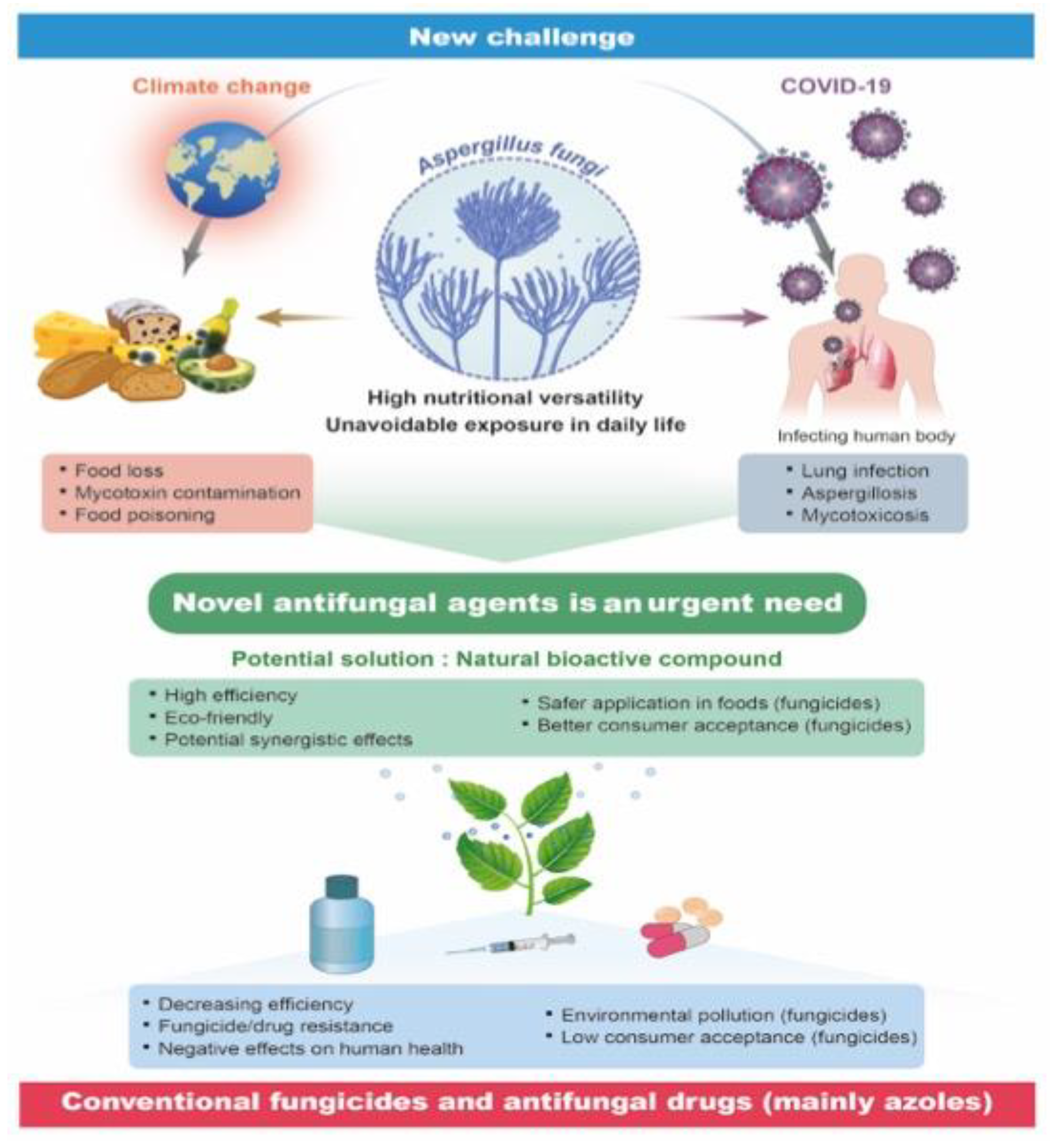
One of the most effective natural herbs known for its antifungal properties is garlic. Garlic contains a compound called allicin, which has been studied for its ability to fight fungal infections. This herb is not only known for its culinary uses but also for its medicinal benefits, including its effectiveness against various fungi and pathogens.
Why Garlic Affects Fungal Growth
Garlic has gained popularity in traditional and modern medicine due to its antimicrobial properties. The primary reason garlic affects fungal growth includes:
- Allicin Production: When garlic is crushed or chopped, it produces allicin, which has been shown to inhibit the growth of various fungi.
- Immune System Enhancement: Garlic boosts the immune system, helping the body to fight off fungal infections more effectively.
- Broad Spectrum Activity: It acts against numerous types of fungal species, making it a versatile antifungal remedy.
Other Natural Herbs with Antifungal Properties
In addition to garlic, several other herbs possess antifungal properties. They include:
- Thyme: Contains thymol, known for its ability to combat various fungi.
- Oregano: The oil of oregano is rich in carvacrol and thymol, which have strong antifungal effects.
- Turmeric: Curcumin in turmeric has been recognized for its potential to fight fungi and reduce inflammation.
How to Use Garlic for Fungal Infections
Using garlic to combat fungal infections can be done in several ways:
- Raw Consumption: Eating raw garlic cloves can maximize its health benefits.
- Garlic Oil: Applying garlic-infused oil directly to the affected area can provide targeted treatment.
- Garlic Supplements: These are available for those who prefer not to consume raw garlic.
Precautions When Using Natural Herbs
While natural herbs like garlic can be beneficial, there are some precautionary measures to consider:
- Allergic Reactions: Some individuals may experience allergies; it's important to test for reactions.
- Medication Interactions: Garlic can interact with medications, particularly blood thinners, so consult a healthcare provider.
- Dosage Considerations: Overconsumption may lead to gastrointestinal issues; moderation is key.
List of Common Fungal Infections Treated with Herbs
Several common fungal infections can be effectively treated with natural herbs:
- Ringworm: A skin infection that can be reduced with topical applications of garlic oil.
- Thrush: An oral fungal infection that may benefit from garlic consumption to boost immunity.
- Athlete’s Foot: Topical use of antifungal herb mixtures can alleviate symptoms.
Questions from Our Readers
What is the strongest natural antifungal?
The strongest natural antifungal is often considered to be garlic (Allium sativum) due to its high concentration of a compound called allicin, which has been shown to effectively combat various fungal infections.
How does garlic work as an antifungal?
Garlic contains several active compounds that exhibit antifungal properties. Specifically, allicin not only helps to kill fungi directly but it also boosts the immune system, enabling the body to fight off infections more effectively.
Are there other natural antifungal alternatives?
Yes, there are several other natural antifungal alternatives such as tea tree oil, coconut oil, and oregano oil. Each of these has unique compounds that can help to reduce fungal growth and support overall health.
See also:
Can natural antifungals be used alongside traditional treatments?
While many people choose to use natural antifungals in conjunction with traditional treatments, it's important to consult with a healthcare professional first, as some natural products can interact with medications or cause adverse effects.

If you want to read more articles like What is the strongest natural antifungal? Discover the Best Natural Remedies for Fungal Infections., we recommend you check out our Herbs category.
Leave a Reply
Related Articles