Do Rosemary and Basil Go Together? Exploring Flavor Pairings and Culinary Tips

Herbs can elevate a dish from ordinary to extraordinary, and the combination of rosemary and basil is particularly intriguing. Both ingredients have distinct flavors that can enhance a variety of cuisines, yet their compatibility in culinary applications often raises questions. This article delves into whether rosemary and basil truly complement each other, exploring their unique taste profiles and traditional uses. Additionally, we will provide culinary tips on how to effectively incorporate these herbs into your cooking, ensuring that each dish benefits from their aromatic qualities. Join us as we unravel the complexities of this flavorful pairing and inspire your next culinary venture.
Do Rosemary and Basil Go Together?
Rosemary and basil are both popular herbs in cooking, yet their flavors differ significantly. While rosemary has a strong, woody aroma with a hint of pine, basil offers a sweet, peppery taste with a hint of clove and mint. Combining them can be beneficial in certain dishes, especially if you aim for a complex flavor profile. However, due to their distinctive characteristics, it's essential to use them judiciously together. In Italian cuisine, for example, these herbs might be used in a sauce or marinade, where rosemary's robust notes can complement the freshness of basil, creating a uniquely aromatic dish. Therefore, while they can go together, the balance in their usage is crucial to avoid overpowering the more delicate flavors of basil.
Flavor Profiles of Rosemary and Basil
Both rosemary and basil feature unique flavor profiles that lend themselves to different culinary applications. Rosemary is known for its bold, evergreen taste, suitable for hearty dishes like roasted meats and vegetables, while basil's light, sweet profile is perfect for salads, sauces, and Mediterranean dishes. Understanding these distinct flavors can help a cook decide how to best use them, whether in tandem or separately, to enhance a meal's overall taste.
Cooking Techniques for Combining Herbs
When combining rosemary and basil in cooking, it's pivotal to consider the timing of their addition to dishes. Rosemary, being more resilient, can withstand longer cooking times, while basil should ideally be added towards the end to maintain its vibrant flavor and color. Techniques such as infusing oils with rosemary before integrating fresh basil can harmonize their flavors without one overpowering the other.
Popular Dishes That Feature Both Herbs
Many beloved recipes incorporate both rosemary and basil, particularly in Italian and Mediterranean cuisine. For instance, a classic pasta sauce can benefit from the fragrant notes of rosemary complemented by the fresh taste of basil. Similarly, roasted vegetables tossed with both herbs can create a symphony of flavors, elevating the dish's appeal and inviting a robust yet fresh taste experience.
Nutritional Benefits of Rosemary and Basil
Both rosemary and basil are not only flavorful but also offer numerous nutritional benefits. Rosemary is rich in antioxidants and anti-inflammatory compounds, promoting digestive and cognitive health. Basil, on the other hand, is a good source of vitamins A, C, and K, along with iron and magnesium, contributing to immune support and enhancing overall health. Together, they create a herb combination that is both tasty and nutritionally advantageous.
Tips for Growing Rosemary and Basil Together
Growing rosemary and basil in close proximity can be rewarding, but it requires attention to their growing conditions. Rosemary thrives in well-drained soil and prefers drier conditions, while basil enjoys slightly more moisture and rich soil. It’s essential to plant them in a way that the water needs of each are met without causing stress to either herb. Placing them in containers or garden beds with proper spacing, and ensuring adequate sunlight will facilitate both plants' growth and ensure the best possible flavor when harvested together.
| Herb | Flavor Profile | Culinary Uses | Nutritional Benefits |
|---|---|---|---|
| Rosemary | Bold, woody, earthy | Roasted meats, stews, marinades | Rich in antioxidants, promotes digestion |
| Basil | Sweet, peppery, fresh | Salads, sauces, pizzas | High in vitamins A and C, supports immune health |
Can basil and rosemary go together?

Yes, basil and rosemary can go together, although they each have distinct flavors and aromas. When used correctly, they can complement each other in various dishes. Generally, basil has a sweet and peppery flavor, while rosemary offers a woodsy and pine-like taste. The combination of these herbs can enhance the overall flavor profile of a dish, particularly in Mediterranean and Italian cuisines. However, it's essential to consider the proportions and timing of when to add each herb to a dish to achieve a balanced flavor.
Flavor Profiles of Basil and Rosemary
The unique flavor profiles of basil and rosemary contribute significantly to their compatibility in culinary applications.
- Basil: Known for its sweet, slightly peppery taste, basil is often used in pasta sauces, salads, and as a pizza topping.
- Rosemary: It has a sharp, woodsy flavor with a hint of mint, making it ideal for grilled meats, roasted vegetables, and savory bread.
- Combining Flavors: When paired, basil's sweetness can soften rosemary's stronger, more assertive flavor, creating a balanced overall dish.
How to Use Basil and Rosemary Together
Using these herbs together requires some knowledge of their characteristics and how they can complement one another in a dish.
- Add Early or Late: Consider adding rosemary earlier in the cooking process, while basil can be added towards the end to retain its vibrant flavor.
- Fresh vs. Dried: Fresh herbs provide a cleaner and brighter flavor, whereas dried herbs tend to be more concentrated. Adjust the quantities accordingly.
- Pairing with Other Ingredients: Foods that go well with either herb, such as tomatoes, garlic, and olive oil, can create a suitable base for combining both.
Dishes That Benefit from Both Herbs
Certain dishes can naturally integrate both basil and rosemary, enhancing the overall taste and aroma.
- Pasta Dishes: Adding them to tomato-based sauces can elevate the flavors—use rosemary in cooking and fresh basil as a garnish.
- Roasted Chicken: Rub rosemary on the chicken before roasting, then toss in fresh basil in the last 10 minutes of cooking.
- Vegetable Medleys: Combine roasted vegetables, like zucchini and bell peppers, using rosemary for depth and basil for brightness.
Potential Flavor Conflicts
While basil and rosemary can work together, they might lead to flavor conflicts in certain scenarios.
See also:
- Dominant Flavors: If one herb overpowers the other, it can result in an unbalanced dish—use them in moderation to find harmony.
- Cooking Time: Rosemary’s robust flavor can easily dominate during prolonged cooking, while basil can lose its character if cooked too long.
- Culinary Context: In specific recipes or cuisines, other herbs might be more appropriate—consider cultural traditional uses before combining.
Growing Both Herbs Together
Planting basil and rosemary together can be beneficial for gardeners who wish to maximize their herb garden's productivity.
- Similar Growth Conditions: Both herbs thrive in well-drained soil with ample sunlight, making them compatible garden mates.
- Companion Planting Benefits: They can deter some pests, increasing the overall health of your garden when grown in proximity.
- Harvesting Tips: Regular harvesting of both can encourage bushier growth and ensure a consistent supply of fresh herbs for cooking.
What herbs go well with rosemary?
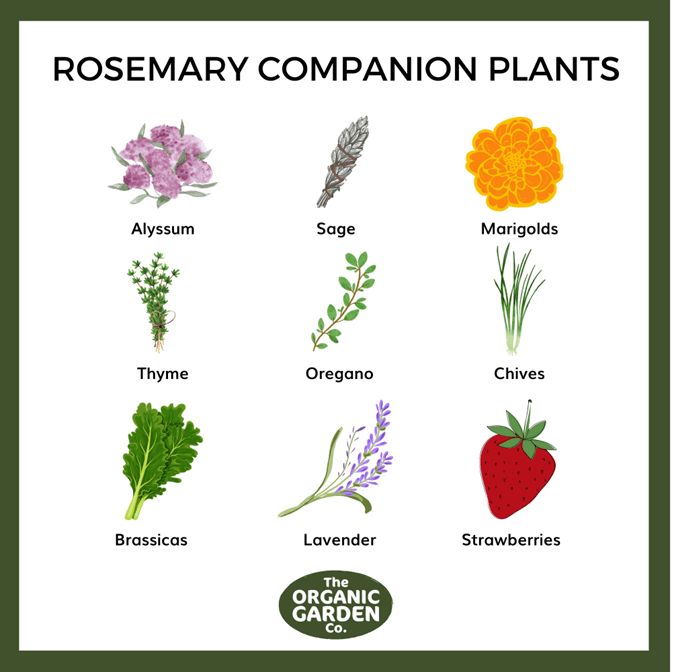
Rosemary is a versatile herb commonly used for flavoring a variety of dishes, especially in Mediterranean cuisine. When considering what herbs complement rosemary, it’s essential to think about the flavor profiles and culinary applications of each herb. The following herbs work particularly well alongside rosemary, enhancing the overall taste of your dishes.
1. Thyme
Thyme is another aromatic herb that pairs beautifully with rosemary. Both herbs share a similar earthy and slightly minty flavor, making them ideal companions in various recipes, especially in roasted meats and vegetables. The combination often balances each other, creating a complex flavor profile.
- Great in marinades for chicken or lamb.
- Works well in stews and soups to enhance depth of flavor.
- Ideal for seasoning roasted vegetables, especially potatoes.
2. Oregano
Oregano, known for its strong and peppery flavor, complements rosemary effectively. This herb is widely used in tomato-based dishes, making it a perfect match for rosemary in Italian cooking, especially in pasta sauces and pizza.
- Enhances Mediterranean flavor profiles in sauces and dressings.
- Balances out rich flavors in grilled meats.
- Perfect for seasoning bean dishes and casseroles.
3. Sage
Sage has a savory, slightly peppery taste, which pairs well with rosemary’s robust flavor. This combination is particularly popular in stuffing, meats, and sauces, creating a harmonious blend that adds complexity to dishes.
- Delicious in stuffing for poultry and pork.
- Pairs well in creamy sauces and soups.
- Perfect for enhancing savory bread recipes.
4. Basil
While basil has a sweeter and more aromatic profile, it can provide a refreshing contrast to the earthiness of rosemary. This pairing is especially effective in Mediterranean cuisine, where both herbs might be used together in dishes featuring tomatoes or grilled vegetables.
- Great for flavoring sauces, especially in pasta dishes.
- Useful in dressings for fresh salads.
- Enhances marinades for grilled fish or chicken.
5. Parsley
Parsley, a fresh herb, is excellent for brightening up heavier dishes that feature rosemary. Its mild flavor doesn't overpower but instead enhances the overall taste, making it a useful addition in various culinary applications.
- Excellent in herbed butter or sauces.
- Great for garnishing roasted dishes or salads.
- Useful in soups or stews to add freshness.
What herbs should you not put together?
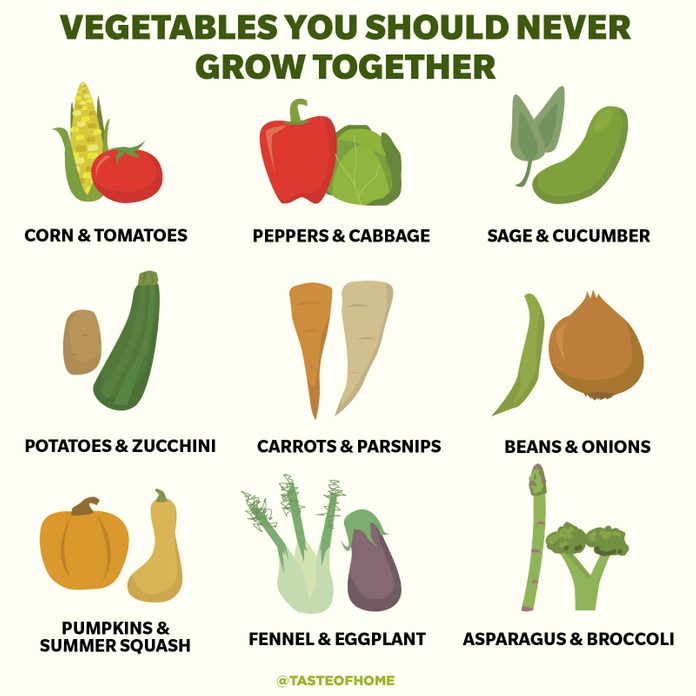
When it comes to cooking and gardening, combining certain herbs can lead to undesirable flavors or health issues. Below are some herbs that should be avoided together.
Common Herb Pairings to Avoid
Combining certain herbs can result in overwhelming or clashing flavors in dishes. For example, pairing basil and mint can create an odd taste that may not be pleasing to the palate. Similarly, dill and sage can compete with each other, resulting in a confusing flavor profile.
- Basil and Mint - These herbs each have strong flavors that can clash.
- Dill and Sage - Their flavors can overpower rather than complement each other.
- Oregano and Thyme - Their earthy notes can become muddled when mixed.
Herbs with Opposing Flavor Profiles
It's important to recognize that some herbs have inherently opposing flavor profiles. For instance, cilantro has a bright, citrusy flavor, while thyme features a more woodsy, earthy taste. When paired, they may not blend well, resulting in a disjointed dish.
- Cilantro and Thyme - The freshness of cilantro can be muted by thyme's strong earthiness.
- Fenugreek and Parsley - The sweet, nutty flavor of fenugreek can conflict with parsley's freshness.
- Rosemary and Mint - Their distinct aromas and flavors may clash rather than harmonize.
Herbs That Can Cause Digestive Issues Together
Combining certain herbs can lead to digestive discomfort. For example, mixing sage, which can be potent, and peppermint, known to aid digestion, may exacerbate symptoms for some individuals, as they can work against each other in the digestive process.
See also:
- Sage and Peppermint - Together, they can disrupt digestive balance.
- Fennel and Lavender - May lead to gastrointestinal discomfort.
- Cilantro and Ginger - In sensitive individuals, this combination can cause bloating or indigestion.
Herbs with Strong Aromas
Certain herbs emit strong aromas that can dominate a dish. Rosemary and thyme, both robust in flavor and smell, could easily overshadow more delicate herbs like chervil or tarragon, resulting in an unbalance.
- Rosemary and Thyme - Their strong scent can overpower other subtler flavors.
- Cilantro and Oregano - The assertiveness of each can mask the intended flavors of a dish.
- Lavender and Fennel - Their potent aromas can clash, leading to flavor confusion.
Herbs That Don’t Complement Each Other’s Colors
While not immediately obvious, the visual aspect of herbs can influence perceptions of taste. Basil and cilantro, for example, while both are green, can clash in flavor and appearance in certain dishes, leading to a less appetizing presentation.
- Basil and Cilantro - Their differing textures might clash aesthetically.
- Parsley and Dill - The visuals might be appealing, but flavors may not complement.
- Sage and Basil - The color combination may look appealing, but their flavors can be discordant.
What pairs nicely with rosemary?
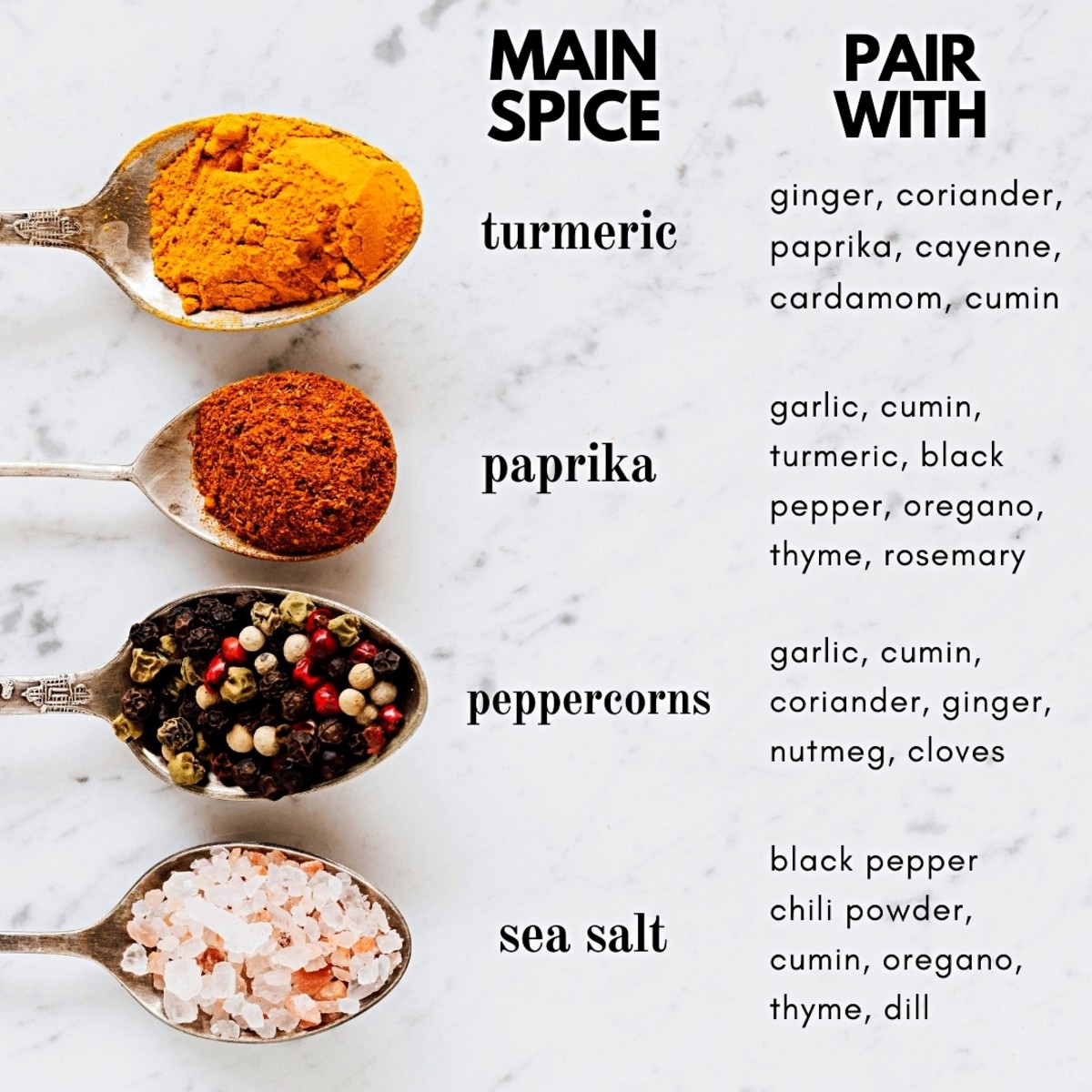
Rosemary is a versatile herb that complements a wide range of ingredients in various culinary applications. Its aromatic profile adds depth to many dishes, making it a favorite among chefs and home cooks alike. Here are some ingredients that pair nicely with rosemary:
Meats that Complement Rosemary
Rosemary enhances the flavors of various meats, particularly those with rich and hearty profiles. Its earthy and pine-like flavor makes it an excellent match for:
- Lamb: Rosemary is traditionally paired with lamb, as its robust flavor can stand up to the meat's richness.
- Pork: Rosemary works well with pork, especially when used in marinades or rubs, to bring out the meat's natural sweetness.
- Chicken: Adding rosemary to roasted or grilled chicken can elevate the dish, providing aromatic notes that enhance the poultry.
Vegetables that Pair Well with Rosemary
Certain vegetables also harmonize beautifully with rosemary, particularly those that benefit from its aromatic quality. Here are some great veggie companions:
- Potatoes: Rosemary roasted potatoes are a classic; the herb infuses the starches with a fragrant flavor, making them a perfect side.
- Carrots: Roasted or glazed carrots can be uplifted with the addition of rosemary, providing a savory contrast to their sweetness.
- Squash: Varieties such as butternut or acorn squash pair well with rosemary, especially in autumn soups or roasted preparations.
Herbs that Complement Rosemary
While rosemary is a standout herb, it can also be combined with other herbs to create a more complex flavor profile. Consider pairing it with:
- Thyme: Both herbs share earthy notes, making thyme an excellent companion for rosemary in roasts and stews.
- Sage: The slight bitterness of sage can balance the aromatic pine flavor of rosemary, particularly in stuffing or meat dishes.
- Basil: While it’s more on the sweet side, basil can add a fresh contrast to rosemary, especially in Mediterranean-inspired dishes.
Cheeses that Pair with Rosemary
Rosemary also complements various cheeses, enhancing their flavors with a refreshing twist. Here are some cheese varieties that work particularly well:
- Feta: The tangy and salty profile of feta cheese can be beautifully enhanced with the aromatic qualities of rosemary.
- Goat Cheese: Rosemary's robustness can elevate the creamy nature of goat cheese, adding depth to salads or spreads.
- Parmesan: The nutty and salty characteristics of Parmesan cheese pair well with the herby notes of rosemary in pasta dishes.
Fruits that Pair Nicely with Rosemary
Surprisingly, certain fruits can complement rosemary, creating unique flavor profiles that work well in both savory and sweet applications. Here are some fruits to consider:
- Apples: The sweetness and tartness of apples work well with rosemary, particularly in pies or savory dishes.
- Pear: Pears’ delicate sweetness can be enhanced by rosemary in desserts or even savory salads.
- Lemon: The zesty brightness of lemon can cut through the richness when paired with rosemary, in marinades or dressings.
Questions from Our Readers
Do rosemary and basil complement each other in cooking?
Rosemary and basil can complement each other, but they have distinct flavor profiles. Rosemary has a strong, woody flavor, while basil is more sweet and aromatic. When used in moderation, they can create a unique blend, but it’s important to balance their strengths to ensure one doesn’t overpower the other.
What dishes can I use rosemary and basil together?
You can use rosemary and basil together in dishes like roasted vegetables, pasta sauces, or grilled meats. Their combined flavors can enhance the overall taste, especially when paired with ingredients like tomatoes or olive oil.
Can I combine dried rosemary and fresh basil?
Yes, you can combine dried rosemary and fresh basil, but it's essential to remember that dried herbs are more concentrated in flavor. Using dried rosemary in small amounts can provide a nice depth, while fresh basil can add brightness to the dish.
What flavors do rosemary and basil bring to dishes?
Rosemary adds a robust, pine-like flavor and earthy aroma, while basil contributes a sweet, slightly peppery taste. Together, they can create a complex flavor profile that enhances many dishes, making them more aromatic and flavorful.
See also:

If you want to read more articles like Do Rosemary and Basil Go Together? Exploring Flavor Pairings and Culinary Tips, we recommend you check out our Herbs category.
Leave a Reply
Related Articles