What Not to Grow Next to Rosemary? Essential Planting Tips for a Thriving Garden

Rosemary is a cherished herb known for its aromatic qualities and culinary uses, but planting it alongside the wrong companions can hinder its growth and overall health. Understanding which plants to avoid is crucial for cultivating a thriving garden where rosemary can thrive. This article will explore essential planting tips, highlighting the types of plants that can compete with rosemary for nutrients, water, and sunlight. By making informed decisions about companion planting, gardeners can create a harmonious environment that enhances the beauty and productivity of their herb gardens while ensuring rosemary flourishes in its designated space.
What Plants Should Not Be Grown Near Rosemary?
Rosemary is a fragrant herb that thrives in a well-drained environment with plenty of sunlight; however, it is important to consider companion planting when cultivating it. Certain plants should not be grown nearby due to competition for resources, different water requirements, or the potential for pest attraction. For instance, plants that prefer moist soil, such as basil and mint, can hinder rosemary's growth since it prefers dry conditions. Additionally, crops like cabbage and other brassicas can attract pests that may harm rosemary. To maintain a healthy garden ecosystem, it's crucial to select compatible plants that do not impede the rosemary’s development.
Moisture-Loving Herbs
Moisture-loving herbs, such as basil and mint, are poor companions for rosemary. These herbs thrive in damp soil, contrasting rosemary's preference for drier conditions. The excessive moisture can lead to root rot in rosemary and reduce its overall health, making it susceptible to disease and pests.
Brassicas
Brassicas, including cabbage, broccoli, and cauliflower, should also be avoided when planting near rosemary. These plants tend to attract specific pests like aphids and cabbage worms, which can spread to rosemary and negatively impact its growth. Additionally, their nutrient demands can compete with those of rosemary, leading to inadequate resources for both plants.
Nightshades
Nightshades, such as tomatoes and potatoes, are also not ideal companions for rosemary. These plants have varying water and sunlight needs, often thriving in different conditions than rosemary. Moreover, they can attract pests that may cause damage to rosemary and hinder its aromatic qualities.
Heavy Feeders
Heavy feeders, like corn and squash, require significant levels of nutrients and can deplete the soil around them. Planting heavy feeders near rosemary can lead to nutrient competition, ultimately resulting in stunted growth for rosemary. Ensuring rosemary has access to sufficient nutrients is crucial for its flavor and aroma.
Plants Vulnerable to Fungal Diseases
Certain plants that are vulnerable to fungal diseases should not be planted near rosemary. For example, peas and other legumes can suffer from damp conditions that can be detrimental to rosemary, which thrives in well-drained soil. Planting susceptible species nearby can create an environment that fosters disease spread, adversely affecting rosemary's health.
| Plant Type | Reason for Avoiding |
|---|---|
| Moisture-Loving Herbs | Competes for moisture, leading to root rot |
| Brassicas | Attracts pests that can harm rosemary |
| Nightshades | Require different conditions and attract pests |
| Heavy Feeders | Deplete soil nutrients needed by rosemary |
| Plants Vulnerable to Fungal Diseases | Creates a damp environment that fosters disease |
What not to plant near rosemary?
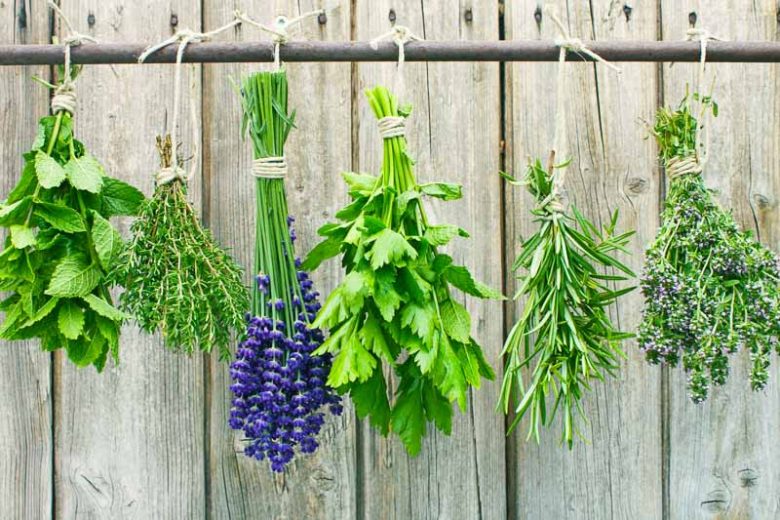
Rosemary is a wonderful herb that is popular in culinary dishes, but it has specific growing requirements and may not thrive when grown alongside certain plants. Here’s what you should avoid planting near rosemary:
1. Mint: Mint can be very invasive and may overwhelm rosemary plants. It competes for nutrients, water, and space, thereby stunting the growth of rosemary.
2. Cabbage Family: This includes plants like cabbage, broccoli, and cauliflower. They tend to attract pests that can harm rosemary and may lead to poor growth or health issues for both types of plants.
3. Fennel: Fennel produces chemicals that can inhibit the growth of rosemary. These allelopathic properties can negatively affect the development and health of rosemary plants nearby.
4. Basil: While both are popular herbs, basil can attract pests that may also target rosemary. Their differing requirements for moisture and sunlight can also lead to competition in the garden.
5. Parsley: This herb can be affected by similar pests that target rosemary, and they may compete for the same nutrients in the soil, leading to less vigorous growth.
See also:
1. The Detrimental Effects of Mint
Growing mint alongside rosemary is generally not advisable due to mint's invasive nature. When planted too close, mint can overshadow rosemary, leading to a decline in health.
- Mint's rapid growth can overshadow other plants.
- It competes for soil nutrients and moisture.
- Mint may attract pests that affect rosemary.
2. Pests Attracted by Cabbage Family
Plants in the cabbage family are known for attracting pests that may spread to rosemary. This makes it problematic to grow them near each other.
- Cabbage moths can target both plants.
- Common pest issues include aphids and caterpillars.
- Both types of plants may struggle to thrive due to pest pressure.
3. Fennel's Allelopathic Properties
Fennel is unique in that it can release chemicals into the soil that inhibit the growth of rosemary. This makes it a poor companion plant.
- Fennel can stunt the growth of nearby plants.
- It alters soil chemistry in a way that affects rosemary.
- The presence of fennel may result in lower yields for rosemary.
4. Basil's Pest Attraction
Although basil and rosemary are both popular herbs, they can attract similar pests. Their differing moisture needs may further complicate their coexistence.
- Basil can draw aphids that also besiege rosemary.
- Watering needs are different, risking over or underwatering.
- Competing for space can limit both plants' growth.
5. Parsley's Competition for Resources
Parsley and rosemary may seem compatible, but they often contend for resources, leading to less than optimal growth for both.
- Similar pest infestations can affect both plants.
- Shared nutrients may not suffice for healthy growth.
- Competing for light can lead to poor development.
What not to mix with rosemary?
:max_bytes(150000):strip_icc()/Health-RosemaryOil-Horiz-cab062636e554ad388f7df799dbfd8c2.jpg)
Common Herbs to Avoid Mixing with Rosemary
Rosemary is a robust herb that can clash with certain other herbs. It is important to know which herbs might not complement its strong flavor. Some common herbs to avoid mixing with rosemary include:
- Thyme: While both herbs have strong flavors, thyme can overpower rosemary in a dish.
- Sage: The intense flavor of sage can compete with the aromatic notes of rosemary.
- Basil: The sweet and somewhat peppery flavor of basil can contrast unfavorably with rosemary’s pine-like taste.
Food Pairings That Can Clash with Rosemary
Certain foods may not harmonize well when prepared with rosemary, leading to undesirable flavor combinations. Items to be cautious with include:
- Seafood: The delicate flavors of fish often do not work well with the strong, woody notes of rosemary.
- Fruits: Rosemary’s^bitter and earthy profile can overpower the sweetness of fruits like apples or peaches.
- Dairy Products: Mixing rosemary with rich dairy products can create a clash that masks the flavors of both.
Spices That May Not Complement Rosemary
Mixing rosemary with certain spices can lead to imbalanced flavors. Consider avoiding the following:
- Cinnamon: The sweet warmth of cinnamon can conflict with rosemary’s savory essence.
- Cumin: Known for its earthy flavor, cumin can overshadow the brightness of rosemary.
- Cardamom: The sweet and spicy nature of cardamom might turn the dish into a flavor confusion when combined with rosemary.
Cooking Methods That Do Not Suit Rosemary
Certain cooking methods may not highlight the characteristics of rosemary effectively. Consider the following:
- Boiling: This method can leach the essential oils from rosemary, making it lose its aromatic qualities.
- Deep Frying: The heavy oil can mask the herb's flavors and make it bitter.
- Slow Cooking: While it can work with some dishes, long exposure to heat can mute rosemary’s flavor.
Cuisine Types That Might Clash with Rosemary
Some cuisine styles might not incorporate rosemary well due to their flavor profiles. It is advisable to be cautious in these culinary contexts:
- Asian Cuisines: Many Asian dishes rely on lighter, fresher herbs and spices that can contrast poorly with rosemary.
- Mexican Dishes: The vibrant and bold flavors of Mexican food may not allow rosemary to shine.
- Indian Cuisine: With its complex spice profile, Indian dishes may overshadow rosemary’s distinct taste.
What is the superstition about rosemary plants?

The superstition surrounding rosemary plants is rich with historical significance and cultural beliefs. Traditionally, rosemary has been thought to possess protective properties, and it has been associated with remembrance, fidelity, and love. Many believe that keeping rosemary in the home wards off evil spirits and promotes positive energy. In various cultures, its scent is believed to enhance memory and clarity of thought, which is why it is commonly used in various rituals and ceremonies.
Historical Significance of Rosemary
Throughout history, rosemary has been linked to various traditions and rituals. It was used in ancient Roman and Greek cultures as a sacred herb. Some of its historical uses include:
See also:
- In ancient Greece, students would wear rosemary crowns during exams to enhance memory.
- In ancient Rome, rosemary was burned in funerals to symbolize remembrance and honor the deceased.
- During the Middle Ages, rosemary was believed to ward off the plague and was used in various purifying rituals.
Rosemary and Memory
The association of rosemary with memory is prevalent in folklore. People have long believed that its aroma has cognitive benefits, making it a staple in ceremonial settings. Key beliefs include:
- In folk traditions, fresh rosemary is often placed with the deceased to help the soul remember its way to the afterlife.
- Many cultures reference rosemary in poetry and songs as a symbol of lasting love and memory.
- Some ancient medicinal practices involved using rosemary to treat memory loss and mental fatigue.
Fidelity and Love
Rosemary has also been associated with love and fidelity throughout history, particularly in marriage customs. Notable aspects include:
- In wedding ceremonies, rosemary is often included in bouquets and decorations to symbolize everlasting love and loyalty.
- Traditions involve the bride wearing a sprig of rosemary for good luck and to ensure fidelity in her marriage.
- In some cultures, rosemary was given as a gift to symbolize commitment between lovers.
Protection Against Evil Spirits
Many cultures believe that rosemary can protect against evil spirits and negative energies. Some of the beliefs include:
- Rosemary was often planted near homes as a barrier to guard against malevolent spirits.
- Purifying rituals involve burning dried rosemary to cleanse a space of unwanted or harmful energies.
- In various superstitions, carrying fresh rosemary is said to protect against misfortune and negativity.
Modern Interpretations and Practices
In contemporary culture, the superstitions surrounding rosemary continue to evolve, reflecting a blend of tradition and modern beliefs. Some modern practices include:
- Using rosemary essential oil in aromatherapy to create a calming and positive environment.
- Integrating rosemary into daily rituals for mindfulness and mental clarity.
- Growing rosemary plants in homes as a natural way to attract positive energy and enhance emotional well-being.
What pairs well with rosemary?
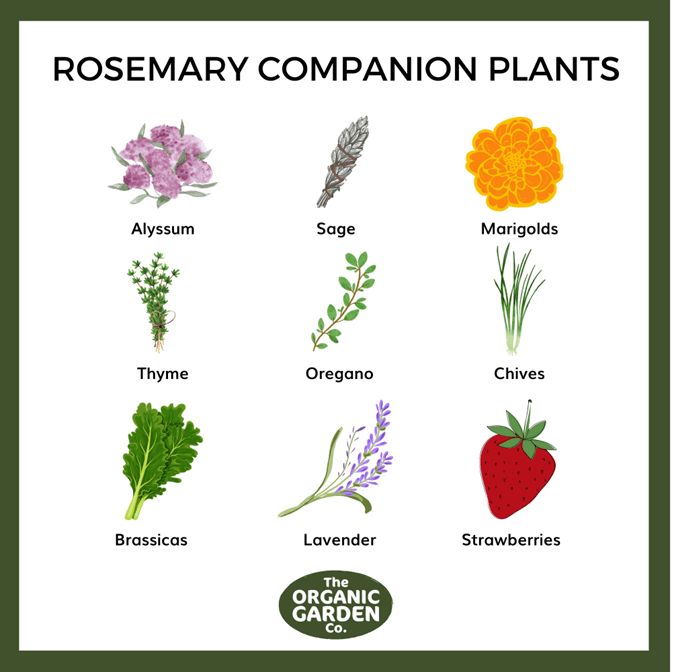
Rosemary is a versatile herb that can enhance various dishes with its aromatic, earthy flavor. It pairs well with a wide range of ingredients, making it a popular choice in many cuisines. Here are some ingredients that complement rosemary beautifully:
Meats
Rosemary matches especially well with various types of meats due to its bold flavor, which can enhance and elevate the taste of proteins.
- Lamb - The robust flavor of lamb works harmoniously with rosemary, making it a classic pairing in Mediterranean cuisine.
- Poultry - Chicken and turkey can be infused with rosemary’s aromatic qualities, especially when marinated or roasted.
- Pork - Rosemary can add depth to pork dishes, especially when used in rubs or marinades.
Vegetables
Rosemary can also elevate the flavors of various vegetables, making them more aromatic and flavorful.
- Potatoes - Roasted or mashed potatoes benefit greatly from the addition of rosemary, enhancing their flavor profile.
- Carrots - The sweetness of carrots is balanced and complemented by the earthy notes of rosemary when roasted together.
- Mushrooms - Sautéed mushrooms with rosemary create a delightful umami flavor that pairs well with many dishes.
Breads
Incorporating rosemary into breads can add a unique flavor that enhances the overall taste experience.
- Focaccia - This Italian bread is often topped with rosemary, making it a flavorful starter or side dish.
- Ciabatta - Incorporating rosemary into the dough can provide an aromatic boost to this rustic bread.
- Rolls - Dinner rolls can be enhanced with a sprinkle of rosemary, offering an aromatic twist to the classic recipe.
Cheeses
Rosemary can impart a wonderful flavor to various dairy products, particularly cheese.
- Goat Cheese - The tangy flavor of goat cheese pairs well with the herb's earthiness, creating a delightful combination.
- Cheddar - Aged cheddar with rosemary creates a complex flavor profile that can enhance any cheese platter.
- Feta - The saltiness of feta cheese complements the aromatic qualities of rosemary, making them a great match in salads.
Cooking Techniques
Different cooking techniques can enhance the flavor of rosemary when used.
- Grilling - Rosemary can be used to infuse meat and vegetables with flavor when grilling, either as a marinade or through direct contact.
- Roasting - Oven-roasting vegetables and meats with rosemary allows its aromatic oils to penetrate and elevate the overall dish.
- Infusing - Oils and vinegars can be infused with rosemary for use in dressings and marinades, adding depth and aroma.
Questions from Our Readers
What plants should not be grown next to rosemary?
Rosemary should not be grown alongside sage, mint, or basil. These herbs can compete for nutrients and may also suffer from similar pest issues, which can ultimately inhibit their growth and flavor.
Why is it bad to plant basil near rosemary?
Basil and rosemary prefer different soil conditions and moisture levels, making them incompatible neighbors. Basil thrives in more moist environments, while rosemary requires a drier soil, leading to potential root rot or poor growth.
Can you grow lavenders with rosemary?
Growing lavender next to rosemary is actually beneficial, as both plants have similar requirements in terms of sunlight and soil drainage. However, plants like mint that prefer moister conditions should still be avoided in proximity to rosemary.
See also:
What happens if you plant mint near rosemary?
Planting mint near rosemary can lead to competition for nutrients and water, as mint prefers a moist environment, which can negatively affect rosemary's health and growth. Additionally, mint's invasive nature can take over and overshadow rosemary.

If you want to read more articles like What Not to Grow Next to Rosemary? Essential Planting Tips for a Thriving Garden, we recommend you check out our Herbs category.
Leave a Reply
Related Articles