What Herbs to Mix with Lavender? Discover the Best Combinations for Your Garden and Recipes
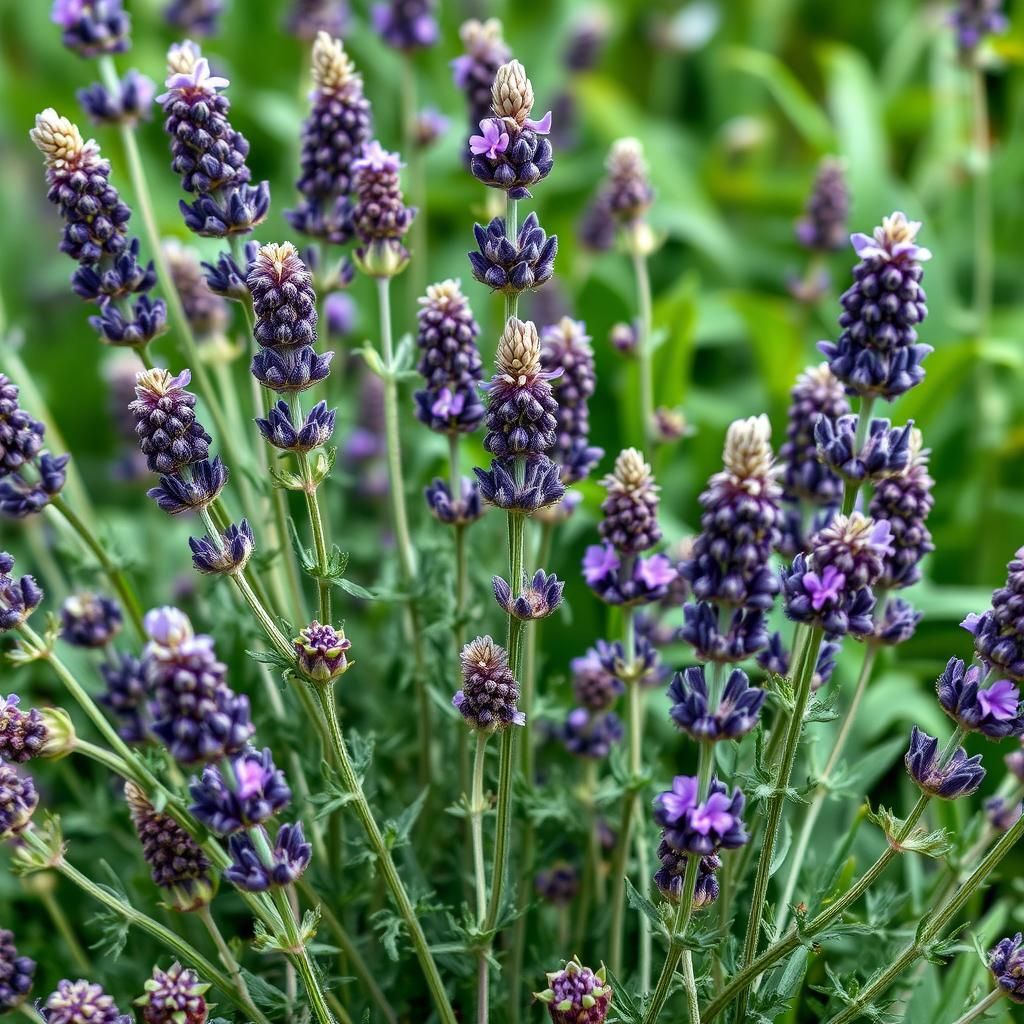
Lavender is a beloved herb known for its calming fragrance and vibrant purple blooms. Incorporating lavender into your garden can enhance its beauty and attract beneficial insects. However, pairing lavender with the right herbs can elevate both its aesthetic appeal and culinary uses. In this article, we will explore the best herb combinations to complement lavender, focusing on their compatibility in the garden and their potential in recipes. Discover which herbs thrive alongside lavender and how these combinations can enrich your gardening experience while adding delightful flavors to your dishes.
Complementary Herbs to Mix with Lavender
Lavender is a versatile herb renowned for its calming scent and therapeutic properties. When mixed with other herbs, it can enhance flavors in culinary dishes or bolster the benefits of an herbal remedy. Some of the best herbs to combine with lavender include chamomile, renowned for its soothing effects; mint, which adds a refreshing contrast; rosemary, offering a robust, earthy flavor; thyme, bringing out the herbal notes; and lemon balm, which amplifies the uplifting qualities. Each of these herbs complements the unique profile of lavender, creating harmonious blends for both cooking and remedies.
Chamomile and Lavender
Chamomile and lavender make a perfect pairing, especially in tea blends aimed at promoting relaxation and alleviating stress. The floral notes of chamomile enhance the aromatic experience, while their combined calming properties create a beneficial infusion that can help with sleep-related issues. Additionally, both of these herbs can soothe digestive discomfort, making this combination not only pleasant but also particularly helpful for digestive health.
Mint and Lavender
The fresh and invigorating flavor of mint creates an exciting contrast when mixed with lavender. This combination is excellent in culinary applications, such as salads or desserts, where the sweet and savory aspects interplay beautifully. Moreover, both mint and lavender have antimicrobial properties, which can aid in digestion and overall wellness, making them suitable for teas and refreshing beverages.
Rosemary and Lavender
Rosemary's strong, pine-like aroma pairs exceptionally well with lavender's sweet scent, especially in savory dishes. The combination brings an herbal complexity to roasted meats or marinades, creating a rich taste profile. Additionally, both herbs are known for their antioxidant properties, contributing health benefits when included in various culinary or medicinal applications, particularly in enhancing cognitive function and mood.
Thyme and Lavender
Thyme, with its earthy and spicy flavor, complements lavender by adding depth to herbaceous mixes. This duo is effective in enhancing the flavors of soups, stews, and roasted vegetables. From a health perspective, both thyme and lavender have antifungal and antibacterial properties, which can help boost the immune system and fight off illnesses, making them an excellent combination for herbal infusions.
Lemon Balm and Lavender
Lemon balm adds a bright, citrusy note that blends seamlessly with the floral tones of lavender. This combination is particularly refreshing in teas and infused drinks, offering a delightful experience while promoting relaxation. Additionally, lemon balm is known for its potential benefits in reducing anxiety and improving mood, which complements lavender's calming effects effectively, making them a popular choice for herbal treatments focused on emotional wellness.
| Herb | Flavor Profile | Health Benefits |
|---|---|---|
| Chamomile | Floral and sweet | Calming properties, aids digestion |
| Mint | Fresh and cool | Antimicrobial, digestive aid |
| Rosemary | Pine-like and earthy | Antioxidant, cognitive boost |
| Thyme | Earthy and spicy | Antibacterial, immune support |
| Lemon Balm | Citrusy and sweet | Reduces anxiety, improves mood |
What herbs blend well with lavender?

Lavender is a versatile herb known for its aromatic qualities and soothing properties. Its unique flavor profile and fragrance make it an excellent companion to various other herbs. Some herbs that blend well with lavender include:
1. Rosemary: The robust flavor of rosemary complements the floral notes of lavender, creating a well-rounded blend that can enhance roasted dishes or herbal teas.
2. Thyme: The earthy and slightly minty flavor of thyme balances the sweetness of lavender. This combination is often used in savory dishes, marinades, or even pastries.
3. Sage: The strong, slightly peppery taste of sage pairs surprisingly well with lavender, offering depth to sauces, stuffing, or herbal infusions.
4. Mint: The refreshing qualities of mint, combined with the calming nature of lavender, create a delightful concoction perfect for teas, desserts, and summer dishes.
5. Chamomile: Known for its calming properties, chamomile enhances the soothing nature of lavender, making them a perfect duo for relaxing herbal blends or nighttime teas.
See also:
Rosemary and Lavender Blend
Combining rosemary and lavender creates a fragrant and flavorful pairing. This blend is particularly useful in culinary applications, where the aroma enhances dishes.
- Use in roasted meats for aromatic flavor.
- Add to bread dough for unique herbal notes.
- Infuse in oils for salad dressings.
Thyme alongside Lavender
Lavender and thyme work together to bring out the earthy notes while softening the floral intensity. This combination is excellent in savory dishes.
- Incorporate into soups or stews for complexity.
- Mix into marinades for meats or tofu.
- Craft herbal butters for vegetables or bread.
Sage and Lavender Harmony
The pairing of sage and lavender creates an intriguing flavor profile, ideal for hearty dishes. This combination can elevate the taste of many recipes.
- Perfect for stuffing in poultry or pasta.
- Use in savory pastries for added depth.
- Blend into sauces for a unique twist.
Mint and Lavender Fusion
Combining mint with lavender lends a refreshing touch perfect for warm weather dishes. Their flavors can be combined in a variety of ways.
- Prepare herbal iced teas for relaxation.
- Add to fruit salads for an aromatic kick.
- Use in desserts such as sorbets or mousses.
Chamomile and Lavender Calm
The soothing properties of chamomile enhance lavender’s calming effects, making them a wonderful pair for teas or blends aimed at relaxation.
- Create calming herbal teas before bedtime.
- Mix in bath salts for a relaxing soak.
- Combine in essential oil blends for aromatherapy.
What herbs grow best with lavender?
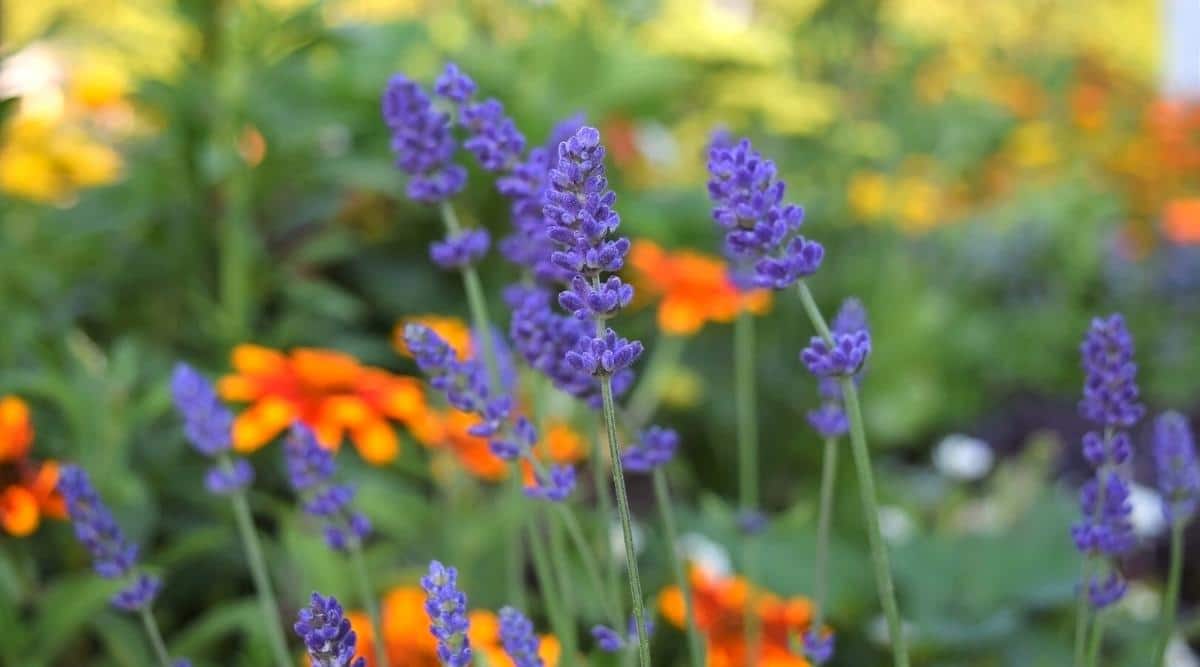
Lavender is not only a beautiful plant but also a versatile herb that can enrich a garden. When considering what herbs grow best with lavender, it is essential to understand the conditions that lavender prefers, such as well-draining soil, full sun, and low humidity. Here are some herbs that thrive when planted alongside lavender.
1. Rosemary
Rosemary is a hardy Mediterranean herb that shares similar growing conditions with lavender. Both plants prefer full sun and well-draining soil, making them ideal companions. They also attract beneficial insects while repelling some pests.
- Growing Conditions: Rosemary thrives in silty, sandy soils with excellent drainage.
- Pest Control: This herb can deter pests like aphids and spider mites, benefiting lavender’s health.
- Flavor Pairing: Fresh rosemary can enhance dishes alongside lavender-infused recipes.
2. Thyme
Thyme is another herb that grows well in hot, dry conditions similar to those preferred by lavender. This low-growing herb complements lavender both aesthetically and functionally in the garden.
- Soil Preference: Like lavender, thyme thrives in well-drained sandy or loamy soils.
- Water Needs: Both herbs require minimal watering, making them suitable for xeriscaping.
- Culinary Uses: Thyme's robust flavor works well in a variety of dishes, complementing lavender’s unique essence.
3. Sage
Sage is a fragrant herb that, like lavender, is drought-tolerant and prefers sunny locations. The combination of these two herbs can create a stunning and aromatic garden space.
- Companion Benefits: Sage can improve the growth of nearby plants by repelling pests.
- Soil Benefits: It prefers similar soil conditions, ensuring minimal competition for nutrients.
- Culinary Harmony: Sage pairs well with lavender in various meat and poultry dishes.
4. Oregano
Oregano is a robust herb that thrives under similar conditions as lavender, making them great companions in the garden. This herb is known for its aromatic leaves and can enhance the overall health of plants nearby.
- Soil Similarity: Oregano enjoys well-drained soil, complementing lavender's needs.
- Attracting Pollinators: Both plants can attract pollinators to your garden, boosting biodiversity.
- Culinary Uses: Oregano pairs well with lavender in Italian dishes and herbal blends.
5. Marjoram
Marjoram is a sweet and aromatic herb that grows well with lavender. It enjoys similar light and soil conditions, making them perfect partners in the garden.
- Growth Patterns: Marjoram's growth can complement lavender's taller stature.
- Pest Deterrence: This herb can help deter common garden pests that may also affect lavender.
- Flavor Compliment: Marjoram's mild flavor can enhance recipes that utilize lavender, creating unique culinary experiences.
What pairs well with lavender?

Lavender is a versatile herb known for its calming fragrance and culinary uses. It pairs well with a variety of ingredients, enhancing both sweet and savory dishes. Below are some of the best pairings for lavender that can help elevate your cooking and baking.
See also:
Culinary Pairings
Lavender's unique flavor can complement various ingredients in culinary applications. Here are some of the best culinary pairings with lavender:
- Citrus Fruits: The bright acidity of citrus fruits like lemon, orange, and lime balances the floral notes of lavender.
- Honey: The sweetness of honey can enhance the delicate flavor of lavender, making it a great addition to teas and desserts.
- Herbs: Lavender pairs well with other herbs such as rosemary, thyme, and mint, adding depth to savory dishes.
Fragrance Combinations
In aromatherapy and home fragrance, lavender can blend beautifully with other scents. Here are some popular fragrance combinations:
- Chamomile: The calming properties of both lavender and chamomile create a relaxing atmosphere, perfect for unwinding.
- Eucalyptus: Eucalyptus adds a fresh and invigorating note that contrasts nicely with the soothing aroma of lavender.
- Vanilla: The warm and sweet scent of vanilla enhances the floral notes of lavender, making it a popular choice in candles and essential oils.
Drink Mixes
Lavender can be infused into a variety of beverages, adding a distinctive flavor. Here are some drink mixes that work well with lavender:
- Lemonade: Lavender lemonade is a refreshing summer drink that marries floral flavors with tangy sweetness.
- Teas: Lavender works particularly well in herbal teas, providing a calming effect.
- Cocktails: Lavender-infused cocktails, such as lavender martinis or gin tonics, offer a unique twist to traditional drinks.
Complementary Flavors
Certain flavors can enhance the experience of cooking with lavender. Here are some complementary flavors to consider:
- Almond: The nutty and sweet flavor of almond pairs beautifully with lavender, especially in baked goods.
- Chocolate: Dark chocolate and lavender create a rich and sophisticated dessert experience.
- Berries: Lavender complements the sweetness of berries like blueberries and strawberries, making it a wonderful addition to fruity desserts.
Health Benefits
Leveraging lavender's health benefits can enhance your overall wellness. Here are some health benefits that pair well with lavender:
- Relaxation: Lavender is well-known for its calming effects, promoting relaxation and reducing anxiety.
- Sleep Aid: Drinking lavender tea or using lavender essential oil can help improve sleep quality.
- Digestive Health: Lavender can be beneficial for digestive issues, often used to alleviate symptoms such as gas and bloating.
What not to mix with lavender?

Lavender is a popular herb known for its soothing properties and pleasant aroma, but certain combinations can lead to undesirable effects, whether in aromatherapy, cooking, or skincare. It’s essential to understand what not to mix with lavender to maximize its benefits and avoid potential complications.
Essential Oils to Avoid with Lavender
Mixing lavender essential oil with other specific essential oils can lead to clashing aromas or reduced efficacy. Here are some essential oils you should be cautious about mixing:
- Peppermint: The strong menthol scent may overwhelm the soothing qualities of lavender.
- Cinnamon: This oil can create a hot and spicy aroma that conflicts with the delicate floral notes of lavender.
- Clove: Similar to cinnamon, clove can be overpowering and may negate lavender’s calming properties.
Culinary Combinations to Avoid
When adding lavender to dishes, some combinations can disrupt the intended flavors or cause digestive issues. Consider avoiding these culinary pairings:
- Garlic: The pungent flavor of garlic can clash with the sweet and floral notes of lavender.
- Vinegar: The acidity of vinegar may overshadow lavender's gentleness.
- Red meat: The rich flavor of red meat may not harmonize with lavender's subtle taste.
Skincare Ingredients Not to Combine with Lavender
In skincare, mixing lavender with certain ingredients can cause adverse reactions or lessen its beneficial effects. Be cautious about these combinations:
- Alcohol: This can dry out the skin and may irritate when combined with lavender oil, negating its soothing effects.
- Retinol: Using retinol with lavender may lead to skin irritation or sensitivity.
- Strong exfoliants: These could disrupt lavender’s calming effect on the skin.
Herbs and Spices to Be Wary of with Lavender
In herbal preparations or teas, some herbs can interact negatively with lavender. Here are a few that might clash:
- Thyme: The strong, earthy flavor of thyme can overshadow lavender's floral notes.
- Oregano: This herb's bold taste may conflict with the delicate flavor of lavender.
- Chili peppers: The heat from chili can overwhelm lavender’s soothing properties.
Potential Medication Interactions with Lavender
Lavender may interact with certain medications, which can enhance or diminish their effects. Always consider these medications before combining with lavender:
- Anticoagulants: Lavender may increase the risk of bleeding when used with blood thinners.
- Antidepressants: Being a natural sedative, lavender may amplify the effects of these drugs.
- Hormonal medications: The estrogen-like properties of lavender could interfere with hormonal therapies.
Questions from Our Readers
What herbs complement lavender well?
Some herbs that complement lavender well include rosemary, chamomile, and thyme. These herbs not only enhance the aroma but also add depth to various concoctions, making them perfect for teas, essential oils, and culinary uses.
Can lavender be mixed with mint?
Yes, lavender can be mixed with mint to create a refreshing blend. The coolness of mint balances the floral notes of lavender, making it an excellent choice for beverages, desserts, and relaxing infusions.
See also:
Is it safe to combine lavender with basil?
Combining lavender with basil is generally safe and can produce a unique flavor profile. The sweet and spicy notes of basil can complement the fragrance of lavender in dishes and herbal blends.
What are the benefits of mixing herbs with lavender?
Mixing herbs with lavender can enhance the therapeutic properties and create synergistic effects. For example, pairing with chamomile can promote relaxation, while blending it with sage can boost mental clarity and focus.

If you want to read more articles like What Herbs to Mix with Lavender? Discover the Best Combinations for Your Garden and Recipes, we recommend you check out our Herbs category.
Leave a Reply
Related Articles