Does Dill Come Back Every Year? Understanding the Perennial Nature of Dill Plants

Dill (Anethum graveolens) is a versatile herb known for its distinctive flavor and culinary uses. Many gardening enthusiasts wonder whether this aromatic plant returns year after year, leading to confusion about its classification as an annual or perennial. Understanding the nature of dill plants is crucial for successful gardening and maximizing their yield. This article explores the life cycle of dill, its growth habits, and environmental factors influencing its perennial behavior. By delving into the characteristics of dill, gardeners can better assess how to cultivate this herb effectively, ensuring a robust supply for their culinary needs.
Does Dill Come Back Every Year?
Dill (Anethum graveolens) is a popular herb known for its unique flavor and aroma, often used in cooking and pickling. Whether dill comes back every year depends largely on its growing conditions and the variety being cultivated. Dill is typically classified as an annual herb, meaning it completes its life cycle in one growing season. However, it can self-seed and produce new plants the following year if the seeds are allowed to drop and germinate in suitable conditions. In warmer climates, this self-seeding behavior can lead to a plentiful supply of dill from year to year, whereas in colder regions, dill might not survive the winter, requiring replanting each spring.
Is Dill an Annual or Perennial Plant?
Dill is primarily considered an annual herb, which means it typically grows, flowers, and dies within a single growing season. However, there are instances where it may act like a perennial by reseeding itself, allowing it to return in the following seasons without intentional replanting. This self-seeding ability is a common trait in some herbs, making them easy to maintain in home gardens.
How to Ensure Dill Returns Each Year?
To encourage dill to return each year, gardeners should allow the flowers to go to seed. Once the seeds mature and fall to the soil, some may germinate in the spring when conditions are suitable. Providing a suitable environment—such as well-drained soil and adequate sunlight—can further enhance the chances of successful germination and growth in subsequent years.
Can Dill Survive Winter?
In colder climates, dill typically does not survive the winter unless it is well-protected. This herb is sensitive to frost, and prolonged cold conditions can lead to its demise. However, if dill is grown in a region with mild winters or indoors, it may continue growing throughout the year. In places with harsh winters, it's often wise to treat dill as an annual and replant it each spring.
What Conditions Favor Dill’s Return?
Dill thrives in full sunlight and well-drained soil. To promote its return each year, ensure that your planting spot receives at least six hours of sunlight daily and maintains moisture without becoming waterlogged. Additionally, if you live in a region with a short growing season, starting dill indoors and transplanting it may be beneficial, maximizing the potential for seed development before winter.
Best Practices for Growing Dill?
When cultivating dill, it is essential to maintain proper spacing between plants to ensure good air circulation and sun exposure. Regularly watering and avoiding overhead irrigation can protect the plant from disease. Adding compost or organic fertilizer can provide the necessary nutrients for healthy growth. Moreover, frequently harvesting the leaves encourages the plant to produce more foliage, which may also lead to more seeds for future growth.
| Factor | Impact on Dill |
|---|---|
| Climate | Dill prefers warm climates; harsh winters can kill it. |
| Sowing | Self-seeding increases chance of yearly return. |
| Soil Type | Well-drained soil enhances growth and seed germination. |
| Sunlight | Full sun exposure promotes healthy plant development. |
| Watering | Consistent moisture is key; avoid waterlogging. |
Will dill survive winter?
Dill (Anethum graveolens) is a popular herb known for its distinct flavor, commonly used in cooking and pickling. When considering whether dill will survive winter, several factors must be taken into account, including climate, growing conditions, and care practices.
Dill is typically treated as an annual herb in many regions, meaning it completes its life cycle within a single growing season; however, there are circumstances under which it may survive the winter in certain zones. The key factors influencing its winter survival or lack thereof are:
1. Climate: Dill is native to areas with milder winters. In zones 8-10, it might survive winter, particularly if temperatures do not drop significantly below freezing.
2. Freezing Temperatures: Dill is susceptible to frost and freezing temperatures. If planted in an area where the ground freezes, the chances of it surviving are quite low unless protected.
See also:
3. Mulching: A layer of protective mulch can help insulate the plants roots and provide some protection against cold temperatures. However, even with mulching, prolonged periods of deep freeze could still kill the plant.
4. Container Growing: Dill can be grown in pots, allowing for easier relocation. Moving containers indoors during extreme cold snaps can give it a better chance of survival.
5. Regrowth from Roots: In some cases, dill may regrow the following spring from its existing root system if the winters are mild enough and the roots remain undisturbed.
Climate Zones and Dill
Dill's winter survival is heavily influenced by the climate zones in which it is grown. In warmer climates (zone 8-10), dill may survive or at least reseed itself in the spring. Conversely, in colder areas, dill is unlikely to endure the winter.
- Growing Season: Early spring to summer.
- Winter Hardiness: Provides brief growth before frost.
- Reseeding Potential: May self-seed before winter.
Frost and Temperature Effects
Frost events can be detrimental to dill plants. Dill struggles with hard frost conditions, making it crucial to monitor the forecast and take necessary precautions. Temperatures below 20°F (-6°C) are particularly harmful.
- Frost Dates: Knowing your local frost dates is essential.
- Protection Methods: Cloches, row covers, and blankets.
- Timing: Planting later in the season can improve survival chances.
Mulching for Insulation
Applying mulch is an effective strategy for protecting dill in winter. Mulch acts as a barrier against the cold and helps retain soil moisture, essential for root health even during winter months.
- Types of Mulch: Organic mulches, such as straw or leaves, are ideal.
- Application Timing: Apply before the first freeze.
- Layer Thickness: 2-4 inches of mulch is typically sufficient.
Container Growing Advantages
Growing dill in containers presents unique opportunities for winter survival. Potted dill can be brought indoors during severe weather, protecting it from extreme cold.
- Mobility: Easy to move to a sheltered location.
- Indoor Care: Requires adjusted watering and light indoors.
- Renewal: Easily seeding and replanting can occur in the container.
Regrowth Potential in Spring
In mild winter conditions, dill may not die completely but rather enter a dormant state, allowing it to potentially regrow in spring if conditions are favorable.
- Root Health: Staying intact is crucial for regrowth.
- Soil Conditions: Requires loose, well-drained soil for spring growth.
- Sunlight: Early spring sun exposure aids in recovery.
How to get dill to come back every year?
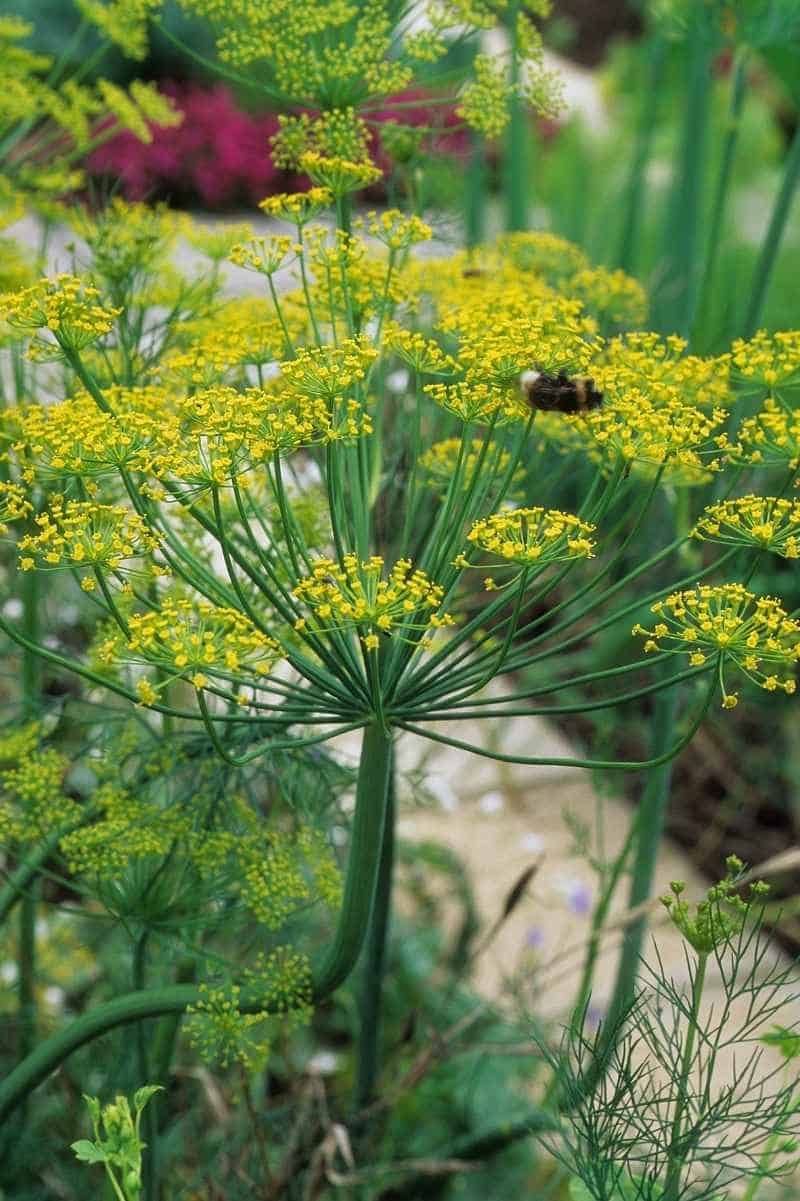
To ensure that dill comes back every year, you can implement some specific gardening techniques. Dill (Anethum graveolens) is a biennial herb, which means it completes its life cycle in two years. In its second year, it will flower and self-seed, resulting in new plants for the following season. Here's how to encourage this process:
Understanding Dill's Growth Cycle
Dill is a fast-growing herb that thrives in well-drained, sunny conditions. When planted, dill tends to focus on leaf production during its first year and will produce flowers in the second year. Here are key points to understand about its growth cycle:
- Dill is harvested for its leaves during the first year.
- In the second year, dill flowers and produces seeds.
- Seeds can easily fall to the ground and germinate in the following season.
Creating a Suitable Environment for Dill
To promote the successful re-emergence of dill every year, it is essential to create a conducive environment. This includes selecting the right planting location and ensuring proper soil conditions. Key factors include:
See also:
- Sunlight: Plant dill in a location that receives at least 6-8 hours of sunlight per day.
- Soil: Ensure the soil is rich in organic matter and has good drainage.
- Water: Keep the soil consistently moist but not waterlogged.
Using Companion Planting Techniques
Companion planting can enhance the growth of dill and help it thrive. By planting dill alongside certain other plants, you can improve its chances of successfully self-seeding. Consider these companion plants:
- Cabbage Family: Dill can help repel pests that target cabbage and other brassicas.
- Carrots: Dill attracts beneficial insects that can help with carrot growth.
- Onions: Protect sting from pests with dill planted near onions.
Encouraging Self-Seeding
For dill to come back each year, self-seeding is crucial. After blooming in its second year, allow seed heads to mature and dry on the plant. Important steps to encourage this process include:
- Do not cut the plant back after it flowers; let it grow naturally.
- Leave seed heads intact until they turn brown and dry.
- After the seeds drop, avoid disturbing the soil to allow germination.
Maintaining Soil Health
Healthy soil is vital for the productive growth of dill. To maintain soil health, consider the following methods:
- Composting: Add organic compost to enrich the soil with nutrients.
- Crop Rotation: Plant dill in different areas each year to prevent soil depletion.
- Mulching: Apply mulch to retain moisture and suppress weeds which can hinder dill growth.
Does dill return each year?

Dill is a popular herb used in various culinary dishes, appreciated for its feathery leaves and distinct flavor. The question of whether dill returns each year depends on the specific type of dill and the growing conditions.
Understanding Dill Types
There are primarily two types of dill: annual dill and perennial dill. Most commonly, the dill grown for culinary use is annual, which completes its life cycle in a single growing season. In contrast, there is a lesser-known variety of dill that can act as a perennial in some climates.
- Annual Dill: Typically grown from seeds, this variety will germinate, grow, flower, and produce seeds within the same year.
- Perennial Dill: While rare, some forms can survive winter and regrow in subsequent years.
- Categories and Regions: The adaptability of the dill variety to different climates influences whether it will return each year.
Growing Conditions Affecting Dill's Longevity
The ability of dill to return each year is largely influenced by growing conditions. Factors such as temperature, soil quality, and moisture levels play pivotal roles.
- Temperature: Dill prefers cooler temperatures and may not survive extreme heat or frost.
- Soil Quality: Well-draining soil enriched with organic matter supports healthy growth.
- Moisture Levels: Consistent moisture is necessary, but overwatering can lead to root rot, affecting the plant's chances of returning.
Planting Dill for Future Harvests
To enjoy dill in multiple seasons, one needs to consider planting techniques that can encourage self-seeding or allow for the establishment of perennial varieties.
- Direct Sowing: Plant seeds directly in the garden to allow for natural self-seeding.
- Transplanting: Start dill indoors to extend the growing season before moving them outdoors.
- Environmental Protection: Use mulch or covers to protect overwintering plants in harsher climates.
Cilantro versus Dill: Similarities and Differences
Both cilantro and dill are popular herbs, but their life cycles differ significantly. Understanding these differences can give insights into herb gardening.
- Cilantro as Annual: Cilantro is also an annual herb, similar to most of dill.
- Seed Production: Both herbs can self-seed; however, dill’s seeds are larger and more recognizable.
- Flavor Profile: While both herbs are used in cooking, their distinct flavors make them unique in various dishes.
Harvesting Practices for Sustained Growth
Proper harvesting practices can ensure you get the most out of your dill plants while also allowing them to return.
- Timing of Harvest: Harvest dill before it goes to seed to encourage further growth.
- Cutting Techniques: Use scissors to cut the leaves without damaging the plant.
- Regrowth Care: After harvesting, provide water and nutrients to support regrowth.
Questions from Our Readers
Does dill come back every year?
Dill is an annual herb, which means it typically does not come back every year on its own. After it flowers and produces seeds, the plant will die, but if the seeds fall to the ground, they may germinate the following season, allowing dill to reappear in your garden.
Can dill be grown as a perennial?
While dill is primarily an annual, some gardeners treat it as a perennial by allowing it to self-seed. If you want dill to reappear yearly, you can let some of the seeds drop and sprout naturally in the garden.
See also:
How can I ensure dill comes back next year?
To ensure that dill comes back next year, let the plant go to seed before you harvest or remove it. This allows for natural reseeding, increasing the chances of seeing new dill plants the following growing season.
What should I do if my dill doesn't return?
If your dill doesn't return, consider replanting seeds in the spring. Choose a sunny location with well-drained soil, and ensure adequate watering to help new plants establish themselves effectively.

If you want to read more articles like Does Dill Come Back Every Year? Understanding the Perennial Nature of Dill Plants, we recommend you check out our Herbs category.
Leave a Reply
Related Articles