Will Parsley Regrow After Cutting? Discover Tips for Thriving Herb Gardens

Parsley is a versatile herb cherished in kitchens around the world. If you've ever wondered whether cutting parsley impacts its growth, you're in the right place. Many gardeners grapple with the question: Will parsley regrow after cutting? Understanding how to properly harvest parsley not only prolongs the life of this herb but also enhances the productivity of your garden. In this article, we'll explore the regrowth potential of parsley after cutting and share essential tips for nurturing a thriving herb garden. Whether you’re a novice gardener or an experienced green thumb, discover how to cultivate healthy parsley plants with ease.
Will Parsley Regrow After Cutting?
Yes, parsley can regrow after cutting, making it an excellent herb for home gardeners and cooking enthusiasts alike. When you cut the stems of parsley, particularly if you do so above a leaf node, the plant can produce new growth from these nodes. Ensure that you leave at least a few inches of the plant intact, as this will support its regrowth. Providing adequate sunlight, water, and nutrients can further enhance the regrowth process, allowing you to enjoy fresh parsley multiple times throughout the growing season.
How to Cut Parsley to Encourage Regrowth
To encourage healthy regrowth of parsley, it is essential to cut the leaves properly. Use sharp, clean scissors or pruning shears to trim the outer stems, making sure to cut above a leaf node or branching point. This technique allows the plant to focus its energy on new growth instead of trying to heal a cut surface. Avoid cutting more than one-third of the plant at any time, as this can stress the plant and inhibit its ability to grow back.
Ideal Conditions for Parsley Regrowth
Parsley thrives best in terms of regrowth when it receives adequate sunlight (at least 6 hours of indirect light daily) and is watered consistently but not overwatered. The soil should be well-draining and rich in organic matter, as nutrient-deficient soil can stunt the regrowth process. Additionally, maintaining a temperature range between 60°F to 70°F (15°C to 21°C) promotes optimal growth and supports the plant's health.
How Long Does It Take for Parsley to Regrow?
The regrowth time for parsley can vary, but typically, you can expect to see new growth within two to three weeks after cutting. Factors such as the plant's health, environmental conditions, and care practices can influence the speed of regrowth. Under ideal circumstances, small new shoots may be visible shortly after cutting, while more substantial growth can take a little longer as the plant works to establish itself after harvesting.
Can You Regrow Parsley from Cut Stems in Water?
Yes, parsley can be regrown from cut stems placed in water as a temporary measure. To do this, cut a healthy stem of parsley and place it in a glass of water, ensuring that the bottom of the stem is submerged. Place the glass in a location with sunlight, and change the water every few days to keep it fresh. Roots will start to develop in a week or two, at which point you can transplant the stem into soil for further growth and support.
Best Practices for Maintaining a Parsley Plant
To maintain a healthy parsley plant that can regrow effectively, implement a few best practices. Regular harvesting is crucial; take care not to harvest too much at once. Additionally, ensure that the soil remains consistently moist, mulching if necessary to retain moisture. Fertilizing periodically with a balanced fertilizer can help replenish nutrients in the soil, promoting vigorous growth and benefiting future regrowth of the plant.
| Aspect | Recommended Value |
|---|---|
| Sunlight | 6 hours of indirect sunlight |
| Watering | Consistent but not overwatered |
| Temperature | 60°F to 70°F (15°C to 21°C) |
| Harvesting | No more than one-third at a time |
| Fertilizing | Occasional balanced fertilizer |
Does parsley regrow after cutting?
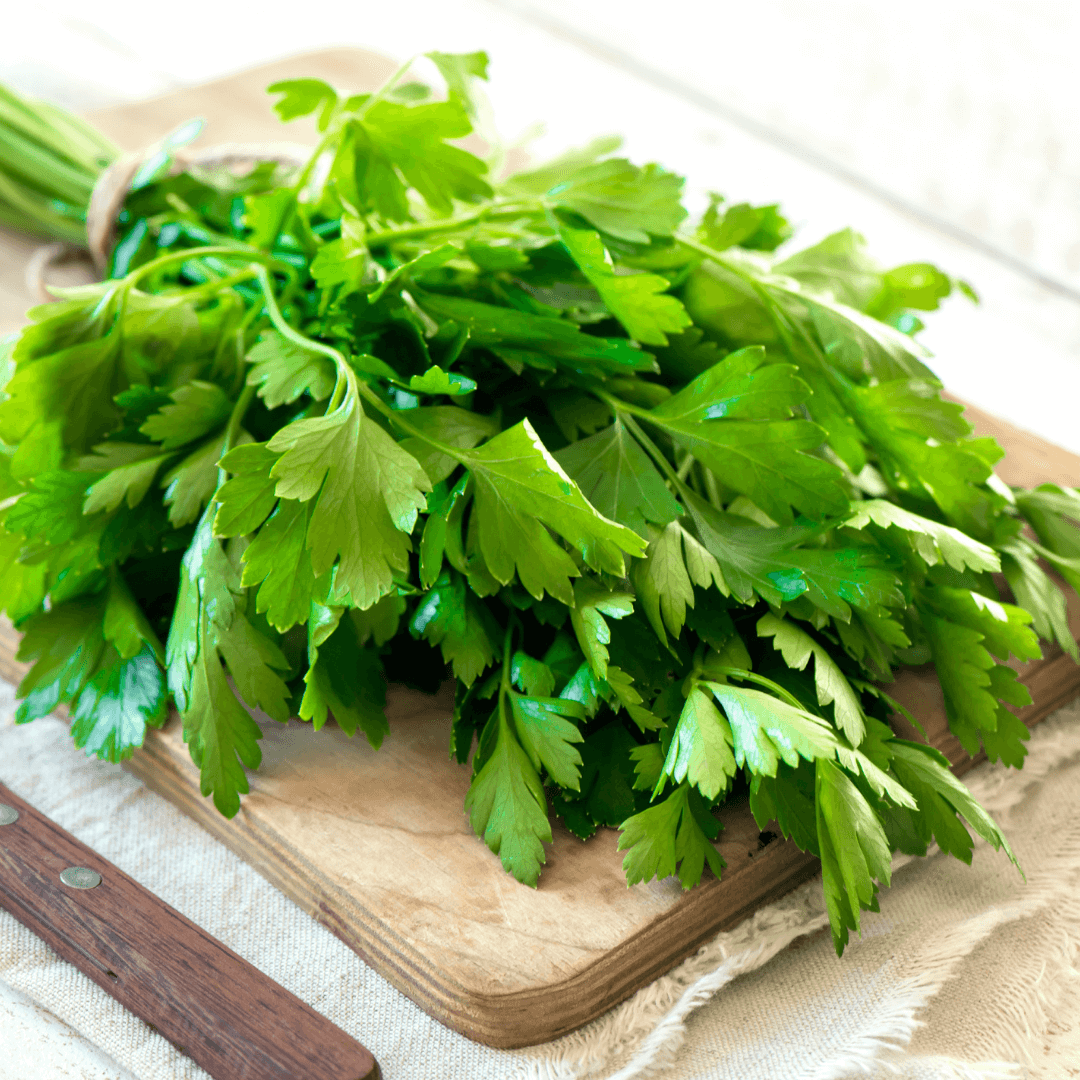

Yes, parsley does regrow after cutting. This herb is known for its resilience and ability to regenerate when harvested properly. When you cut parsley, especially if you do so strategically, the plant can continue to grow and produce new leaves. It's important to follow some guidelines to ensure that parsley can thrive after cutting.
How to Cut Parsley for Optimal Regrowth
Cutting parsley correctly is essential for its regrowth. Here are some tips on how to do it:
- Use sharp scissors or shears. This prevents damage to the plant.
- Cut from the outer leaves. Start harvesting from the outside, which encourages new growth from the center.
- Avoid cutting more than one-third of the plant at once to ensure enough foliage remains for photosynthesis.
Ideal Conditions for Parsley Growth
To facilitate regrowth, parsley requires specific environmental conditions. These include:
- Well-drained soil. Excess water can lead to root rot.
- Full sun or partial shade. Parsley thrives best in bright but indirect sunlight.
- Consistent watering but avoid overwatering, as this can damage the roots.
When to Harvest Parsley
Knowing the right time to harvest parsley is crucial for its regrowth. Consider the following:
- Wait until the plant is established. Typically, Parsley should be at least 6-8 inches tall.
- Harvest regularly but not excessively. Frequent harvesting can promote bushier growth.
- Monitor leaf color and size. Harvest when the leaves are bright green and healthy.
Signs of Healthy Parsley After Cutting
After cutting parsley, look for signs that indicate successful regrowth:
- New leaves emerging. This shows that the plant is recovering and thriving.
- Vibrant green color. Healthy parsley will maintain a rich green color.
- No wilting or discoloration. Ensure leaves appear crisp and fresh.
Tips for Encouraging Parsley Regrowth
To support parsley regrowth after cutting, consider these additional tips:
- Fertilize lightly. Use a balanced fertilizer to boost nutrient availability.
- Mulch the soil. This helps retain moisture and maintains soil temperature.
- Prune any dead or yellow leaves. This encourages the plant to focus energy on new growth.
How many times can you cut parsley?
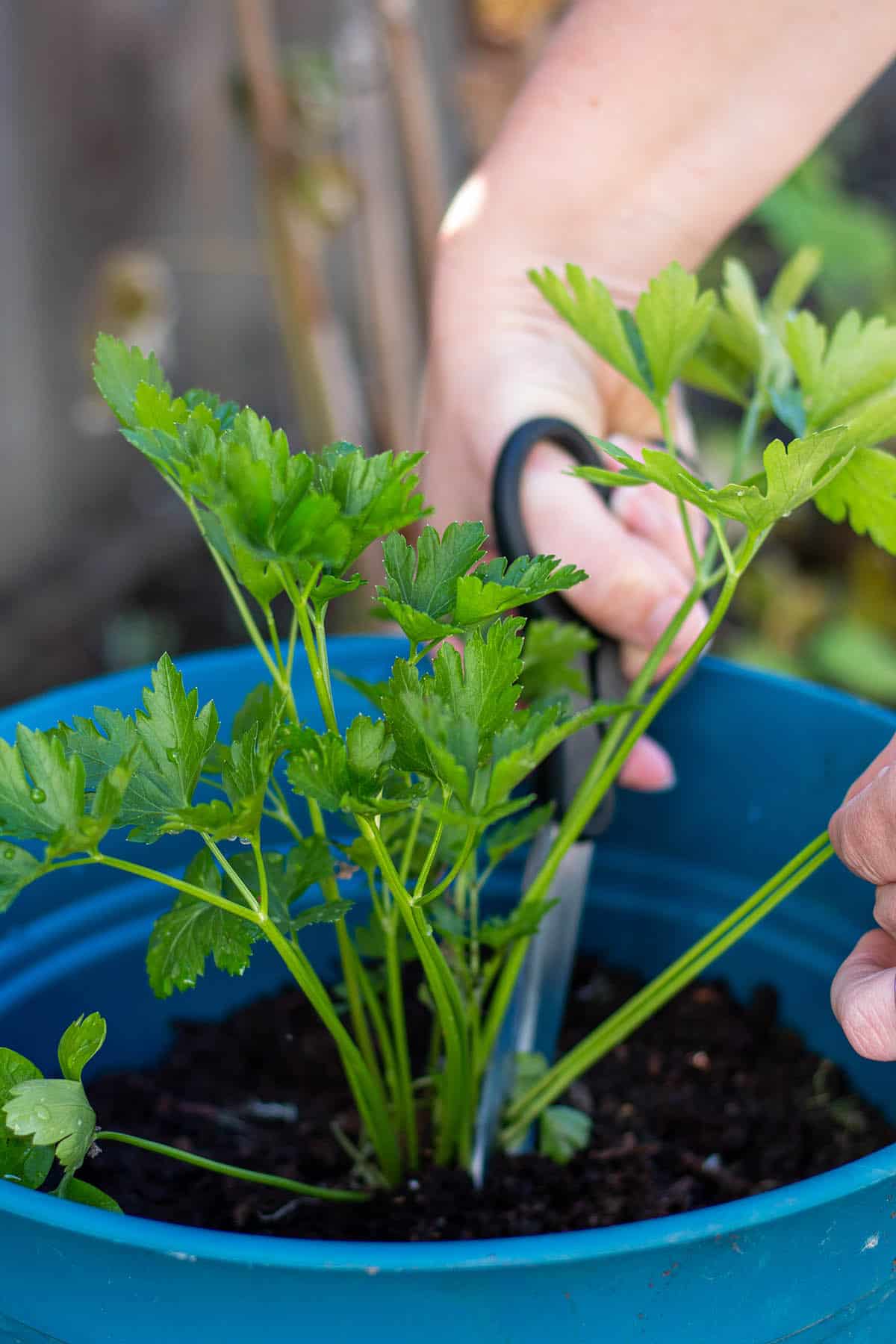
To answer the question of how many times you can cut parsley, it's essential to understand that parsley is a resilient herb that can be harvested multiple times throughout its growth cycle. The number of times you can cut parsley largely depends on the health of the plant, the method of cutting, and the conditions in which it grows.
See also:
When properly cared for, you can typically cut parsley about three to four times during the growing season. Each cutting should be done methodically to allow the plant to regenerate new growth. Here’s how to ensure you get the most out of your parsley plant:
Best Practices for Cutting Parsley
Cutting parsley can be done effectively if you follow some best practices. Here are some things to keep in mind:
- Use sharp scissors or shears: A clean cut minimizes damage to the plant and promotes faster regrowth.
- Cut above the leaves: Always cut stems above the first set of leaves to encourage new growth from the base.
- Leave some leaves: Ensure that you leave enough foliage on the plant so it can continue to photosynthesize and grow.
Optimal Conditions for Regrowth
The health of your parsley plant can greatly affect how many times you can harvest it. Optimal conditions help ensure better regrowth:
- Sunlight: Parsley requires at least six hours of sunlight a day for healthy growth.
- Soil Quality: Use well-drained, nutrient-rich soil for optimal growth; consider adding compost.
- Watering: Ensure the plant is kept moist but not waterlogged, as both extremes can hinder regrowth.
Seasonal Considerations
The time of year can influence how many times you can cut parsley. Different seasons have varying effects on growth:
- Spring: This is the ideal time to cut parsley, as it tends to grow more vigorously.
- Summer: While still productive, heat can stress the plant, so adjust cutting frequency.
- Fall and Winter: Growth slows, and fewer cuts may be possible; consider bringing pots indoors.
Signs of Over-Harvesting
Recognizing the signs of over-harvesting is crucial to maintaining the health of your parsley plant:
- Stunted growth: If you notice your plant isn't producing new leaves, it may need a break.
- Yellowing leaves: This could signify stress; reducing the number of cuts may be necessary.
- Pale appearance: If the parsley looks weak, consider cutting back on harvesting to allow regeneration.
Using Cut Parsley Effectively
Utilizing harvested parsley correctly can also impact how much cutting you can do, as proper use may encourage further growth:
- Fresh use: Using parsley fresh in recipes maximizes flavor and minimizes waste.
- Preservation: Consider drying or freezing excess parsley to encourage you not to over-cut in one go.
- Regular harvest: Encourage regular, small cuts rather than infrequent, large cuts to promote ongoing growth.
Questions from Our Readers
Will parsley regrow after cutting?
Yes, parsley will regrow after cutting. When you trim the leaves, you are encouraging the plant to produce new growth. Make sure to leave some leaf nodes intact to allow for proper regrowth.
How should I cut parsley to encourage regrowth?
To encourage regrowth, you should cut parsley stems just above a leaf node. This method allows the plant to use the existing structure for new growth and helps keep the plant healthy.
See also:
How long does it take for parsley to regrow after cutting?
Parsley typically takes around 2 to 4 weeks to regrow after cutting, depending on factors like light, water, and soil conditions. Providing optimal care can speed up this process.
Can I regrow parsley from store-bought parsley?
Yes, you can regrow parsley from store-bought parsley by placing the stems in water or planting them in soil. Ensure you use stems with healthy nodes to maximize your chances of successful regrowth.

If you want to read more articles like Will Parsley Regrow After Cutting? Discover Tips for Thriving Herb Gardens, we recommend you check out our Herbs category.
Leave a Reply
Related Articles