What is the Most Beautiful Herb? Discover the Top Choices for Your Garden

When it comes to gardening, the beauty of herbs goes beyond their culinary uses. Some herbs not only enhance flavor but also bring vibrant colors, captivating scents, and unique textures to your garden. Selecting the most beautiful herbs involves considering various factors such as bloom time, foliage color, and growth habits. In this article, we will explore the top choices that can elevate the aesthetic appeal of your garden while offering functional benefits. From aromatic favorites to visually striking varieties, discover the herbs that can transform your outdoor space into a fragrant and lush paradise.
What is the Most Beautiful Herb?
The most beautiful herb, often celebrated for its striking appearance and sensory appeal, is undoubtedly lavender. Renowned for its stunning violet flowers and aromatic fragrance, lavender not only adds a touch of elegance to any garden, but it also attracts pollinators like bees and butterflies. This perennial herb, with its silvery-green leaves and tall flower spikes, can create a visually captivating landscape. Beyond its beauty, lavender has numerous uses, from essential oils to culinary applications, solidifying its status as a favorite among herb enthusiasts and gardeners alike.
Visual Appeal of Lavender
Lavender is admired for its vibrant purple hues which can vary from pale lavender to deep violet. The plant itself can grow up to 3 feet tall, with slender stems that hold clusters of flowers at the top, creating a beautiful visual effect when in full bloom. Its striking color contrasts beautifully with the greenery in gardens, making it a centerpiece in floral displays and arrangements. Moreover, the long blooming season of lavender provides a continuous source of beauty from late spring through summer.
Fragrance and Aromatherapy Benefits
The sweet and soothing scent of lavender is well known in aromatherapy, where it is used to promote relaxation and reduce stress. This herb releases its calming fragrance when the flowers are disturbed, either through a gentle breeze or when harvested. Essential oils derived from lavender are popular in various products, such as candles, soaps, and lotions. The sensory experience provided by lavender not only beautifies spaces but also enhances well-being through its aromatic properties.
Culinary Uses of Lavender
In addition to its aesthetic and aromatic appeal, lavender is also a versatile herb in cooking. Its fragrant flowers can be used to flavor a variety of dishes, including desserts, teas, and savory meals. Culinary lavender typically comes from specific varieties that are safe for consumption, such as English lavender (Lavandula angustifolia). The herb can be used sparingly to infuse dishes with a unique floral note, or ground into lavender sugar, adding an elegant twist to classic recipes.
Growing and Caring for Lavender
Growing lavender is relatively easy, and it thrives in well-drained soil with full sunlight. This hardy herb is drought-resistant, making it an ideal choice for low-maintenance gardens. To care for lavender, gardeners should ensure that the plants are pruned regularly to promote healthy growth and flowering. Additionally, providing adequate spacing allows for good air circulation, which helps prevent diseases. With proper care, lavender can flourish and provide beauty for many years.
Lavender in Traditional Medicine
Historically, lavender has been used in traditional medicine for its therapeutic properties. Its antiseptic and anti-inflammatory qualities make it beneficial for treating minor burns and insect bites. Moreover, herbalists have utilized lavender to alleviate headaches, improve sleep, and even relieve anxiety. While modern research continues to explore the full range of health benefits associated with lavender, its longstanding place in herbal medicine underscores its importance beyond mere beauty.
| Aspect | Details |
|---|---|
| Visual Appeal | Vibrant purple hues, tall spikes, and long blooming season. |
| Aromatic Benefits | Known for its calming scent, used in aromatherapy. |
| Culinary Uses | Flavoring for desserts, teas, and savory dishes. |
| Care | Thrives in full sunlight, drought-resistant, requires pruning. |
| Traditional Medicine | Treats burns, headaches, anxiety, and sleep issues. |
What is the most magical herb?

The most magical herb widely recognized across different cultures is sage. Considered sacred by many Indigenous peoples, this herb is renowned for its spiritual purification properties and is often used in rituals and ceremonies. Its smoke is believed to cleanse a space of negative energies and encourages positive vibes. Aside from its spiritual applications, sage has also been celebrated for its culinary uses and medicinal benefits, making it an essential herb in various contexts.
Characteristics of Sage
Sage is characterized by its silver-green leaves and aromatic scent. This perennial herb belongs to the mint family and can grow up to 3 feet tall. Here are some notable characteristics:
- Aroma: The strong, pungent aroma of sage is both medicinal and soothing.
- Leaves: Its leaves are oval, edged with fine hairs, and can be used fresh or dried.
- Flowers: Sage plants produce spikes of purple, pink, or white flowers, which attract pollinators.
Cultural Significance of Sage
The use of sage extends across various cultures, particularly among Indigenous peoples in the Americas, where it serves a vital role in traditional practices. For many, it's a symbol of purification and harmony. The cultural significance includes:
- Smudging: A purifying ritual that involves burning sage to cleanse spaces.
- Spiritual Medicine: Used in ceremonies to promote mental clarity and connection to the spirit world.
- Community Bonds: Shared rituals involving sage strengthen community ties and collective memory.
Health Benefits of Sage
Beyond its magical properties, sage is known for its various health benefits. It possesses several compounds that have been studied for their therapeutic effects, including:
- Antioxidant Properties: Sage is rich in antioxidants, which help combat oxidative stress.
- Anti-inflammatory Effects: It can assist in reducing inflammation in the body.
- Digestive Aid: Traditionally used to promote healthy digestion and alleviate discomfort.
Cooking with Sage
In the culinary world, sage is embraced for its unique flavor that enhances various dishes. Its versatility makes it a favorite for many recipes. Here are some ways to incorporate sage into cooking:
See also:
- Meat Dishes: Sage pairs exceptionally well with poultry and pork, infusing dishes with depth.
- Soups and Stews: Added during cooking, it helps elevate the flavor complexity.
- Sauces: Creates rich, aromatic sauces that complement pasta and risotto.
Growing Sage
If you're interested in cultivating your own sage, it's relatively easy to grow. This herb thrives in various environments and requires minimal maintenance. Important tips include:
- Soil: Well-drained soil is crucial for the health of sage plants.
- Sunlight: Sage prefers full sun, needing at least six hours of sunlight daily.
- Watering: Watch for overwatering; the herb prefers to dry out between waterings.
Which herb is called the queen of herbs?
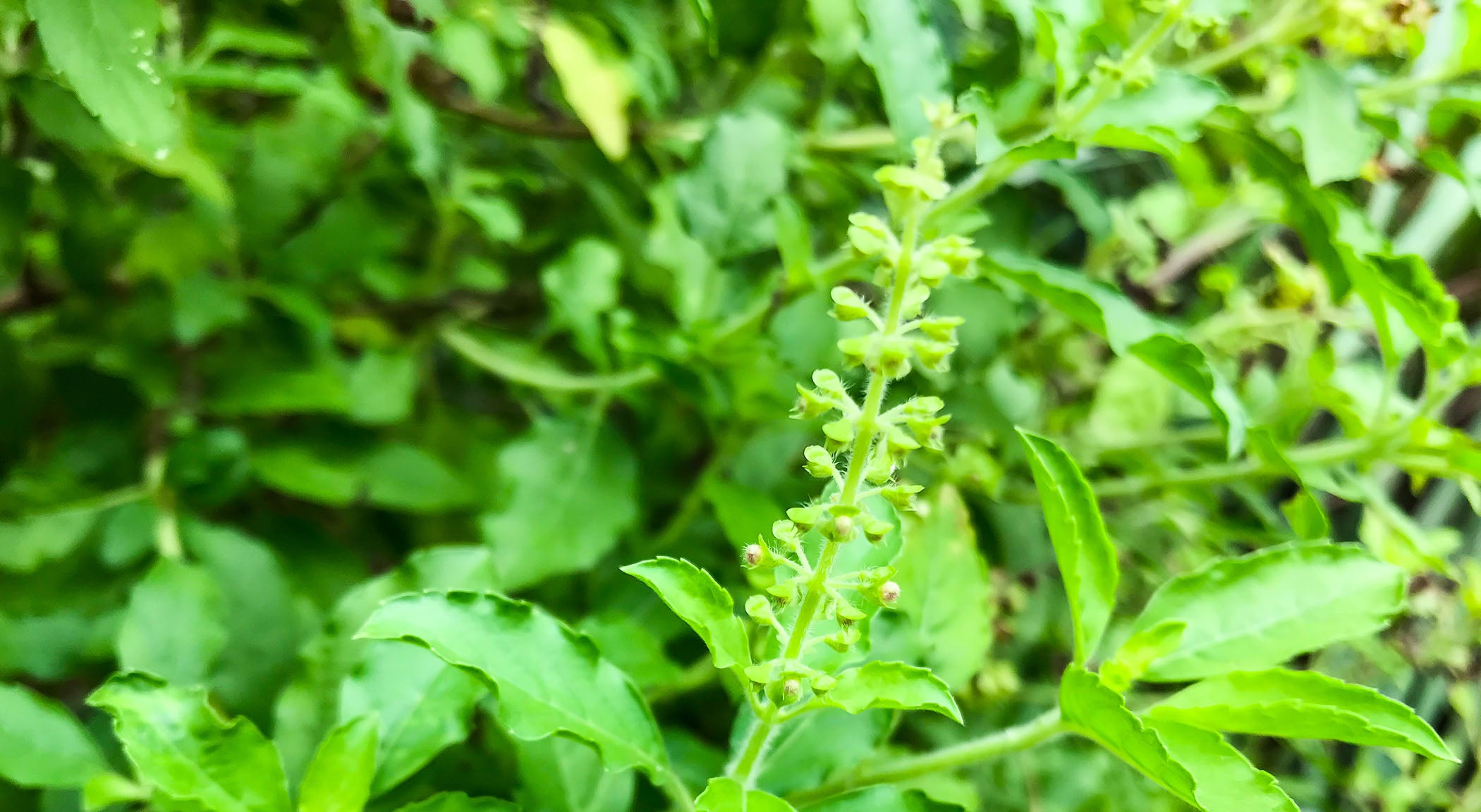
The herb commonly referred to as the queen of herbs is Holy Basil, scientifically known as Ocimum sanctum or Ocimum tenuiflorum. This revered plant holds a significant place in both Ayurvedic medicine and various spiritual practices, particularly in India. Holy Basil is celebrated not only for its distinct flavor and aroma but also for its numerous health benefits and spiritual significance.
Health Benefits of Holy Basil
Holy Basil is renowned for its wide array of health benefits, which include:
- Stress Reduction: Holy Basil is widely used as an adaptogen, helping the body manage stress effectively.
- Anti-Inflammatory Properties: The herb possesses anti-inflammatory compounds, which can help alleviate inflammation-related conditions.
- Immune System Support: Its rich antioxidant content supports a robust immune system.
Culinary Uses of Holy Basil
In culinary traditions, particularly in Southeast Asian cuisines, Holy Basil is utilized for its unique flavor profile:
- Flavoring Agent: It adds a distinct aroma to dishes like curries and soups, making it a favorite in Thai and Indian cooking.
- Tea Preparation: Holy Basil is often brewed into a herbal tea, valued for both its flavor and health benefits.
- Fresh Garnish: Fresh leaves are frequently used as a garnish to enhance the taste of various dishes.
Cultivation of Holy Basil
Planting and caring for Holy Basil requires some specific conditions to thrive:
- Soil Requirements: Well-drained soil enriched with organic matter is ideal for optimal growth.
- Sunlight Exposure: The plant prefers full sunlight but can tolerate partial shade.
- Watering Needs: Regular watering is necessary, but overwatering should be avoided to prevent root rot.
Spiritual Significance of Holy Basil
Holy Basil holds deep spiritual significance in various cultures, especially in Hinduism:
- Religious Symbol: It is considered sacred and often planted around temples and homes to promote spiritual well-being.
- Ritual Importance: The leaves are used in religious rituals and offerings.
- Mental Clarity: It is believed to enhance focus and mental clarity during meditation practices.
Comparative Analysis with Other Herbs
When comparing Holy Basil to other herbs, several unique aspects stand out:
- Adaptogenic Properties: Unlike many herbs, Holy Basil is hailed for its adaptogenic qualities that help the body adapt to stress.
- Nutritional Profile: It is rich in essential oils and vitamins, setting it apart from other common herbs.
- Traditional Uses: While other herbs may focus on culinary aspects, Holy Basil is often intertwined with cultural and spiritual traditions.
What is the mother of all herbs?
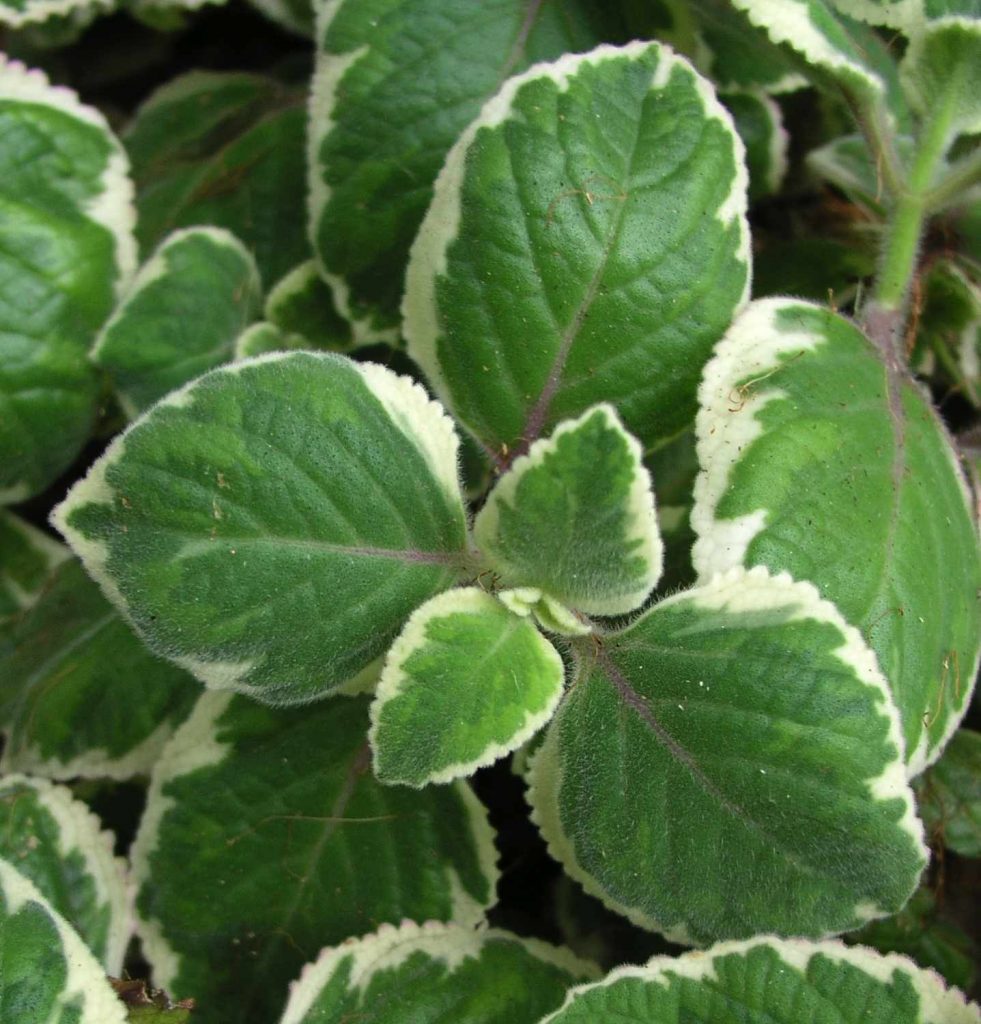
The term mother of all herbs commonly refers to Tulsi (Ocimum sanctum), also known as holy basil. This plant is revered in traditional Ayurvedic medicine and is considered a sacred herb in Hindu culture. Tulsi is celebrated for its various health benefits, including its ability to enhance immunity, reduce stress, and promote overall wellness. The herb is characterized by its aromatic leaves and its adaptability to a range of growing conditions. It has been used for centuries in various forms, including teas, powders, and tinctures. The therapeutic properties attributed to Tulsi are supported by numerous studies highlighting its potential to combat various ailments.
Benefits of Tulsi
Tulsi is associated with numerous health benefits that contribute to its reputation as the mother of all herbs. The following are some of the key advantages of incorporating Tulsi into daily life:
- Immune system support: Tulsi contains compounds that can enhance immune function, helping the body resist infection.
- Stress relief: Known for its adaptogenic properties, Tulsi can assist in reducing stress and anxiety levels.
- Anti-inflammatory effects: The herb possesses anti-inflammatory properties that may help in reducing inflammation throughout the body.
Uses of Tulsi in Traditional Medicine
In traditional medicine, Tulsi is utilized for a wide range of ailments. Practitioners recognize its versatility and effectiveness, which makes it a staple in Ayurvedic remedies. Here are some uses of Tulsi:
- Respiratory health: Tulsi can be used to alleviate symptoms of respiratory conditions such as asthma and bronchitis.
- Digestive issues: It aids digestion and can relieve stomach discomfort.
- Skin care: Tulsi has antibacterial properties, making it beneficial for treating skin infections and maintaining healthy skin.
Cultivation and Growing Conditions
Tulsi is relatively easy to grow, making it accessible to many gardeners. Understanding its cultivation requirements is key to successful growth. The following conditions are ideal for Tulsi:
See also:
- Sunlight: Tulsi thrives in full sun, requiring at least 6 hours of direct sunlight per day.
- Soil: It prefers well-draining soil that is rich in organic matter.
- Watering: Regular watering is essential, but the soil should not become waterlogged.
Tulsi in Culinary Applications
Besides its health benefits, Tulsi is also used in various culinary applications. It adds a distinct flavor to dishes, making it a popular ingredient in many cultures. Here are some culinary uses of Tulsi:
- Herbal teas: Tulsi leaves are steeped to create soothing herbal tea that is enjoyed hot or cold.
- Soups and stews: Fresh or dried Tulsi leaves can enhance the flavor profile of soups and stews.
- Salads: The leaves can be added to salads for a burst of flavor and nutrition.
Scientific Research on Tulsi
A growing body of scientific research supports the medicinal claims associated with Tulsi. Studies have explored its various bioactive compounds and their effects on health. Key findings include:
- Antioxidant properties: Research has shown that Tulsi is rich in antioxidants, which can help protect the body from oxidative stress.
- Antimicrobial effects: Studies indicate that Tulsi has significant antimicrobial properties that may combat harmful bacteria and viruses.
- Potential cancer-fighting compounds: Some studies suggest that certain compounds in Tulsi may inhibit the growth of cancer cells.
What is the king of all herbs?

The title of the king of all herbs is often attributed to basil, specifically sweet basil (Ocimum basilicum). This herb is celebrated not only for its culinary uses but also for its medicinal properties and rich historical significance. Basil is widely used across various cuisines, particularly in Italian, Mediterranean, and Southeast Asian dishes, making it a staple ingredient in kitchens around the world.
The Culinary Importance of Basil
Basil is renowned for its unique flavor, which enhances a variety of dishes. It can be used fresh, dried, or in the form of oils and pastes.
- Flavor Enhancer: Its aromatic profile makes it a perfect complement to tomatoes, garlic, and olive oil, common staples in Italian cooking.
- Versatility: Used in sauces, salads, soups, and garnishes, basil's versatility allows it to suit diverse culinary traditions.
- Herbal Pairing: Basil pairs well with other herbs like parsley and oregano, enriching flavor combinations in various recipes.
Medicinal Properties of Basil
Beyond its flavor, basil possesses several health benefits attributed to its potent compounds.
- Anti-inflammatory: Basil contains essential oils like eugenol, which have been shown to reduce inflammation in the body.
- Antioxidant Rich: The herb is loaded with antioxidants that fight free radicals, promoting overall health and wellness.
- Digestive Aid: Consuming basil may help alleviate digestive issues, as it can enhance the digestive process and reduce bloating.
Basil in Traditional Medicine
Throughout history, basil has been utilized in various traditional medicinal practices, showcasing its importance beyond the kitchen.
- Ayurvedic Uses: In Ayurveda, basil is revered for its ability to balance the body’s systems and enhance mental clarity.
- Traditional Chinese Medicine: Basil is used to relieve stress and respiratory ailments, often incorporated into herbal remedies.
- Historical Significance: In ancient cultures, basil was believed to have protective properties and was used in rituals and ceremonies.
Cultivation and Varieties of Basil
Basil is relatively easy to grow, making it a popular choice for home gardeners. There are numerous varieties, each with its own distinct characteristics.
- Growing Conditions: Basil thrives in warm environments with plenty of sunlight, making it ideal for garden beds and pots.
- Types of Basil: Aside from sweet basil, varieties like Thai basil, lemon basil, and holy basil are favored for their unique flavors and uses.
- Harvesting Tips: Regular pruning encourages growth and can lead to a more robust plant, enhancing both yield and flavor.
The Cultural Significance of Basil
Basil holds significant cultural symbolism in various regions, reflecting its importance beyond nutritional value.
- Symbol of Love: In many cultures, basil is considered a symbol of love and fidelity, often used in wedding ceremonies.
- Culinary Heritage: Countries like Italy and India have developed rich culinary traditions that honor the use of basil in their national dishes.
- Folklore and Myths: Various myths surround basil, often associating it with protection against evil spirits or as a token of luck.
Questions from Our Readers
What is considered the most beautiful herb?
The most beautiful herb is often subjective, but many people consider basil to be the most visually appealing. With its vibrant green leaves and sometimes purple varieties, basil not only enhances dishes but also adds an aesthetic touch to gardens and indoor plants.
Why is basil often referred to as the most beautiful herb?
Basil is often termed the most beautiful herb due to its lush foliage and aromatic qualities. The combination of its fragrance, culinary versatility, and color variations, such as purple basil, makes it a favorite among gardeners and chefs alike.
Are there other herbs known for their beauty?
Yes, several other herbs are known for their beauty, including lavender, with its stunning purple flowers, and chives, which produce beautiful purple pom-pom blooms. These herbs not only offer visual appeal but also provide a range of natural fragrances and culinary uses that enhance their beauty.
How can I grow beautiful herbs in my garden?
To grow beautiful herbs like basil or lavender, ensure they have adequate sunlight, well-drained soil, and proper watering. Regular pruning encourages bushier growth, enhancing their beauty and ensuring vibrant foliage throughout the growing season.
See also:

If you want to read more articles like What is the Most Beautiful Herb? Discover the Top Choices for Your Garden, we recommend you check out our Herbs category.
Leave a Reply
Related Articles