Should You Put Mulch Around Herbs? Benefits and Best Practices Explained

Mulching is a gardening technique often debated among herb enthusiasts. Applying mulch around herbs can significantly impact their growth, health, and overall productivity. While some gardeners swear by its benefits, others are unsure about its necessity. In this article, we will explore the advantages of using mulch in herb gardens, including moisture retention, weed suppression, and temperature regulation. Additionally, we will discuss best practices for selecting and applying mulch to ensure that your herbs thrive. Whether you're a seasoned gardener or just starting, understanding the role of mulch can enhance your herb-growing experience and yield impressive results.
Should You Put Mulch Around Herbs?
Mulching around herbs can be a beneficial practice for both the health of the plants and the surrounding soil environment. Applying a layer of mulch helps to retain moisture, suppress weeds, and regulate soil temperature, which can be particularly advantageous during extreme weather conditions. Organic mulches, such as wood chips or straw, gradually decompose, adding nutrients back into the soil, which enhances the growth of the herbs. However, it's essential to apply the mulch correctly; too thick a layer may hinder water penetration or promote rot, while the choice of mulch type can impact the health and flavor of certain herbs.
Benefits of Mulching Herbs
Mulching herbs provides several advantages, such as moisture retention that reduces the need for frequent watering. It also creates a barrier against weed growth, allowing your herbs to thrive without competition for nutrients and light. Additionally, mulch can fortify the soil through a gradual breakdown process, enriching it with organic matter that supports the overall health of the plants.
Types of Mulch Suitable for Herbs
When selecting mulch for herbs, organic options like straw, shredded leaves, and bark are generally preferred due to their beneficial properties. These materials not only improve soil quality as they decompose but also add natural aesthetics to your garden. However, some gardeners may opt for inorganic mulches like gravel or plastic, especially if they aim for a longer-lasting solution that doesn't break down over time.
How to Apply Mulch Effectively
To effectively apply mulch around herbs, start by removing any weeds from the area. Then, spread a layer of mulch, ideally about 2-3 inches thick, around the base of the plants. It's crucial to keep the mulch a few inches away from the stems to prevent rot and other moisture-related issues. Regularly check the mulch for thickness and replenish it as needed throughout the growing season.
Potential Challenges with Mulching
While mulching has many benefits, there are also potential challenges to consider. For instance, using the wrong type of mulch can lead to nutrient depletion or pests, particularly if not adequately maintained. Additionally, if the mulch layer is too thick, it can create a habitat for fungus and mold or impede water and air from penetrating to the roots of the herbs effectively.
Impact on Herb Flavors and Growth
The type of mulch used can affect the flavor profiles of certain herbs. For example, using aromatic mulch, such as pine needles, may impart a subtle taste to the plants over time. Moreover, the improved soil health facilitated by organic mulching can lead to stronger growth and more robust flavors in the herbs. Some studies suggest that the interaction between mulch and specific herbs can be beneficial, enhancing both their growth rates and flavors.
| Factor | Benefit |
|---|---|
| Moisture Retention | Less frequent watering needed |
| Weed Suppression | Less competition for nutrients |
| Soil Temperature Regulation | Optimal growth conditions |
| Organic Matter Addition | Improved soil health |
| Pest Deterrence | Healthier plants overall |
Should I mulch around my herbs?
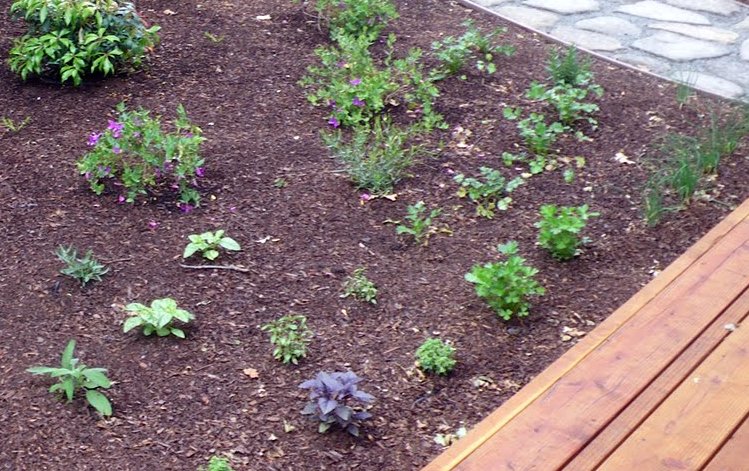
Mulching around your herbs can provide various benefits that enhance their growth and health. Here are some detailed insights about the practice, along with related subtopics.
Benefits of Mulching
Mulching offers several advantages for herb gardens. It helps maintain soil moisture, suppresses weeds, and regulates soil temperature. The types of materials used as mulch can vary, but organic options are often preferred due to their additional benefits.
- Retention of Soil Moisture: Mulch acts as a barrier, reducing evaporation and keeping the soil consistently moist.
- Weed Suppression: A thick layer of mulch can prevent weeds from germinating, reducing competition for nutrients and water.
- Soil Temperature Regulation: Mulch helps insulate the soil, maintaining a more stable temperature for the roots of herbs.
Types of Mulch Suitable for Herbs
There are various types of mulch that can be beneficial for herbs. Each type has its unique properties and advantages, so selecting the right one is essential for your specific needs.
- Organic Mulch: Examples include straw, wood chips, and shredded leaves. They decompose over time, enriching the soil.
- Inorganic Mulch: Materials like gravel or landscape fabric provide a longer-lasting option but do not contribute nutrients.
- Living Mulch: Planting low-growing herbs or ground covers can provide the benefits of mulching while enhancing the aesthetic appeal.
When to Apply Mulch
Timing is crucial when it comes to mulching herbs. Applying mulch at the right time can maximize its benefits and ensure healthy herb growth.
- Early Spring: Applying mulch in early spring can help retain moisture as temperatures begin to rise.
- After Planting: If you’ve just planted herbs, adding mulch can protect them from extreme weather conditions.
- During Dry Spells: Adding a layer of mulch during particularly dry periods can help mitigate water loss from the soil.
Potential Drawbacks of Mulching
While mulching is beneficial, there can be some downsides to consider. Understanding these can help you make an informed decision.
See also:
- Over Mulching: Adding too much mulch can suffocate the roots and affect drainage, leading to root rot.
- Pest Attraction: Certain organic mulches may attract pests, potentially harming your herb plants.
- Nutrient Competition: As organic mulch decomposes, some materials can temporarily tie up nutrients, reducing their availability for your herbs.
Best Practices for Mulching Herbs
To maximize the benefits of mulching herbs, follow these best practices. Proper application techniques can lead to healthier plants and a more productive garden.
- Correct Layer Thickness: Apply a layer of mulch about 2-4 inches thick for optimal moisture retention without suffocating plants.
- Avoid Contact with Stems: Keep mulch away from herb stems to prevent rot and disease.
- Monitor and Refresh: Regularly check the mulch layer and replenish or refresh it as needed, especially if it breaks down or gets compacted.
What plants should you not mulch around?

Mulching is a beneficial practice for many plants, providing moisture retention, temperature regulation, and weed control. However, not all plants thrive when mulched. Certain plants can be sensitive to the effects of mulch, either because it retains too much moisture, promotes fungal diseases, or interferes with their natural growth patterns. Here are some plants you should avoid mulching around:
1. Air Plants (Tillandsia):
Air plants derive moisture and nutrients from the air rather than the soil. Applying mulch can trap moisture around the base, which can cause rot.
- They prefer good air circulation.
- Mulch may retain too much moisture.
- Excess moisture promotes fungal growth.
2. Succulents:
Succulents are adapted to arid environments, and over-mulching around them can lead to root rot and other moisture-related issues.
- Succulents thrive in well-draining soil.
- Mulch can hold moisture against the plant.
- Excess moisture may inhibit growth.
3. Cacti:
Similar to succulents, cacti are not suited for a mulched environment due to their preference for dry conditions.
- Cacti need their roots to dry out quickly.
- Mulch can lead to an excessively wet environment.
- Moisture can cause root rot.
4. Certain Perennials (e.g., Peonies):
Some perennials, like peonies, do not require mulch, and applying it can cause problems with their growth or flowering.
- Peonies prefer to have their crowns exposed.
- Mulch may encourage fungal diseases.
- Over-mulching can prevent proper drainage.
5. Bulbs (e.g., Tulips and Daffodils):
Bulbs should not be heavily mulched, especially in wet climates, as it can lead to the bulbs rotting beneath the surface.
- Bulbs need to breathe and dry out.
- Heavy mulch can suffocate bulbs.
- Moisture retention can cause decay.
Should you put mulch around basil?
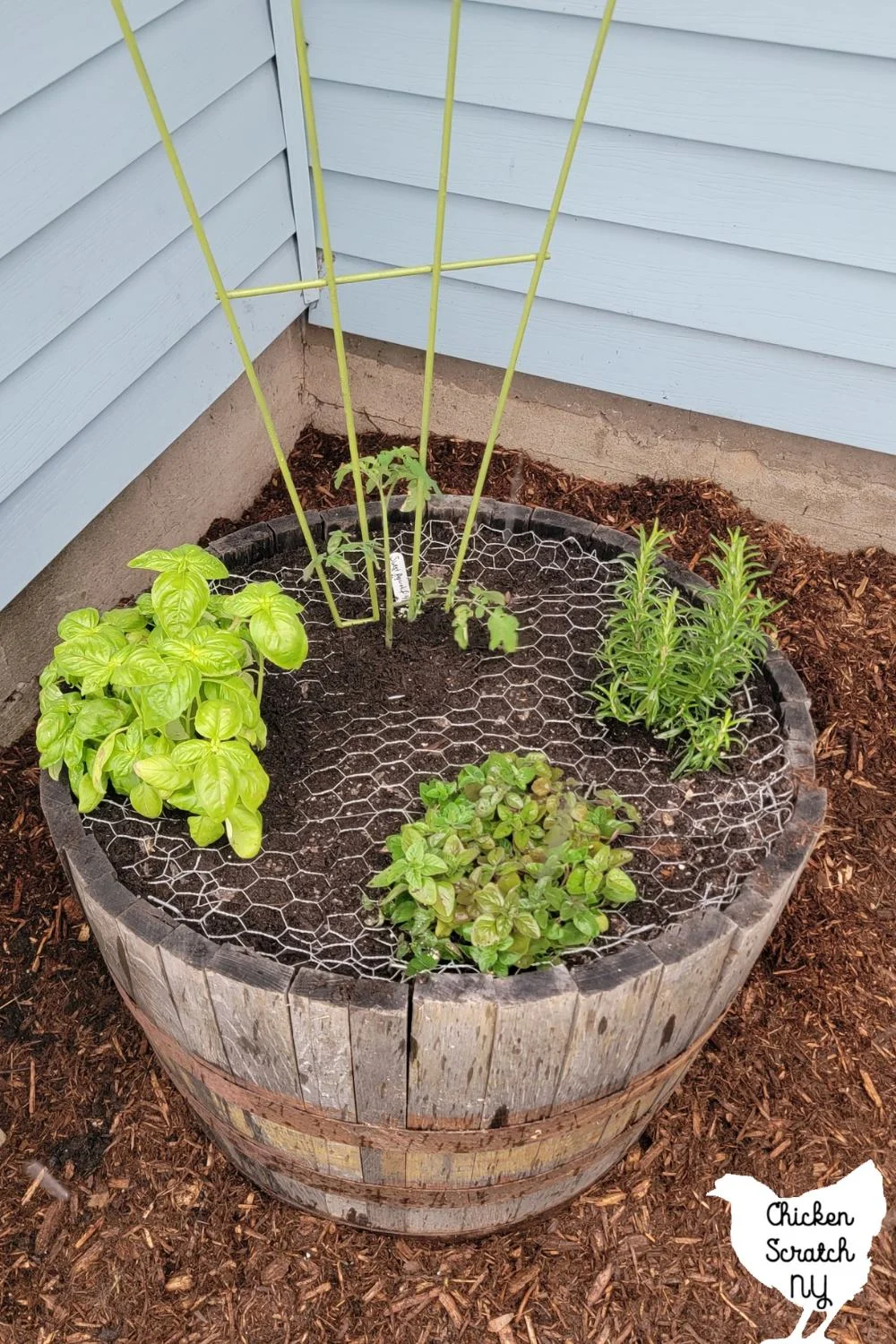
Mulching around basil can be beneficial for several reasons. Applying mulch helps to retain moisture in the soil, suppress weeds, and regulate soil temperature. Basil, being a warm-weather herb, thrives best under conditions that promote a stable environment.
When considering the application of mulch around basil, here are some key advantages to keep in mind:
Benefits of Mulching Basil
Mulching provides multiple benefits to basil plants.
- Moisture Retention: Mulch acts as a barrier that reduces water evaporation, ensuring that the soil remains moist. This is particularly important for basil, as dry soil can negatively affect its growth.
- Weed Suppression: A layer of mulch can prevent weeds from taking root, which competes with basil for nutrients and water. By minimizing weeds, your basil can grow unhindered.
- Soil Temperature Regulation: Mulch helps to keep the soil temperature consistent, which is crucial for the healthy growth of basil. It protects the roots from extreme temperatures.
Types of Mulch Suitable for Basil
Choosing the right type of mulch for basil is essential for maximizing the benefits.
See also:
- Organic Mulch: Materials like straw, grass clippings, or shredded leaves not only provide insulation but also decompose over time, adding nutrients to the soil.
- Wood Chips: While they break down slowly, wood chips can offer a long-lasting mulch solution that suppresses weeds effectively.
- Inorganic Mulch: Options like plastic mulch can be effective in retaining soil warmth and controlling weeds, but they don’t contribute nutrients back to the soil.
Applying Mulch Around Basil
Proper application of mulch is crucial for its effectiveness.
- Depth: Aim for a mulch layer of about 2 to 3 inches. This thickness will provide the benefits without suffocating the basil plants.
- Distance: Keep the mulch a few inches away from the plant stems to prevent moisture accumulation that can lead to rot.
- Timing: Apply mulch after the soil has warmed up in the spring and the risk of frost has passed, which is typically when basil is planted.
Disadvantages of Mulching Basil
While there are many advantages, it is also important to be aware of potential drawbacks.
- Excess Moisture: If mulch is applied too thickly or remains on the plants, it can retain too much moisture, which may lead to diseases.
- Pest Habitats: Certain types of mulch can become a habitat for slugs and other pests that might harm the basil plants.
- Temperature Fluctuation: In some cases, certain types of mulch can initially raise soil temperatures too much, which could stress young plants.
Maintenance of Mulched Basil
Maintaining mulched basil beds is essential for sustaining plant health.
- Regular Checks: Periodically check for any signs of pest infestations or mold growth in the mulch.
- Replenishing Mulch: Organic mulch will decompose over time, so it's important to replenish it every few months to maintain its benefits.
- Watering Adjustments: With mulch in place, you may need to adjust your watering schedule, as the soil will retain moisture longer.
Should you mulch around rosemary?
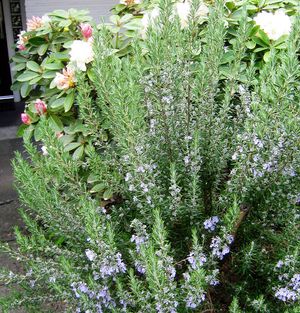
Mulching around rosemary is a topic that often generates interest among gardeners, particularly those cultivating this herb in home gardens. Below is a detailed examination of whether it is beneficial to mulch around rosemary, including related subtopics.
Benefits of Mulching Rosemary
Mulching around rosemary can provide several benefits that enhance the health and growth of the plant. The key advantages include:
- Moisture Retention: Mulch helps retain soil moisture, which is particularly important during dry periods. This can reduce the frequency of watering needed.
- Weed Suppression: A layer of mulch reduces competition from weeds, allowing rosemary to receive nutrients without interference.
- Temperature Regulation: Mulch can help maintain a stable soil temperature, protecting roots from extreme heat or cold.
Types of Mulch Suitable for Rosemary
Not all types of mulch are appropriate for rosemary. Choosing the right type is crucial. Suitable options include:
- Organic Mulch: Materials like shredded bark, straw, or wood chips are ideal as they decompose slowly and enrich the soil.
- Gravel or Stone: In contrast to organic options, these do not decompose and can help with drainage, making them suitable for rosemary’s love for dry conditions.
- Black Plastic: While unconventional, this can provide some thermal benefits and moisture retention, although it might require careful management to avoid waterlogging.
When to Apply Mulch
Timing is important for effective mulching. The best periods to apply mulch around rosemary include:
- Spring: Applying mulch in early spring helps retain moisture as temperatures rise, promoting new growth.
- Autumn: Adding mulch in the fall protects the roots from cold temperatures during winter, particularly in areas with harsher climates.
- After Planting: It’s beneficial to mulch after planting newly established rosemary to help with root stabilization and moisture retention.
Potential Risks of Mulching Rosemary
While there are advantages to mulching, certain risks can arise if not managed correctly:
- Over-Mulching: Excessive mulch can lead to root rot due to poor drainage, especially if using organic mulch that retains too much moisture.
- Pest Attraction: Some types of mulch may attract pests, which could harm rosemary plants.
- Soil Nutrient Imbalance: Certain mulches may alter the soil pH or nutrient content over time, potentially affecting rosemary’s health.
Best Practices for Mulching Rosemary
To ensure successful mulching, consider the following best practices:
- Layer Thickness: Apply a layer of 2-4 inches of mulch, avoiding excessive buildup that could prevent air circulation.
- Distance from Stems: Keep mulch a few inches away from the plant stems to prevent moisture retention around the base, which can lead to rot.
- Monitor Conditions: Regularly check the moisture levels of the soil beneath the mulch and adjust as necessary to ensure rosemary remains healthy.
Questions from Our Readers
Should you put mulch around herbs?
Yes, placing mulch around herbs can benefit their growth. Mulch helps retain soil moisture, suppresses weed growth, and can regulate soil temperature, creating a more favorable environment for herbs to thrive.
What type of mulch is best for herbs?
When choosing mulch for herbs, consider using organic materials such as straw, wood chips, or shredded leaves. These options not only help with moisture retention but also break down over time, enriching the soil with nutrients.
How thick should the mulch layer be around herbs?
The mulch layer around herbs should ideally be about 2 to 4 inches thick. This thickness helps suppress weeds and maintain moisture without risking suffocation of the herb roots or promoting rot.
See also:
Can mulch attract pests or diseases on herbs?
While mulch has many benefits, it can sometimes attract pests or harbor diseases if it is not managed properly. To minimize these risks, ensure the mulch is clean, aerated, and regularly maintained to prevent issues.

If you want to read more articles like Should You Put Mulch Around Herbs? Benefits and Best Practices Explained, we recommend you check out our Herbs category.
Leave a Reply
Related Articles