Where is the Best Place to Put an Herb Garden? Tips for Optimal Growth

Growing an herb garden can be a rewarding and flavorful addition to any home. However, selecting the right location for your herb garden is crucial for ensuring optimal growth. Factors such as sunlight, soil quality, and accessibility play significant roles in the health and productivity of your herbs. In this article, we will explore the best spots to plant your herbs, offering practical tips and considerations to help you create a thriving garden. Whether you have a spacious backyard or a small balcony, understanding these key elements will enable you to cultivate a flourishing herb garden that enhances your culinary experiences.
Best Locations for Your Herb Garden
Placing your herb garden in a strategic location is crucial for ensuring optimal growth and flavor. Ideally, you should choose a spot that receives at least 6 to 8 hours of direct sunlight each day, as herbs thrive in bright light. Additionally, it's essential to consider the drainage of the soil; a location that doesn’t pool water will help prevent root rot. Proximity to your kitchen can also enhance convenience, allowing for easy access when cooking. Finally, be mindful of wind exposure; a slightly sheltered area may protect delicate herbs from harsh weather conditions, ensuring your herb garden flourishes.
Sunlight Requirements
Herbs typically flourish when they receive a minimum of 6 hours of direct sunlight daily. Consequently, choosing a south-facing spot in your garden or balcony can be beneficial. Shadow from nearby trees or buildings may stunt growth, so it’s advisable to observe the sunlight patterns throughout the day before planting. Adequate sunlight encourages herbs like basil, rosemary, and thyme to grow robustly and develop rich flavors.
Soil Drainage
Herbs prefer well-drained soil that retains moisture without becoming waterlogged. To ensure excellent drainage, consider raised beds or containers, particularly if the natural soil in your yard has compacted clay characteristics. You can also amend your garden soil with organic matter, such as compost or sand, to enhance its structure. Make sure to test the drainage by watering the area and observing how quickly the water absorbs, thus preventing root rot and promoting optimal herb health.
Proximity to the Kitchen
Having your herb garden close to your kitchen can save you time and effort while cooking. Storing herbs within arm's reach encourages more frequent use and inspires culinary creativity. Whether you opt for window boxes, vertical gardens, or traditional garden beds, keeping herbs nearby enhances the overall cooking experience. A quick snip of fresh basil or cilantro right before cooking can elevate your dish significantly.
Wind Exposure
Wind can be particularly damaging for delicate herbs, as it can dry them out or even break their stems. To mitigate this, consider positioning your herb garden in a location that is shielded from strong gusts. Planting herbs near a fence or wall can create a natural windbreak, providing necessary protection. Alternatively, consider using garden trellises or row covers to safeguard your young plants until they establish robust growth.
Container vs. In-Ground Planting
When planning your herb garden, consider whether you want to plant directly in the ground or use containers. Container gardening offers flexibility, as you can move pots to optimize sunlight exposure and protect them from extreme weather. It also allows for better control over soil quality and drainage. On the other hand, planting herbs directly into the ground can create a larger, more robust garden if space permits. Evaluate your available area and preferences to decide the best method for your herb garden.
| Aspect | Ideal Condition |
|---|---|
| Sunlight | 6-8 hours of direct sunlight |
| Soil Drainage | Well-drained soil |
| Proximity | Close to kitchen |
| Wind | Sheltered from strong winds |
| Planting Method | Containers or in-ground |
Where is the best place for an herb garden?
:max_bytes(150000):strip_icc()/SPR-herb-garden-ideas-7370817-hero-4ec27ed7a3a245d2bdd0f3e4f61a8a86.jpg)
The best place for an herb garden typically combines sunlight exposure, good soil drainage, and accessibility. Herbs generally thrive in locations that provide at least six hours of sunlight each day. Additionally, herbs benefit from well-draining soil to prevent root rot. The selection of the location will depend on whether the garden is to be outdoor or indoor.
Choosing the Right Location
When selecting a location for your herb garden, consider the following factors:
- Sunlight: Most herbs require full sun, so choose a spot that gets plenty of light throughout the day.
- Accessibility: Ensure the area is easily reachable for watering, harvesting, and maintenance.
- Protection from Wind: A sheltered area can help prevent damage from strong winds.
Outdoor Herb Garden Options
For outdoor gardens, several locations can be ideal:
- Raised Beds: These not only provide excellent drainage but also allow for easier access for maintenance.
- Container Gardens: Utilizing pots or containers allows flexibility in placement and creates a mobile herb garden.
- Alongside Sunny Walls or Fences: Using vertical space can maximize sunlight exposure and create an attractive garden display.
Indoor Herb Garden Placement
For those who prefer cultivating herbs indoors, consider these placements:
- Near Windows: A kitchen windowsill can be a perfect spot for herbs, receiving sufficient light and being easily accessible when cooking.
- In a Sunroom: If available, a sunroom can provide a bright, warm environment ideal for growing herbs.
- Under Grow Lights: If natural light is limited, using grow lights can effectively stimulate growth.
Soil and Drainage Considerations
The quality of soil and drainage needs to be considered for a successful herb garden:
See also:
- Well-Draining Soil: A mix of garden soil and organic matter, like compost, ensures good drainage.
- Drainage Holes: For pots and containers, ensure they have sufficient drainage holes to prevent waterlogging.
- Soil pH: Testing the soil pH can help maintain it at an optimal range (usually around 6-7 for most herbs).
Climate and Seasonal Considerations
Climate plays a significant role in choosing the best location:
- Hardiness Zone: Knowing your zone can guide which herbs will thrive in your area.
- Seasonal Sunlight: Be aware of how the sun's position changes with the seasons, affecting available light.
- Temperature Fluctuations: Consider protective measures for herbs during extreme weather conditions, such as frost or intense heat.
What is the best position for a herb garden?

To establish a successful herb garden, the position of the garden is crucial. Herbs thrive best in specific conditions, combining elements such as sunlight, soil type, and protection from harsh weather. The ideal location for a herb garden combines these factors, promoting healthy growth and abundance. Generally, herbs prefer a spot that receives full sun for at least 6 to 8 hours daily, with well-drained soil that maintains moisture without becoming waterlogged.
Sunlight Requirements
Herbs require adequate sunlight for optimal growth. Without sufficient light, herbs may become leggy and less flavorful.
- Full Sun Exposure: Most herbs, including basil and rosemary, thrive in full sun conditions.
- Partial Shade: Some herbs, like mint and parsley, can tolerate partial shade but still need some sunlight for their growth.
- Rotating Locations: Consider rotating herbs to different locations during different seasons to maximize sunlight exposure.
Soil Conditions
The composition of soil is another essential factor in determining the best position for a herb garden. Ideal soil promotes healthy drainage and nutrient availability.
- Well-Drained Soil: Herbs prefer soil that drains well to prevent root rot.
- pH Level: A slightly acidic to neutral pH (6.0 to 7.0) is perfect for most herbs.
- Organic Matter: Incorporating organic matter such as compost can improve soil quality.
Wind Protection
Many herbs are sensitive to harsh winds, which can damage foliage and dry out plants. The positioning should consider environmental factors affecting wind exposure.
- Natural Barriers: Plant herbs near natural windbreaks like fences or shrubs.
- Container Gardening: Using pots can help in relocating herbs to sheltered areas during storms.
- Raised Beds: Building raised beds can reduce the impact of strong winds on your herb garden.
Accessibility
The location of your herb garden should also account for accessibility, making it easy to tend to the plants.
- Proximity to the Kitchen: Planting herbs near the kitchen allows for easy access while cooking.
- Pathways for Maintenance: Ensure clear pathways for watering, pruning, and harvesting.
- Height Considerations: Position taller herbs away from lower-growing varieties to avoid shading.
Environmental Conditions
Beyond sunlight and soil, additional external environmental conditions also play a role in positioning your herb garden.
- Temperature Zones: Herbs generally prefer a consistent temperature, so choose a location insulated from temperature extremes.
- Humidity Levels: Consider the humid conditions that certain herb varieties might require for optimal growth.
- Climate Adaptation: Choose herbs that are native or well-adapted to your local climatic conditions.
Do herbs grow better in pots or ground?

Herbs can thrive in both pots and the ground, but the choice largely depends on various factors such as climate, available space, and the specific type of herb being grown. Here are some aspects to consider when determining whether herbs grow better in pots or in the ground.
Soil Quality
The quality of soil is crucial for herb growth. Herbs generally prefer well-draining soil rich in organic matter. In pots, you can control the soil mixture more effectively, ensuring it meets the specific needs of the herbs you are growing.
- Potting Mix: Commercial potting mixes can provide the right balance of nutrients and drainage.
- Soil Amendments: You can easily amend the soil in pots with compost or fertilizers.
- Ground Soil Challenges: Soil quality in the ground may vary significantly; it can be compacted, lack nutrients, or suffer from poor drainage.
Space Limitations
Space is another critical factor to consider. If you have limited gardening space, pots can be an excellent solution for growing herbs.
- Vertical Gardening: Pots can be stacked or hung, utilizing vertical space.
- Mobility: You can move pots to take advantage of light and temperature conditions.
- Ground Space: Growing herbs in the ground requires more space and can be challenging in small yards or patios.
Environmental Control
Potted herbs offer greater control over environmental factors such as moisture, light, and temperature.
See also:
- Water Management: You can easily monitor and adjust watering schedules for potted herbs.
- Sun Exposure: Pots can be moved to ensure adequate sunlight, which is essential for herb growth.
- Temperature Regulation: In cooler climates, pots can be brought indoors to protect herbs from frost.
Pest and Disease Management
Growing herbs in pots can also aid in managing pests and diseases more effectively than in-ground planting.
- Isolation: Potted herbs are often easier to isolate if pest problems arise.
- Preventive Measures: Implementing preventive measures such as neem oil or insecticidal soap is more straightforward.
- Ground Risks: Herbs in the ground may be more susceptible to soil-borne diseases and pests.
Harvesting and Maintenance
The method of growing herbs—whether in pots or the ground—can affect how easy they are to maintain and harvest.
- Accessibility: Potted herbs can be placed at convenient heights for easy access during harvesting.
- Weeding: Weeding is often less of a concern in pots, as they typically have fewer competitors.
- Ground Growing: Ground herbs may require more maintenance, including weeding and mulching to prevent competition.
What is the best layout for an herb garden?
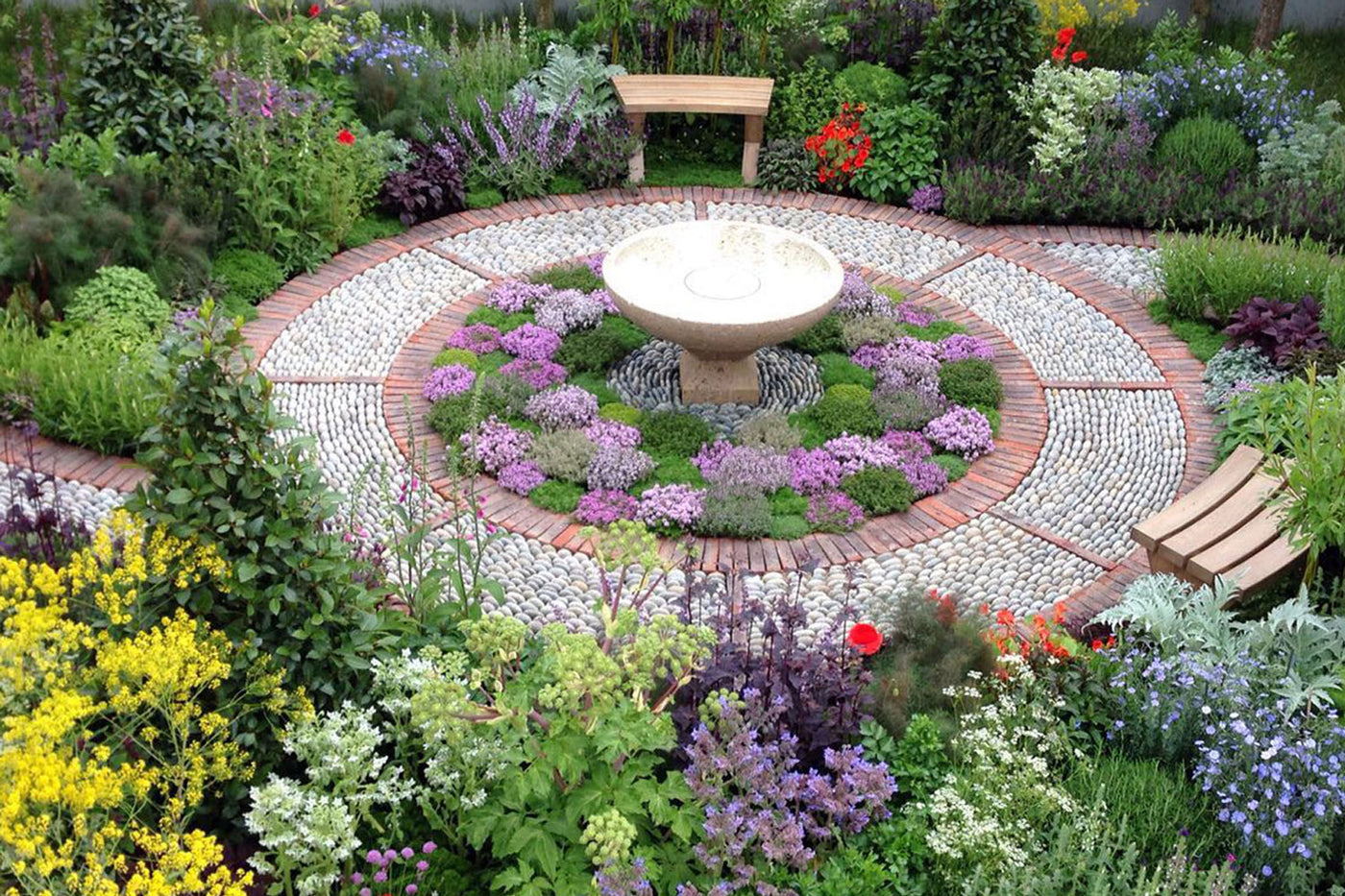
The best layout for an herb garden depends on several factors, including the available space, sunlight, access to water, and the specific types of herbs being grown. A well-planned layout can maximize growth and make maintenance easier. Here are some essential aspects to consider when planning your herb garden layout.
Understanding Herb Garden Types
Different types of herb gardens can influence your layout choice. Here are some popular styles:
- Traditional in-ground garden: Utilizes a dedicated patch in your yard or garden.
- Container garden: Provides flexibility and is perfect for those with limited space.
- Vertical garden: Ideal for maximizing space; herbs are planted on vertical structures.
- Raised beds: Improves drainage and soil quality, making herbs easier to manage.
Sunlight and Microclimates
Understanding the sunlight requirements of different herbs is crucial. Most herbs thrive in full sun, but some prefer partial shade. Consider how sunlight affects your layout:
- Identify sunniest spots: Locate areas that receive at least 6-8 hours of direct sunlight.
- Group plants: Place sun-loving herbs like basil and rosemary together.
- Create barriers: Use taller plants as shields to protect shade-loving herbs like mint.
Space and Accessibility
A well-thought-out layout should consider how much space each herb needs and how easily they can be accessed for harvesting and maintenance:
- Spacing guidelines: Follow recommended spacing for each herb to prevent overcrowding.
- Pathways: Include pathways for easy navigation between plants.
- Accessibility: Ensure that all plants can be easily reached for watering, pruning, and harvesting.
Companion Planting
Companion planting can enhance the growth of herbs and help deter pests. Some strategies include:
- Mixing herbs and flowers: Incorporate flowers that attract beneficial insects.
- Grouping herbs: Plant basil with tomatoes to improve growth and flavor.
- Avoiding competition: Be mindful of herbs that may compete for nutrients, such as mint and parsley.
Watering and Drainage
Effective watering and drainage are crucial for the health of your herbs. Consider the following:
- Watering systems: Plan for a watering method that suits your garden type, like drip irrigation or hand-watering.
- Drainage solutions: Ensure good drainage to prevent root rot; raised beds often help with this.
- Soil selection: Use well-draining soil to promote healthy root growth.
Questions from Our Readers
Where is the best location for an herb garden?
The best location for an herb garden is in a spot that receives at least 6-8 hours of direct sunlight each day. Herbs thrive in sunny areas, which helps promote healthy growth and strong flavors. Consider placing your garden near a south-facing wall or in an area that isn't shaded by trees or buildings.
Can I grow an herb garden indoors?
Yes, you can successfully grow an herb garden indoors as long as you ensure that they receive adequate light. Using grow lights can help supplement natural light, especially during the winter months. Choose a sunny windowsill or location where herbs can get the necessary light exposure to grow effectively.
What type of soil is best for an herb garden?
Herbs prefer well-draining soil that is rich in organic matter. A mix of potting soil with added compost or well-rotted manure can create the ideal environment for healthy herb growth. It's important to avoid overly compacted or heavy soils which can lead to root rot and other issues.
Should I put my herb garden in containers or in the ground?
Whether to use containers or plant herbs directly in the ground depends on your space and preferences. Containers provide flexibility, are easier to manage, and can be moved to capture the most sunlight, while ground planting allows for more space for growth. Both options can yield successful herb gardens when managed properly.
See also:

If you want to read more articles like Where is the Best Place to Put an Herb Garden? Tips for Optimal Growth, we recommend you check out our Herbs category.
Leave a Reply
Related Articles