What Happens If You Sprinkle Cinnamon on Plants? Benefits and Effects Explained
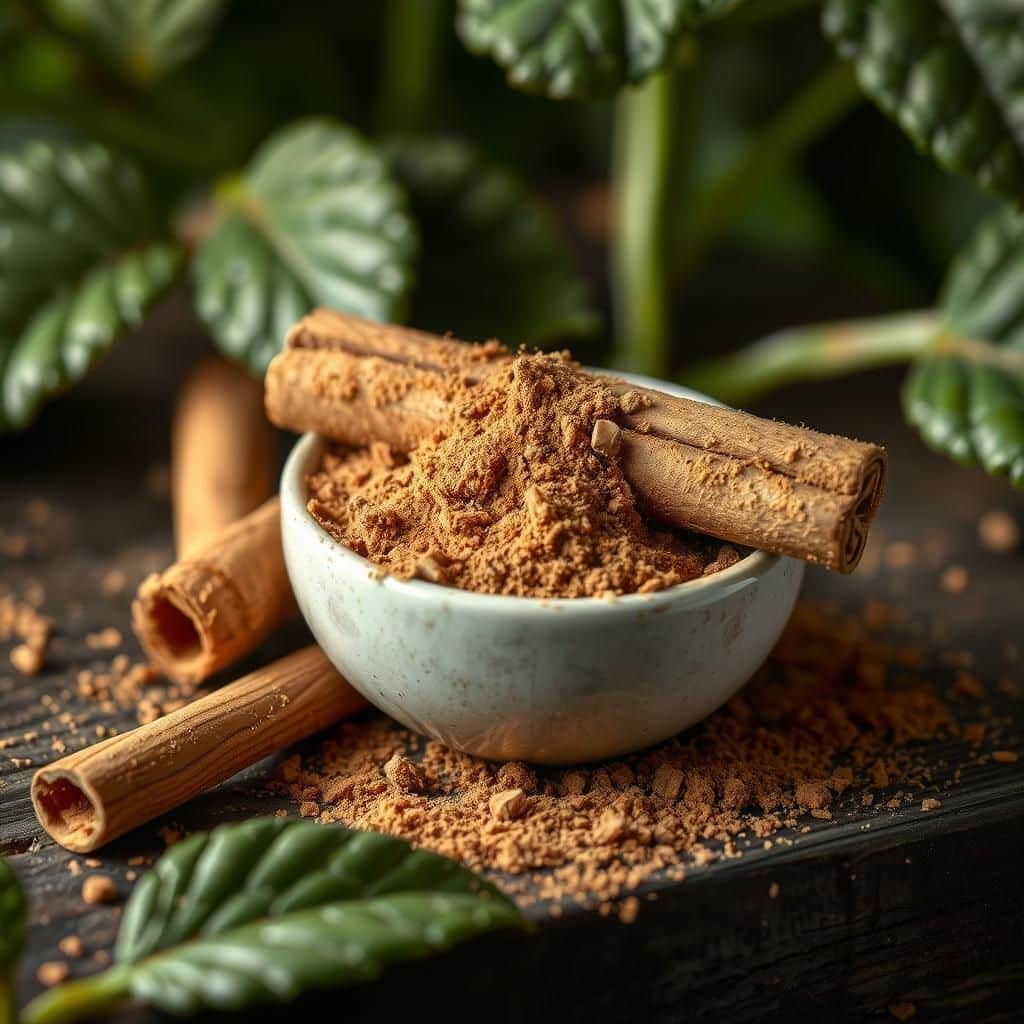
Cinnamon is a popular spice known for its distinct flavor and aroma, but its benefits extend beyond the kitchen. Gardeners and plant enthusiasts often wonder about the effects of sprinkling cinnamon on their plants. This simple practice may seem unconventional, yet it holds numerous potential advantages. From acting as a natural fungicide to enhancing plant growth, cinnamon can play a significant role in plant care. In this article, we will explore the various benefits and effects of using cinnamon on plants, helping you to understand how this common spice can contribute to a healthier and more vibrant garden.
Effects of Sprinkling Cinnamon on Plants
Sprinkling cinnamon on plants can have several beneficial effects due to its natural antifungal and antibacterial properties. When applied to the soil or directly on the leaves, cinnamon acts as a protective agent that helps prevent the growth of harmful pathogens, thereby safeguarding the plant's health. Additionally, it can promote the growth of new roots when used as a rooting hormone for cuttings, making it a popular choice among gardeners. The aromatic spice also contains cinnamaldehyde, which can deter pests and insects, creating a healthier environment for plant growth without the use of harsh chemicals.
Antifungal Properties
Cinnamon possesses natural antifungal properties that can help combat various fungal infections in plants. When sprinkled on the soil or the plant's foliage, cinnamon can inhibit the growth of fungi such as powdery mildew and root rot, promoting a healthier plant ecosystem. This is particularly beneficial for new seedlings or struggling plants that might be susceptible to such diseases.
Pest Deterrent
The scent of cinnamon is known to repel certain pests, including ants, fungus gnats, and even mosquitoes. By sprinkling cinnamon around your plants, you can create an environment that discourages these unwanted insects, effectively protecting your plants from potential damage without resorting to chemical pesticides. This organic approach is not only safer for the plants but also for the surrounding ecosystem.
Rooting Hormone
Cinnamon can function effectively as a rooting hormone when propagating plants from cuttings. The presence of cinnamaldehyde in cinnamon promotes root development and can help to prevent diseases during the rooting process. By lightly coating the cut end of a stem cutting with cinnamon before planting it in soil, gardeners often see an improvement in root formation and overall plant resilience.
Enhancing Soil Quality
When incorporated into the soil, cinnamon can improve soil quality by promoting healthy microbial activity. This beneficial interaction can create a balanced soil environment, crucial for sustaining plant growth. Furthermore, the nutrients released from cinnamon can contribute positively to the nutrient content of the soil, providing an additional boost to plant health.
Usage and Application
To utilize cinnamon effectively, it's best to sprinkle a moderate amount of the powder around the base of the plants or mix it into potting soil. For cuttings, dip the cut end into cinnamon before placing it in the soil. It's essential to use Ceylon cinnamon, as it contains lower levels of coumarin, which can be harmful in large quantities. Regular application can yield beneficial results, but overuse should be avoided to prevent any potential negative effects on the plants.
| Property | Benefit |
|---|---|
| Antifungal | Prevents fungal infections |
| Pest Deterrent | Repels unwanted insects |
| Rooting Hormone | Encourages root development |
| Soil Quality | Enhances microbial activity |
| Application | Easy to use for plant care |
Can I sprinkle cinnamon directly on plants?
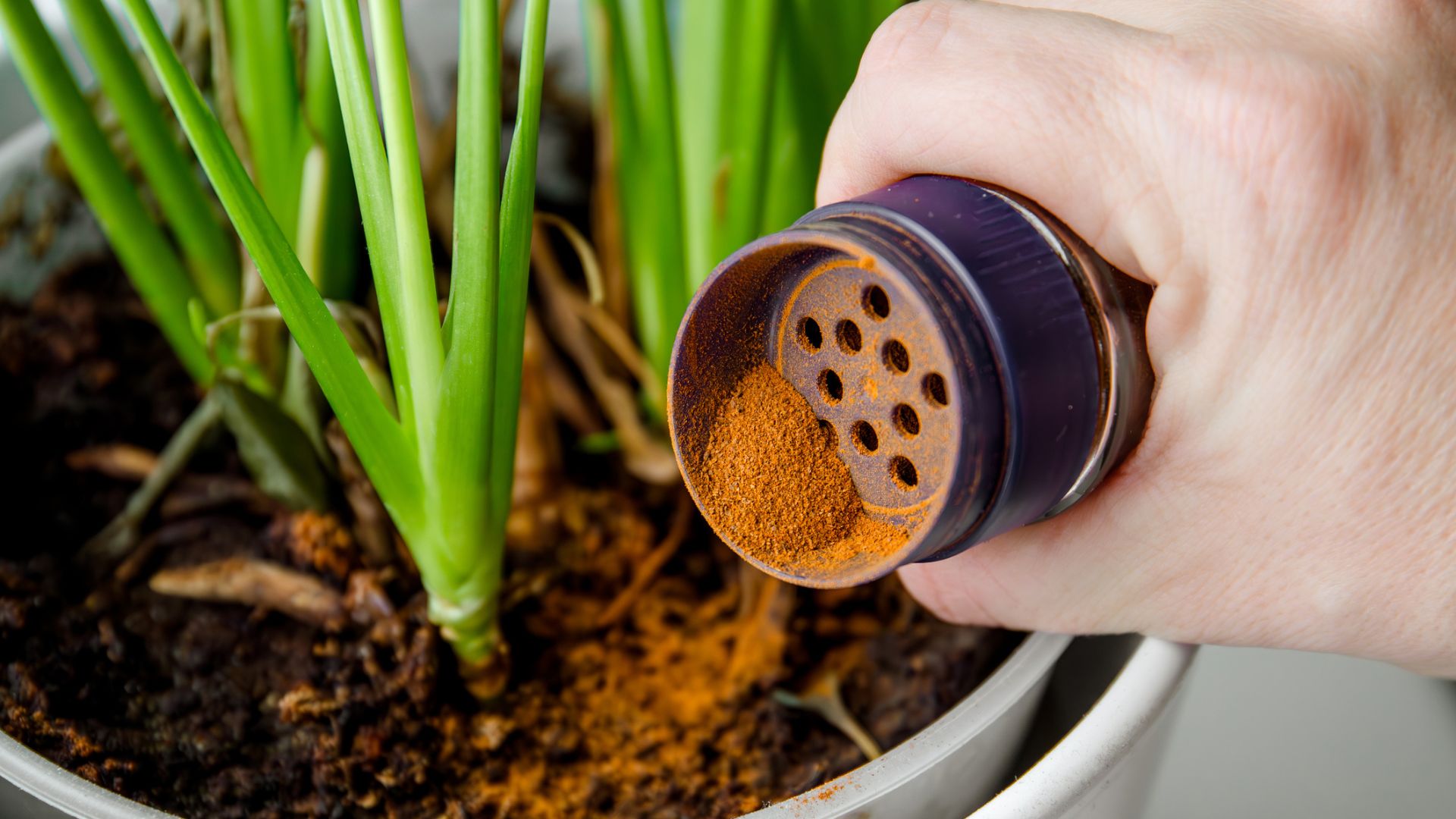
Yes, you can sprinkle cinnamon directly on plants, as it has several beneficial properties. Cinnamon is known for its antifungal and antimicrobial properties, making it a popular choice among gardeners. It can help to deter pests, promote healthy growth, and prevent diseases when used properly. However, it’s important to use it in moderation and to know when it’s appropriate to apply it to your plants. Here are some additional details regarding the use of cinnamon on plants:
Cinnamon as a Natural Fungicide
Cinnamon can serve as a natural fungicide due to its antifungal properties. It helps in preventing harmful fungi from developing on the surface of the soil and on plant leaves. This is particularly useful in cases of dampening off, a soil-borne disease that affects seedlings.
See also:
- Powdered cinnamon can be sprinkled on the soil surface.
- It helps create an inhospitable environment for fungal growth.
- It can also be used to treat minor fungal infections on plant leaves.
Deterring Pests with Cinnamon
One of the lesser-known uses of cinnamon is its ability to deter certain pests and insects. Sprinkling cinnamon around your plants can help repel ants, cockroaches, and other unwanted pests.
- Cinnamon acts as a natural deterrent due to its strong aroma.
- Pests are less likely to invade the areas treated with cinnamon.
- This can reduce the need for chemical pesticides and promote a healthier garden ecosystem.
Promoting Healthy Root Growth
Cinnamon can also stimulate healthy root growth in plants. When sprinkled on the soil around your plants, it can encourage root proliferation and enhance overall plant vitality.
- Cinnamon helps to protect young roots from rot.
- It can aid in the process of rooting cuttings.
- Healthy roots lead to stronger plants and better growth outcomes.
Application Tips for Cinnamon
When applying cinnamon to your plants, it's important to do so correctly to maximize its benefits. Here are some tips to ensure effective use:
- Sprinkle a light dusting of cinnamon powder on the soil, avoiding over-application.
- Mix cinnamon with water to create a solution for treating leaf infections.
- Reapply every few weeks to maintain its protective effects on your plants.
Potential Concerns with Cinnamon Use
While cinnamon is generally safe for plants, there are some concerns regarding its application. Overuse can lead to potential issues that need to be considered before using it extensively.
- Excessive use may lead to a build-up of cinnamon in the soil.
- Some plants may be sensitive to strong substances, leading to possible damage.
- It’s important to monitor your plants for any adverse effects after application.
Which plants don't like cinnamon?
Cinnamon is a popular spice known for its aromatic properties and potential benefits in the garden, particularly as a natural pest deterrent. However, there are certain plants that do not respond well to cinnamon and may even suffer from its application. Here are some plants that generally do not like cinnamon:
Certain Types of Herbs
Many herbs can be sensitive to the presence of cinnamon. Mint, basil, and oregano are a few examples that might experience issues when cinnamon is applied near them.
- Mint: Known for its vigorous growth, mint may become stunted or develop unusual growth patterns when exposed to strong scents like cinnamon.
- Basil: This herb’s delicate nature can be adversely affected, leading to wilting or leaves turning yellow.
- Oregano: Similar to basil, oregano can experience stress and reduced growth when in proximity to cinnamon.
Specific Flowering Plants
Some flowering plants tend to dislike the presence of cinnamon and may not thrive when exposed to it.
- Begonias: These plants can be sensitive to strong spices, leading to leaf drop or wilting.
- Dahlias: Exposure to cinnamon can hinder their growth, causing them to bloom poorly.
- Petunias: These popular flowers may show signs of distress such as yellowing leaves if cinnamon is used excessively near their roots.
Vegetables That Are Averse to Cinnamon
Certain vegetables may not enjoy being around cinnamon, resulting in inhibited growth and development.
- Carrots: Cinnamon can interfere with the delicate balance of their growth, potentially leading to twisted roots.
- Lettuce: Exposure may cause bolting or poor leaf development, which can affect overall harvest.
- Radishes: These can be negatively affected, as cinnamon may cause the roots to become woody or unpalatable.
Tropical Plants Sensitivity
Certain tropical plants also tend to be sensitive to cinnamon and may not appreciate its presence in their environment.
See also:
- Orchids: These delicate plants can experience adverse reactions leading to poor health when exposed to strong spices.
- Bromeliads: Sensitivity to odors can lead to stress or slowed growth if cinnamon is nearby.
- Ferns: Particularly sensitive to any changes in their environment, ferns can react poorly to cinnamon, often resulting in browning leaves.
Effects of Cinnamon on Succulents
Succulents, while generally hardy, can also suffer from the application of cinnamon in certain situations.
- Aloe Vera: Although it has minimal soil requirements, cinnamon can disrupt its growth and lead to root rot.
- Echeveria: This popular succulent may begin to shrivel up and exhibit signs of distress if exposed to too much cinnamon.
- Jade Plant: Sensitive to changes in moisture levels, exposure to cinnamon can result in leaf drop and health decline.
Does cinnamon on plants keep bugs away?
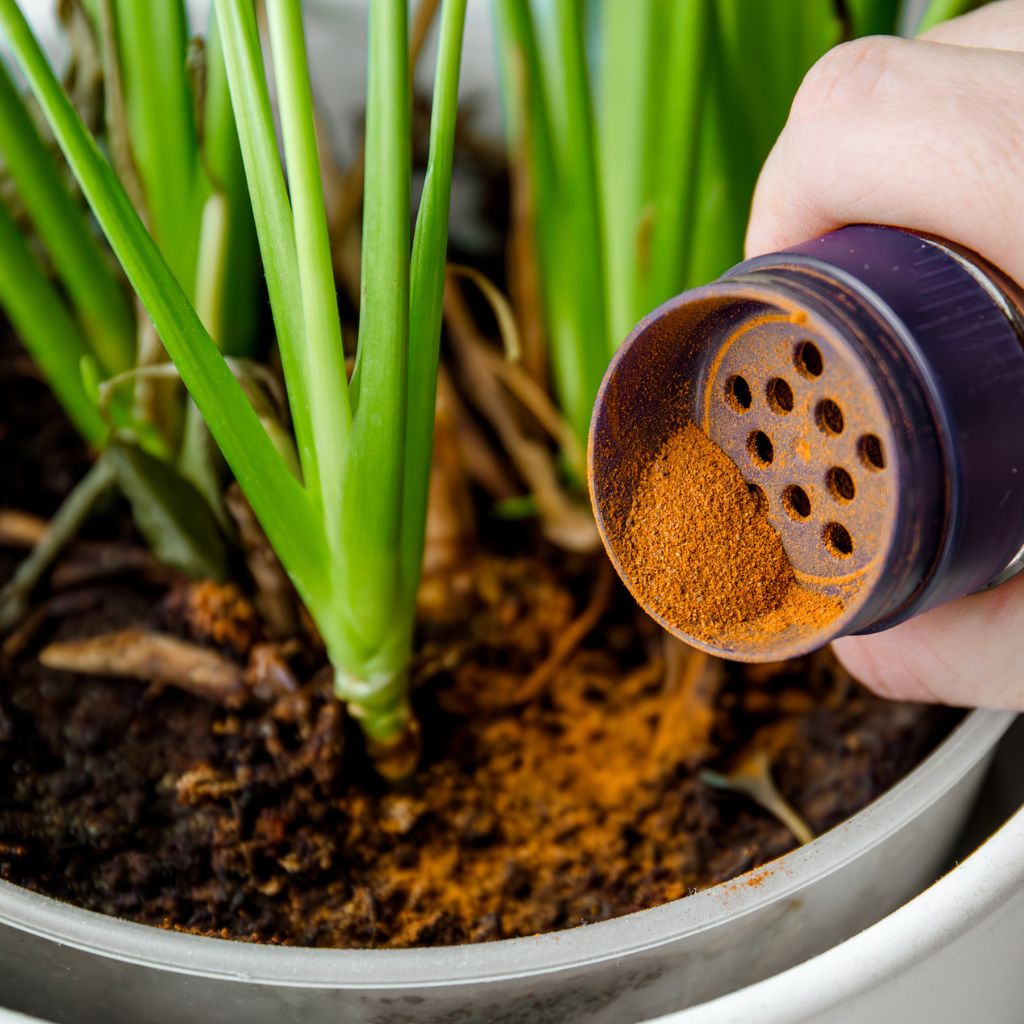
Cinnamon is a popular spice that is often credited with having insect-repelling properties. It contains compounds such as cinnamaldehyde, which is thought to act as a natural pesticide. When used on plants, cinnamon can help deter pests like ants, aphids, and fungus gnats, making it a favored choice among organic gardeners. However, it's important to note that while cinnamon may help repel some bugs, it is not a foolproof solution for pest control.
Cinnamon's Active Compounds
The effectiveness of cinnamon in repelling insects largely comes from its active components. These include:
- Cinnamaldehyde: This compound is responsible for cinnamon's distinct scent and is believed to be effective in repelling certain insects.
- Essential Oils: Apart from cinnamaldehyde, cinnamon contains various essential oils that may have insect-repelling effects.
- Antifungal Properties: Cinnamon also exhibits antifungal properties, which can help prevent the growth of molds that attract pests.
Application Methods
There are several ways to use cinnamon on plants for pest control. Some common methods include:
- Cinnamon Powder: Sprinkling cinnamon powder directly onto the soil or plants can create a barrier against certain insects.
- Cinnamon Water Spray: Mixing cinnamon powder with water to create a spray can provide an even coat on the surfaces of plants.
- Cinnamon Tea: Brewing cinnamon tea and using it as a foliar spray can also act as an insect repellent.
Effectiveness Against Specific Pests
Cinnamon has been noted to be particularly effective against a few specific pests. These include:
- Ants: The strong scent of cinnamon can disrupt the scent trails that ants use to navigate.
- Aphids: Cinnamon may deter aphids due to its strong aroma and antifungal properties.
- Fungus Gnats: Sprinkling cinnamon can help reduce the population of fungus gnats in potting soil.
Limitations of Cinnamon as Pest Control
While cinnamon can be beneficial, there are limitations to its effectiveness. These include:
- Not a Complete Solution: Cinnamon may not eliminate pests already present on plants; it is better used as a preventive measure.
- Variable Results: The effectiveness of cinnamon can vary based on the type of pest and environmental conditions.
- Potential Harm to Beneficial Insects: Overuse or incorrect application may affect beneficial insects as well.
Alternative Natural Pest Control Methods
In addition to cinnamon, other natural methods can assist in keeping bugs away from plants. These include:
- Neem Oil: Derived from the neem tree, it acts as a natural insecticide and repels a variety of pests.
- Diatomaceous Earth: This natural powder can be sprinkled on plants to create a barrier against soft-bodied insects.
- Essential Oils: Oils such as peppermint and lavender can also deter pests when used correctly.
Questions from Our Readers
What benefits does cinnamon provide to plants?
Cinnamon can act as a natural fungicide, helping to prevent the growth of mold and disease on plants. It contains properties that can protect seedlings and promote healthy root development. Additionally, cinnamon can attract beneficial insects, enhancing the overall health of the garden ecosystem.
Is cinnamon safe for all types of plants?
While cinnamon is generally safe for most plants, it may not be suitable for every plant species. Some delicate plants could be sensitive to the application of cinnamon, so it’s recommended to test a small area before widespread use. Always observe your plants after application to ensure there are no adverse reactions.
See also:
How should cinnamon be applied to plants?
Cinnamon can be sprinkled directly onto the soil or mixed with water to create a cinnamon spray. When applying it, be sure to use it moderately to avoid overwhelming the plant with too much substance. This can help in controlling pests while also providing beneficial nutrients.
Can cinnamon help with pest control in plants?
Yes, cinnamon can help in controlling pests such as ants, gnats, and certain fungi that affect plant health. Its natural aroma and properties can deter pests, making it a useful addition to your gardening routine. However, it should be used as a supplementary method alongside other pest management practices.
If you want to read more articles like What Happens If You Sprinkle Cinnamon on Plants? Benefits and Effects Explained, we recommend you check out our Plants category.
Leave a Reply
Related Articles