What Fruit Grows Best in a Greenhouse? Discover Top Picks for Optimal Growth

Greenhouses offer an ideal environment for cultivating a variety of fruits, allowing gardeners to extend their growing season and enjoy bountiful harvests year-round. The controlled climate inside a greenhouse helps regulate temperature, humidity, and light, making it possible to grow fruits that may struggle in outdoor conditions. In this article, we will explore the top fruit choices that flourish in greenhouse settings. From vibrant strawberries to succulent tomatoes, learn about the best options for optimal growth, care requirements, and tips for achieving a fruitful yield. Discover how to make the most of your greenhouse space and enjoy delicious, home-grown fruits!
Best Fruits for Greenhouse Cultivation
Growing fruit in a greenhouse can significantly enhance production by providing a controlled environment that optimizes conditions such as temperature, humidity, and light. Among the most suitable fruits for greenhouse cultivation are tomatoes, cucumbers, peppers, strawberries, and melons, each benefiting from the stable conditions that greenhouses provide. These fruits tend to thrive better in the protected settings of a greenhouse where pests are minimized, and climatic factors can be finely tuned to meet their specific growth requirements.
Tomatoes
Tomatoes are one of the top choices for greenhouse cultivation, as they flourish in the warm, stable conditions that greenhouses provide. This fruit benefits from a controlled environment, helping to prevent diseases and increase yields. When grown in a greenhouse, varieties such as cherry and beefsteak tomatoes often produce fruit much earlier in the season compared to outdoor plants.
Cucumbers
Cucumbers thrive exceptionally well in greenhouse settings due to their need for warm temperatures and high humidity. The sheltered conditions of a greenhouse help protect cucumber plants from common pests and diseases, which might otherwise hinder their growth. Maintaining adequate ventilation is crucial to ensure they have the air circulation they require to avoid issues such as powdery mildew.
Peppers
Peppers, both sweet and hot varieties, benefit greatly from greenhouse cultivation. Heat and moisture are critical for peppers to reach their full potential, and a greenhouse offers an ideal solution for achieving optimal growth. By controlling the climate, growers can also influence the flavor and size of the peppers produced, leading to an enhanced overall yield.
Strawberries
Strawberries are another excellent option for greenhouse growing, as they typically require warmer temperatures to thrive. The controlled conditions can lead to longer harvest seasons, allowing for more fruit to be produced over time. Additionally, growing strawberries in a greenhouse helps reduce the risk of diseases, providing a cleaner harvest.
Melons
Melons, including varieties like watermelon and canteloupe, perform beautifully in a greenhouse due to their need for warmth and sunlight. The consistent conditions can help melons develop their sweetness more effectively. However, proper spacing and support for the vines are essential in a greenhouse to allow for optimal fruit development.
| Fruit | Ideal Temperature | Key Benefits |
|---|---|---|
| Tomatoes | 20-25°C | High yield, disease protection |
| Cucumbers | 21-24°C | Optimal growth, pest avoidance |
| Peppers | 20-30°C | Enhanced flavor, extended season |
| Strawberries | 15-25°C | Long harvest, disease reduction |
| Melons | 20-30°C | Sweet flavor, consistent results |
What is the easiest fruit to grow in a greenhouse?

The easiest fruit to grow in a greenhouse is often considered to be the tomato. With a manageable growth process and high yields, tomatoes thrive in the controlled environment of a greenhouse, making them a popular choice for both novice and experienced gardeners. Here are some details around this and related topics.
Benefits of Growing Tomatoes in a Greenhouse
Growing tomatoes in a greenhouse offers several advantages:
- Controlled Climate: A greenhouse allows you to manage temperature, humidity, and light exposure, leading to healthier plants.
- Extended Growing Season: You can start growing tomatoes earlier in the spring and extend the harvest into the fall or even winter.
- Pest Management: The enclosed space of a greenhouse helps reduce pest exposure compared to outdoor gardening.
Best Tomato Varieties for Greenhouses
Not all tomato varieties flourish equally well in a greenhouse setting. Here are some recommended types:
- Cherry Tomatoes: These small fruits are prolific and can be harvested quickly.
- Beefsteak Tomatoes: Large and flavorful, they have good tolerance for greenhouse conditions.
- San Marzano Tomatoes: Known for their strong flavor, these are great for cooking and sauces.
Essential Growing Conditions for Tomatoes
To successfully grow tomatoes in a greenhouse, attention to specific conditions is necessary:
- Temperature: Ideally, maintain a temperature between 70°F to 85°F (21°C to 29°C) during the day.
- Humidity: Keep humidity levels between 40% and 70% to prevent mold while ensuring good growth.
- Light: Ensure that the plants receive at least 6 to 8 hours of direct sunlight daily, using supplemental lighting in winter months if necessary.
Common Pests and Diseases
Understanding potential challenges is crucial for successful tomato cultivation:
See also:
- Aphids: These small pests suck plant sap, leading to weak growth. Regular monitoring and treatment are necessary.
- Blight: Fungal disease that can cause wilting and dark spots on leaves. Proper air circulation helps prevent this issue.
- Whiteflies: Another sap-sucking insect that can impact growth; using yellow sticky traps can help reduce their population.
Harvesting and Yield Expectations
Knowing when and how to harvest tomatoes can maximize your yield:
- Timing: Tomatoes are typically ready to harvest 60 to 85 days after planting, depending on the variety.
- Color: Look for a rich, uniform color and slight softness to the touch as indicators of ripeness.
- Regular Picking: Frequent harvesting encourages plants to produce more fruit over the growing season.
Can you grow fruit all year round in a greenhouse?
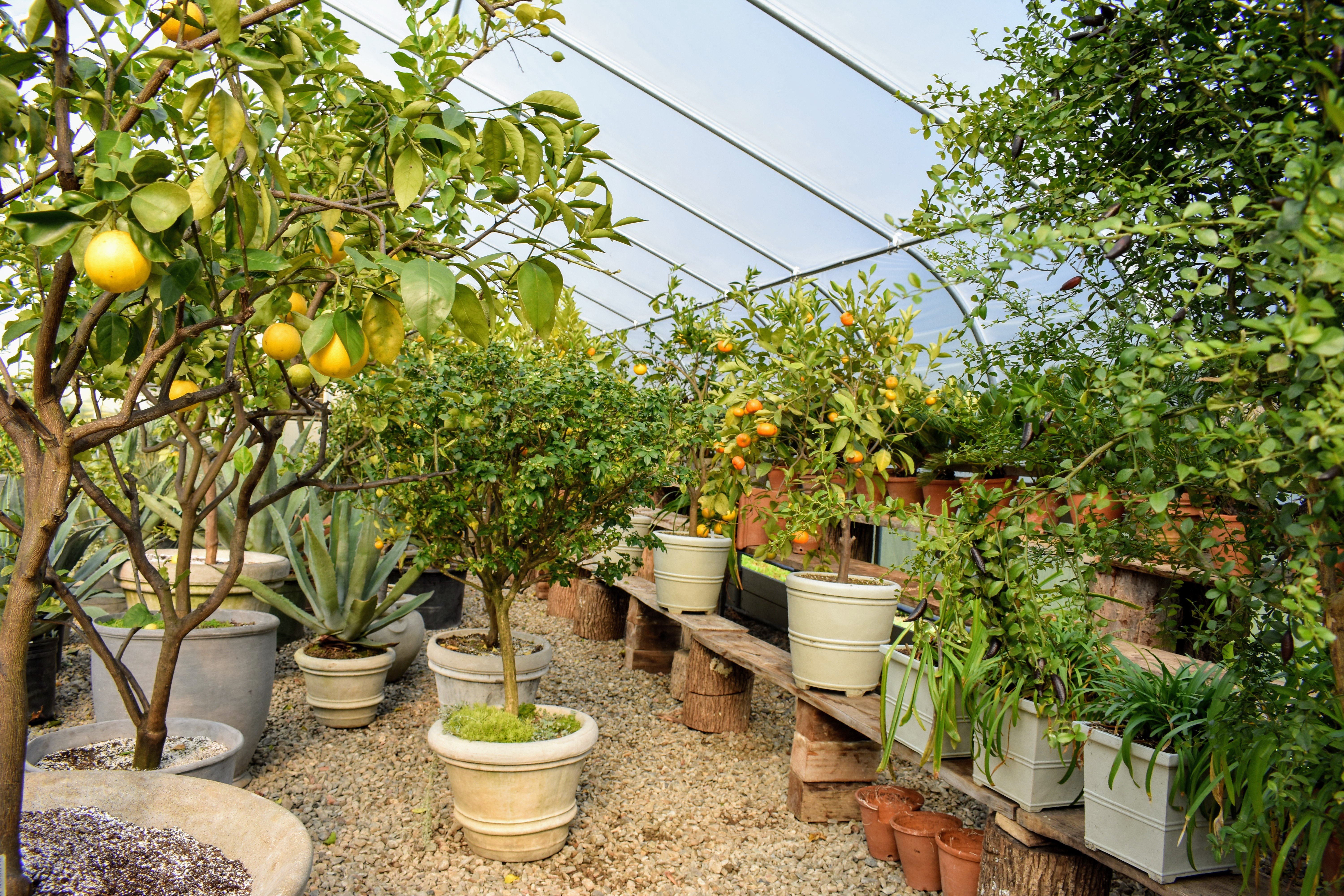
Yes, you can grow fruit all year round in a greenhouse. Greenhouses create a controlled environment that can protect plants from harsh weather conditions, pests, and diseases. By managing temperature, humidity, and light, you can cultivate various types of fruit even during the colder months when outdoor growing might not be feasible. The key factors that contribute to successful year-round fruit production in a greenhouse include the type of fruit, temperature control, light availability, and proper irrigation.
Benefits of Growing Fruit in a Greenhouse
Growing fruit in a greenhouse offers numerous advantages:
- Controlled Environment: You can maintain optimal conditions for fruit growth, including temperature and humidity.
- Pest Management: A greenhouse limits exposure to pests and diseases, reducing the need for chemical treatments.
- Extended Growing Season: You can harvest fruit outside of their typical seasonal cycles, providing fresh produce year-round.
Temperature Regulation in a Greenhouse
Maintaining the right temperature is crucial for fruit growth:
- Heating Systems: Use heating systems such as electric heaters, gas heaters, or even heated water systems to maintain warmth during cold months.
- Insulation: Proper insulation materials can help retain heat within the greenhouse.
- Cooler Temperature Variety: Some fruits thrive in cooler temperatures, allowing diversification in what you can grow throughout the year.
Luminosity and Light Management
Light is essential for photosynthesis, and managing light conditions is key:
- Natural Light: Position greenhouses to maximize exposure to sunlight, utilizing south-facing orientations.
- Supplementary Lighting: Consider using grow lights to supplement natural light, especially in winter months.
- Shade Management: Use shade cloths during hot months to protect delicate fruit from overheating.
Choosing the Right Fruits for Year-Round Growth
Certain fruits are more suitable for greenhouse cultivation throughout the year:
- Berries: Strawberries, raspberries, and blueberries thrive in controlled conditions and can produce fruit in multiple seasons.
- Citrus Fruits: Varieties like lemons and limes can appreciate greenhouse warmth and can be grown year-round.
- Tropical Fruits: Fruits like bananas and pineapples can be successfully grown in a greenhouse, taking advantage of consistent temperatures.
Irrigation Techniques for Optimal Growth
Effective irrigation is vital for fruit health:
- Drip Irrigation: This minimizes water waste and ensures that moisture reaches the root zone directly.
- Humidity Control: Maintain optimal humidity levels to prevent plant stress and encourage fruitful growth.
- Water Quality: Use clean, pH-balanced water to avoid plant diseases that can arise from contaminated sources.
What should not be grown in a greenhouse?

Growing plants in a greenhouse can provide a controlled environment that can benefit many types of flora. However, there are specific plants that should generally be avoided in a greenhouse setting due to various reasons like excessive moisture, temperature regulation challenges, or specific pest pressures. Below are some categories of plants that are best not grown in greenhouses.
1. Heavy-Feeding Vegetables
Heavy-feeding vegetables such as corn, potatoes, and squash often require a significant amount of nutrients and space, making them less suitable for greenhouse cultivation. These plants may deplete soil nutrients rapidly and require large amounts of water, which can lead to problems with root rot and diseases in a confined greenhouse environment.
- Corn: Needs extensive space and sunlight, best suited for open fields.
- Potatoes: Susceptible to diseases in humid conditions of a greenhouse.
- Squash: Requires significant ground space, which can be limiting in greenhouses.
2. High-Water Requirement Plants
Plants that thrive in high moisture conditions, like rice or certain types of ferns, may not be ideal for greenhouse cultivation as greenhouses can trap humidity and lead to problems with fungal diseases. Managing hydration levels can become challenging in such an environment, potentially leading to unhealthy plant growth.
- Rice: Requires flooding conditions that are impractical in a greenhouse.
- Cattails: Thrives in water, making it unsuitable for indoor growth.
- Ferns: Though they love moisture, they may attract unwanted pests in greenhouses.
3. Invasive Species
Growing invasive species in a greenhouse can lead to unintentional spread and environmental damage. Plants like kudzu and Japanese knotweed can flourish in controlled conditions, and when introduced outside, they can disrupt local ecosystems severely.
See also:
- Kudzu: Known for its rapid growth, it can overtake other vegetation.
- Japanese Knotweed: Difficult to control once it spreads, damages properties.
- Mint: Highly invasive, it can dominate garden spaces if not contained.
4. Plants Sensitive to Humidity
Many plants are sensitive to high humidity levels. Plants like peppers and tomatoes can suffer from excessive moisture, leading to blight or other diseases. In a greenhouse, maintaining balanced humidity levels can be tricky, making it best to avoid these species.
- Peppers: High humidity can cause diseases and reduce fruit quality.
- Tomatoes: Susceptible to various diseases, especially in humid conditions.
- Eggplants: Similar issues with moisture retention and diseases.
5. Plants Requiring Cold Dormancy
Certain perennials and bulbs, like daffodils and tulips, require a cold stratification period to bloom properly. A greenhouse usually provides a warm environment, which may not accommodate the necessary cold treatments that these plants need.
- Daffodils: Require cold dormancy in winter for successful bloom.
- Tulips: Need a chilling period, unsuitable for a heated greenhouse.
- Snowdrops: Similarly require a cold period for healthy growth.
What is the best crop to grow in a greenhouse?
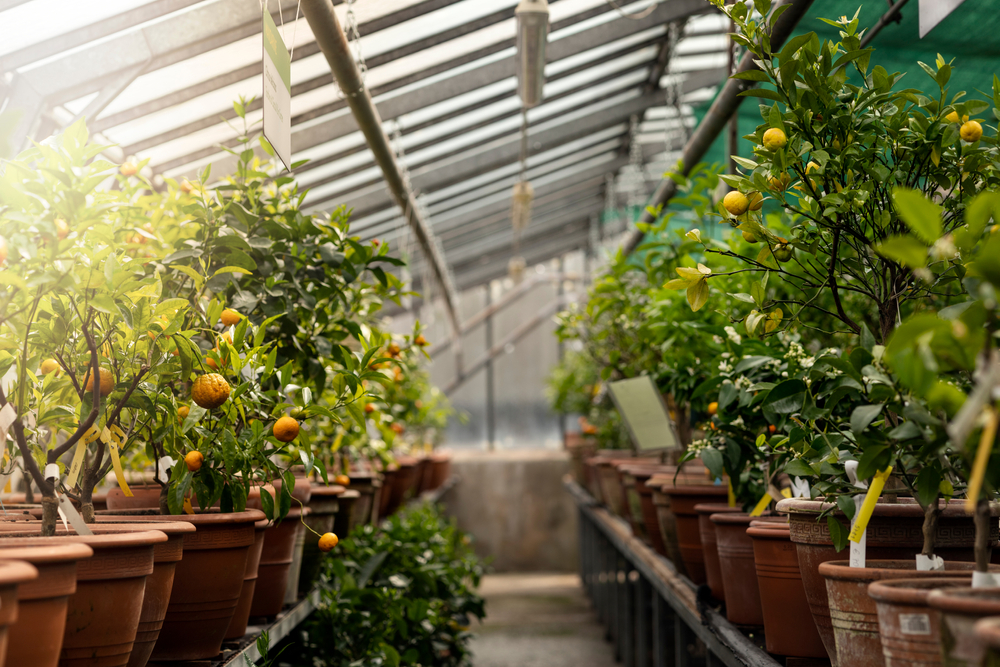
The best crop to grow in a greenhouse largely depends on various factors such as climate, market demand, and the grower's expertise. However, some popular options are tomatoes, cucumbers, peppers, lettuce, and herbs. These crops thrive in controlled environments and can yield high returns if managed correctly.
Advantages of Growing Tomatoes in a Greenhouse
Growing tomatoes in a greenhouse offers several benefits:
- Extended Growing Season: Greenhouses provide a favorable environment that allows for earlier planting and later harvesting.
- Pest Control: Enclosed spaces help in minimizing pest infestations, leading to healthier plants.
- Higher Yields: Controlled humidity and temperature can significantly increase tomato yields compared to outdoor cultivation.
Cucumbers: Ideal Greenhouse Crop
Cucumbers are another excellent choice for greenhouse growing:
- Fast Growth: Cucumbers grow quickly, meaning a quicker return on investment for growers.
- Space Efficiency: They can be grown vertically, making them ideal for smaller greenhouse spaces.
- Consistent Quality: Growing in a controlled environment ensures uniform size and quality, appealing to market buyers.
Benefits of Growing Peppers in Greenhouses
Peppers are suited for greenhouse conditions and offer various advantages:
- Variety of Types: From bell peppers to hot peppers, greenhouse growing accommodates different varieties.
- Protection from Weather: Greenhouses mitigate the impact of adverse weather, ensuring better survival rates.
- Enhanced Flavor: The controlled climate can enhance the flavor profile of the peppers.
Lettuce Production in Greenhouses
Lettuce is a common crop for greenhouse growers due to its specific advantages:
- Short Growth Cycle: Lettuce typically matures quickly, allowing multiple harvests throughout the growing season.
- Adaptability: Various types of lettuce can be cultivated, catering to different market preferences.
- Reduced Pest Issues: Greenhouses help in reducing the likelihood of pest-related problems, leading to healthier crops.
Herbs: A Versatile Greenhouse Option
Growing herbs in a greenhouse can be highly rewarding:
- High Market Demand: Fresh herbs are increasingly popular in restaurants and kitchens, making them a lucrative crop.
- Minimal Space Requirements: Herbs require little space, allowing for dense planting and increased productivity.
- Year-Round Growth: With climate control, it is possible to grow herbs throughout the year, ensuring consistent supply.
Questions from Our Readers
What fruit grows best in a greenhouse?
Fruits such as tomatoes, strawberries, and cucumbers thrive in a greenhouse environment due to the controlled climate. The temperature and humidity levels can be optimized to enhance growth, making it possible to cultivate these fruits year-round.
Can citrus fruits be grown in a greenhouse?
Yes, citrus fruits like lemons, limes, and oranges can be successfully grown in a greenhouse. The structure helps maintain the warm temperatures these plants prefer, which is essential for proper fruiting.
How do I pollinate fruit plants in a greenhouse?
Pollinating fruit plants in a greenhouse can be done manually using a paintbrush or cotton swab to transfer pollen from the male to the female flowers. Some growers also introduce bees or other pollinators to assist in the process.
What conditions are required for fruit growth in a greenhouse?
To grow fruit effectively in a greenhouse, it's important to maintain consistent temperatures, adequate humidity, and good ventilation. Additionally, using quality soil and providing appropriate lighting will ensure healthy growth and fruit production.
See also:

If you want to read more articles like What Fruit Grows Best in a Greenhouse? Discover Top Picks for Optimal Growth, we recommend you check out our Plants category.
Leave a Reply
Related Articles