What Should Not Be Grown in a Greenhouse? Essential Plants to Avoid for Successful Gardening

When planning a greenhouse garden, it's important to consider not only what to grow but also what to avoid. Certain plants may thrive outdoors but can become problematic or unproductive in a controlled environment. Factors such as humidity, temperature, and space constraints play critical roles in a greenhouse's ecosystem. Selecting the right crops can prevent frustration and disappointment. In this article, we will explore the essential plants that should be avoided in a greenhouse setting, ensuring a successful and bountiful gardening experience. Understanding these limitations will help you make informed decisions for a thriving greenhouse garden.
What Should Not Be Grown in a Greenhouse?
Growing plants in a greenhouse can be highly rewarding, but certain crops are ill-suited for the controlled environment. Plants that thrive in cooler temperatures, such as many root vegetables, can struggle in the heat of a greenhouse. Additionally, crops requiring extensive space to spread, like certain varieties of herbs or large squash, may not yield well in the confined space. Disease-prone plants, particularly those susceptible to mold or fungi, can exacerbate issues in a humid environment. Lastly, some crops that mature rapidly, such as fast-growing leafy greens, may not benefit from the prolonged conditions typical of greenhouses, leading to diminished flavor and texture.
Cool-Weather Crops
Certain crops that prefer cool weather, such as peas and carrots, are not ideal for greenhouse conditions. These plants thrive when temperatures are low, and growing them in a greenhouse, which often retains heat, can lead to poor germination and growth. Without the right temperature adjustments, these cool-weather crops may fail to meet their growing potential and could be better off in an outdoor garden.
Large Vegetables
Many large vegetables, like pumpkins and squashes, require substantial space to grow and develop properly. In a greenhouse, space is usually at a premium, which can restrict the plant's growth and negatively affect yield. Additionally, large plants may block sunlight from reaching smaller neighboring plants, causing further issues for a mixed greenhouse environment.
Disease-Prone Plants
Plants that are prone to diseases, such as cucumbers and tomatoes, can become problematic in the humid and often enclosed conditions of a greenhouse. The moisture can create an ideal environment for mold and fungal diseases to thrive, which can quickly spread among susceptible plants, leading to crop failures and a significant loss of produce.
Fast-Growing Leafy Greens
While leafy greens can thrive in greenhouses, fast-growing varieties like spinach and lettuce may not benefit from the extended growing conditions. These plants often prefer cooler temperatures and shorter daylight hours to enhance their flavor and texture. Prolonged warmth and light can result in bitter-tasting greens and affect the overall quality of the harvest.
Plants with High Pest Susceptibility
Certain plants that attract a variety of pests should be avoided in greenhouse settings. For instance, species like broccoli and cabbage are known for attracting aphids and caterpillars. In a greenhouse, the confined space can lead to pest problems becoming more severe and difficult to manage, ultimately compromising the health and productivity of the crop.
| Crops | Reason |
|---|---|
| Cool-weather Crops | Prefer cooler temperatures for optimal growth. |
| Large Vegetables | Require extensive space, limiting greenhouse growth. |
| Disease-prone Plants | Higher risk of diseases in humid environments. |
| Fast-growing Leafy Greens | May develop poor flavor and quality in prolonged conditions. |
| Pest-susceptible Plants | More challenging to manage pest problems in closed spaces. |
What plants cannot be grown in a greenhouse?

The greenhouse is a controlled environment that allows for year-round growth of various plants. However, certain types of plants are unsuitable for greenhouse cultivation due to specific growth requirements, resilience, or environmental conditions.
Plants Requiring Cold Climates
Some plants thrive in colder environments and may struggle in the higher temperatures and humidity levels often found in greenhouses. These plants include:
- Alpine Plants - Species like the Alpine aster prefer cool, dry conditions.
- Cold-Hardy Vegetables - Examples include kale and brussels sprouts, which may develop bitterness in warm conditions.
- Winter Annuals - Plants like pansies may become leggy if not exposed to cold temperatures.
Plants Needing Specific Light Conditions
Certain plants require low light intensity, making them incompatible with the typically bright conditions of a greenhouse. This category includes:
- Shade-Loving Plants - Varieties such as ferns and sensitive plant need filtered light, which can be challenging in greenhouses.
- Forest Understory Species - Plants like clover and wild ginger thrive in shaded forest conditions.
- Cacti and Succulents - Some species may scorch in excessive brightness; thus, they may not perform well in a standard greenhouse setting.
Tropical Plants with High Humidity Needs
While many tropical plants can adapt somewhat to greenhouse conditions, some have very specific requirements that make them challenging to grow. These include:
- Orchids - Certain types, like ghost orchids, require high humidity and specific air flow that may not be replicated in a traditional greenhouse.
- Bromeliads - Some species may experience issues with rot due to insufficient humidity control.
- Tropical Ferns - They need very high humidity and can easily suffer in drier greenhouse conditions.
Pests and Disease-Prone Plants
Certain plants may attract pests and diseases more readily, making them less suitable for greenhouse environments. Examples include:
See also:
- Tomatoes - Subject to blight and whiteflies, which can spread quickly in greenhouse settings.
- Peppers - Similarly, they can face issues with applied fungus and pests.
- Beans - They can be prone to rust and aphids when grown in a greenhouse.
Larger Trees and Shrubs
Many larger trees and shrubs do not fare well within the confines of a greenhouse due to their size and space requirements. Notable examples are:
- Fruit Trees - Species like apple trees need extensive root systems and space for growth.
- Large Ornamental Trees - Plants such as oak trees require considerable room to thrive.
- Fruit-bearing Shrubs - Such as blueberry bushes, often need a lot of soil volume to support healthy development.
Why shouldn't you grow tomatoes in a greenhouse?

Growing tomatoes in a greenhouse can seem like an attractive option due to the controlled environment it offers. However, there are several reasons why this might not be the best choice for everyone. Here are some key considerations against greenhouse tomato cultivation.
Cost Implications
Maintaining a greenhouse can be expensive, which might not justify the benefits for every gardener. The costs can include:
- Initial investment: Building or purchasing a greenhouse requires a significant initial outlay.
- Heating and cooling: Depending on your climate, maintaining the appropriate temperature may require significant energy costs.
- Maintenance: Regular upkeep is necessary to prevent leaks, pests, and diseases, which can further increase costs.
Pest and Disease Management
While greenhouses can protect tomatoes from some pests, they can also create an environment where specific pests and diseases thrive:
- Confined spaces: Pests that get into the greenhouse can reproduce quickly without natural predators.
- Humidity: Greenhouses can hold moisture, making conditions favorable for fungal diseases.
- Reduced airflow: Limited circulation can lead to issues like blight and wilting.
Limited Pollination
Tomatoes are typically self-pollinating, but they may still benefit from wind or insect activity:
- Lack of natural pollinators: Greenhouse conditions can limit access to bees and other beneficial insects.
- Less air movement: Without sufficient airflow, the natural shaking that aids pollination is minimal.
- Hand pollination: If natural methods are unavailable, hand pollination may be required, which is labor-intensive.
Space Constraints
Greenhouses often come with limited space, which can impede tomato growth and overall yield:
- Crowding: Limited space can lead to overcrowding, inhibiting plant growth and increasing disease risk.
- Root competition: Plants may struggle for nutrients if planted too closely together in confined areas.
- Vertical growth limitations: Some greenhouses may not offer sufficient height for tall varieties of tomatoes, restricting their potential.
Climate Control Challenges
While greenhouses provide some level of climate control, they can also present unique challenges:
- Temperature fluctuations: During extreme weather, temperatures can become too hot or too cold, stressing plants.
- Humidity levels: High humidity can lead to issues such as mold, while low humidity can cause dehydration.
- Ventilation needs: Proper ventilation is essential to manage temperatures and prevent disease but can be difficult to achieve effectively.
Can everything be grown in a greenhouse?
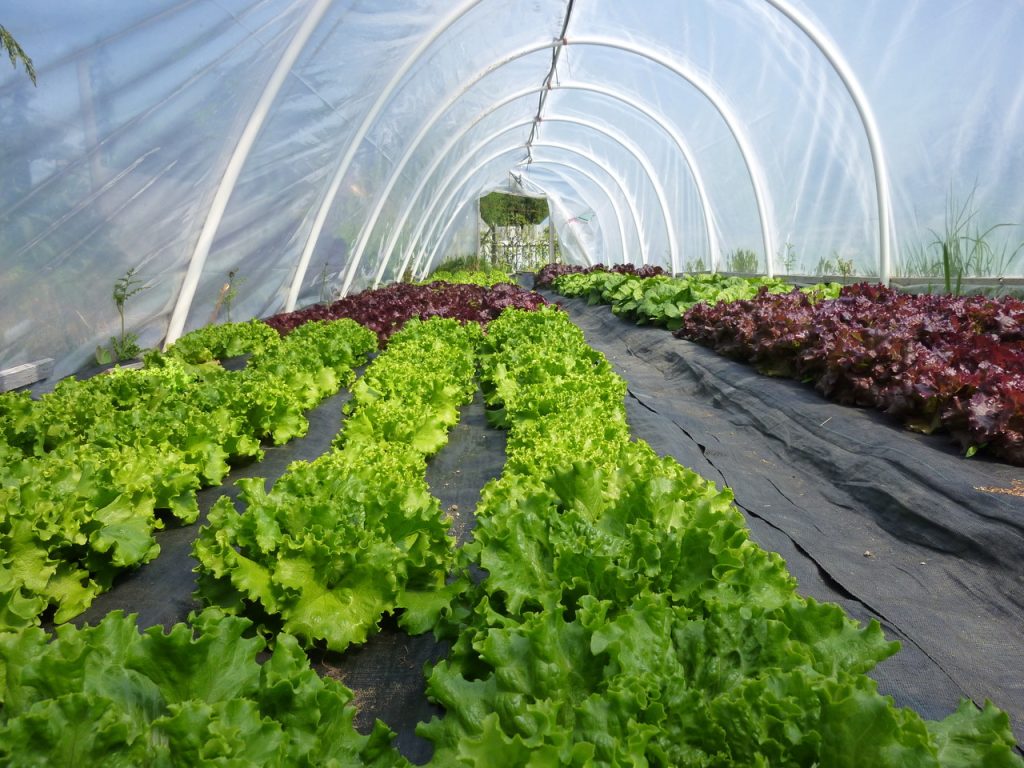
While a greenhouse provides a controlled environment for growing plants, not everything can be successfully cultivated within its confines. Several factors influence whether a particular type of plant can thrive in a greenhouse, including climate requirements, space considerations, and the specific needs of the plants. Below, we explore several aspects of this topic in detail.
Environmental Control in Greenhouses
Greenhouses are designed to offer controlled conditions that can be tailored to suit a variety of plants. This environmental control includes temperature management, humidity regulation, and light exposure. However, certain plants have specific needs that may be difficult to meet:
- Temperature: Some plants require specific temperature ranges; tropical plants might need higher temperatures than those that flourish in cooler climates.
- Humidity: Plants like ferns thrive in high humidity, while succulents prefer drier conditions.
- Light: While most greenhouses allow for adequate sunlight, certain plants may require shading or specific light spectrums that are not achievable in a standard greenhouse.
Space and Growth Requirements
The physical space within a greenhouse can limit what can be grown. Certain plants need ample room to spread out or grow tall, which must be taken into account when planning a greenhouse garden.
- Root Space: Some plants, such as carrots and potatoes, require deeper soil for their roots to develop properly.
- Climbing Plants: Vining plants need vertical space and support that may not be available depending on the greenhouse design.
- Spacing: Overcrowding in a greenhouse can lead to disease and competition for resources, which limits the types of plants that can be successfully grown together.
Type of Crops Suitable for Greenhouses
Certain crops are more suited to greenhouse cultivation than others. Understanding which plants thrive best in such conditions can optimize yield and minimize failure rates.
See also:
- Vegetables: Leafy greens, peppers, and tomatoes thrive in greenhouses due to their relatively simple light and temperature needs.
- Flowers: Many ornamental flowers can be successfully cultivated in greenhouses, where conditions can be controlled to enhance blooming.
- Herbs: Herbs like basil and cilantro do well in greenhouses, allowing for year-round production.
Cost and Investment Considerations
Establishing a greenhouse involves various costs, from construction to maintenance. This economic factor can play a significant role in what is feasible to grow.
- Initial Setup: The cost of constructing a greenhouse can vary greatly depending on size and materials, potentially limiting the types of plants grown.
- Heating and Cooling: Ongoing expenses to maintain optimal conditions can add up, impacting the choice of high-demand crops.
- Special Equipment: Some plants may require specialized equipment (like hydroponics) that further increases costs.
Pest and Disease Management
Pests and diseases can pose a serious threat to greenhouse plants. Some plants are more susceptible to these issues, which could limit their viability for greenhouse cultivation.
- Vulnerability: Certain plants are more prone to pests like aphids or diseases like powdery mildew, requiring increased management efforts.
- Management Strategies: Integrated Pest Management (IPM) can help, but the effectiveness may vary based on the type of plants being grown.
- Crop Rotation: Some plants may require a rotation schedule to prevent soil-borne diseases, impacting overall planning.
What are bad things about greenhouses?
Greenhouses can be beneficial for growing plants, but they also come with various drawbacks that could affect both the environment and the grower's experience. Here are some of the negative aspects associated with greenhouses:
High Initial Costs
Building a greenhouse requires a significant initial investment. The costs associated with purchasing materials, tools, and construction can be quite high. Additionally, if you opt for a high-tech greenhouse with automated systems, the expenses can skyrocket. Some of the financial burdens include:
- Materials: High-quality materials like glass or polycarbonate are expensive.
- Heating/Cooling Systems: Advanced climate control systems can add to the cost substantially.
- Maintenance: Regular upkeep is needed to maintain the structure and systems in optimal condition.
Temperature Regulation Challenges
Maintaining the appropriate temperature inside a greenhouse can be quite challenging. If the temperature is not regulated effectively, it can lead to stressed plants and reduced yields. Issues include:
- Overheating: During sunny days, greenhouses can trap heat, leading to extreme temperatures.
- Insufficient Heating: In colder months, a lack of proper heating can disrupt plant growth.
- Humidity Levels: Managing humidity along with temperature is crucial, as inadequate control can lead to mold and disease.
Water Management Issues
Effective water management in a greenhouse is vital, but it can be quite complex and sometimes problematic. The challenges include:
- Overwatering: Poor drainage can lead to excess water, harming the plants.
- Uneven Distribution: Automated systems may not always provide uniform moisture, causing some plants to suffer.
- Water Quality: The quality of water used in a greenhouse can affect plant health, especially if it contains contaminants.
Limited Crop Variety
While greenhouses are great for certain types of plants, the controlled environment can limit the variety of crops that can be grown successfully. Factors to consider include:
- Specific Requirements: Some crops may have unique environmental needs that cannot be met in a greenhouse.
- Space Limitations: The total area available can restrict diversity in planting.
- Interdependencies: Some plants may interact negatively, which complicates co-planting in a greenhouse setting.
Pest and Disease Management
Despite being closed environments, greenhouses can still be vulnerable to pests and diseases. Common issues arise from:
- Concentration of Plants: High density can facilitate pest outbreaks.
- Airflow Issues: Poor ventilation may promote disease spread.
- Chemical Resistance: Pests and diseases may develop resistance to pesticides used regularly in greenhouses.
Questions from Our Readers
What types of plants should not be grown in a greenhouse?
Certain plants, such as those that thrive in cooler climates or require specific outdoor conditions, should not be grown in a greenhouse. Examples include some varieties of root vegetables like carrots and potatoes, as they may suffer from excessive humidity and high temperatures.
Why are certain plants unsuitable for greenhouse cultivation?
Plants that flourish in open-air environments often need natural light and air circulation, which a greenhouse can limit. Additionally, these plants might be more susceptible to pests and diseases that can thrive in controlled conditions.
Can fruit trees be grown in a greenhouse?
While some fruit trees can be grown in a greenhouse, large trees or those that need extensive root space are not ideal. They might become root-bound and fail to produce fruit effectively in a confined environment.
Are there any drawbacks to greenhouse gardening?
Yes, maintaining a greenhouse can lead to issues like overheating and inconsistent moisture levels. Additionally, trying to grow plants that prefer outdoor conditions can result in poor growth and susceptibility to diseases.
See also:
If you want to read more articles like What Should Not Be Grown in a Greenhouse? Essential Plants to Avoid for Successful Gardening, we recommend you check out our Plants category.
Leave a Reply
Related Articles