Exploring the Possibilities: Can Plants Survive in an Unheated Greenhouse?

As climate change and unpredictable weather patterns become increasingly prevalent, many gardeners and horticulturists are seeking innovative solutions to protect their plants. One intriguing question arises: can plants thrive in an unheated greenhouse? This article explores the potential of such structures to support plant life, especially during colder months. We will examine factors such as insulation, plant selection, and humidity control, alongside the biological responses of various species to cooler temperatures. By understanding these dynamics, we can better appreciate the advantages and challenges of growing plants in unheated environments, ultimately enriching our gardening practices.
Can Plants Survive in an Unheated Greenhouse?
Plants can indeed survive in an unheated greenhouse, but their survival largely depends on the types of plants being cultivated, the climate in which the greenhouse is located, and the time of year. Many cold-hardy plants, such as certain vegetables and perennials, can withstand lower temperatures and even frost, benefiting from the protection the greenhouse provides against harsh weather conditions. Additionally, during sunny days, an unheated greenhouse can trap warmth, creating a suitable environment for seed germination and growth. However, extreme cold or temperature fluctuations can stress more tender varieties, necessitating careful selection of plant species and possibly some supplemental heat during particularly harsh winter months.
Factors Influencing Plant Survival
Several key factors influence whether plants can thrive in an unheated greenhouse. Temperature control is crucial as some plants are more tolerant of cold conditions than others. The overall design of the greenhouse, including its location and orientation to sunlight, also plays a significant role in how much heat is retained during the cooler months. Moreover, the choice of soil and watering practices can further affect plant health. Ultimately, understanding the specific needs of each plant species and how they react to environmental changes is essential for successful cultivation.
Best Plants for Unheated Greenhouses
When choosing plants to grow in an unheated greenhouse, it is essential to consider those that are known for their hardiness. Plants like kale, spinach, and certain types of cabbage are well-suited for colder temperatures. Additionally, many herbs such as parsley and chives can thrive in cooler climates. By selecting appropriate varieties, gardeners can stretch their growing seasons and take advantage of the partially regulated environment that an unheated greenhouse offers.
Strategies to Enhance Survival
To improve the chances of plant survival in an unheated greenhouse, gardeners can implement various strategies. Insulation can be enhanced by using bubble wrap or additional layers of plastic to reduce heat loss. Utilizing thermal mass materials like water barrels can help retain warmth during the night. Another effective method is to group plants according to their temperature needs, placing more tolerant species alongside those that are slightly less hardy. Additionally, monitoring weather conditions closely allows for timely interventions when temperatures drop unexpectedly.
Potential Risks of Unheated Greenhouses
Despite their advantages, unheated greenhouses also present several risks, particularly during extreme cold spells. Frost can damage more tender plants that are not well-adapted to low temperatures, leading to wilting or even death. Moreover, temperature fluctuations, especially during the transition seasons of fall and spring, can create stressful conditions for plants. It is essential for gardeners to stay vigilant and be prepared to provide additional protection, such as row covers or temporary heating solutions, when severe temperature changes are forecasted.
Impact of Weather Conditions
The local climate significantly impacts the viability of using an unheated greenhouse. Areas with milder winter conditions may allow a broader variety of plants to thrive, while regions with harsher winters will limit options considerably. Additionally, precipitation levels and humidity can influence plant health, as waterlogged soil or overly dry conditions can lead to root rot or dehydration, respectively. Understanding the local weather patterns and how they interact with greenhouse conditions is crucial for successful plant survival.
| Plant Type | Hardiness Zone | Min Temperature |
|---|---|---|
| Kale | 3-9 | -20°F (-29°C) |
| Spinach | 3-10 | -5°F (-15°C) |
| Parsley | 5-9 | 20°F (-6°C) |
| Chives | 3-9 | -30°F (-34°C) |
| Cabbage | 3-9 | 20°F (-6°C) |
Will plants be ok in an unheated greenhouse?
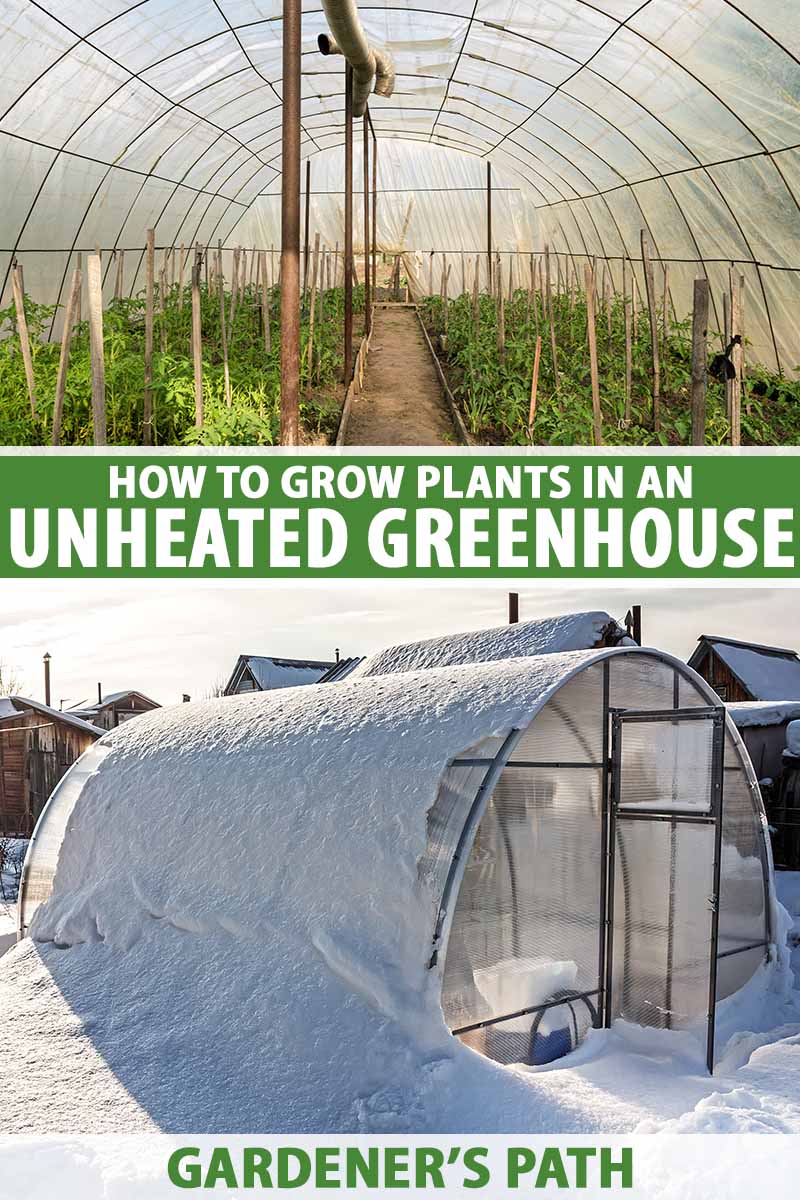
Understanding Unheated Greenhouses
An unheated greenhouse is a structure that relies on natural sunlight to maintain warmth and aid plant growth. These greenhouses can be beneficial for various reasons, but they also present challenges during colder months. The effectiveness of an unheated greenhouse largely depends on the climate and the type of plants being grown. Some plants can thrive in cooler temperatures, while others may suffer without adequate heat. The following points highlight key factors about unheated greenhouses:
- Cost-Effectiveness: Unheated greenhouses do not require energy for heating, making them more economical.
- Light Management: They can maximize sunlight exposure, benefiting light-loving plants.
- Season Extension: They can extend the growing season for some hardy plants.
Plant Selection for Unheated Greenhouses
Not all plants are suitable for an unheated greenhouse environment. Determining which plants to grow in an unheated greenhouse depends on their hardiness and tolerance to cold. Hardy plants can withstand lower temperatures and may even thrive in these conditions, whereas tropical plants require more warmth to survive. Here are some types of plants ideal for unheated greenhouses:
See also:
- Cool-Season Vegetables: Examples include lettuce, spinach, and kale that prefer cooler temperatures.
- Herbs: Many herbs like parsley and chives are resilient and can adapt to lower temperatures.
- Certain Flowers: Cold-resistant flowers such as pansies and snapdragons can flourish in these conditions.
Temperature Regulation Strategies
Maintaining an appropriate temperature in an unheated greenhouse can be challenging, particularly during extreme weather. While heat is minimal or absent, several strategies can help regulate temperatures and protect delicate plants. Implementing effective measures ensures plants remain healthy and reduces stress:
- Proper Ventilation: Ensure adequate airflow to prevent overheating on sunny days.
- Thermal Mass: Incorporate materials like water barrels to absorb heat during the day and release it at night.
- Row Covers: Use lightweight fabric to shield plants from cold drafts during colder nights.
Watering Needs in Unheated Greenhouses
The watering needs of plants in an unheated greenhouse can differ from those grown in regular garden settings, primarily due to temperature fluctuations. Plants may require less frequent watering in cold temperatures but still need careful monitoring. Understanding how to adjust watering routines is essential for plant health:
- Monitor Soil Moisture: Regularly check soil moisture levels to avoid over or under-watering.
- Water in Warm Periods: Water in the afternoon when temperatures are higher for absorption efficiency.
- Reduce Frequency: Decrease watering during colder months when plant growth slows down.
The Impact of Frost on Plants
Frost can pose a significant threat to plants in an unheated greenhouse. While some hardy plants may survive light frost, others are more vulnerable and can suffer damage. Understanding frost protection strategies can help safeguard your plants:
- Frost Dates: Be aware of local frost dates and prepare your greenhouse accordingly.
- Covering Plants: Use frost cloths or old blankets to cover sensitive plants on cold nights.
- Relocating Container Plants: Move potted plants to warmer areas when a frost warning is issued.
How cold is too cold for plants in a greenhouse?
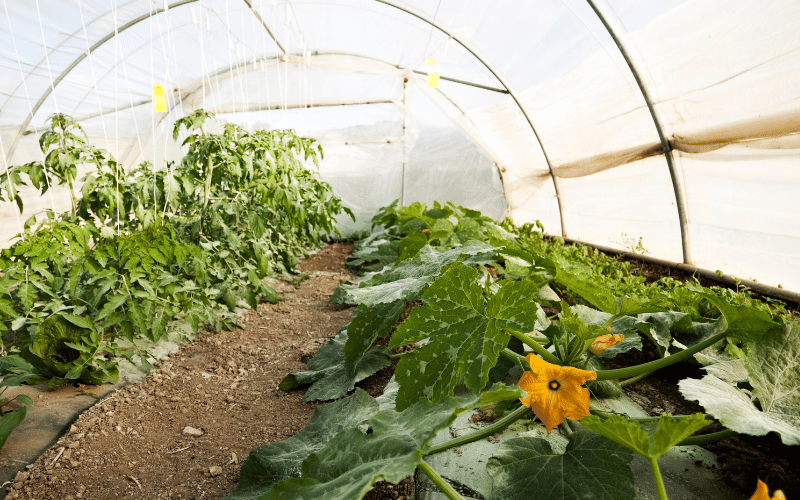
The optimal temperature range for plants in a greenhouse largely depends on the specific types of plants being cultivated. However, in general, temperatures below 50°F (10°C) can be detrimental to many plants, especially tender varieties. When temperatures drop to 32°F (0°C) or below, the risk of frost increases significantly, which can cause severe damage or death to sensitive plants. It's crucial to monitor and regulate greenhouse temperatures to prevent exposure to extreme cold, as this can hinder growth, reduce yield, and sometimes kill the plants outright.
Factors Affecting Temperature in a Greenhouse
There are several factors that impact the overall temperature within a greenhouse setting:
- Type of Greenhouse: The construction material and design can significantly influence how well a greenhouse retains heat.
- Insulation: Proper insulation can help maintain a stable temperature, especially during colder months.
- Heating Systems: The choice and efficiency of heating systems play a crucial role in preventing cold damage to plants.
Recommended Minimum Temperatures
Understanding the specific temperature preferences for different plant types is essential:
- Tender Annuals: These plants generally require a minimum temperature of about 60°F (15°C) to thrive.
- Perennials: Many perennials can tolerate temperatures down to 40°F (4°C), but colder conditions can lead to dormancy.
- Cacti and Succulents: These hardy plants can often survive in environments that drop to 30°F (-1°C) if necessary.
Risks of Low Temperatures
Low temperatures can pose various risks to plants in a greenhouse:
- Frost Damage: When temperatures drop to 32°F (0°C) or below, frost can form and damage plant tissues.
- Stunted Growth: Cold temperatures can inhibit metabolic processes, slowing down plant growth significantly.
- Increased Vulnerability: Prolonged exposure to cold can weaken plants, making them more susceptible to diseases and pests.
Signs of Cold Stress in Plants
Recognizing the signs of cold stress in plants is critical for prevention:
- Wilting Leaves: Leaves may begin to droop or appear limp due to cold stress.
- Discoloration: Leaves may change color, with some turning yellow or purplish as a reaction to cold temperatures.
- Leaf Drop: Cold-sensitive plants may shed leaves prematurely in response to cold conditions.
Strategies for Maintaining Ideal Temperatures
Implementing effective strategies can help to maintain favorable temperatures in a greenhouse:
See also:
- Use of Heaters: Installing energy-efficient heating systems can help to maintain the necessary temperatures.
- Curtains and Covers: Utilizing thermal curtains or covers at night can help retain heat during colder periods.
- Proper Ventilation: Ensuring adequate ventilation can prevent heat buildup during sunny days, balancing the temperature effectively.
Do plants in an unheated greenhouse need to be hardened off?

When it comes to whether plants in an unheated greenhouse need to be hardened off, the answer is not straightforward. While plants grown in an unheated greenhouse may have some protection from extreme conditions, they are still susceptible to fluctuations in temperature, humidity, and light conditions. Harden off refers to the process of gradually acclimatizing plants to outdoor conditions, which is crucial for their survival when transitioning from controlled environments. Therefore, even in an unheated greenhouse, some level of hardening off should be considered to ensure that plants adapt adequately to external conditions when eventually planted outside.
Understanding the Hardening Off Process
The hardening off process involves gradually exposing young plants to outdoor conditions to reduce transplant shock. This is particularly important for seedlings and tender plants that may not yet be adapted to harsher climates.
- Gradual Exposure: Begin by placing plants outside for a few hours each day, gradually increasing the time.
- Protection from Elements: Ensure they are shielded from harsh sunlight and strong winds during the initial exposure.
- Monitoring Temperature: Be cautious of nighttime temperatures; if it drops significantly, bring the plants back inside.
Benefits of Hardening Off Plants
Hardened off plants demonstrate greater resilience and adaptability to outdoor growth conditions, facilitating a smoother transition from the greenhouse environment to the garden or landscape.
- Increased Survival Rate: Plants that undergo hardening off are less likely to suffer from transplant shock.
- Improved Growth: These plants tend to grow more vigorously and establish root systems faster once planted outdoors.
- Resistance to Pest and Disease: Acclimatized plants are generally more robust and can fend off environmental stresses better.
Factors Influencing the Need for Hardening Off
Several factors can determine how necessary it is for plants in an unheated greenhouse to be hardened off, including their specific requirements, environmental conditions, and the length of time they've been cultivated indoors.
- Type of Plant: Tender annuals may require more hardening than hardier perennials.
- Duration in the Greenhouse: Plants that have been inside for longer might be more sensitive to sudden environmental changes.
- Season and Weather: Early spring or late fall conditions can be problematic, requiring stricter hardening protocols.
Signs That Plants Need Hardening Off
Identifying when your plants need to undergo hardening off is crucial; certain indicators can signal that they're ready for exposure to outdoor conditions.
- Pale Leaves: If leaves appear light or washed out, it's a sign they may need to be acclimatized.
- Stretching: Plants that become leggy as they reach for light may benefit from outdoor exposure.
- Stunted Growth: A lack of growth can indicate that plants are experiencing stress in a controlled environment.
Hardening Off Techniques in an Unheated Greenhouse
In an unheated greenhouse, implementing effective hardening off techniques can help facilitate the transition of plants to outdoor environments.
- Ventilation: Properly ventilate the greenhouse to simulate outdoor air circulation.
- Use of Screens: Employ shade cloths or screens to soften harsh sunlight during initial transition periods.
- Open Walls: Periodically open greenhouse walls or doors to expose plants to variable temperatures.
Questions from Our Readers
Can plants survive in an unheated greenhouse during winter?
In general, plants can survive in an unheated greenhouse during winter, but their health largely depends on the type of plants and the temperature fluctuations that occur. Some hardy plants, like certain cabbages and kale, can tolerate the cold, while more sensitive varieties may struggle without adequate warmth. To improve their chances, it's important to monitor temperature and provide insulation if necessary.
What types of plants are best suited for an unheated greenhouse?
Certain hardy plants, such as succulents, certain herbs, and cold-resistant vegetables, thrive better in an unheated greenhouse. These plants are more capable of enduring the cooler temperatures and can benefit from the shelter provided by the greenhouse without needing heating.
How can you help plants survive without heating in a greenhouse?
To help plants survive in an unheated greenhouse, you can use insulating materials like bubble wrap or horticultural fleece to protect plants from extreme cold. Additionally, placing water barrels inside the greenhouse can help moderate temperatures, as the water absorbs heat during the day and releases it at night.
See also:
Do unheated greenhouses protect plants from frost?
Unheated greenhouses can provide some protection from frost, as they trap heat from sunlight, helping to create a warmer microclimate inside. However, if temperatures drop significantly, it is still possible for frost to form, so monitoring conditions and taking preventive measures, like covering sensitive plants, is important.

If you want to read more articles like Exploring the Possibilities: Can Plants Survive in an Unheated Greenhouse?, we recommend you check out our Plants category.
Leave a Reply
Related Articles