Discover What are the 8 Herbs to Grow for Your Garden Success
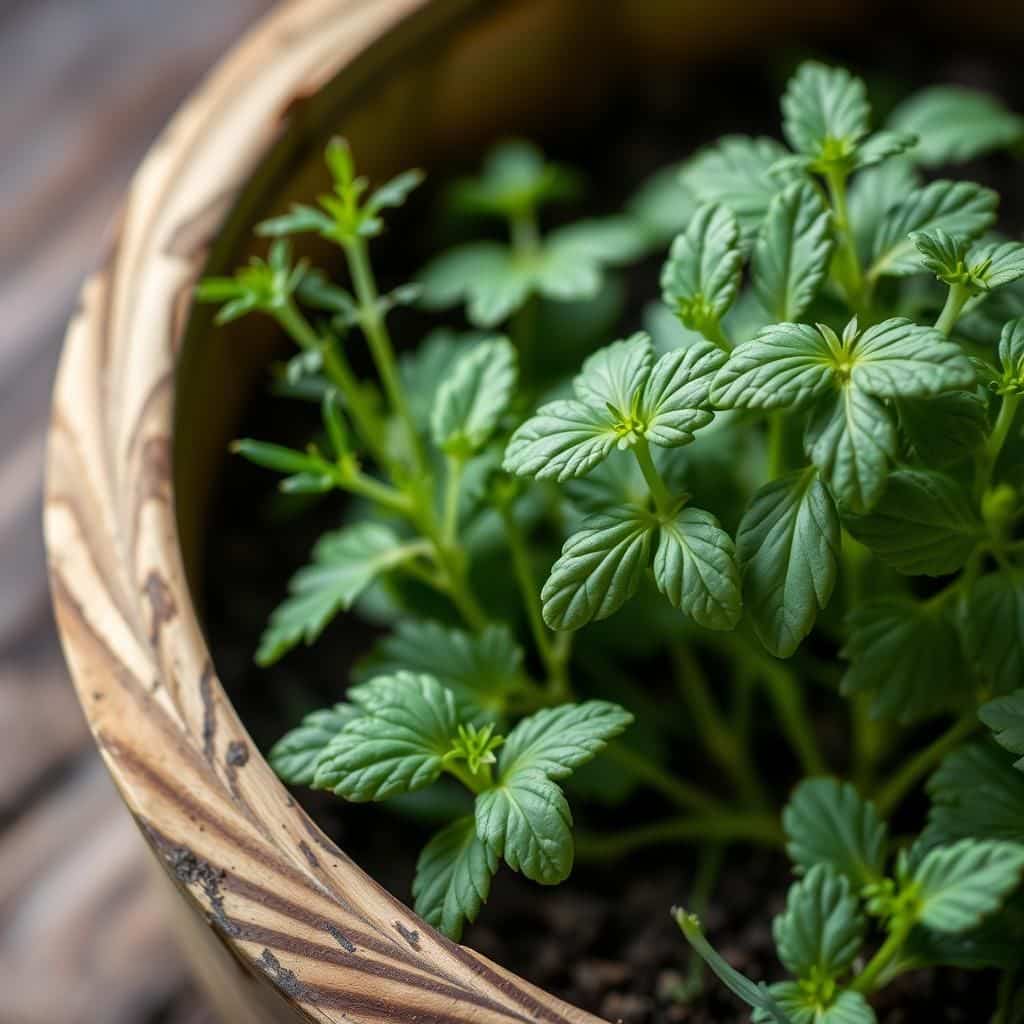
Creating a thriving garden often begins with the right selection of herbs. Not only do herbs enhance the flavor of your culinary creations, but they also offer a range of benefits, from attracting beneficial insects to improving soil health. In this article, we will explore eight essential herbs that can elevate your gardening experience. Whether you have a spacious backyard or a compact balcony, these versatile plants are easy to grow and maintain. Join us as we delve into each herb's unique characteristics, cultivation tips, and ways to incorporate them into your daily life for a successful and bountiful garden.
What Are the 8 Herbs to Grow?
Growing your own herbs can be a rewarding experience, not only providing fresh ingredients for your cooking but also adding flavor and fragrance to your garden. Among the myriad of options, there are eight standout herbs that are easy to cultivate and highly beneficial. These include basil, which adds a sweet flavor to various dishes; parsley, a versatile garnish and ingredient; cilantro, crucial for many cuisines; thyme, known for its earthy flavor; rosemary, with its robust aroma; mint, refreshing and invigorating; oregano, a staple in Italian cooking; and chives, perfect for adding a mild onion flavor. Each of these herbs can thrive in home gardens or containers, making them accessible for novice and experienced gardeners alike.
Basil
Basil is often referred to as the king of herbs due to its popularity in various culinary traditions, particularly in Italian and Mediterranean cuisine. This herb thrives in warm weather and requires plenty of sunlight. It is great for making sauces, salads, and pesto, and its aromatic leaves release a delightful fragrance that can enhance any dish.
Parsley
Known for its vibrant green color, parsley is a versatile herb that can be used in a variety of dishes, from salads to soups. It comes in two main varieties: curly and flat-leaf (also known as Italian parsley). Rich in vitamins, parsley is not only a flavor enhancer but also a nutritious addition to meals, easily grown in pots or gardens.
Cilantro
Cilantro, also referred to as coriander, is essential in many international cuisines, particularly Mexican and Asian dishes. Its unique flavor can be polarizing, but when used fresh, it brightens up salsas, salads, and curries. Cilantro grows quickly and can be harvested multiple times throughout the season, thriving in cooler weather.
Thyme
Thyme is a hardy herb that lends an earthy flavor to various dishes, particularly meats, stews, and sauces. It can be grown indoors or outdoors and is known for its drought resistance once established. Its small leaves can be used fresh or dried, making it a staple in herb gardens.
Mint
With its refreshing aroma and flavor, mint is a favorite in both savory and sweet dishes. It can be used in beverages like tea and cocktails, as well as in salads and desserts. Mint is prolific and can spread quickly, so it’s often best grown in pots to control its growth.
| Herb | Flavor Profile | Uses |
|---|---|---|
| Basil | Sweet and aromatic | Pesto, salads, sauce |
| Parsley | Fresh and mild | Garnish, salads, soups |
| Cilantro | Bright and citrusy | Salsas, curries |
| Thyme | Earthy and savory | Meats, stews, sauces |
| Mint | Refreshing and cool | Teas, salads, desserts |
What is the mother of all herbs?
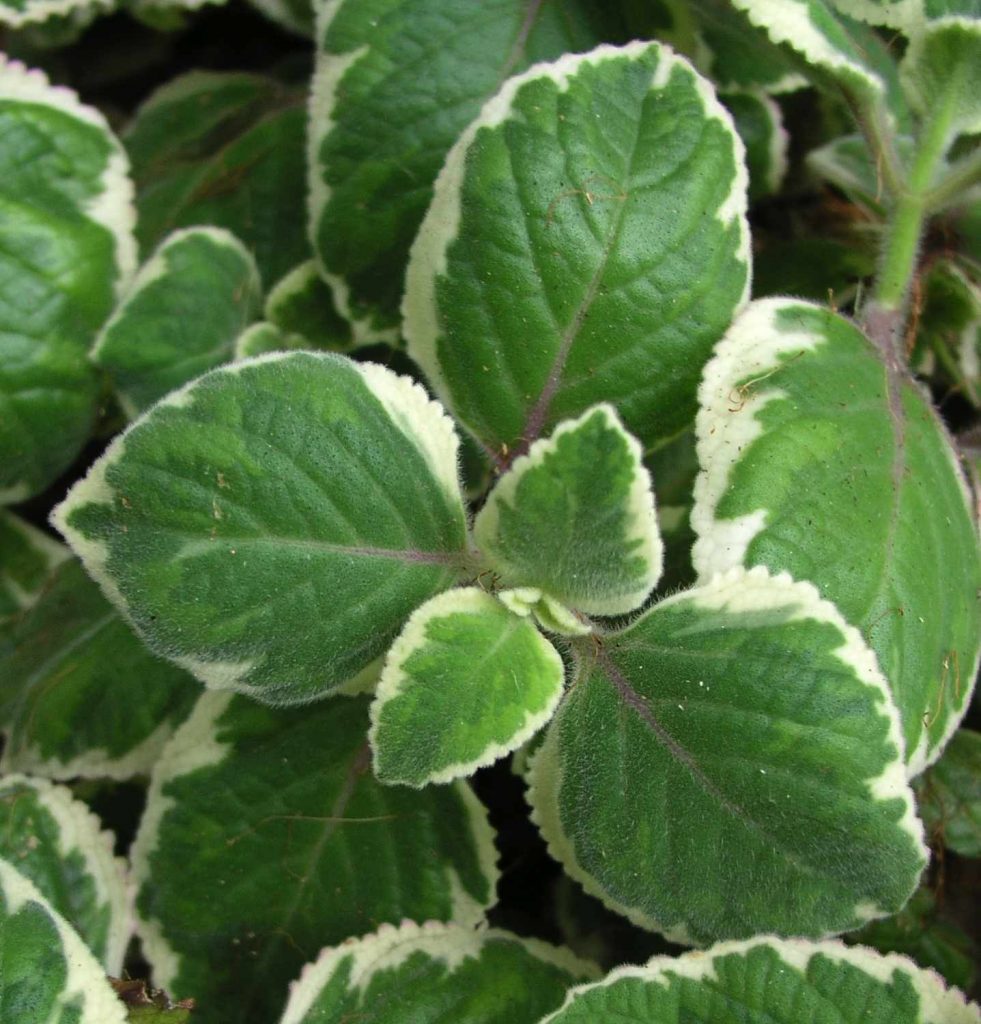
The term mother of all herbs often refers to Tulsi (Ocimum sanctum), also known as Holy Basil. This herb is not only revered in traditional Indian medicine (Ayurveda) but is also celebrated for its numerous health benefits and spiritual significance. Tulsi is considered sacred in Hinduism and is frequently used in rituals and prayers.
Health Benefits of Tulsi
Tulsi is known for a wide array of health benefits that contribute to overall wellness. Some key benefits include:
- Anti-inflammatory properties: Tulsi contains compounds that help reduce inflammation in the body.
- Rich in antioxidants: It is packed with antioxidants, which combat oxidative stress and protect cells.
- Immune system support: Regular consumption of Tulsi may enhance immune function and provide resistance against infections.
Culinary Uses of Tulsi
In addition to its medicinal properties, Tulsi also has a place in the culinary world. Some common uses are:
- Flavor enhancer: Tulsi leaves can be added to salads, soups, and sauces for a unique flavor.
- Herbal teas: Brewed as a tea, Tulsi offers a fragrant beverage that is both calming and health-promoting.
- Garnishing: Often used as a garnish for various dishes, its fresh leaves enhance the visual appeal and flavor.
Cultivation of Tulsi
Growing Tulsi is relatively easy, making it accessible for many gardeners. Some tips for cultivating Tulsi include:
- Sunlight: Tulsi thrives in bright sunlight, requiring at least 6 hours of sun each day.
- Well-drained soil: Ensure the soil is nutritious and well-drained to promote healthy growth.
- Regular watering: Water the plant regularly, but avoid overwatering to prevent root rot.
Cultural Significance of Tulsi
In many cultures, Tulsi holds a significant spiritual status. Here are some cultural aspects:
- Religious offerings: In Hindu rituals, Tulsi leaves are often offered to deities as a symbol of respect and purity.
- Household plant: Many Indian households keep a Tulsi plant to invoke positive energy and protection.
- Medicinal tradition: It plays a vital role in Ayurveda, where it is deemed a tonic for the body and mind.
Comparative Herbs
While Tulsi holds the title of the mother of all herbs, it is often compared to other herbs. Some notable mentions include:
See also:
- Mint: Known for its refreshing flavor, mint also has various health benefits, including aiding digestion.
- Ginger: Famous for its anti-inflammatory properties, ginger is widely used in culinary and medicinal applications.
- Peppermint: Like Tulsi, peppermint is used in teas and has calming effects on the digestive system.
What are the 8 herbs?
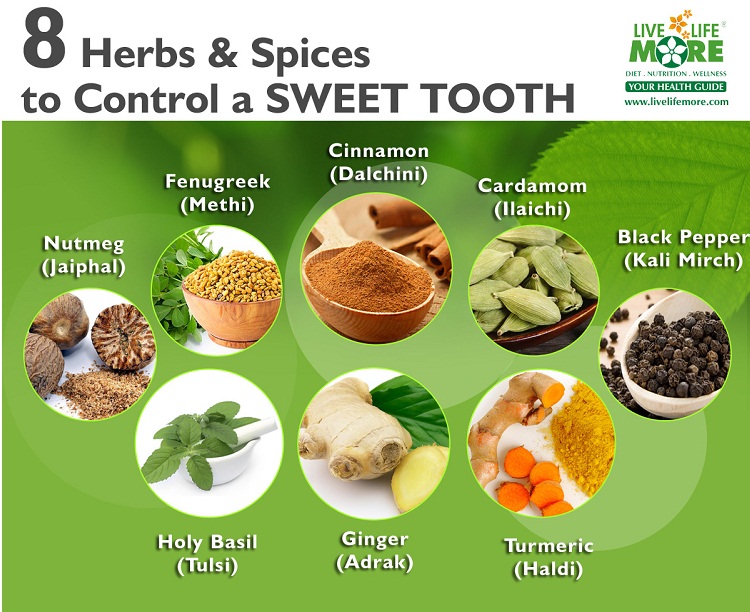
The term 8 herbs can refer to various combinations of herbs that are commonly used for culinary or medicinal purposes. For the sake of this response, let's consider a widely recognized set of eight culinary herbs that are essential in cooking and can be used to enhance various dishes.
1. Basil
Basil is a fragrant herb that belongs to the mint family. It is widely used in Mediterranean cuisine, especially in Italian dishes. Its sweet and slightly peppery flavor makes it an excellent addition to sauces, salads, and pizzas. The leaves can be used fresh or dried, and they are often paired with tomatoes for a classic combination.
- Commonly used in pesto and Caprese salad.
- Rich in antioxidants and has anti-inflammatory properties.
- Grows well in warm climates and can be easily cultivated in home gardens.
2. Oregano
Oregano is another aromatic herb that is essential in many Italian and Greek recipes. Its robust flavor can stand up to hearty dishes, making it a favorite in tomato-based sauces, grilled meats, and salad dressings. Oregano can be used fresh, but dried oregano is often preferred for its concentrated flavor.
- Contains compounds that may have antibacterial properties.
- Pairs well with Mediterranean herbs like thyme and rosemary.
- Commonly used in pizza and pasta dishes.
3. Parsley
Parsley is a versatile herb known for its fresh, mild flavor. It is often used as a garnish but also adds a refreshing taste to salads, soups, and sauces. There are two main types: curly parsley and flat-leaf (or Italian) parsley, with the latter being more flavorful.
- Rich in vitamins A, C, and K.
- Used in tabbouleh and chimichurri sauce.
- Can also help enhance the immune system.
4. Cilantro
Cilantro, also known as coriander, has a distinct flavor that is polarizing—people either love it or hate it. This herb is a staple in Mexican, Indian, and Asian cuisines, often used in salsas, curries, and garnishes. Its leaves and seeds have different culinary uses.
- High in antioxidants and may help lower blood sugar levels.
- Pairs well with lime and chili for zesty dishes.
- Used in both fresh and dried forms, depending on the recipe.
5. Thyme
Thyme is a fragrant herb that has a subtle earthy flavor. It is commonly used in Mediterranean dishes and pairs well with a variety of ingredients, including meats, vegetables, and soups. Both fresh and dried thyme can be used in cooking, with dried thyme having a stronger flavor.
- Rich in vitamins and is known for its preservative properties.
- Commonly used in roasts and braises.
- Blends well with other herbs such as rosemary and sage.
6. Rosemary
Rosemary is a woody herb known for its powerful aromatic qualities. Its flavor is robust and slightly pine-like, making it an excellent choice for seasoning meats, particularly lamb and poultry, as well as roasted vegetables. Rosemary can be used fresh or dried and is often incorporated into marinades.
- Has antioxidant and anti-inflammatory properties.
- Common in Mediterranean cuisine.
- May also enhance memory and concentration.
7. Dill
Dill is an herb characterized by its feathery leaves and distinct flavor, which is often described as slightly tangy and fresh. It is commonly used in pickling and pairs well with fish, yogurt sauces, and salads. The seeds of the dill plant are also used as a spice.
- High in vitamins A and C, along with essential minerals.
- Commonly used in dishes like tzatziki and potato salad.
- Known for its digestive health benefits.
8. Mint
Mint is known for its refreshing and cooling flavor, making it a popular herb in both culinary and beverage applications. It is commonly used in desserts, salads, and drinks like mojitos and mint tea. There are various types of mint, including spearmint and peppermint.
- Rich in vitamins and beneficial for digestion.
- Used in both savory and sweet dishes.
- Can also be used for its aromatic properties in herbal teas.
What is the king of all herbs?

The title of king of all herbs is often attributed to basil due to its widespread use and numerous health benefits. This aromatic herb, belonging to the mint family, is not only cherished for its flavor but also for its medicinal properties. It is widely used in culinary practices across the globe, especially in Italian, Thai, and Mediterranean cuisines. Here are some detailed aspects of basil's significance:
Historical Significance of Basil
Basil has a rich history that dates back thousands of years. It originated in India and has been revered in various cultures, particularly in Hindu rituals. Its name derives from the Greek word “basilikon,” meaning “royal.” This herb was considered sacred and was often associated with the afterlife. Here are a few historical highlights:
- Basil was used in ancient Egypt for mummification processes.
- The Greeks believed basil brought good luck and courage.
- Many cultures have associated basil with love and fertility, often using it in wedding ceremonies.
Culinary Uses of Basil
Basil is a versatile herb that complements a variety of dishes. It is known for its sweet and slightly peppery flavor, enhancing the taste of many ingredients. Its culinary applications vary significantly, showcasing its global appeal. Here are some common uses:
See also:
- Fresh basil is a staple in pesto, often blended with garlic, pine nuts, and olive oil.
- It enhances pasta dishes, particularly in sauces like marinara and arrabbiata.
- Basil is frequently used in salads, marinades, and as a garnish for soups and pizza.
Health Benefits of Basil
Basil is not only delicious but also packed with health-promoting properties. It contains essential oils, vitamins, and antioxidants that contribute to various health benefits. Some of the notable benefits include:
- Rich in antioxidants, which help fight free radicals and reduce oxidative stress.
- Possesses anti-inflammatory properties that can alleviate symptoms of arthritis and inflammatory diseases.
- May support digestive health and relieve symptoms of stomach discomfort.
Growing and Harvesting Basil
Basil is relatively easy to grow, making it an excellent choice for both home gardens and commercial farming. It thrives in warm climates and requires plenty of sunlight, making it suitable for outdoor cultivation. Key points about growing basil include:
- Ideal soil conditions include well-drained, nutrient-rich soil with a neutral pH.
- Basil can be grown from seeds or seedlings, and it is recommended to harvest regularly to promote bushier growth.
- To preserve its flavor, basil should be harvested before flowering.
Varieties of Basil
There are numerous varieties of basil, each with unique flavors, aromas, and uses. Some of the most popular types include:
- Sweet Basil: The most common type used in cooking, known for its sweet flavor.
- Thai Basil: Has a more peppery taste with hints of anise, commonly used in Asian cuisine.
- Holy Basil: Also known as Tulsi, revered in Ayurvedic medicine for its health benefits.
What are the top 10 herbs?
:max_bytes(150000):strip_icc()/VWH_Illustration_10-Healing-Herbs-With-Medicinal-Benefits_Illustrator_Mira-Norian_Title_Final-47ce13013375448c9e8e7e8c21fb50f7.jpg)
The top 10 herbs widely recognized for their culinary, medicinal, and aromatic properties include:
1. Basil
2. Oregano
3. Rosemary
4. Thyme
5. Cilantro
6. Mint
7. Parsley
8. Sage
9. Chives
10. Dill
Basil
Basil is a fragrant herb and a staple in Mediterranean cuisine. Its bright-green leaves are often associated with Italian dishes, particularly pasta sauces and pizzas. Beyond its culinary uses, basil boasts antioxidant properties and may aid in digestion.
- Enhances flavors in dishes.
- Rich in essential oils.
- Offers potential health benefits.
Oregano
Oregano is a robust herb known for its strong flavor and aroma. Commonly used in Italian, Mexican, and Greek cuisines, oregano is not only a culinary favorite but also a source of antimicrobial and antioxidant compounds.
- Pairs well with tomato-based dishes.
- Serves as a natural preservative.
- Supports immune health.
Rosemary
Rosemary is recognized for its pine-like fragrance and is a versatile herb in both cooking and herbal medicine. It is often used to enhance roasted meats and vegetables. Additionally, rosemary is believed to improve memory and concentration.
- Popular in marinades.
- Rich in antioxidants.
- May enhance mood and cognitive function.
Thyme
Thyme is a small-leaved herb with a strong flavor, often used in soups, stews, and as a seasoning for meats. Thyme is also known for its medicinal properties, including anti-inflammatory benefits and support for respiratory health.
- Contains powerful compounds.
- Versatile in cooking.
- May help alleviate coughs.
Cilantro
Cilantro, also known as coriander, is a herb that is integral to many global cuisines. With a fresh, citrus-like flavor, cilantro is often found in salsas and salads. It is also noted for its detoxifying properties.
- Brightens dishes.
- Rich in vitamins A and K.
- May reduce heavy metal toxicity.
Questions from Our Readers
What are the 8 best herbs to grow at home?
Growing herbs at home can be rewarding, and the 8 best herbs to consider include basil, parsley, cilantro, thyme, rosemary, oregano, chives, and mint. These herbs are not only easy to cultivate but also enhance your cooking with their fresh flavors.
How much sunlight do these herbs need?
Most of these herbs thrive in full sunlight, requiring around 6 to 8 hours of direct sunlight each day. It's important to ensure they receive adequate light to promote healthy growth and maximize their flavor.
Can I grow these herbs indoors?
Yes, you can successfully grow these herbs indoors as long as you provide them with enough light and well-draining soil. Making use of grow lights can also help if natural sunlight is limited in your living space, enabling year-round herb cultivation.
See also:
How often should I water these herbs?
Watering frequencies depend on the specific herb and its growing conditions, but a general rule is to water when the top inch of soil feels dry. Overwatering should be avoided, as it can lead to root rot and other issues affecting the health of the plants.

If you want to read more articles like Discover What are the 8 Herbs to Grow for Your Garden Success, we recommend you check out our Herbs category.
Leave a Reply
Related Articles