How to Grow Herbs in Canada? A Complete Guide for Successful Herb Gardening

Herb gardening in Canada can be a rewarding and enriching experience, even in the face of diverse climate challenges. From the sunny coasts of British Columbia to the frigid winters of the Prairies, understanding how to grow herbs suited to your environment is key to success. This complete guide will walk you through the essentials of herb gardening in Canada, including selecting the right herbs, optimal planting techniques, and tips for maintaining healthy plants throughout the growing season. Whether you're a novice or an experienced gardener, you'll find valuable insights to cultivate a thriving herb garden that enhances your cooking and nurtures your green thumb.
Growing Herbs Successfully in Canada
Growing herbs in Canada can be a rewarding experience, but it requires careful consideration of the local climate and conditions. Depending on the region, you might contend with cold winters and varying growing seasons. To start, choose cold-hardy herbs such as basil, cilantro, and rosemary. These can be grown both indoors and outdoors, but it's essential to use quality soil for drainage and nutrients. Utilize pots or raised beds to enhance accessibility and control over soil conditions. Additionally, implementing methods like greenhouse gardening or utilizing a grow light indoors can extend your growing season significantly, allowing you to enjoy fresh herbs all year round.
Understanding Canada's Climate Zones
Canada's climate varies significantly from coast to coast, presenting unique challenges and opportunities for herb gardening. The country is divided into several climate zones, ranging from maritime on the west coast to continental in the prairies and subarctic in the north. Each zone has distinct temperature ranges and frost dates, which are crucial for determining when to plant your herbs. Understanding your specific climate zone will help you select the right herbs to grow and when to start sowing seeds or transplanting seedlings.
Choosing the Right Herbs for Your Region
When selecting herbs for your garden, consider the temperature and moisture levels suitable for your region. Some excellent options include parsley, chives, and thyme for cooler regions, while oregano and basil thrive in warmer areas. It’s advisable to opt for native or adaptive species that are already suited to local conditions, as they require less maintenance and are more resistant to pests and diseases. Always verify the hardiness of these herbs to ensure that they can survive your winter climate.
Indoor vs. Outdoor Herb Gardening
Growing herbs indoors allows you to control the environment closely, making it easier to maintain suitable conditions. You can use windowsills or indoor grow lights to provide the necessary light, while potting them in high-quality soil ensures proper drainage. On the other hand, outdoor herb gardening takes advantage of natural sunlight and the great outdoors, but may require protection from harsh weather elements. Either method can be successful if you pay attention to your herbs’ specific needs and adapt your care routine accordingly.
Watering and Soil Requirements
Proper watering and soil quality are critical factors in the success of your herb garden. Most herbs prefer well-drained, nutrient-rich soil that retains some moisture without becoming waterlogged. Regularly check the moisture level of your soil and water when it feels dry to the touch, but be cautious not to overwater. Adding organic matter or compost to your soil can enhance its structure and fertility, promoting healthier growth and flavors in your herbs.
Pest Management and Herb Care
Maintaining a pest-free herb garden can be challenging, especially in a region where conditions may harbor various insects. Regularly inspect your plants for signs of infestation, such as discolored leaves or unusual growth patterns. To naturally deter pests, consider companion planting and using organic pest control methods like insecticidal soap or neem oil. Additionally, maintaining good garden hygiene by removing debris and ensuring good air circulation around your plants can help prevent issues and promote the overall health of your herbs.
| Herb | Optimal Zone | Cultivation Method |
|---|---|---|
| Parsley | 2-10 | Outdoor/Indoor |
| Basil | 4-10 | Outdoor |
| Thyme | 3-9 | Outdoor |
| Chives | 3-9 | Outdoor/Indoor |
| Oregano | 5-9 | Outdoor |
Do herbs grow back every year in Canada?
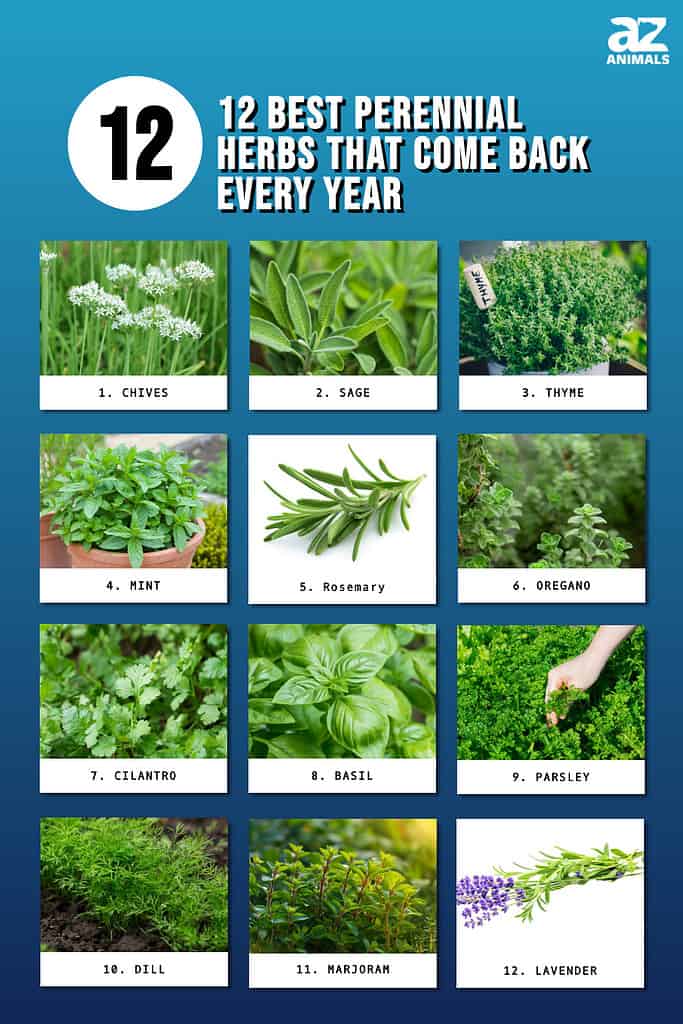
Yes, herbs can grow back every year in Canada, but this largely depends on whether they are classified as annual, biennial, or perennial herbs.
Annual herbs complete their life cycle within a single growing season. They die off at the end of the season and must be replanted each year. Biennial herbs take two years to complete their life cycle; they grow actively in the first year and flower in the second before dying. Perennial herbs, on the other hand, can live for multiple years and will typically regrow each spring from their root systems, making them an excellent choice for a garden that you want to maintain year after year.
The Canadian climate varies significantly from region to region, influencing which herbs can thrive and survive winter conditions. For instance, hardier herbs such as chives, sage, and thyme are more likely to return in the spring in many Canadian climates due to their resilience to cold temperatures.
Here is a detailed overview of the types of herbs and their growth patterns.
Understanding Annual Herbs
Annual herbs complete their life cycle within one growing season. They grow from seed, bloom, and die all within a single year.
- Basil: Grows quickly in warm weather but will not survive frost.
- Cilantro: Thrives in cool weather but dies off when summer heat arrives.
- Purslane: A drought-tolerant annual that flourishes during summer months.
Exploring Biennial Herbs
Biennial herbs have a life cycle that spans two years. They produce foliage in the first year and flower and seed in the second.
See also:
- Caraway: Grows lushly in the first year, then flowers and produces seeds the next.
- Horseradish: Grows large leaves in its first year and develops roots in the second.
- Thyme: While often treated as an annual, some varieties can be biennial depending on the climate.
Characteristics of Perennial Herbs
Perennial herbs live for several years, dying back in winter but regrowing from their roots in spring. They are often hardy and well-suited for repeat harvests.
- Chives: A hardy perennial that returns every spring with vibrant green shoots.
- Sage: Known for its aromatic leaves, sage survives harsh winters and regrows well.
- Oregano: Thrives in a variety of conditions and emerges each year with robust growth.
Climate Considerations for Herb Growth
The climate in Canada varies widely, affecting which herbs are suited for perennial growth.
- Hardiness zones: Understanding your local hardiness zone can help determine resilient herbs.
- Microclimates: Some sheltered areas may allow for more delicate herbs to survive winter.
- Soil conditions: Well-draining soil with proper nutrients can enhance the survival of herbs.
Tips for Growing Herbs in Canada
Successfully growing herbs in Canada requires some specific strategies based on climate and soil conditions.
- Mulching: Protects perennial herbs during harsh winters and promotes healthy growth.
- Season extension: Using cold frames or greenhouses can encourage earlier planting and prolonged harvests.
- Choosing hardy varieties: Selecting herbs best suited for your specific climate zone ensures their survival.
What is the easiest plant to grow in Canada?
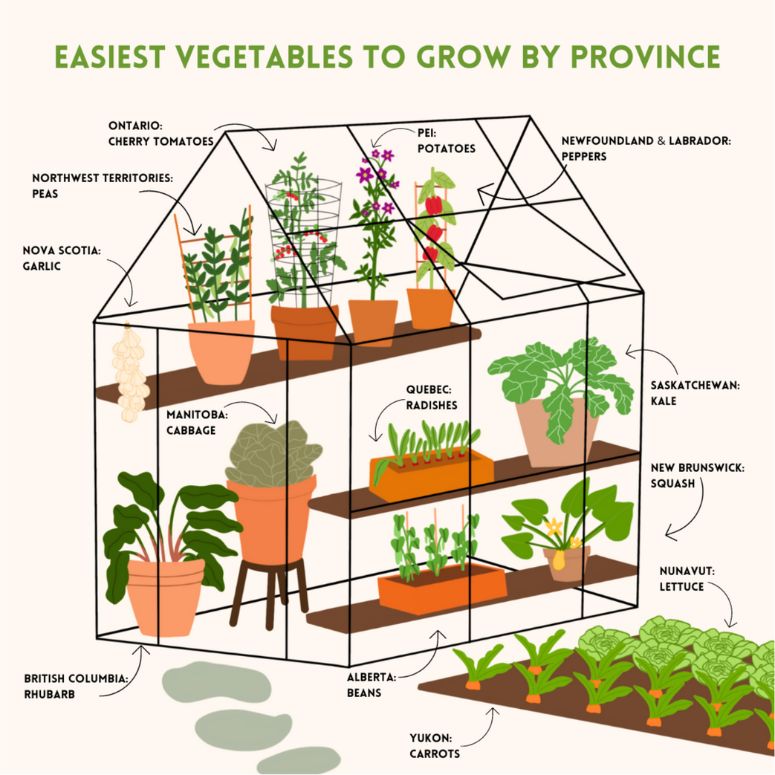
One of the easiest plants to grow in Canada is the Canada Lily (Lilium canadense). This native wildflower is well-adapted to the Canadian climate and requires minimal care while providing beauty and ecological benefits. Other easy-to-grow options include vegetables like radishes and herbs such as chives, which flourish in various Canadian regions.
The Benefits of Growing Canada Lily
The Canada Lily is a stunning addition to gardens and supports local wildlife. Here are some benefits:
- Native Species: Attracts local pollinators and maintains biodiversity.
- Low Maintenance: Requires minimal watering and care once established.
- Beautiful Blooms: Produces striking yellow-orange flowers that brighten gardens.
Best Vegetables for Canadian Gardens
Vegetables thrive in various Canadian climates, making them easy to grow. Here are some popular options:
- Radishes: Fast-growing and hardy; they can be sown in early spring.
- Carrots: They grow well in cool weather and can be harvested late in the season.
- Lettuce: Grows quickly and can be harvested multiple times during the growing season.
Herbs That Thrive in Canada
Herbs are not only easy to grow but also enhance culinary experiences. Consider these herbs:
- Chives: Hardy and perennial, they come back year after year with minimal care.
- Mint: Grows vigorously and can adapt to various growing conditions.
- Basil: Prefers warmer weather; easily grown in containers or gardens.
Container Gardening in Canada
For those with limited space, container gardening can be a fantastic option. Key considerations:
- Choosing Containers: Ensure pots have drainage holes to prevent waterlogging.
- Soil Selection: Use quality potting soil that provides nutrients and drainage.
- Sunlight Needs: Place containers where plants will receive adequate sunlight, typically 6-8 hours a day.
Seasonal Considerations for Planting
Understanding the seasons is crucial for successful planting in Canada. Key tips:
- Frost Dates: Know your local last frost date for spring planting.
- Hardiness Zones: Be aware of your zone to select appropriate plants for your region.
- Season Extension: Use row covers or cold frames to extend the growing season for certain plants.
What temperature is too cold for herbs?

Herbs are sensitive plants that thrive within specific temperature ranges. Generally, the majority of culinary herbs prefer a temperature range of 60°F to 75°F (15°C to 24°C). When temperatures drop below 50°F (10°C), many herbs start to show signs of stress. At 32°F (0°C), the risk of frost damage increases significantly, and most herbs will begin to suffer detrimental effects, leading to potential death at sustained freezing temperatures.
Understanding Frost Impact on Herbs
Frost can be particularly harmful to herbs, as it can damage the delicate tissues of the plants. When frost forms, it can lead to cell rupture and weaken the overall health of the herb. Some key points to consider include:
- Cell Damage: Frost can cause ice crystals to form inside plant cells, rupturing them.
- Leaf Wilting: Under frost conditions, leaves may curl, wilt, or become discolored.
- Reduced Yield: Plants may produce fewer leaves or flowers following a frost event, affecting harvest.
Herbs That Are More Cold-Tolerant
Certain herbs are more resilient to cold temperatures compared to others. These herbs can withstand lower temperatures without significant damage. Notable examples include:
See also:
- Thyme: Can tolerate temperatures down to 20°F (-6°C).
- Mint: Usually withstands light frosts.
- Chives: These can survive much lower temperatures and emerge in early spring.
Signs Your Herbs Are Too Cold
Identifying when your herbs are suffering due to cold temperature is crucial for their care. Here are some common signs to look for:
- Discoloration: Leaves may turn yellow or brown, indicating stress.
- Stunted Growth: Lack of new growth and overall plant vigor.
- Leaf Drop: Plants may shed leaves to conserve energy.
Protection Methods for Cold Weather
To protect herbs from cold temperatures, gardeners can employ various techniques to keep them safe. Effective methods include:
- Row Covers: Use lightweight fabric to insulate plants against cold.
- Mulching: Applying mulch can help retain heat in the soil.
- Container Moving: Bringing potted herbs indoors or to sheltered areas can prevent cold damage.
Best Practices for Herb Cultivation in Cold Climates
For those who live in colder climates, certain practices can maximize the health and productivity of herbs. Consider the following strategies:
- Choose Hardy Varieties: Opt to plant herbs known to be more resilient to cold weather.
- Early Planting: Planting herbs early in the season can help them establish before colder temperatures hit.
- Consistent Monitoring: Regularly check the weather forecasts and be prepared to take action.
What spices can you grow in Canada?
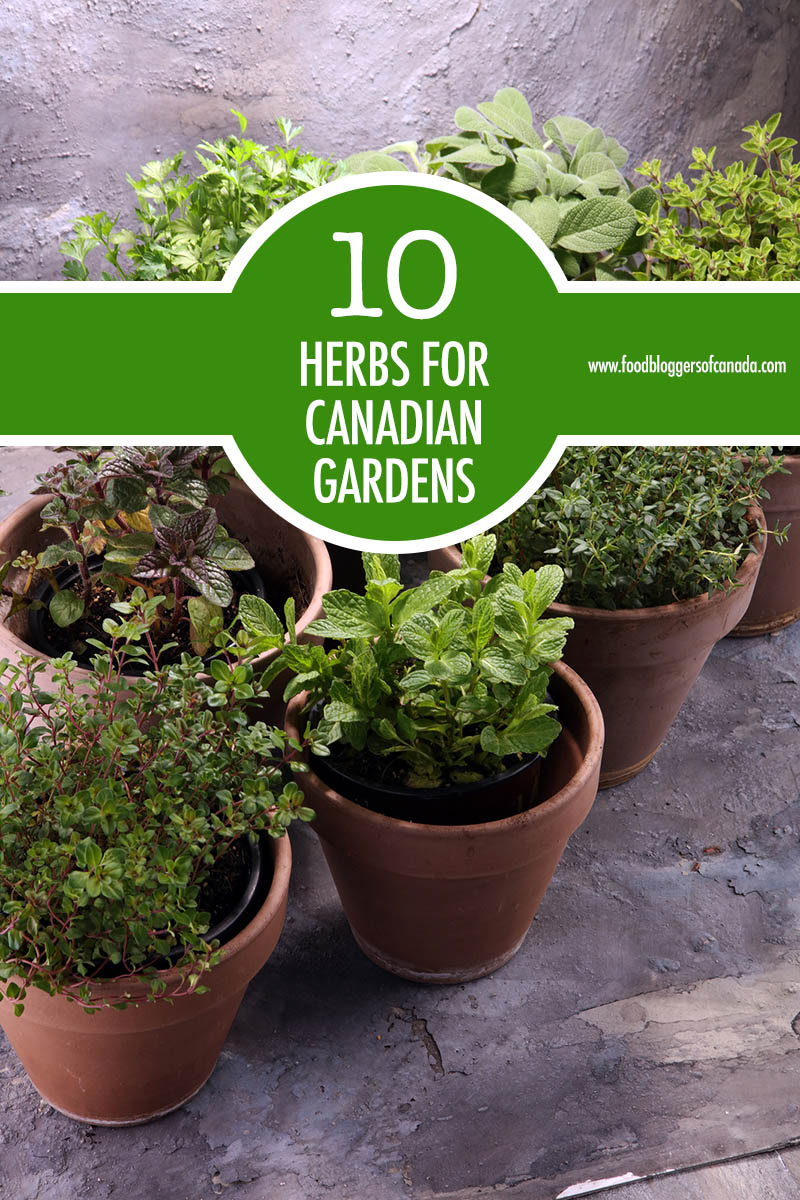
Growing spices in Canada can be a rewarding endeavor, even though the country’s climate may pose certain challenges. However, with the right selection of plants that can thrive in cooler temperatures, Canadians can enjoy homegrown spices. Here are some spices that are suitable for cultivation in various regions of Canada:
Top Herbs to Grow in Canadian Gardens
In Canada, many herbs that are also considered spices can be grown successfully, particularly during the warmer months. Some popular options include:
- Basil: Thrives best in warm weather; needs full sun and well-drained soil.
- Thyme: Hardy and drought-resistant, can survive harsh winters in many regions.
- Oregano: A perennial herb that can be cultivated easily in garden beds or containers.
Understanding the Climate Requirements
Canadian climate varies significantly from region to region, which impacts the types of spices that can be successfully grown. It's beneficial to choose herbs and spices that are resilient to local conditions:
- Cool-Season Spices: Plants like dill and chives do well in cooler temperatures and can be sown in early spring.
- Warm-Season Spices: Spices such as cilantro and fennel thrive during the warmer summer months.
- Hardiness Zones: Acknowledge the hardiness zone of your area; herbs like rosemary may require winter protection in colder zones.
Container Gardening for Spices
Container gardening is an excellent way to grow spices in Canada, especially for those with limited outdoor space. This method allows for easy mobility and better control over growing conditions:
- Mobility: You can move containers indoors or to sheltered areas to protect plants from frost.
- Soil Quality: Use high-quality potting soil to ensure proper drainage and nutrient availability.
- Sunlight Needs: Place containers in sunny spots, as most spices require at least 6 hours of sunlight daily.
Harvesting and Storing Spices
Once your spices are mature, proper harvesting and storage methods are crucial to maintain their flavor and potency:
- Timing: Harvest spices in the morning when their essential oils are at peak levels.
- Drying Methods: Use air drying or a dehydrator to remove moisture from the leaves and stems effectively.
- Storage Conditions: Store dried spices in airtight containers, away from light and heat, to prolong freshness.
Pests and Diseases to Watch Out For
Like any garden plants, spices can be susceptible to various pests and diseases. Recognizing these early is essential for effective management:
- Common Pests: Watch for aphids, spider mites, and whiteflies that may infest herb plants.
- Disease Prevention: Good air circulation and avoiding overcrowding can reduce the risk of fungal diseases.
- Natural Remedies: Use insecticidal soap or neem oil as organic solutions to address pest issues.
Questions from Our Readers
What types of herbs can I grow in Canada?
Growing herbs in Canada depends on the climate zone you are in, but popular choices include basil, oregano, parsley, and thyme. These herbs are generally well-suited for the growing conditions in most regions. For areas with shorter growing seasons, consider starting herbs indoors or choosing hardy varieties that can withstand cooler temperatures.
What is the best time to plant herbs in Canada?
The ideal time to plant herbs in Canada is typically in the spring, after the last frost date, which can vary significantly depending on your region. If you are growing herbs indoors, you can start as early as winter, using grow lights to ensure they receive adequate light during the shorter days.
How should I care for my herbs during winter?
During winter, it's essential to provide proper care for your herbs, especially if they are indoors. Ensure they receive enough sunlight by placing them near a window or using artificial lights, and maintain adequate moisture in the soil without overwatering. Some herbs may also benefit from periodic fertilization to support their growth during the colder months.
Can I grow herbs outdoors in Canada year-round?
Growing herbs outdoors year-round in Canada can be challenging due to harsh winter conditions. However, you can grow certain perennial herbs, like chives and mint, which may survive in milder areas if mulched properly. For most herbs, consider using containers that can be brought indoors during the cold months to ensure they continue to thrive.
See also:

If you want to read more articles like How to Grow Herbs in Canada? A Complete Guide for Successful Herb Gardening, we recommend you check out our Herbs category.
Leave a Reply
Related Articles