What Herbs Should I Not Mix Together? A Guide to Safe Herbal Combinations

The world of herbs is vast and diverse, offering a plethora of flavors and potential health benefits. However, not all herbs coexist harmoniously. Mixing certain herbs can lead to adverse reactions, diminishing their effectiveness or even causing harm. This guide aims to shed light on which herbs should be avoided in combination, helping you make informed choices for your culinary and herbal practices. By understanding these interactions, you can enhance the safety and efficacy of your herbal remedies and recipes, ensuring a more beneficial experience for both your palate and your well-being.
Herbs That Should Not Be Mixed Together
Mixing certain herbs can lead to undesired effects, including changes in flavor or potential negative reactions. For instance, basil and rosemary can clash in terms of taste, while combining herbs like mint and sage may create an overwhelming flavor profile that masks the distinct characteristics of each herb. Additionally, some herbs can negate the medicinal properties of others; for instance, ginkgo biloba and garlic may interact in ways that enhance bleeding risk. It is crucial to research and understand the compatibility of the herbs you plan to use in culinary or medicinal applications to avoid any adverse reactions.
Basil and Rosemary
Mixing basil and rosemary is often discouraged due to their conflicting flavor profiles; basil has a sweet, aromatic quality, while rosemary is more savory and slightly pine-like. When used together, the flavors can compete, leading to a muddied taste that fails to highlight the characteristics of either herb, potentially ruining a dish meant to showcase the elegance of fine herbs.
Mint and Sage
The combination of mint and sage is generally considered unappealing because of their strong and distinct flavors. Mint is cool and refreshing, which can overpower the earthy, slightly peppery essence of sage. When they are mixed, the strong mint flavor often dominates, masking the complex notes of the sage, making it difficult to appreciate their individual profiles.
Ginkgo Biloba and Garlic
When considering medicinal properties, it is important to note that combining ginkgo biloba with garlic might heighten the effects associated with blood thinning. Both herbs have properties that can influence blood flow and coagulation, which may pose a risk for individuals taking blood thinners or those with bleeding disorders. Therefore, it is advisable to consult a healthcare provider before using these herbs together.
Cilantro and Dill
While both cilantro and dill are popular in different cuisines, they are typically not recommended for mixing. Cilantro has a bright, citrusy flavor, while dill lends a sweet, anise-like taste. When combined, they can create a confusing flavor experience that detracts from the intended essence of a dish, making it hard for diners to appreciate either herb fully.
Thyme and Oregano
The use of thyme and oregano together can sometimes cause a clash due to their respective bold flavors. While they are both staple herbs in Mediterranean cuisine, when used in excess together, their strong characteristics can overwhelm a dish. It’s often best to use one or the other to ensure that the dish remains balanced and flavorful without being overpowered.
| Herb Combination | Reason to Avoid |
|---|---|
| Basil & Rosemary | Conflicting flavors |
| Mint & Sage | Overpowering flavor clash |
| Ginkgo Biloba & Garlic | Enhanced bleeding risk |
| Cilantro & Dill | Confusing flavor experience |
| Thyme & Oregano | Potential overpowering flavors |
What herbs should not be put together?
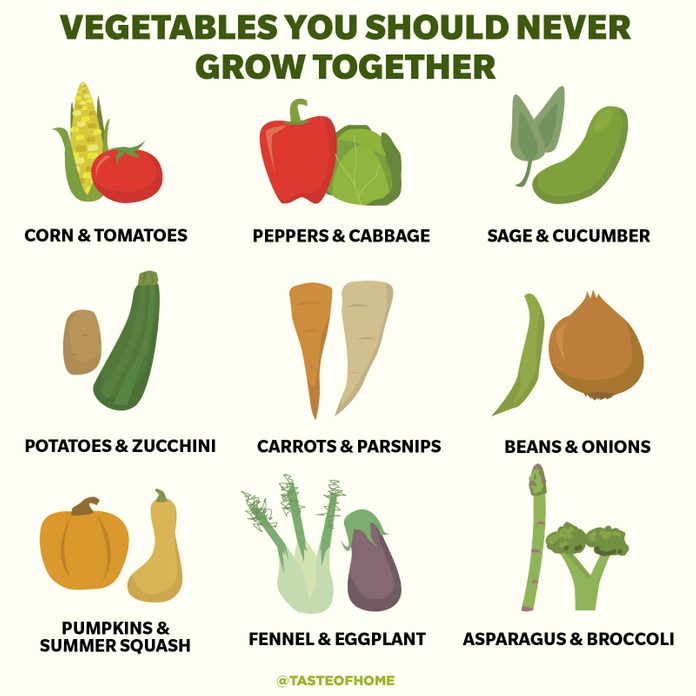
Certain herbs can interact poorly when combined, affecting their flavor and overall effectiveness. Understanding which herbs should not be used together can enhance culinary dishes and ensure that the desired health benefits are achieved without any adverse effects. Here are some key combinations to avoid:
1. Basil and Rosemary
Basil and rosemary have very different flavor profiles. When combined, they can clash rather than complement, overpowering each other. Basil has a sweet and slightly peppery flavor, while rosemary is more robust and woody. They may compete rather than create a unified taste, making it best to use them separately.
- Enhances individual flavors when used alone.
- Avoids overpowering combinations.
- Maintains the integrity of traditional recipes.
2. Cilantro and Basil
Cilantro and basil can also create a conflicting taste when used together. While cilantro has a fresh, citrusy flavor, basil's sweet and peppery notes can be overwhelming. Using these herbs in the same dish can muddle the flavor, detracting from the unique characteristics of each.
- Contrast in flavor profiles can cause confusion.
- Preserves the authenticity of each herb in distinct dishes.
- Allows for better pairing with appropriate cuisine.
3. Dill and Mint
Dill and mint both possess strong flavors that can overshadow each other when they are combined. Dill has a more delicate, grassy taste, while mint can be refreshing but also quite potent. The two herbs may not create a harmonious dish together, leading to a disjointed flavor experience.
- Highlights the unique properties of each herb.
- Ensures that flavor remains balanced.
- Better suited for different types of dishes.
4. Oregano and Sage
Oregano and sage are both aromatic herbs, yet they have distinct flavor profiles that may clash. Oregano is robust and peppery, while sage has a strong, earthy taste that can dominate dishes. Mixing these can lead to an imbalance, overpowering more subtle elements in a dish.
See also:
- Maintains a balanced flavor profile in recipes.
- Enables clearer expressions of different flavors.
- Encourages the use of complementary herb combinations.
5. Thyme and Lemongrass
Thyme and lemongrass may seem like a fitting combination, but the nuanced flavors of each can conflict. Thyme has a strong, earthy presence, while lemongrass brings a light, citrusy brightness. Their differences can create a confusing taste that fails to highlight the best attributes of each herb.
- Preserves the individual characteristics of each herb.
- Avoids flavor confusion in culinary applications.
- Supports clearer flavor profiles in dishes.
What herbs cannot be next to each other?

Herbs can greatly benefit from careful planning in the garden, particularly regarding their growth compatibility. Some plants thrive in the presence of certain herbs while others can hinder each other's growth when planted too close together. Below are some herbs that should not be planted next to each other, along with explanations to understand why.
1. Basil and Rue
Basil and rue are known to have negative interactions when grown in proximity. Rue can inhibit the growth of basil due to its strong odor and chemical compounds that can affect basil's growth pattern. If planted near each other, basil may not develop its full flavor or aroma.
- Basil prefers warm, sweet-smelling companions.
- Rue can negatively affect the overall health of basil plants.
- Both herbs have differing growth needs, making them incompatible.
2. Sage and Cucumbers
Sage can have detrimental effects on the growth of cucumbers. The oils released from sage can impact the flavor and growth rate of cucumbers. Additionally, sage may attract pests that target cucumbers, leading to potential infestations.
- Sage has strong essential oils that can repel or confuse cucumber plants.
- The root systems of both plants compete for nutrients.
- Unfavorable interactions can lead to lower yields for cucumbers.
3. Fennel and Most Herbs
Fennel is considered a bad companion for many herbs because it can release chemicals that inhibit the growth of neighboring plants. It particularly affects herbs like basil, cilantro, and dill, causing stunted growth and poor yields.
- Fennel exudes chemicals that can suppress growth in adjacent plants.
- These chemicals can impact the flavor profile of other herbs.
- Planting fennel near other herbs may lead to reduced crop diversity.
4. Mint and Everything
Mint is known for its invasiveness; while it can be a flavorful herb, it can overpower other plants in terms of growth. Planting mint near most other herbs will lead to competition for space and nutrients, often choking them out.
- Mint's rapid growth can overshadow slower-growing herbs.
- It can prevent adequate sunshine from reaching neighboring plants.
- Mint can spread aggressively, taking over the garden bed.
5. Coriander and Fennel
Coriander, also known as cilantro, is highly sensitive to its growing conditions. When grown near fennel, it can face issues such as bolting or poor flavor due to chemical interactions between the two. This can be especially critical for those who rely on coriander for cuisine.
- Coriander's growth can be stunted by fennel's presence.
- Bolt stress can lead to undesirable growth patterns.
- Flavors may become compromised when both are grown together.
What herbs should not be blended together?
When considering the combinations of herbs in culinary practices or herbal remedies, it is essential to understand that not all herbs should be blended together. Some herbs have strong flavors or medicinal properties that can clash, neutralize each other, or create undesirable effects. Below are some specific herbs that should not be blended together, along with a detailed explanation of why they should be avoided as well as related subtopics.
Herbs with Conflicting Flavors
Combining herbs with strong and conflicting flavors can lead to dishes that are unpalatable. For instance:
- Mint and Rosemary - The sweet freshness of mint can overpower the earthy tones of rosemary.
- Basil and Thyme - Both herbs have robust profiles, and while some might find them complementary, they can clash in certain dishes.
- Oregano and Dill - The pungent flavor of oregano can overwhelm the subtlety of dill.
Herbs that Cause Digestive Issues Together
Some herbs can cause digestive discomfort when mixed, particularly for those with sensitive stomachs. These include:
- Ginger and Peppermint - While both are great for digestion, they can sometimes lead to stomach upset when mixed.
- Fennel and Cilantro - Combining these may lead to gastric distress in some individuals.
- Cumin and Thyme - Mixing these can be hard on the stomach, leading to symptoms in sensitive individuals.
Herbs with Opposing Medicinal Properties
In herbal medicine, some herbs can counteract each other’s effects. This is important in therapeutic settings:
See also:
- Chamomile and Ginseng - Chamomile may promote relaxation, while ginseng can stimulate, creating a conflicting effect.
- Lavender and Rosemary - Lavender's calming effects can be negated by the stimulating properties of rosemary.
- St. John’s Wort and Valerian - Combining these can create unpredictable effects due to their opposing actions on the nervous system.
Herbs that Alter Flavor Profiles
Some herbs can significantly alter the flavor profiles of dishes, making them less enjoyable:
- Garlic and Sage - Garlic’s intense flavor can overshadow sage’s more subtle taste.
- Cardamom and Thyme - The sweetness of cardamom can clash with thyme’s herbal notes.
- Parsley and Rosemary - While both herbs are popular, their flavors can struggle to complement each other.
Herbs with Strong Aromas
Certain herbs have strong aromas that may not blend well together, leading to an overpowering scent:
- Fennel and Cilantro - Both have strong aromas that can conflict, especially in culinary applications.
- Oregano and Garlic - The overpowering aroma of garlic can dominate the dish, masking the more subtle notes of oregano.
- Thyme and Mint - Thyme’s earthy scent can clash with the fresh burst of mint.
What herbs should be avoided?
Certain herbs can pose risks to health, especially if misused or if an individual has specific health conditions. It is crucial to be aware of these herbs to avoid potential complications. Below are some herbs that are commonly advised to be avoided:
1. Comfrey
Comfrey is often used for its healing properties, particularly for external wounds and skin ailments. However, it contains pyrrolizidine alkaloids that can cause liver damage when taken internally. Long-term use or high doses can lead to serious health issues, including liver failure. It is also contraindicated in pregnant women.
- Liver toxicity risk.
- Not recommended for internal use.
- Potential for long-term health complications.
2. Kava
Kava is well-known for its sedative effects and is often used to alleviate anxiety. However, it has been associated with severe liver damage and hepatotoxicity. Many countries have restricted its use due to these health concerns. Users should be cautious, particularly those with liver issues or those taking medications metabolized by the liver.
- Considerable risk of liver damage.
- Not suitable for individuals with liver conditions.
- Interactions with other medications.
3. Pennyroyal
Pennyroyal is often used as a natural remedy for various ailments, including digestive issues. However, it contains pennyroyal oil, which can be toxic in high doses and potentially dangerous, especially for pregnant women as it may induce miscarriage. Its use is highly discouraged without professional guidance.
- Potentially lethal in high doses.
- Contraindicated during pregnancy.
- Can cause severe liver damage.
4. Licorice Root
While licorice root has a long history of medicinal use, excessive consumption can lead to hypertension and imbalances in electrolytes due to the compound glycyrrhizin. It can also interact adversely with certain medications, making it essential to use it under medical supervision.
- Can elevate blood pressure.
- Possible electrolyte imbalance.
- Interactions with medications.
5. Chaparral
Chaparral is often touted for its supposed health benefits, including anti-inflammatory properties. However, it has been linked to liver toxicity and has been banned for use in dietary supplements in some areas. The toxic effects can occur even with short-term use.
- Risk of liver damage.
- Banned in dietary supplements in some regions.
- Not recommended for any medicinal use.
Questions from Our Readers
What herbs should I avoid mixing due to potential toxicity?
Mixing certain herbs can lead to toxic reactions. For example, St. John's Wort should not be combined with Ginkgo biloba, as this may increase the risk of serotonin syndrome. Additionally, chamomile can interact adversely with blood thinners, causing complications.
Are there any herbs that enhance or diminish the effects of others?
Yes, some herbs can either enhance or diminish the effects of other herbs. For instance, Kava can enhance the sedative effects of herbs like Valerian root, while milk thistle may inhibit the effectiveness of certain medications due to its impact on liver enzymes.
Can mixing herbs affect their medicinal properties?
Absolutely, mixing herbs can affect their medicinal properties. For example, combining ginger and garlic may enhance their anti-inflammatory effects, whereas mixing turmeric with black pepper significantly increases the bioavailability of curcumin, the active component of turmeric.
What should I consider when combining culinary herbs in cooking?
When combining culinary herbs, consider their flavors and aromas. For instance, mixing basil with rosemary might clash because their flavor profiles are quite different. It's also important to balance strong herbs like oregano with milder ones like parsley to achieve a harmonious dish.
See also:

If you want to read more articles like What Herbs Should I Not Mix Together? A Guide to Safe Herbal Combinations, we recommend you check out our Herbs category.
Leave a Reply
Related Articles