Are Heuchera Heavy Feeders? Essential Tips for Thriving Growth and Care

Heucheras, commonly known as coral bells, are cherished for their vibrant foliage and unique textures, but do they require a heavy feeding regimen? Understanding their nutritional needs is crucial for ensuring healthy growth and vibrant colors. In this article, we will explore whether Heucheras are heavy feeders and provide essential tips to promote thriving growth and optimal care. From soil composition to fertilization techniques, we will cover the key factors that influence the health of these versatile perennials. Whether you're a seasoned gardener or a novice, you'll find valuable insights to help your Heucheras flourish in any garden setting.
Are Heuchera Heavy Feeders?
Heucheras, commonly known as coral bells, are not considered heavy feeders; instead, they require a balanced approach to fertilization. These perennial plants thrive in well-drained soil and prefer moderate nutrient levels. While a high-performance or slow-release fertilizer can be beneficial during the growing season, over-fertilization can lead to lush foliage but poor flowering. It is advisable to conduct a soil test to determine nutrient levels and pH, and based on the results, amend the soil accordingly. Regular applications of organic matter such as compost can significantly enhance soil fertility without overwhelming the plants.
Understanding Heuchera Nutrient Needs
Heucheras have relatively low nutritional demands compared to other garden plants. They primarily require a balanced supply of nitrogen, phosphorus, and potassium. A standard garden fertilizer with equal ratios of these nutrients can suffice, but it should be applied sparingly. Inadequate nutrients can lead to stunted growth, while excess can cause lush foliage with minimal flowers. The goal is to maintain healthy plants with vibrant leaves and blooms through careful monitoring and moderate fertilization.
Signs of Nutrient Deficiency
When Heucheras experience nutrient deficiency, they may exhibit certain symptoms such as yellowing leaves, reduced growth, and a lack of flowers. The yellowing often starts with the lower leaves and can indicate a lack of nitrogen, while poor flowering may suggest a phosphorus deficiency. To address these issues, gardeners should first conduct a soil test to determine which nutrients are lacking, then choose a suitable fertilizer to amend the deficiencies observed.
The Role of Soil Quality
The quality of the soil greatly impacts the health of Heucheras. They thrive in well-draining soil that retains some moisture but does not become waterlogged. Healthy soil that is rich in organic matter not only provides essential nutrients but also improves soil structure and water retention. Amending the soil with compost or well-rotted manure can enhance its properties, ensuring that Heucheras receive a steady supply of nutrients without the risk of over-fertilization.
Fertilization Schedule for Heucheras
A effective fertilization schedule for Heucheras typically involves feeding them in the early spring as they start to grow and again in mid-summer, especially if they are in containers or are grown in poorer soils. During these times, a balanced fertilizer can be applied according to package directions. Care should be taken not to fertilize late in the season, which can promote new growth that may be damaged by impending cold weather.
Organic vs. Synthetic Fertilizers
Both organic and synthetic fertilizers can benefit Heucheras, but they have different impacts on soil health. Organic fertilizers, such as compost or well-rotted manure, release nutrients slowly and improve soil structure over time. In contrast, synthetic fertilizers provide a quick nutrient boost but can leach away more quickly, possibly leading to nutrient runoff. Choosing the right type depends on the gardener's goals, but many prefer organic options for their long-term benefits to soil health.
| Nutrient | Function | Deficiency Symptoms |
|---|---|---|
| Nitrogen | Promotes healthy leaf growth | Yellowing leaves, stunted growth |
| Phosphorus | Encourages flowering and root development | Poor blooming, weak root structure |
| Potassium | Strengthens plant health and resistance | Brown leaf edges, weak stems |
What is the best fertilizer for heucheras?
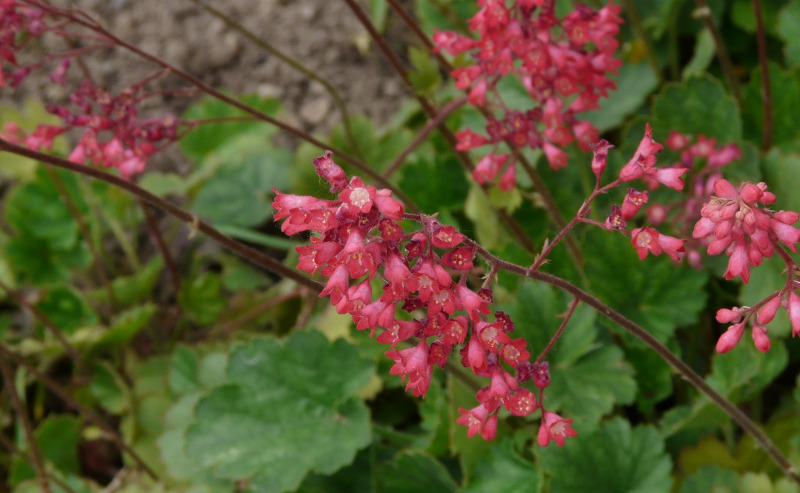
The best fertilizer for heucheras is one that provides a balanced nutrient profile, promoting healthy growth and vibrant foliage. Heucheras, commonly known as coral bells, thrive in well-drained soil and benefit from a fertilizer that is rich in organic matter. A balanced N-P-K ratio (nitrogen, phosphorus, potassium) of 10-10-10 or 20-20-20 is ideal, ensuring that the plants receive adequate nutrition for both growth and flowering.
Organic vs. Synthetic Fertilizers
When choosing fertilizer for heucheras, you may consider either organic or synthetic options.
- Organic fertilizers such as compost or well-rotted manure improve soil structure, enhance moisture retention, and promote beneficial microbial activity.
- Synthetic fertilizers offer a quick-release infusion of essential nutrients, which can be beneficial for rapid growth.
- Choosing between organic and synthetic often depends on your gardening style, soil conditions, and desired growth rate.
Water Soluble Fertilizers
Water-soluble fertilizers are highly effective for heucheras because they can be quickly absorbed by the plant roots.
- These fertilizers allow for precise control of nutrient delivery, making it easy to adjust according to plant needs.
- They are particularly useful during the growing season when heucheras are actively producing new leaves and flowers.
- Common formulations include those rich in micronutrients, which support overall plant health.
Slow-Release Fertilizers
Slow-release fertilizers are another excellent option for heucheras, providing a steady supply of nutrients over time.
- These fertilizers reduce the frequency of application, making them a convenient choice for busy gardeners.
- They help in minimizing nutrient leaching and ensuring that heucheras receive a consistent nutrient supply.
- It's advisable to choose products with a balanced nutrient content, such as 10-10-10, to meet the ongoing needs of your plants.
Fertilizing Frequency and Timing
The timing and frequency of fertilization are crucial for maximizing the health of your heucheras.
See also:
- Fertilize heucheras in early spring as the new growth begins to emerge, signaling the start of the growing season.
- A second application can be made mid-summer to provide additional nutrients during active growth.
- Be cautious not to over-fertilize, as this can lead to excessive foliage growth at the expense of blooms.
Signs of Nutrient Deficiency
Being aware of the signs of nutrient deficiency in heucheras can help you take timely action.
- Yellowing leaves can indicate nitrogen deficiency, while purple leaves may suggest a lack of phosphorus.
- Poor growth and lack of flowering can also be symptoms of inadequate nutrient supply.
- Regularly monitoring your plants can help you apply the right fertilizer at the right time for optimal health.
Are coral bells heavy feeders?
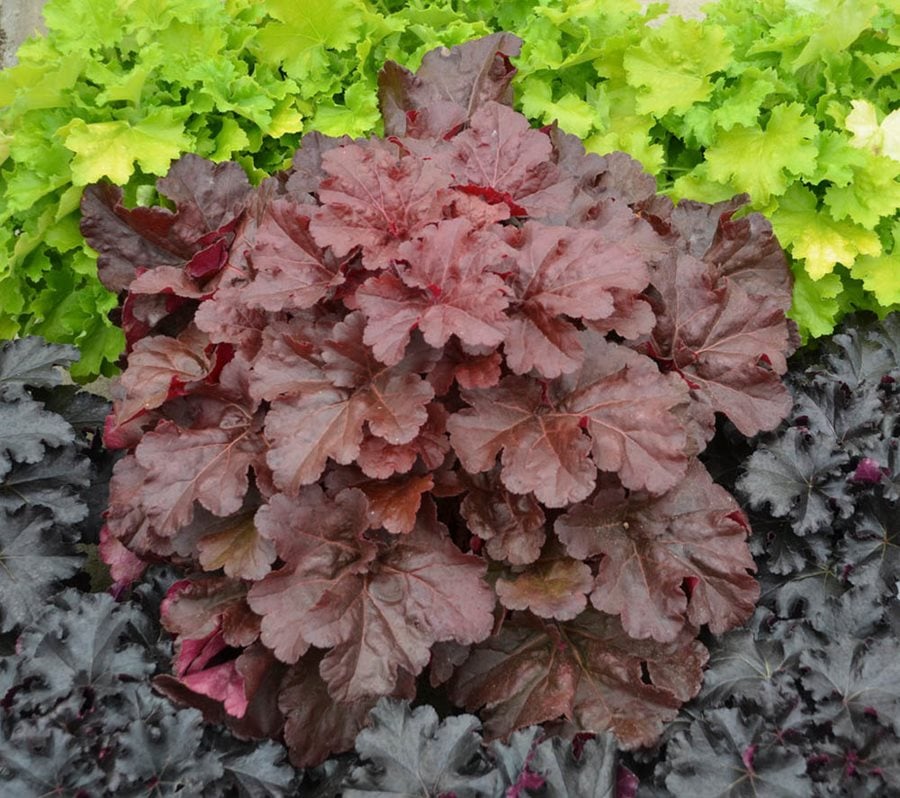
Coral bells, or Heuchera, are not considered heavy feeders compared to many other garden plants. They thrive in a variety of soil types, and while they benefit from nutrient-rich soil, they do not require excessive fertilization. Over-fertilization can even lead to problems such as lush foliage with fewer flowers. Therefore, it is important to provide a balanced approach to feeding coral bells to ensure optimal growth.
Nutrient Requirements
Coral bells have specific nutrient needs which can be fulfilled with moderate fertilization. They benefit from the following:
- Balanced fertilizer: A slow-release, balanced fertilizer can support healthy growth without overwhelming the plants.
- Organic matter: Incorporating compost or well-rotted manure into the soil can improve nutrition and water retention.
- Micronutrients: Coral bells may also need micronutrients like iron and magnesium, especially in alkaline soils.
Signs of Nutrient Deficiency
Recognizing symptoms of nutrient deficiency is crucial for coral bells' health. Common signs include:
- Yellowing leaves: This often indicates a lack of nitrogen or iron.
- Poor flowering: Insufficient phosphorus can lead to fewer blooms.
- Pale foliage: It may suggest a deficiency in essential micronutrients.
Optimal Soil Conditions
The soil conditions play a significant role in the health of coral bells. Ideal conditions include:
- Well-drained soil: Coral bells prefer soil that retains some moisture but drains well to prevent root rot.
- pH level: A slightly acidic to neutral pH (around 6.0 to 7.0) is ideal for nutrient availability.
- Organic content: High organic matter content can enhance soil fertility and support healthy root systems.
Feeding Schedule
A proper feeding schedule can support coral bells throughout their growing season. Recommended practices include:
- Spring application: Fertilize in early spring as new growth begins to establish.
- Mid-season boost: A light feeding in mid-summer can help sustain growth and blooming.
- End of season: Avoid fertilizing late in the growing season to prevent tender growth before winter.
Alternatives to Heavy Feeding
Instead of relying solely on fertilizers, consider these alternatives for nourishing coral bells:
- Mulching: Use organic mulch to retain moisture and slowly release nutrients as it decomposes.
- Companion planting: Planting coral bells alongside other plants can improve overall soil health.
- Regular soil testing: Routine testing can guide nutrient needs and prevent over-fertilization.
What is the heuchera problem?

The Heuchera problem refers to a specific issue in the field of computer graphics and algorithm design. Specifically, it is concerned with the challenge of determining the visibility and rendering of objects based on their geometric arrangement. This problem often arises in computer-aided design (CAD) and computer graphics when rendering scenes or models that include elements which can obstruct the view of other elements.
Definition of the Heuchera Problem
The Heuchera problem is fundamentally about the relationships between various objects in a 3D space regarding their visibility and overlap. It is characterized by the complexities that occur when multiple objects intersect or align in ways that affect how they are viewed or interact.
- Visibility determination: The problem involves figuring out which parts of an object are visible to the viewer.
- Overlapping objects: When objects overlap, understanding which object should be rendered on top can be a challenge.
- Rendering efficiency: The need for efficient algorithms to minimize computational resources while accurately displaying scenes is crucial.
Applications of the Heuchera Problem
The Heuchera problem has significant implications across various domains, especially in computer graphics, CAD, and gaming industries. Its applications are crucial for high-quality visual representation of complex structures.
- Computer graphics: Accurate rendering of scenes necessitates solving visibility-related issues.
- 3D modeling: In CAD systems, ensuring that designers can view all necessary components is essential.
- Video games: Game engines must resolve these issues to enhance gameplay experiences and visual fidelity.
Challenges Faced in Solving the Heuchera Problem
Addressing the Heuchera problem involves numerous challenges. These challenges can lead to performance bottlenecks and require careful algorithmic strategies.
See also:
- Complex geometries: Non-linear shapes create difficulties in computing visibility.
- Resource management: Handling large datasets can strain system performance if not optimized properly.
- Algorithmic complexity: Many approaches to solve the problem have high computational costs, making them impractical for real-time applications.
Algorithmic Solutions
Various algorithms have been developed to address the Heuchera problem effectively. These solutions vary in complexity and efficiency, depending on specific use cases.
- Z-buffer algorithm: This technique keeps track of depth information to correctly render surfaces based on distance from the viewer.
- Ray tracing: It simulates the path of rays to determine visibility, producing high-quality visuals but at a higher computational cost.
- Spatial partitioning: Techniques like octrees or BSP trees help in managing complex scenes by dividing space into manageable sections.
Future Directions in Addressing the Heuchera Problem
As technology advances, the pursuit of effective solutions to the Heuchera problem continues. Emerging methodologies and interdisciplinary approaches are paving the way for improvements.
- Machine learning: Utilizing AI to predict visibility can optimize rendering processes significantly.
- Parallel processing: Leveraging multi-core processors for real-time rendering tasks is becoming more prevalent.
- Enhanced user interactions: Developing interfaces that allow users to intuitively manage visibility will improve usability in design software.
Do heuchera like a lot of water?
:max_bytes(150000):strip_icc()/GettyImages-628140394-0ccd7fbe09284f378cf05b75e2ae724f.jpg)
Heuchera, commonly known as coral bells, are popular ornamental plants favored for their vibrant foliage and adaptability. When it comes to watering, understanding the needs of heuchera can be crucial for their health and longevity.
Watering Requirements for Heuchera
Heuchera do not require a lot of water compared to other plants. They prefer well-draining soil, which helps prevent root rot. Overwatering can lead to serious health issues for these plants.
- Soil Moisture: Heuchera thrive in slightly dry conditions; maintain soil moisture without saturating it.
- Watering Frequency: It is better to water deeply but less frequently, allowing the soil to dry out between watering sessions.
- Environmental Factors: Consider the climate and exposure; in hot, dry weather, they may need more moisture, but in cooler conditions, less is required.
Signs of Overwatering
It’s essential to recognize the signs of overwatering in heuchera. Symptoms can include yellowing leaves, wilting, and a possibility of root rot.
- Leaf Discoloration: Yellow leaves are a common indication that the plant is receiving too much water.
- Wilting: Ironically, heuchera may look wilted due to excessive water, despite the soil being saturated.
- Root Issues: Persistent wet conditions can lead to root rot, which is difficult to reverse.
Best Watering Practices
To keep heuchera healthy, it’s vital to develop effective watering practices. These practices ensure that the plants receive the right amount of water without drowning their roots.
- Water Early: Early morning is the best time to water, allowing plants to absorb moisture before heat sets in.
- Drip Irrigation: Consider using drip irrigation systems for consistent and efficient moisture delivery.
- Observation: Regularly check soil moisture with your fingers; it should feel dry an inch below the surface before watering.
Seasonal Watering Adjustments
Heuchera’s water needs can change with the seasons. Knowing how to adjust your watering routine accordingly is vital for their health.
- Spring Growth: During the growing season, increase watering frequency as the plants become more active.
- Summer Heat: In hotter months, monitor closely for moisture levels and water more frequently if needed.
- Winter Dormancy: Reduce watering significantly in winter, as the plant enters a period of dormancy.
Soil Preparation and Drainage
The type of soil used for planting heuchera plays a significant role in how well they manage water. Proper soil preparation is crucial for their overall health.
- Well-Draining Mix: Use a potting mix designed for good drainage; mixing in perlite or sand improves aeration.
- Soil pH: Aim for a slightly acidic to neutral pH (6.0 to 7.0) to optimize nutrient availability.
- Mulching: Apply organic mulch around the base of the plants to retain moisture while allowing excess water to drain away.
Questions from Our Readers
Are heuchera heavy feeders?
Heucheras are generally considered light feeders. They thrive in well-drained soil and do not require excessive fertilization. Too much nitrogen can lead to lush foliage at the expense of flowers, so it's essential to provide only what they need.
What type of fertilizer is best for heuchera?
For optimal growth, a balanced, slow-release fertilizer with an N-P-K ratio of 10-10-10 or similar is recommended. Applying it in early spring can help promote healthy growth without overwhelming the plants with nutrients.
How often should I fertilize heuchera?
Fertilizing heuchera once in the spring is typically sufficient, especially if using a slow-release product. However, if your soil is particularly poor, you might consider a light application in mid-summer as well.
Can I use compost for heuchera feeding?
Yes, compost is an excellent option for feeding heuchera. It enriches the soil with essential nutrients and improves soil structure, making it ideal for these plants without the risk of over-fertilization.
See also:

If you want to read more articles like Are Heuchera Heavy Feeders? Essential Tips for Thriving Growth and Care, we recommend you check out our Heuchera category.
Leave a Reply
Related Articles