Ultimate Guide: How Do I Stop My Heucheras From Getting Leggy? Tips and Tricks for a Fuller Plant
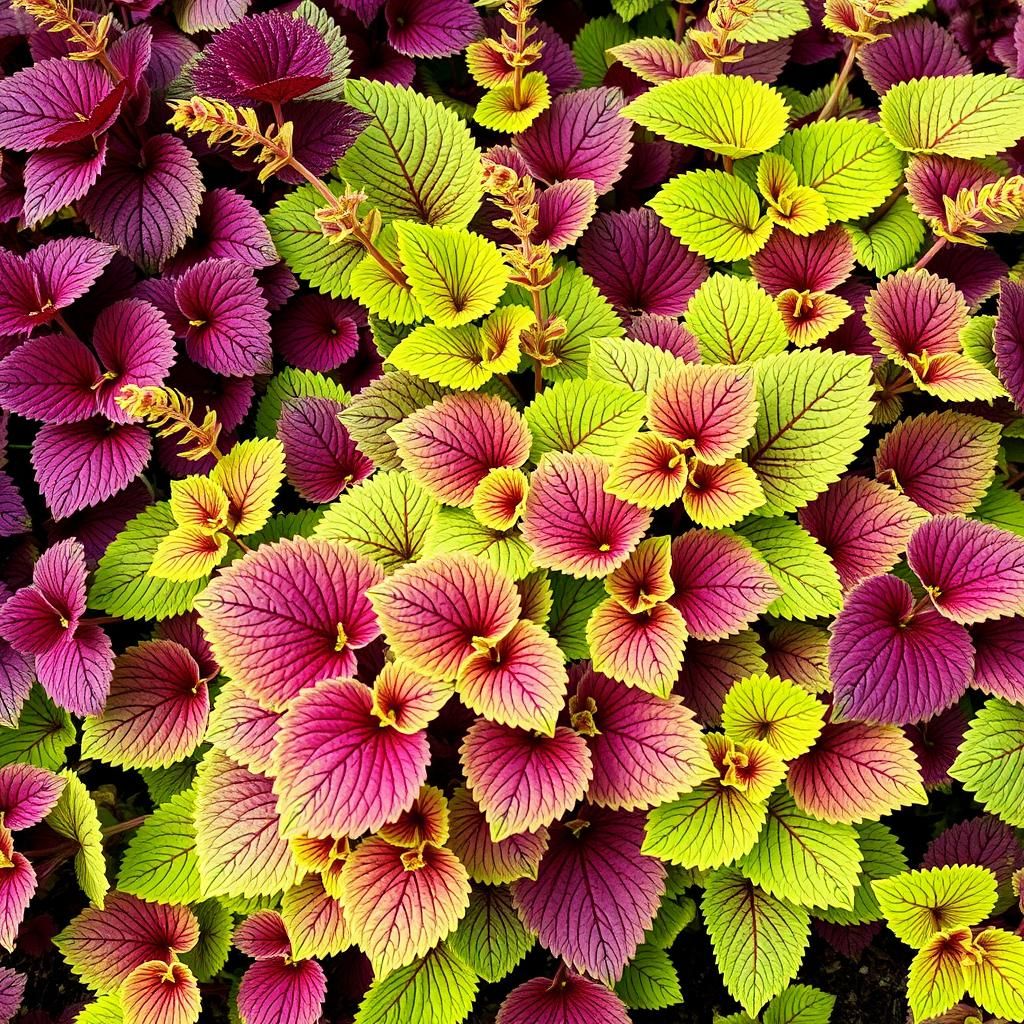
Heucheras, also known as coral bells, are beloved for their vibrant foliage and delicate flowers, but they can sometimes become leggy, losing their compact form and allure. This phenomenon can occur due to various factors, including insufficient light, improper watering, or even neglecting to prune. To help you maintain the lush, full appearance of your Heucheras, this ultimate guide provides essential tips and tricks. Whether you’re a seasoned gardener or just starting, these strategies will empower you to rejuvenate your plants, ensuring they thrive and continue to enhance your garden with their stunning colors and textures.
How to Prevent Heucheras from Becoming Leggy
To prevent your heucheras from becoming leggy, it is essential to provide them with adequate light, maintain proper watering practices, and regularly perform pruning. Heucheras thrive in bright, indirect sunlight; insufficient lighting can lead to elongation as they stretch towards the light source. Ensuring that the soil is well-draining and not overly saturated promotes healthier growth and prevents legginess caused by excessive moisture. Additionally, trimming back any overgrown stems will encourage bushier growth and improve air circulation around the plants.
Optimal Lighting Conditions
Heucheras prefer bright, indirect sunlight and can become leggy if they do not receive enough light. Placing them in areas where they can benefit from morning sunlight but are shielded from the intense afternoon rays helps promote a robust and compact growth form.
Watering Techniques
Maintaining a proper watering schedule is crucial to preventing legginess in heucheras. Allow the top inch of the soil to dry out between waterings, as consistently soggy soil can cause roots to rot and lead to weak, leggy growth. Ensuring good drainage will also help keep the plants healthy.
Importance of Pruning
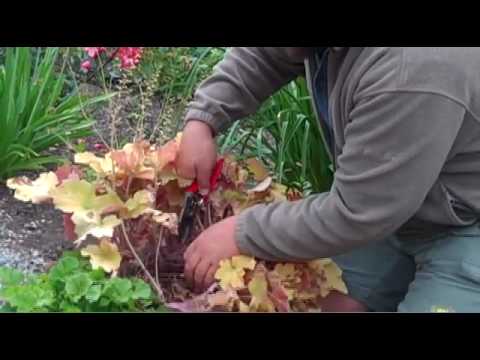
Regular pruning is an effective strategy for managing the growth of heucheras. By cutting back any overstretched stems or old leaves, you encourage the plant to focus its energy on producing new growth, resulting in a fuller, denser appearance.
Soil Quality
Using high-quality, well-draining soil is another factor in preventing leggy growth in heucheras. A mix that includes organic matter such as compost can enhance drainage and provide essential nutrients, supporting healthy plant development.
Feeding Practices
Applying a balanced fertilizer during the growing season promotes robust growth in heucheras. However, be cautious with the amount, as over-fertilization can lead to excessive growth that may contribute to legginess. A light feeding every few weeks typically suffices to keep your plants thriving.
| Aspect | Recommendation |
|---|---|
| Light | Bright, indirect sunlight |
| Watering | Allow soil to dry out between waterings |
| Pruning | Regularly trim back overgrown stems |
| Soil | Use well-draining, organic-rich soil |
| Fertilizer | Apply balanced fertilizer during the growing season |
How do you deal with leggy heuchera?

To deal with leggy heuchera, you should first understand the reasons behind their elongated growth. Heucheras, also known as coral bells, can become leggy when they do not receive enough light, when the soil is too rich, or when they are not properly pruned. Here’s how you can effectively manage leggy heuchera and encourage a more bushy and vibrant plant.
Assess Light Conditions
To ensure your heuchera stays compact and healthy, evaluate its exposure to light.
- Full Sun or Partial Shade: Heucheras generally thrive in partial shade, but too little light can cause them to stretch toward the sun, leading to leggy growth.
- Adjustment: If your heuchera is in a shady area, consider relocating it to a spot that receives more filtered sunlight.
- Sunburn Awareness: While heucheras enjoy light, be careful of excessive sunlight which can scorch their leaves.
Improve Soil Drainage
Proper soil conditions play a crucial role in the health of heuchera plants.
See also:
- Soil Composition: A well-draining potting mix or garden soil will help prevent water retention that can lead to root problems.
- Amend Soil: If necessary, mix in perlite or sand to improve drainage and aeration.
- Regular Checks: Monitor the moisture levels of the soil to ensure it doesn’t become too compacted or saturated.
Pruning Techniques
Regular pruning can significantly enhance the bushiness of leggy heuchera.
- Timing: The best time to prune is in late winter or early spring before new growth begins.
- Cutting Method: Use clean, sharp garden shears to cut back any leggy stems. Aim to trim them to just above the foliage.
- Remove Dead Leaves: Regularly remove any dead or yellowing leaves to promote new growth and airflow.
Fertilization Practices
Understanding how to fertilize your heuchera properly can prevent leggy growth.
- Use Balanced Fertilizer: An all-purpose fertilizer that is balanced can encourage healthy growth without promoting excessive elongation.
- Frequency: Fertilize once in early spring and again in mid-summer for optimal effects.
- Over-Fertilization Caution: Be careful not to over-fertilize, as this can lead to rapid, weak growth.
Variety Selection
Choosing the right varieties of heuchera can help mitigate leggy growth.
- High-Quality Varieties: Some heuchera varieties are bred for a more compact growth habit. Look for these when planting.
- Research Growth Patterns: Different varieties have unique growth patterns; familiarize yourself with these to select the best fit for your garden.
- Consult Local Nurseries: Local bands can provide excellent recommendations for varieties that thrive in your climate while minimizing leggy growth.
Should heuchera be cut back?

Heuchera, commonly known as coral bells, is a popular ornamental plant valued for its colorful foliage and delicate flowers. When it comes to whether heuchera should be cut back, the answer typically depends on the season and condition of the plant. Generally, it is advisable to cut back heuchera in the spring to promote new growth and to maintain a tidy appearance.
However, many gardeners choose to leave the foliage intact during the winter months to protect the plant from harsh conditions. Cutting back heuchera too late in the season can damage the plant. Here are some key points to consider regarding cutting back heuchera.
Timing for Cutting Back Heuchera
The timing of when to cut back heuchera is crucial for its health and appearance.
- Spring Trim: The best time to cut back heuchera is in early spring, just as new growth begins to emerge. This allows the plant to put energy into fresh shoots.
- Fall Considerations: In some regions, you may choose to leave the foliage during the fall to provide winter protection.
- After Flowering: It’s also beneficial to cut back the flowering stems after they have faded to maintain the plant’s aesthetics.
How to Cut Back Heuchera
When cutting back heuchera, it's essential to do so properly to avoid harming the plant.
- Use Clean Tools: Always use clean, sharp pruning scissors or shears to prevent disease transmission.
- Cut at the Base: Trim the dead or damaged leaves back to the base of the plant, removing them entirely to allow new growth room.
- Don't Overdo It: Avoid cutting back more than one-third of the plant in a single pruning session to ensure it remains healthy.
Benefits of Cutting Back Heuchera
Cutting back heuchera offers several advantages that promote the plant’s overall health and aesthetics.
- Promotes New Growth: Pruning encourages vigorous new growth, leading to a fuller and healthier plant.
- Improves Air Circulation: By removing old foliage, you enhance air circulation around the plant, reducing the risk of disease.
- Enhances Appearance: A well-maintained heuchera looks better in the garden, especially when new leaves appear after pruning.
Signs Heuchera Needs to Be Cut Back
There are several signs that indicate heuchera may require a trimming.
- Brown or Yellow Leaves: Leaves that are brown, yellow, or wilted should be trimmed away to encourage healthier growth.
- Overgrown Appearance: If the plant looks bushy or unkempt, a proper cut back can help restore its shape.
- Dead Flower Stems: Remove any dead flower stems immediately after flowering to keep the plant looking its best.
Winter Maintenance for Heuchera
Winter maintenance is also crucial for heuchera, particularly if one decides not to cut it back fully in the fall.
See also:
- Leave Foliage Intact: In colder climates, allowing leaves to remain can help insulate the plant against cold temperatures.
- Mulching: Apply a layer of mulch around the base to protect roots from freezing conditions.
- Monitor for Pests: Regularly check for pests throughout the winter months, even under the snow.
How to revive old heuchera?

To revive old heuchera, also known as coral bells, you need to assess the plant’s current condition and implement various care strategies. Here are several steps you can take to bring your heuchera back to life.
Assessing the Condition of Your Heuchera
Start by examining the overall health of your heuchera. Look for signs of distress such as wilted leaves, discolored foliage, or lack of growth. Taking the following factors into consideration can help you determine the right revival approach:
- Leaf Condition: Check if the leaves are yellowing or browning, as this may indicate issues with water, pests, or diseases.
- Soil Quality: Identify if the soil is compacted or devoid of nutrients, which can prevent proper root growth.
- Light Exposure: Ensure your heuchera is receiving the appropriate amount of sunlight, as insufficient light can lead to leggy growth.
Watering Techniques for Reviving Heuchera
Proper watering is crucial for reviving your heuchera. Under-watering or over-watering can severely affect the plant's health. Consider these tips for effective watering:
- Soil Moisture: Check the soil moisture level before watering. The top inch of the soil should be dry, but the deeper layers should retain moisture.
- Watering Method: Use a slow-release watering method to ensure deep root penetration. This helps to hydrate the entire root system.
- Avoid Waterlogging: Ensure proper drainage to avoid waterlogged conditions, which can lead to root rot.
Improving Soil Health
The soil quality directly impacts the revival of your heuchera. Enhancing soil health can significantly contribute to plant recovery. Take these steps to improve the soil:
- Soil Amendment: Mix organic matter like compost into the soil to improve drainage and nutrient content.
- pH Level Check: Heucheras thrive in slightly acidic to neutral pH. Test and adjust the soil pH if necessary.
- Mulching: Apply a layer of mulch to retain soil moisture and suppress weeds, which can compete for nutrients.
Pruning and Cleaning
Pruning your heuchera can stimulate new growth and improve air circulation within the plant. Follow these guidelines for effective pruning:
- Remove Dead Leaves: Trim off any brown or dead foliage to encourage new growth and improve the plant's appearance.
- Thin Out Dense Areas: Prune any overly dense areas to improve air circulation and sunlight exposure for the remaining leaves.
- Monitor for Pests: While cleaning, keep an eye out for any pest infestations, removing affected areas as needed.
Fertilizing for Recovery
Providing your heuchera with the right nutrients can aid its revival. Implement a suitable fertilizing strategy for best results:
- Type of Fertilizer: Use a balanced, slow-release fertilizer suitable for perennials to promote healthy growth.
- Frequency: Fertilize heucheras in early spring and again in mid-summer for optimal nutrient availability.
- Follow Instructions: Always adhere to the recommended application rates on the fertilizer package to avoid over-fertilization.
Questions from Our Readers
How can I prevent my heucheras from becoming leggy?
To prevent your heucheras from becoming leggy, make sure to provide adequate sunlight as they thrive in partial shade and need light to maintain their compact shape. Additionally, ensure you are watering appropriately; too much or too little can lead to poor growth. Regular fertilization during the growing season can also help support healthy, bushy growth.
When should I prune my heucheras to keep them from getting leggy?
Pruning your heucheras in early spring before new growth appears is ideal for preventing legginess. Remove any dead or damaged leaves and trim back leggy growth to promote a more compact and fuller appearance as they begin to grow again.
What type of soil is best for preventing leggy growth in heucheras?
Heucheras prefer well-draining soil that is rich in organic matter, which helps to promote healthy root systems and overall plant vigor. Using a balanced potting mix or amending your garden soil with compost can significantly improve drainage and reduce the chance of legginess.
Are there specific varieties of heucheras that are less prone to legginess?
Yes, some varieties of heucheras are known to remain more compact and are less prone to legginess. Varieties such as Heuchera 'Plum Pudding' or Heuchera 'Caramel' are often recommended for their dense growth habit, but it's essential to provide proper care to any variety to prevent leggy growth.
See also:
If you want to read more articles like Ultimate Guide: How Do I Stop My Heucheras From Getting Leggy? Tips and Tricks for a Fuller Plant, we recommend you check out our Heuchera category.
Leave a Reply
Related Articles