Can I Plant Hydrangeas Around a Tree? Tips for Successful Garden Design

When it comes to garden design, creating a harmonious landscape often involves integrating various plant species thoughtfully. One common question among gardening enthusiasts is whether hydrangeas can thrive when planted around a tree. This inquiry is essential for maximizing garden space while ensuring that both the tree and hydrangeas can flourish. In this article, we will explore the considerations for planting hydrangeas near trees, offering practical tips for successful garden design. From understanding soil conditions and light exposure to choosing the right hydrangea varieties, we aim to equip you with the knowledge necessary for a beautiful and thriving garden.
Can Hydrangeas Thrive When Planted Around Trees?
Yes, you can plant hydrangeas around a tree, but it's essential to consider a few factors to ensure their success. Hydrangeas generally need a good amount of sunlight, although some varieties can tolerate partial shade. The important aspect is the root competition between the hydrangeas and the tree. Trees often have extensive root systems that may compete for nutrients and water. Additionally, the soil quality and moisture level around tree roots can vary, which may affect the hydrangeas' growth. Always choose a suitable variety that matches the light and moisture conditions, and consider planting them at a distance from the tree to give them adequate space to grow.
Best Varieties of Hydrangeas for Planting Near Trees
When selecting hydrangea varieties to plant near trees, consider those that thrive in partial shade, such as Hydrangea macrophylla and Hydrangea paniculata. These varieties can adapt well to reduced sunlight and will perform better in the understory of trees. It's crucial to pick varieties that are known to be resilient and can handle the root interference from the tree, ensuring that they still get the nutrients and water they need.
Soil Requirements for Hydrangeas Around Trees
The soil conditions around trees can significantly impact the growth of hydrangeas. Generally, hydrangeas prefer slightly acidic to neutral soil with good drainage. However, soil around trees may be compacted and can vary in pH. It's advisable to amend the soil with organic matter like compost to improve its quality before planting hydrangeas. This helps create a more favorable environment for the flowers to establish their roots.
Sunlight Considerations When Planting Hydrangeas
Hydrangeas typically require full sun to partial shade to flourish. When planting them around trees, consider the amount of sunlight the area receives throughout the day. If the tree casts significant shade, choose varieties that can handle those conditions. Additionally, monitor the area during different seasons, as tree canopies may change with the seasons, allowing more or less sunlight to reach the hydrangeas.
Watering Needs for Hydrangeas Near Trees
Hydrangeas generally require consistent moisture, but planting them near trees necessitates careful management of water. Since trees can absorb significant amounts of water, it’s important to create a watering schedule that meets the needs of the hydrangeas without overwatering. Regularly check the soil moisture levels; hydrangeas may need supplemental watering, especially during dry spells, to ensure they stay hydrated and can compete effectively with tree roots.
Spacing Hydrangeas from Trees
When planting hydrangeas around trees, spacing is crucial. Ideally, plant hydrangeas at least 3 to 4 feet away from the tree trunk to minimize root competition. This distance helps ensure that both the hydrangeas and the tree have room to grow without restricting each other’s access to essential resources. Proper spacing can significantly improve the health and vitality of your hydrangeas.
| Factor | Considerations |
|---|---|
| Sunlight | Partial shade to full sun depending on variety |
| Soil | Slightly acidic to neutral, well-drained |
| Watering | Consistent moisture, adjust for tree competition |
| Spacing | 3 to 4 feet away from the tree trunk |
| Varieties | Choose shade-tolerant types for better growth |
Where should you not plant hydrangeas?
:max_bytes(150000):strip_icc()/five-mistakes-with-hydrangeas-blue-getty-0423-f3576d73c71e4a5aa8cbe796cf84a401.jpg)
When considering where to plant hydrangeas, it's essential to know areas that are unsuitable for their growth. Hydrangeas thrive in specific conditions but can suffer from poor performance or even death if planted in the wrong locations.
1. Areas with Full Sun
Hydrangeas typically prefer partial shade to thrive. Planting them in areas with full sun exposure can lead to scorched leaves and wilting. This is especially crucial in warmer climates. If you must plant them where they receive some sun, ensure that they get protection during the hottest parts of the day.
- Heat Stress: Prolonged exposure to sunlight can stress the plants.
- Leaf Scorch: Leaves can become brown and crispy.
- Reduced Blooms: Hydrangeas may produce fewer flowers when sun-stressed.
2. Areas with Poor Drainage
Hydrangeas do not tolerate waterlogged conditions. They require well-draining soil to prevent root rot. Areas where water tends to pool or those with heavy clay soils are not ideal for hydrangeas.
- Root Rot: Prolonged exposure to excess moisture can lead to root decay.
- Stunted Growth: Poor drainage can limit the overall health and growth of hydrangeas.
- Fungal Diseases: Increased moisture can promote fungal infections in the soil.
3. Extremely Hot, Dry Climates
While many hydrangeas can tolerate varying climates, extremely hot and dry conditions are detrimental. These plants need sufficient moisture to flourish, and in arid regions, they may struggle to survive.
- Insufficient Water: Hot temperatures can lead to rapid evaporation.
- Plant Stress: Hydrangeas may become stressed due to lack of adequate hydration.
- Decreased Bloom Production: Prolonged drought can limit flowering capabilities.
4. Shade Under Trees
Planting hydrangeas directly under trees can create problems due to root competition and insufficient sunlight. The shade from trees can limit the plant's access to the light they need for growth.
See also:
- Competition for Water: Tree roots can absorb moisture and nutrients meant for the hydrangeas.
- Limited Sunlight: Heavy tree canopies can limit the necessary light for optimal growth.
- Increased Pests: Areas under trees can host more pests and diseases, affecting hydrangeas.
5. Areas Exposed to Harsh Winds
Hydrangeas can be susceptible to damage from strong winds. Planting them in areas that are exposed to high winds can lead to broken branches and toppled plants.
- Physical Damage: Strong winds can break stems and cause loss of flowers.
- Drying Out: Wind can dry out the plants faster than they can absorb moisture.
- Stunted Growth: Constant exposure can stress the plants and stunt their development.
What is the 1/3 rule for hydrangeas?
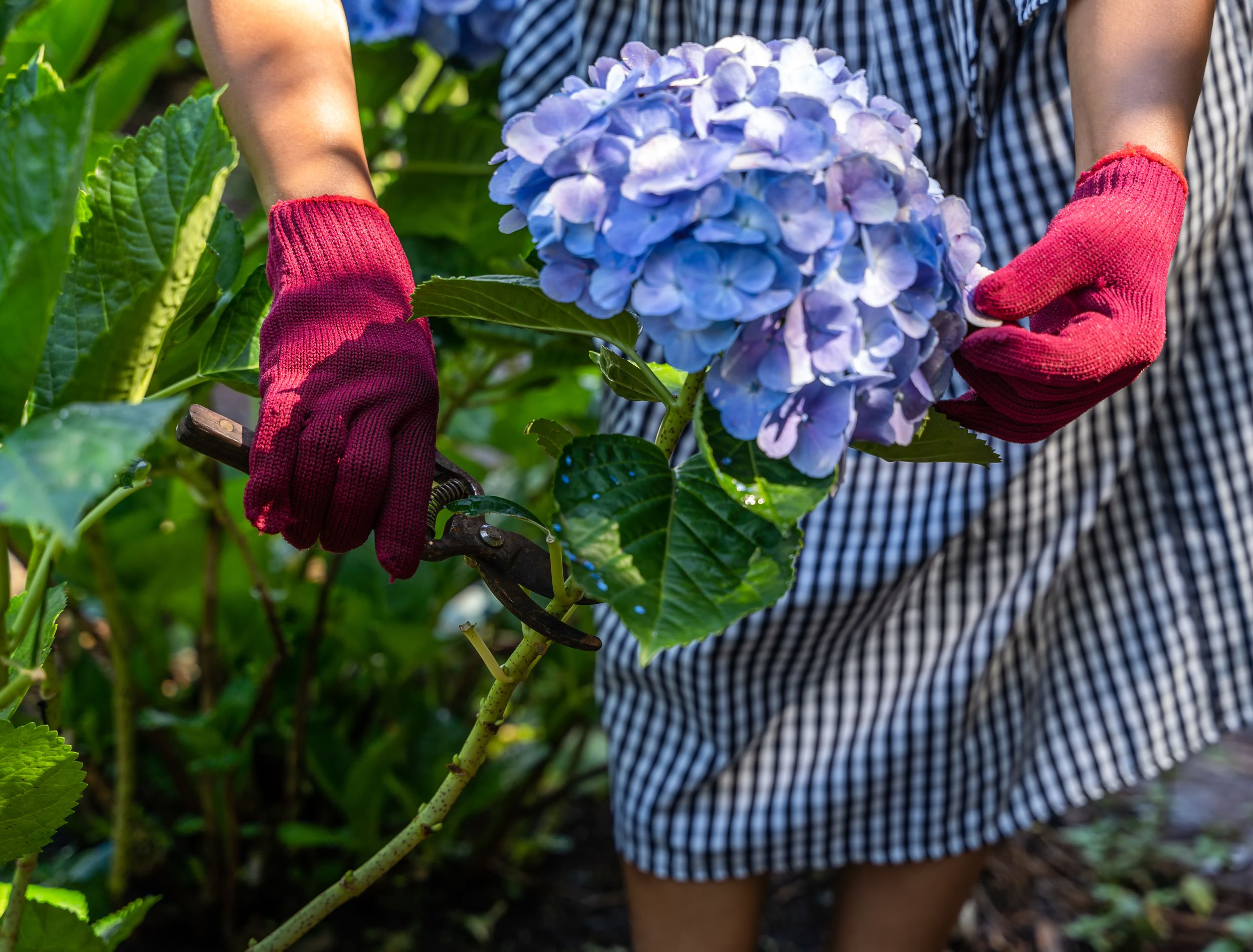
The 1/3 rule for hydrangeas refers to a commonly recommended pruning guideline that indicates how much of the plant should be cut back to ensure healthy growth and abundant flowering. This rule essentially means that when pruning hydrangeas, you should remove approximately one-third of the plant. This guideline helps maintain the plant's shape and promotes vigorous growth in the following season.
The Importance of Pruning Hydrangeas
Pruning is a crucial aspect of hydrangea care, allowing for better air circulation and sunlight penetration, which are essential for the health of the plant. Understanding the 1/3 rule helps ensure that you're not over-pruning or under-pruning your hydrangeas, both of which can lead to issues.
- Encourages vigorous growth in subsequent seasons
- Reduces the risk of disease by improving air circulation
- Enhances overall plant shape and aesthetics
When to Prune Hydrangeas
Timing is essential when applying the 1/3 rule. Most hydrangeas benefit from pruning in late winter or early spring, just before new growth begins. This timing allows for pruning wounds to heal quickly as the plant starts to grow.
- Prune during late winter or early spring
- Observe the plant's growth cycle for optimal pruning time
- Avoid pruning in fall to prevent damage from winter frost
Types of Hydrangeas and Their Pruning Needs
Different species of hydrangeas have varied pruning requirements. The 1/3 rule is generally applicable to many popular varieties but may need adjustment depending on the specific type of hydrangea you are growing.
- Bigleaf hydrangeas (Hydrangea macrophylla) usually require less pruning
- PeeGee hydrangeas (Hydrangea paniculata) handle more aggressive pruning
- Oakleaf hydrangeas (Hydrangea quercifolia) benefit from light pruning
Pruning Techniques to Follow
When implementing the 1/3 rule, there are specific techniques that can maximize the effectiveness of your pruning efforts. Using proper tools and methods ensures healthier cuts and stimulates better growth.
- Use sharp, clean pruning shears to make clean cuts
- Cut branches at a slight angle to allow for water drainage
- Remove dead or weak wood while following the 1/3 guideline
Common Mistakes to Avoid
While applying the 1/3 rule, gardeners can make several common mistakes that may hinder the health of their hydrangeas. Being aware of these can help ensure that your plants thrive.
- Pruning at the wrong time of year
- Cutting too much or too little, disrupting the plant's balance
- Neglecting to sharpen pruning tools, resulting in jagged cuts
What is the best shrub to plant under a tree?
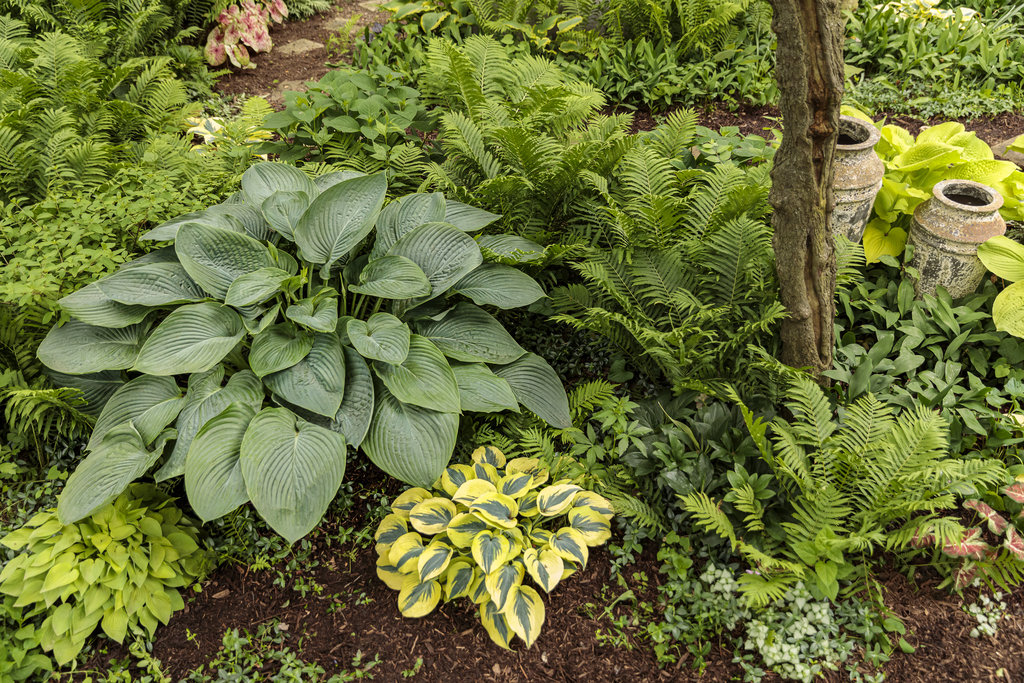
When choosing the best shrub to plant under a tree, it is essential to consider factors such as light conditions, soil type, and the size of the tree canopy. The combination of these elements will determine the most suitable shrubs for that specific area. Here are some excellent options to consider:
Considerations for Planting Shrubs Under Trees
Planting shrubs under trees poses unique challenges due to the competition for resources such as light, water, and nutrients. It's vital to choose shade-tolerant species that can thrive in less than optimal conditions. Here are key considerations:
- Light Requirements: Assess the amount of sunlight the area receives.
- Soil Conditions: Check for soil quality and drainage, as tree roots may impact these factors.
- Water Availability: Ensure the shrub selection can adapt to the hydration levels in the area.
Top Shrubs for Shaded Areas
Certain shrubs are particularly well-suited for planting under trees due to their ability to adapt to low light and compete with tree roots. Some of the best options include:
- Azaleas: These vibrant shrubs thrive in partial to full shade and bring colorful blooms in spring.
- Hellebores: These evergreen perennials are low maintenance and bloom early in the spring.
- Ferns: While not a shrub in a traditional sense, many ferns add texture and can thrive in the shade of trees.
Benefits of Planting Shrubs Under Trees
Adding shrubs beneath tree canopies offers a multitude of benefits for the landscape. These advantages include:
See also:
- Increased Biodiversity: Incorporating various plants can support a wider range of wildlife.
- Aesthetic Appeal: Shrubs can provide layers of beauty and depth to a garden.
- Soil Erosion Prevention: The root systems of shrubs can help stabilize soil and prevent erosion around tree bases.
Maintenance Tips for Under-Tree Shrubs
Maintaining shrubs under trees requires a specific approach to ensure robust growth. Important maintenance practices include:
- Regular Pruning: Trim shrubs to manage growth and enhance air circulation.
- Mulching: Apply organic mulch to retain moisture and suppress weeds.
- Watering Schedule: Monitor the watering needs, especially during dry spells.
Common Diseases and Pests
Shrubs planted under trees can be susceptible to various pests and diseases. Being aware of these issues helps in early detection and treatment. Common concerns include:
- Root Rot: Caused by overly moist soil conditions, ensure proper drainage.
- Leaf Spot: Fungal infections can affect foliage; encourage good air circulation.
- Spider Mites: Regular inspections can help catch infestations early; neem oil can be effective.
What not to plant next to hydrangeas?
:max_bytes(150000):strip_icc()/plants-never-to-grow-next-to-hydrangea-GettyImages-1384858154-d64557bf25544161811e8b03bcf4f72f.jpg)
When planning your garden, it is essential to consider the compatibility of different plants, especially when it comes to hydrangeas. These beautiful flowering shrubs thrive in certain conditions and can be adversely affected by neighboring plants. Here are some plants and categories that should be avoided when planting near hydrangeas.
Competition for Nutrients
Plants that require a lot of nutrients can compete with hydrangeas and stunt their growth. It's crucial to avoid planting:
- Heavy feeders: Plants like tomatoes and corn can deplete the soil of essential nutrients.
- Vigorous growth plants: Quick-growing plants such as rhubarb can overshadow and rob hydrangeas of sunlight.
- Perennials that spread rapidly: Some perennials can spread and consume the nutrients around hydrangeas.
Plants Sensitive to Moisture
Hydrangeas thrive in moist soil, making them sensitive to drought. Avoid planting:
- Succulents: These plants, like aloe or sedums, require extremely dry conditions and can dry out the soil.
- Lavender: While beautiful, lavender prefers well-drained soil and can compete with the moisture hydrangeas need.
- Ornamental grasses: Many grasses prefer drier conditions and can drain moisture from the soil.
Pests Attraction
Certain plants can attract pests that may harm hydrangeas. It's wise to steer clear of:
- Roses: They attract aphids, which can also target hydrangeas, leading to increased pest problems.
- Sunflowers: While lovely, sunflowers can attract pests that might spread to hydrangeas.
- Other flowering plants: Some flowers may attract bees and insects that can carry diseases to hydrangeas.
Differing Soil pH Requirements
Hydrangeas can change color based on soil pH, typically thriving in slightly acidic conditions. Avoid planting:
- Blueberries: These shrubs require very acidic soil, which can alter the pH around hydrangeas.
- Cabbage family (Brassicas): These plants prefer alkaline to neutral soil and can disrupt the pH balance.
- Peonies: These plants thrive in different pH and nutrient conditions, which can lead to competition.
Incompatibility with Root Structure
Planting neighboring plants with aggressive root structures can harm hydrangeas. It's wise to avoid:
- Willows: Their extensive root systems can compete heavily for water and nutrients.
- Bamboo: Known for being invasive, bamboo can overtake the area, overshadowing hydrangeas.
- Maple trees: Their roots spread widely and can deplete surrounding soil nutrients, impacting the growth of hydrangeas.
Questions from Our Readers
Can I plant hydrangeas around a tree?
Yes, you can plant hydrangeas around a tree, but you need to consider the tree's root system and the amount of sunlight the area receives. Hydrangeas typically prefer partial shade, so ensure that the tree does not block out too much light or compete too much for nutrients and water.
What type of hydrangeas are suitable for planting around a tree?
When planting around a tree, consider using smaller varieties of hydrangeas, such as panicle hydrangeas or mophead hydrangeas. These types can handle some shade and are generally more adaptable to different conditions around tree roots.
How much space should I leave between the tree and the hydrangeas?
It is recommended to leave at least 2 to 3 feet of space between the tree and the hydrangeas. This distance helps ensure that both plants have enough room to grow and that the hydrangeas are not competing too closely with the tree for water and nutrients.
Do hydrangeas need special care when planted near a tree?
Yes, when hydrangeas are planted near a tree, they may require extra attention regarding watering and mulching. The tree’s roots can absorb a significant amount of moisture, so it’s important to regularly check the soil moisture around the hydrangeas to ensure they remain healthy and hydrated.
See also:

If you want to read more articles like Can I Plant Hydrangeas Around a Tree? Tips for Successful Garden Design, we recommend you check out our Garden category.
Leave a Reply
Related Articles