Do Herbs Do Well in Raised Beds? Discover the Best Practices for Thriving Herb Gardens
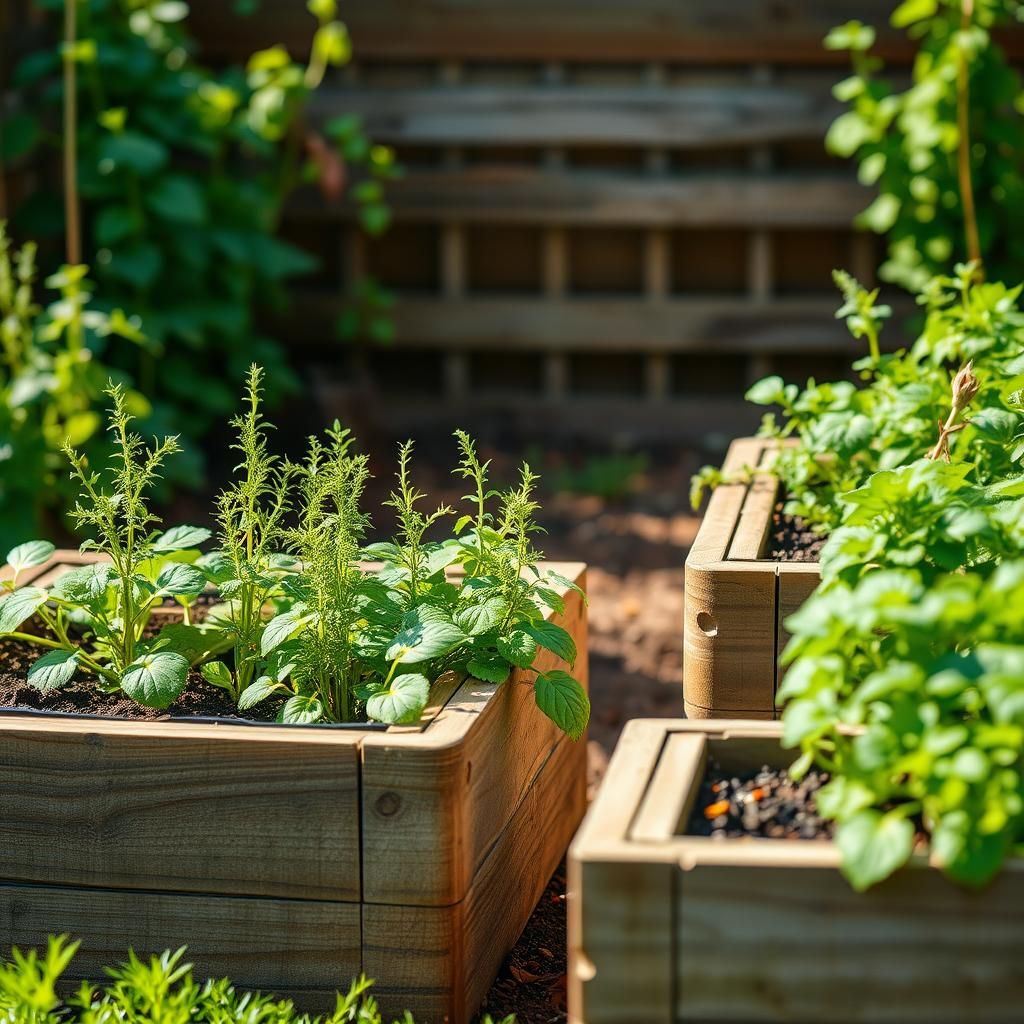
Raised beds have become increasingly popular among gardeners, offering numerous advantages for growing various plants, including herbs. These elevated plots provide better drainage, improved soil quality, and easier access, making them ideal for cultivating aromatic and flavorful herbs. However, to ensure a thriving herb garden in raised beds, it's essential to understand the specific needs of different herbs and adopt best practices for planting and maintenance. In this article, we will explore the benefits of growing herbs in raised beds and share valuable tips to help you create a lush and productive herb garden.
Do Herbs Thrive in Raised Beds?
Growing herbs in raised beds can lead to exceptionally healthy and vibrant plants due to several advantages offered by this gardening method. Raised beds allow for better drainage, ensuring that the roots of herbs do not become waterlogged, which can cause rot. Additionally, the soil in raised beds tends to warm up faster in the spring, promoting earlier planting and growth. Herbs are often prone to certain pests and diseases, but the elevation of raised beds can improve air circulation, reducing these issues. Furthermore, gardeners can more easily manage soil quality and improve nutrient content, leading to robust herb growth. Overall, raised beds create an ideal environment for herbs to not only grow but also flourish.
Improved Drainage
One of the key benefits of raised beds is their ability to provide improved drainage. This is particularly important for herbs, as they often prefer well-drained soil. In traditional garden beds, heavy rainfall or poor soil structure can lead to waterlogged conditions that negatively impact herb growth. With raised beds, excess water can easily drain away, allowing herbs to absorb the right amount of moisture without the risk of root rot.
Soil Quality Control
Raised beds allow gardeners to have better control over soil quality. They can fill the beds with a custom mix of soil that is rich in organic matter and nutrients, which is essential for the healthy growth of herbs. By using quality soil in raised beds, gardeners can enhance fertility, ensure proper pH levels, and create an optimum environment for herb root development. Furthermore, the ability to amend the soil can significantly affect yield and flavor profile.
Higher Soil Temperature
The soil in raised beds tends to warm up more quickly than in the ground, which can be beneficial for herb growth. Warmer soil fosters seed germination and encourages quicker growth rates during the spring and fall seasons. For many herbs that favor warmer conditions, this means an extended growing season and more harvests throughout the year, enhancing the gardening experience.
Better Pest Control
Another advantage of raised beds is the potential for better pest control. Because raised beds are elevated, they often provide a barrier to some pests that may inhabit the ground level. Additionally, gardeners can implement physical barriers like mesh or netting more easily. This not only protects herbs from pests but also reduces the need for chemical interventions, promoting a more organic gardening approach.
Accessibility and Maintenance
Raised beds enhance accessibility, making it easier for gardeners, especially those with limited mobility, to tend to their herbs. The elevation of the beds reduces the need for bending or kneeling, making maintenance, harvesting, and observation more convenient. This ease of maintenance encourages gardeners to engage more frequently with their herbs, leading to healthier plants and a more enjoyable gardening experience.
| Aspect | Benefit |
|---|---|
| Drainage | Prevents waterlogging and promotes root health |
| Soil Quality | Custom soil mixes enhance fertility and growth |
| Soil Temperature | Warmer soil promotes faster germination and growth |
| Pest Control | Reduces pest access and allows for physical barriers |
| Accessibility | Makes gardening easier for all, enhancing engagement |
Do herbs grow well in raised beds?

Herbs can indeed thrive in raised beds, and there are several reasons why this gardening method is beneficial for growing these plants. Raised beds provide improved drainage, enhanced soil control, increased accessibility, and extended growing seasons, all of which contribute to the overall health and productivity of herbs.
Improved Drainage
Raised beds allow for better drainage compared to traditional garden beds. In conventional gardening, soil often becomes waterlogged, leading to root rot and other water-related diseases. In raised beds:
- The height of the bed ensures that the soil is above the surrounding ground, allowing excess water to drain away easily.
- Soil compaction is minimized, which helps with aeration and water absorption.
- Herbs, which prefer well-drained environments, benefit significantly from this setup.
Soil Control
In raised beds, gardeners have full control over the soil composition used for planting. This is important for herbs because:
See also:
- Different herbs have specific soil requirements, including pH levels and nutrient content.
- Gardeners can mix their own potting soil that is tailored to the needs of particular herbs.
- Using quality, nutrient-rich soil can enhance growth and flavor profiles of the herbs.
Accessibility
Raised beds offer enhanced accessibility for maintenance and harvesting, which is particularly beneficial for those with mobility issues. Benefits include:
- Gardeners can work at a comfortable height, reducing strain on the back and knees.
- It’s easier to reach plants for watering, trimming, and harvesting without stepping on the soil.
- This leads to less soil compaction and promotes healthier plants.
Extended Growing Seasons
Raised beds can create a microclimate that extends the growing season for herbs. Factors that contribute to this include:
- The soil in raised beds warms up faster in the spring, allowing for earlier planting.
- Heat retained in the raised soil can support growth into the fall.
- Covering raised beds in cooler weather can protect herbs from frost.
Better Pest Management
Raised beds can aid in pest management for herbs, providing a more controlled environment. Highlights include:
- Physical barriers, such as nets or row covers, can be easily implemented around raised beds to protect herbs.
- Simplified access makes it easier to monitor for pests and diseases.
- Companion planting is more effective, as plants are less likely to be crowded, reducing pest attraction.
How deep should a raised bed be for herbs?

When considering the appropriate depth for a raised bed designed specifically for growing herbs, it’s essential to understand that herbs generally have moderate root systems. As a rule of thumb, a raised bed should be at least 12 to 18 inches (30 to 45 cm) deep to ensure optimal growth. Here are a few reasons why this depth is recommended:
1. Root Development: Most herbs develop shallow to moderate roots, so a depth of 12 to 18 inches allows sufficient space for roots to expand and absorb nutrients.
2. Drainage: A deeper bed provides better drainage, which is crucial for preventing root rot and other water-related issues.
3. Soil Quality: A deeper space allows for a more substantial layer of soil, enhancing nutrient retention and promoting healthier plants.
4. Temperature Regulation: Depth helps in regulating soil temperature, protecting roots from extreme weather changes.
5. Ease of Access: Raised beds allow for easier planting and maintenance, especially when configured at an appropriate height.
Importance of Soil Quality in Raised Beds
The quality of the soil in your raised bed is crucial for the successful growth of herbs. Using a mixture of compost, topsoil, and organic matter enhances the nutrient availability.
- Compost: Provides essential nutrients and improves soil structure.
- Topsoil: Forms the base of your soil mix, offering stability and mineral content.
- Organic Matter: Helps retain moisture and promotes microbial activity in the soil.
Choosing the Right Herbs for Raised Beds
Selecting the appropriate herbs for your raised bed can maximize the space and ensure robust growth. Some herbs prefer deeper soils while others thrive in shallower settings.
- Basil: Requires about 12 inches of soil for optimal growth.
- Chives: Can thrive in shallower beds, needing only about 12 inches.
- Parsley: Prefers deeper beds, ideally around 18 inches to allow root expansion.
Maintenance of Raised Herb Beds
Maintaining your raised herb bed is key to achieving a flourishing garden. Regular maintenance ensures that your herbs remain healthy and productive throughout their growing season.
- Watering: Regularly check moisture levels; raised beds may dry out quicker than in-ground gardens.
- Weeding: Keep your raised bed free of weeds that compete for nutrients and space.
- Fertilizing: Amend the soil periodically with organic fertilizers to replenish nutrients.
Benefits of Raised Beds for Herbs
Raised beds offer numerous benefits to herb gardening, making them a popular choice among gardeners looking for efficiency and productivity.
- Improved Drainage: Enhanced drainage reduces the risk of root rot.
- Custom Soil Mix: You can tailor the soil mixture to meet the specific needs of your selected herbs.
- Extended Growing Season: Warmer soil temperatures in raised beds allow for earlier planting in spring.
Potential Challenges of Raised Beds
While raised beds have many advantages, there are some challenges that gardeners should watch out for to ensure successful herb growth.
See also:
- Soil Drying Out: Raised beds may require more frequent watering due to quicker evaporation.
- Overheating: In hot climates, raised beds can become too warm, affecting plant health.
- Pest Management: Being elevated may attract certain pests, requiring vigilant monitoring.
Do herbs grow better in pots or ground?

Herbs can grow in both pots and the ground; however, the choice between these two options depends on several factors. Each method offers advantages and disadvantages that can influence the growth and health of the plants. Generally, growing herbs in pots might provide more control over environmental conditions, while planting them in the ground can offer access to more nutrients and space.
Advantages of Growing Herbs in Pots
Growing herbs in pots has numerous advantages that cater to different gardening preferences and situations. Some benefits include:
- Mobility: Potted herbs can be moved to optimize sunlight exposure or to protect them from harsh weather conditions.
- Limited Space: Pots are ideal for those with limited garden space, allowing urban dwellers or apartment residents to enjoy gardening.
- Soil Control: Using pots gives you control over the soil mix, which can enhance growth and prevent diseases inherent in garden soil.
Disadvantages of Growing Herbs in Pots
While there are many advantages to growing herbs in pots, there are also some limitations to consider:
- Limited Root Space: Pots restrict root growth, which can hinder the overall size and yield of the herbs.
- Watering Needs: Potted herbs may require more frequent watering since pots drain faster than the ground.
- Temperature Fluctuations: Soil in pots can heat up or cool down more quickly, which may stress the plants during temperature extremes.
Advantages of Growing Herbs in the Ground
Planting herbs directly in the ground offers several benefits that enhance their growth and resilience:
- Nutrient Access: Ground soil often contains more nutrients, allowing herbs to thrive without needing additional fertilizers.
- Stability: Plants have more room for root expansion, leading to healthier and larger growth.
- Microclimate Benefits: The ground can offer a more stable temperature and moisture level, which is beneficial for herb growth.
Disadvantages of Growing Herbs in the Ground
Despite its benefits, growing herbs in the ground comes with potential drawbacks that could affect health and yield:
- Less Control: Harder to manage soil composition and drainage, which can lead to overwatering or nutrient deficiencies.
- Pest Issues: Soil-dwelling pests and diseases are more accessible and can harm plant health.
- Invasive Plants: Nearby invasive species can compete for nutrients and water, potentially stunting herb growth.
Conclusion: Context Matters in Herb Growth
The effectiveness of either method will largely depend on the specific herbs being grown, the local climate conditions, and the gardener's preferences. Both pots and ground can successfully support herb cultivation, but understanding the nuances will help in making the best decision for optimal growth.
Questions from Our Readers
Do herbs grow better in raised beds?
Yes, herbs often grow better in raised beds due to improved drainage and better soil quality. The elevation allows for warmer soil, which promotes faster growth and can extend the growing season.
What types of herbs are suitable for raised beds?
Many herbs thrive in raised beds, including basil, parsley, thyme, and rosemary. These herbs benefit from the customizable soil mixture and enhanced air circulation that raised beds provide.
How deep should a raised bed be for herbs?
A raised bed for herbs should typically be at least 12 to 18 inches deep to allow enough room for root development. This depth also helps with drainage and keeps soil temperatures stable.
Do raised beds require special maintenance for herbs?
While raised beds can simplify maintenance, they still require regular watering, fertilizing, and weeding. It’s essential to monitor the soil moisture as raised beds can dry out faster than traditional gardens.
See also:

If you want to read more articles like Do Herbs Do Well in Raised Beds? Discover the Best Practices for Thriving Herb Gardens, we recommend you check out our Herbs category.
Leave a Reply
Related Articles